



Marchio privato vs Marchio famoso: Quale vende meglio?
¿Deberías vender productos de marca o crear tu propia línea de marca privada? Aquí tienes un análisis claro y profundo sobre la marca privada frente a la marca comercial, y lo que funciona mejor en el comercio minorista.
200+ acquirenti si fidano di Torg per l'approvvigionamento






As a retailer or an eCommerce business, you must have wondered: do I spend the money to create my own private label brand or simply reselling branded goods? It's a question that strikes every aspect of your enterprise such as how much control you exert, how much margin you take home, and how your customers perceive you. Private label brands provide you with control and freedom, whereas name-brand products provide familiarity and instant trust. But what really performs better in the realm of actual sales? Here in this article, we are dissecting the entire picture. Whether it's private label vs branded marketing strategies, pricing power, and supply chain differences, or what the customers truly care about. Whether you're looking to drive exponential growth or establish a long-term brand, this handbook provides the insight to help you make the better choice.
What Is Private Labeling?
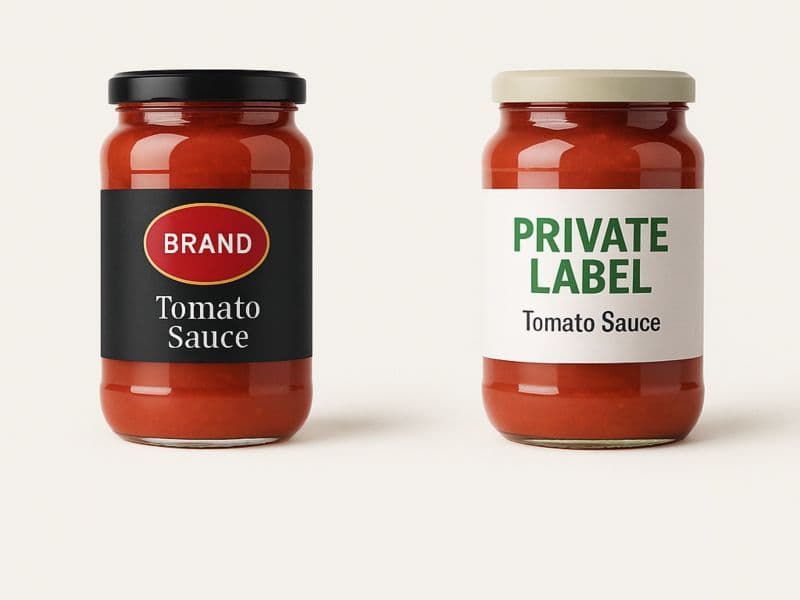
Private labeling works when a business resells products under its private brand but doesn't produce them. Rather, the products are from a third-party producer, someone else produces them while you take care of branding, packaging, and sales. You get to label your logo on the product and present it as yours. It's often confused with white label which is a generic product made by one company and rebranded by another to appear as their own. Meaning, the product is the same across sellers—just the label changes.
This business model is everywhere. In pet food, in skincare, in pantry staples. Names such as Kirkland at Costco or Amazon Basics are the epitome of how private label brands continue to be mainstream. They tend to line up right alongside national brands, with similar (or even superior) product quality at a cheaper price.
Why are more online platforms and brick-and-mortar retailers taking this path? Private label goods provide them with control. They get to dictate the aesthetic, target a niche audience, determine the price, and maintain the relationship with their users without establishing a factory or supply chain from square one. It's not about offering a less expensive alternative. It's about developing a private label brand that resonates with your crowd and fosters loyalty.
As successful private label brand have increased in popularity, more companies have turned to this approach as a lasting retail strategy.
Pros of Private Label
- Higher profit margins
- Full brand control
- Exclusive product offering
- Build customer loyalty
Cons of Private Label
- Upfront investment
- Responsibility for quality
- Harder to build brand trust
- Longer time to scale
Role of Private Label in the CPG Industry
Within the consumer packaged goods (CPG) segment, private labels have graduated from generic shelf-stuffers to a force to be reckoned with. Retailers are no longer merely middlemen; they're becoming owners. Through the rollout of private label products, they have more control over everything: from product quality and price to branding and private label product positioning.
Private labels enable retailers to act quicker in terms of trends, experiment with new categories, and compete on national brands' level directly, frequently employing the identical third party producers. And because the retailer does have the branding for private label products under control, they can mold a product line that appeals to their precise audience, as opposed to depending on another's brand image.
This change has obvious advantages: improved margins, higher customer retention, and greater supply chain control. For CPG manufacturers, that translates to more competition, but more cooperation too, since many of them are now making for private label as well as branded rivals. In short, private label is rewriting the rulebook on how the CPG universe operates.
What is a Branded Product?
A branded product is an item that is made and sold under a well-known company’s name. It typically has:
- A recognizable brand name (e.g., Nike, Coca-Cola, Apple)
- Consistent quality and packaging
- Strong customer trust and loyalty
- Broad market presence and advertising support
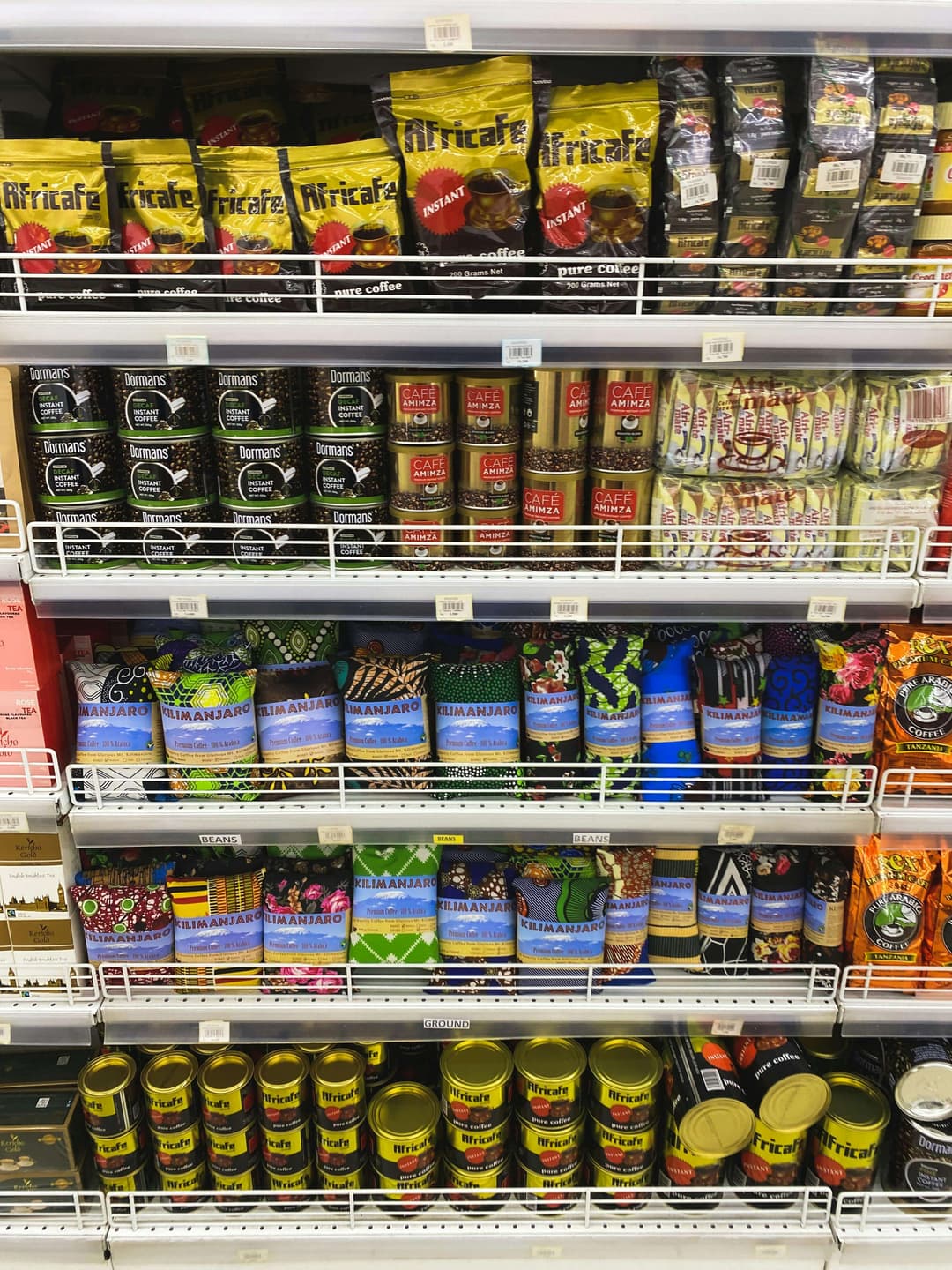
Branded products are usually produced by national or global companies and sold through multiple retailers. They often cost more than private label or generic products due to their established reputation and marketing.
Branded products typically get the best shelf space in stores and get charged the most money. People trust them. They recall the commercials. And in lots of instances, they'll choose them over lower-priced varieties simply because of that emotional bond established over time.
That's the true advantage of branded goods. They're not only competing on quality, they're competing with memory, habit, and loyalty.
Pros of Branded Products
- Trusted quality
- Strong brand recognition
- Customer loyalty
- Easier to market and sell
Cons of Branded Products
- Higher cost
- Lower profit margins
- Limited control (over pricing, packaging, etc.)
- Intense competition
Private Label vs Branded: Key Differences
When you use a private label, you're in control. You make the branding decisions, you dictate the price, and you determine the packaging. It all aligns with your vision and your customers. With branded product offerings, you're largely along for the ride of the brand owner, you receive a completed product and very little control over how it's sold or promoted.
High profit margins? Private label products usually leave more room to earn. You’re not splitting profits with a big-name brand. On the flip side, name brands often come with tighter margins and pricing restrictions.
Recognition is another big divide. A private label brand needs time to grow, building trust from scratch. But national brands are already known. Customers often choose them without thinking twice.
Upfront, private labels require more money to initiate, develop, design, and packaging. Branded products, though simpler to initiate, tend to be more expensive per unit in the long run.
In short, if you wish for complete control, long-term brand value, and higher margins, private labeling is the way to go. If you wish to begin more quickly and capitalize on brand loyalty, reselling branded products may be more suited to you. The choice depends on your business model and the type of brand you wish to establish.
Branded products have the recognition, but private labels offer flexibility and margins. Why not explore both private label and branded goods? Use Torg to find suppliers that match your business model. Sign up today and build a custom product range that puts your customers—and profit margins—first.
Why Do People Choose Branded Products?
Customers tend to go for name-brand products due to habit. They trust them. They've watched the commercials, used them in the past, and believe the quality will always be consistent. That familiarity (developed over decades of advertising and consistency) is what makes national brands work.
But times are not as one-way as they once were. Private labels are catching up in a hurry. In markets such as pet food, cosmetics, and snacks, many company brands are as good—as better—than their name-brand equivalents. Consumers are taking notice.
The antiquated notion that private labels equate to lower quality no longer stands. Today, it's all about who can provide the best value, the proper ingredients, or the cleverest packaging. Branded vs private label isn't a question of which one is "real" or "better", it's which one wins the trust, price, and shelf space to secure the sale.
Which is Better for Your Retail Business?
In the food and beverage industry, branded products often dominate when consumers seek familiarity, quality assurance, and trusted taste. Well-known brands benefit from strong marketing, consistent quality, and consumer loyalty, which drives repeat purchases and premium pricing. Shoppers tend to trust these brands for new product launches or indulgent items.
However, private label products have grown significantly in this sector, especially in everyday staples like canned goods, dairy, snacks, and beverages. Retailers like Walmart, Costco, and Trader Joe’s offer private label food and drinks that are often priced lower but deliver comparable quality. Private labels appeal to price-conscious shoppers and those looking for value without sacrificing quality.
Over the past decade, private labels in food and beverage have gained market share by improving product quality, packaging, and innovation. They sell particularly well in commoditized categories where brand loyalty is lower, and price competition is fierce.
In summary, branded products generally sell better in premium or specialty segments, while private labels excel in value-driven categories and are becoming more popular overall due to their affordability and improving quality.
How to Build a Recognizable Private Label Brand
If you want your private label line to be noticed in a sea of brand name offerings, you'll require more than a fine product. Here's how to create a memorable brand.
Define Your Brand Identity
Your private label brand must have a message. Luxury, minimalism, or value—your identity must dictate every action. From logo to voice, each element of your brand must speak to a priority image that resonates and is the one the customer remembers.
Understand Your Target Market
Prior to launch, identify specifically who you're selling to. You need to understand their habits, likes, and what motivates them. This allows you to construct private label products that directly address the needs of your people rather than attempt to make everyone happy—and end up not satisfying anyone.
Differentiate Your Product Offering
Don't replicate what's currently available. Your private label brand should have something new—improved ingredients, more intelligent packaging, or a bigger message. The more distinct your products, the more likely people will remember them and return for more.
Invest in Marketing and Brand Awareness
Even great private label products won’t sell if they’re invisible. Create content, run campaigns, and get in front of the right crowd. Whether through influencers or ads, visibility builds credibility—and credibility gets people to try what you’re offering.
Focus on Packaging and Visual Branding
Your packaging is your quiet salesman. When customers glance at your private label packaging, it must immediately convey what your brand stands for. Design must be crisp, theme-related, and in line with your image. Bad packaging can destroy trust before the product even gets a chance to be tried.
Build Trust and Customer Loyalty
One-time purchasers don't establish brands—repeat purchasers do. Maintain consistent quality, remain available, and ensure your private label brand is something that people can depend on. Small things over time create giant trust—and that's how loyalty starts building.
Challenges in the Private Label Market
It's not as easy as putting your logo on a product. It's a good business strategy, but it has its own set of genuine challenges and huge upside if you make it work.
Quality Control
You're putting your trust in third party manufacturers to bring to market exactly what your brand promises. If they skimp, your reputation suffers—not theirs. That's why finding the proper private label manufacturer and establishing close quality systems is not negotiable.
Zero Recognition at Launch
In contrast to branded merchandise with built-in trust, your private label products are beginning from scratch. There's no history, no emotional connection—nothing other than what you create. Developing a strong brand identity and gaining trust requires effort and time.
Logistics and Supply Chain Hiccups
Having your own operation from sourcing to inventory requires more moving parts. Supply chain has to be smooth, or you'll get delayed, stock out, or even worse, hurt credibility. The early phase is overwhelming without the proper systems.
Opportunities in the Private Label Market
Starting a private label line opens doors to creativity and control. With rising consumer interest, it’s an ideal time to explore unique products, build your brand, and grow your business.
Stronger Margins, Full Control
When you own your brand, you get to make the rules. From price to promotion, you're not constrained by rules imposed by someone else. That kind of independence allows you to build a wiser business model with significantly improved profit margins than selling brand name goods.
You Keep the Loyalty
With branded competition, the loyalty is the brand owner's. With private label brands, it's your brand customers return to. Each sale bolsters your position, not theirs.
Retail Trends Are On Your Side
More big and small retailers are betting big on store brands and private label products. Why? Because the way consumers shop is changing. Shoppers are more value-conscious, less impressed with big logos, and more open to private labels if it works.
The bottom line? This market is on fire. Private label production is moving quickly, and there's actual room to create your brand, if you're willing to put in the time, strategize well, and build for purpose.
Key Takeaways
Private label or branded products: it comes down to your long-term objectives. You prefer total control, greater margin, and the ability to create something really yours if you go with a private label. You set the price, packaging, and positioning and own the relationship with the customer.
But with that power comes responsibility. Success is effort: good brand image, reliable product quality, and astute private label promotion. You're establishing trust from scratch.
Branded products, on the other hand, are simpler to begin with. They provide recognition and inherent demand but they also constrain what you can do.
Increasing numbers of consumers now are willing to try their own brand name, and private label brands keep growing in CPG, pet food, and grocery store categories. If done well, your private label products are on par with the best.
Ultimately, it's about providing value, building trust, and being consistent no matter if you create your own line or carry name brands.
Richiedi preventivo per ordine all'ingrosso
Ordine semplice, prezzi trasparenti, consegnato direttamente a casa tua