



Ketogenic Diet Market: What’s Keeping Keto in Demand
Discover the evolving ketogenic diet market, covering consumer trends, supply-chain dynamics, innovations, and growth opportunities.
200+ acquirenti si fidano di Torg per l'approvvigionamento







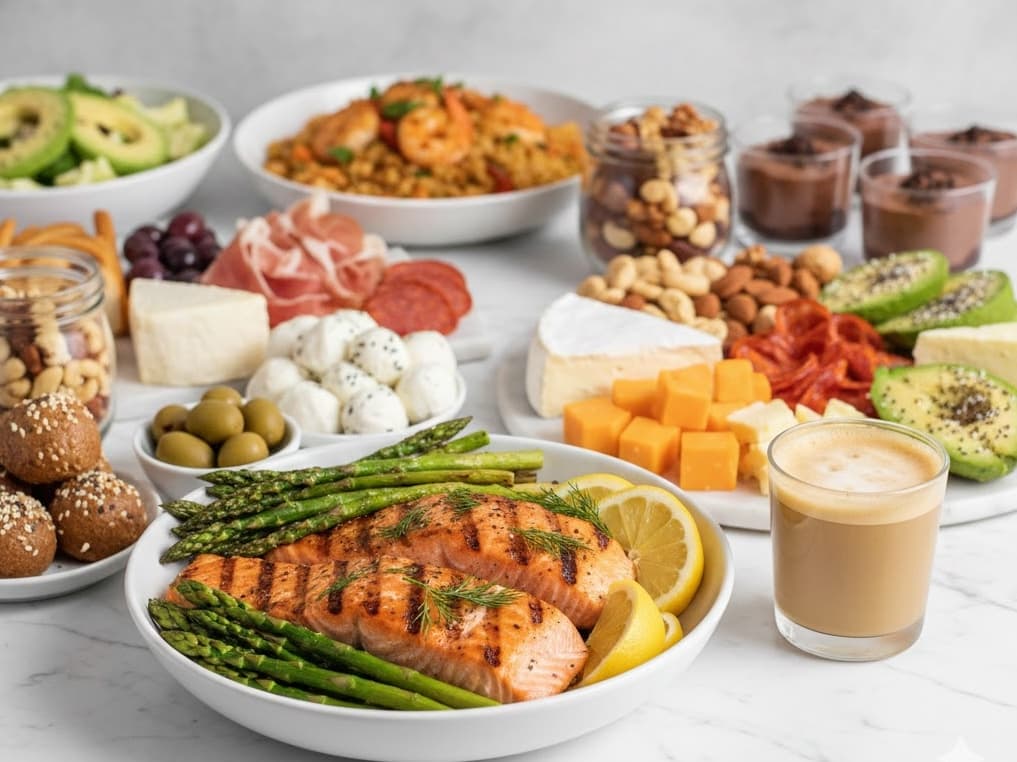
Keto was considered just another diet fad by the people. But now, it's a complete section in supermarkets, and customers cannot get enough of it. The ketogenic diet industry has expanded due to the fact that consumers are looking for products that seem to be in harmony with their health goals. Weight control, more energy, and convenience are the things that people look for. Retailers and distributors see this shift every week. Some stores witness in real-time how keto products move fast, others wonder if demand will keep rising. Why does keto still click with consumers in 2026? And where is the opportunity for those selling into this category? Let’s take a closer look.
Market Snapshot and Projections

The ketogenic diet market keeps moving forward, not in bursts, but through steady habit building. It grows from USD 12.81 billion in 2025 to USD 13.46 billion in 2026, and it is expected to reach USD 17.26 billion by 2031, tracking a 5.10% CAGR.
The major portion of the expansion is attributed to the increasing number of people who understand and acknowledge the significance of metabolic health. A few of them are even handling lifestyle risks such as obesity and diabetes. In addition to that, the need for lifestyle-appropriate foods, e.g. grab-n-go snacks, ready meals, and simple keto-friendly products, is going up continuously.
Segmentation by Product and Distribution
- The keto market includes a wide mix: supplements, beverages, snacks, dairy, regular food items, and specialty stuff too, like MCT-based products, exogenous ketones, or meal replacements.
- Currently, supplements are claiming a major part of the pie. A recent report alone estimates that supplements account for about 52% of the total keto-diet industry revenue. Meanwhile, snacks, drinks, and ready-to-eat products are not far behind. They are getting higher quickly as producers attempt to meet the demand for convenience and variety.
- Traditional grocery channels like supermarkets and hypermarkets are still the main places where these products can be found and purchased by shoppers. However, online sales and specialty retailers are getting more and more popular. As e-commerce is growing, customers have more convenience in looking through niche keto products, checking their alternatives, and placing an order from their home.
- This means that distribution is more dynamic. As a result, for retailers or distributors, this change could indicate the necessity of balancing shelf space with online products and reconsidering storage, packaging, and consumer reach aspects.
Regional Breakdown & Growth Hotspots
North America
North America still leads the pack. Stores have been selling low-carb snacks, shakes, and supplements for years now, and shoppers understand what “keto” means without much explanation. The retail environment makes it easier too — wide product ranges, strong branding, and plenty of channels where customers can discover new items. If you go to a large supermarket in the U.S. or Canada, you will always find a keto option close by.
Asia-Pacific
The Asia-Pacific region is still in the process of catching up quite rapidly compared to other regions. The number of people moving to cities is increasing, incomes are rising, and diets are changing. Health problems related to lifestyles are growing at a faster pace as well. So when a person there wants to lose weight or have more energy, keto-friendly products appear as a good option to try. If you also consider the growing e-commerce access, then niche products are becoming available in more households.
Other Regions
Europe, Latin America, the Middle East, and Africa are all going their own ways, but they are still moving steadily. On paper, it seems that progress is slower, however, interest is spreading wider as consumers become more aware of the benefits to metabolic health, weight control, and convenience. Keto shelves in these regions are growing slowly but surely.
A good strategy? Build presence where keto is already strong, and look ahead to regions where the trend is still forming. That balance gives suppliers and distributors room to grow without putting everything on one market. It’s like planting in fertile soil now, while preparing for the next harvest somewhere new.
Supply-Chain and Trade Dynamics
- The market for core keto components keeps expanding. The worldwide MCT powder segment is predicted to exceed $835 million by 2031 with a CAGR of approximately 5.7%. An increase in the consumption of such fats is a source of assurance for manufacturers to increase their production capacity.
- More manufacturers now choose direct procurement for coconut and palm-derived MCT oils, almond flour, and similar keto inputs. This move helps them respond faster to price changes caused by weather shifts or uncertain commodity availability.
- Ingredient sourcing is becoming more spread out. Suppliers avoid relying on a single region for coconut or palm derivatives to prevent sudden shortages or sharp price spikes that could interrupt production.
- Across the ketogenic diet market, a more stringent style of stock planning can be seen. Those firms who have intelligent inventory management and good relations with their suppliers are in a better position to maintain the flow of products to the stores without any breaks.
- Direct-to-consumer sales through e-commerce and distribution channels are what will count the most in 2026. The demand for the subscription delivery of keto snacks, drinks, and supplements is increasing in the regions, where the physical retail sector is still developing.
- Wholesalers and importers benefit from hybrid distribution networks that serve supermarkets, specialty retailers, and online channels at the same time. Over-dependence on one path creates more risk than reward in the current market.
What’s Driving Demand for Keto
People look at food differently now. Health, energy, and convenience matter a lot. The ketogenic diet market keeps growing because shoppers feel results, and stores notice the turnover. Why do people stick with keto? A few big drivers keep demand moving forward.
Growing Concern for Metabolic Health and Lifestyle Diseases
More consumers are looking for a product that can help them control their weight, blood sugar, or general health. And keto diet seems to be quite simple: less carbohydrates, more fats, and energy remains stable. This is mainly the reason that the demand never drops, particularly when such problems as lifestyle-related diseases are spreading in numerous countries.
Demand for Convenience and Product Variety
People want food that fits their schedule. Keto bread, protein bars, and ready-to-drink shakes make the diet easier to follow. No one likes hunting for ingredients all day. When retailers offer quick options, customers respond fast. Choice matters, and choice keeps the cart full: snacks, supplements, drinks, and more.
Shift Toward Clean Label and Functional Nutrition
Customers are attracted to products that have identifiable components, obvious nutritional profiles, and are beneficially functional. Consumers are looking for things that help ketosis but they don’t want to feel that the product is processed. These are words such as “organic,” “low sugar,” or “no artificial sweeteners” which have a great impact on the decision to buy, particularly by those who consider food as an integral part of their wellness routine.
Changing Consumer Demographics: Younger, Digitally Savvy, Health-Oriented
Millennials and Gen Z use a combination of research, social media, and their individual health goals when deciding what to eat. They are much quicker to try trends, and if something is effective, they continue using it. Online is flooded with keto meal videos, product reviews, and quick recipes every single day. Stores that adapt to these changes remain visible to the younger, health-conscious consumers.
Innovations and Opportunities Ahead
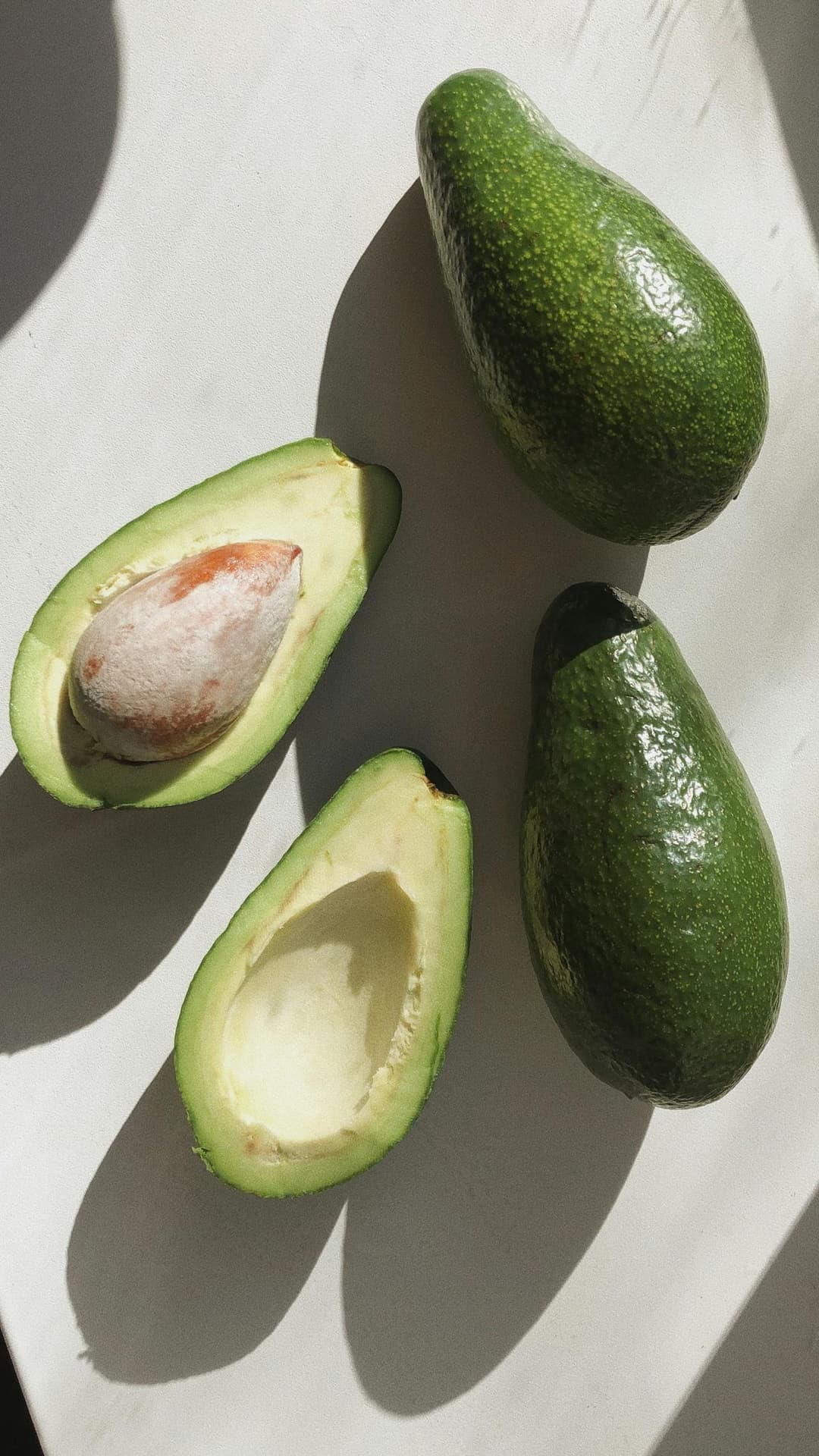
The ketogenic diet market keeps opening new doors for growth. Buyers want fresh choices. Retailers want items that move fast. Distributors want supply that holds steady. So, where does the next wave of opportunity sit? Here are areas worth paying attention to.
Growing Momentum in Asia-Pacific
With more cities and people having higher incomes, as well as a greater interest in metabolic health, the Asia-Pacific region is where it makes the most sense to take keto products to the next level. The competitive atmosphere is not so intense, so the companies that decide to make their debut can secure their position on the shelves before the market gets saturated.
Expanding Product Portfolios for Broader Appeal
The people who follow keto have different manners of doing it. Some do it strictly while others do it flexibly. That's why product variety matters. Snacks, beverages, supplements, ready meals, and keto-friendly pantry staples have a separate target group. The availability of more options keeps the customers curious, and this curiosity is converted into repeat buying either in stores or online.
Digital Distribution and Omnichannel Reach
Everyone shops differently today. Someone scrolls late at night. Another orders from a phone during lunch. Retailers and wholesalers who build D2C storefronts, strong online listings, and partner with carriers can show up where buyers already spend time. It feels more natural than hoping they walk into one store.
Clean Label and Functional Formulas
Consumers care about ingredients. They read labels. Keto products with MCT oils, clean fats, or added nutrients perform better because they feel aligned with personal goals. Organic claims, low sugar, and simple ingredient lists increase trust. Functional nutrition is no longer a niche idea. It is a basic request.
Smarter Supply Partnerships and Reliable Fulfillment
In the ketogenic diet sector, loyalty is won by reliability. Improved sourcing relationships, more efficient procurement, and stable logistics contribute to a more fluid flow to the retailers. As shelves remain stocked, consumers notice the product's consistency. And consistency means the product keeps its spot, instead of losing it to something cheaper or easier to stock.
Private Label and White Label Growth Potential
Some stores want their own keto brand. It builds loyalty, raises margins, and sets them apart. White label makes that easier, especially for wholesalers who have access to trusted manufacturers. One good line of keto snacks or shakes can turn casual buyers into regular customers who look for that brand first.
Torg’s Top Picks of Keto Food Products Suppliers
DIXIE DINERS’ CLUB – USA
Dixie Diners’ Club offers keto snacks, baking mixes, sauces, healthy meals that taste good. Their line suits retailers seeking dependable US-made products to meet rising demand in the ketogenic diet market, while keeping customers coming back. Good for snack aisles and online shelves alike. Fast turnover helps profit margins boost.
NABAT ORGANIC – Lebanon
Nabat Organic is a perfect solution for health-conscious buyers as they provide non-GMO, gluten-free, sugar-free, vegan keto products. Their product portfolio includes flours, cereals, baking aids, coconut products, natural sweeteners, vegan proteins, etc., which are the best picks for the Middle East market. A worthwhile selection for distributors who want to add variety, pure nutrition, and a quick new regional reach to their portfolio.
THE GREAT STUFF COMPANY – United Kingdom
The Great Stuff Company have a line of keto bars, protein bars, chips, seed bites, and clean snacks. Their main emphasis is on delicious, low-carb, high-fat products that fulfill keto requirements without giving up the taste. They are perfect for retailers or e-commerce sellers who want to access the global market of the ketogenic diet.
Conclusion
The ketogenic diet industry will continue to be progressive since customers are looking for foods that contribute to their daily lives and not just a fad. Easy to use, clean labels, and intelligent nutrition are the main factors that determine what consumers will buy. Retailers, distributors, and wholesalers who are aware of these changes can be on the front line instead of following the trend. A lot of new places are gaining attention, and online platforms will become more powerful. There is still a lot of room for better products, smoother supply partnerships, and private label brands that build loyalty. If the next wave of keto feels more accessible and more transparent, demand will continue rising.
Richiedi preventivo per ordine all'ingrosso
Ordine semplice, prezzi trasparenti, consegnato direttamente a casa tua