



Global Turmeric Market Outlook: Health, Innovation, & Demand
Discover the global turmeric market outlook, exploring health-driven innovations, supply challenges, and sourcing opportunities in this category.
200+ buyers trust Torg for sourcing







Not only has turmeric been escalated from being a mere pantry spice, but its power is now visible in chips, dietary supplements, ingredient manufacturing, and health products. Companies and brands that deal with food ingredients, wellness, or blended formulations monitor this market closely as the demand keeps increasing at a very steady pace. You’ll see shifts in pricing, farming output, extract quality, and new product formats; and each shift matters. This article breaks down how the global turmeric market is growing, why new innovations are shaping supply, and where the strongest opportunities are forming for those planning ahead in sourcing and product development.
Turmeric Market’s Current Industry Status
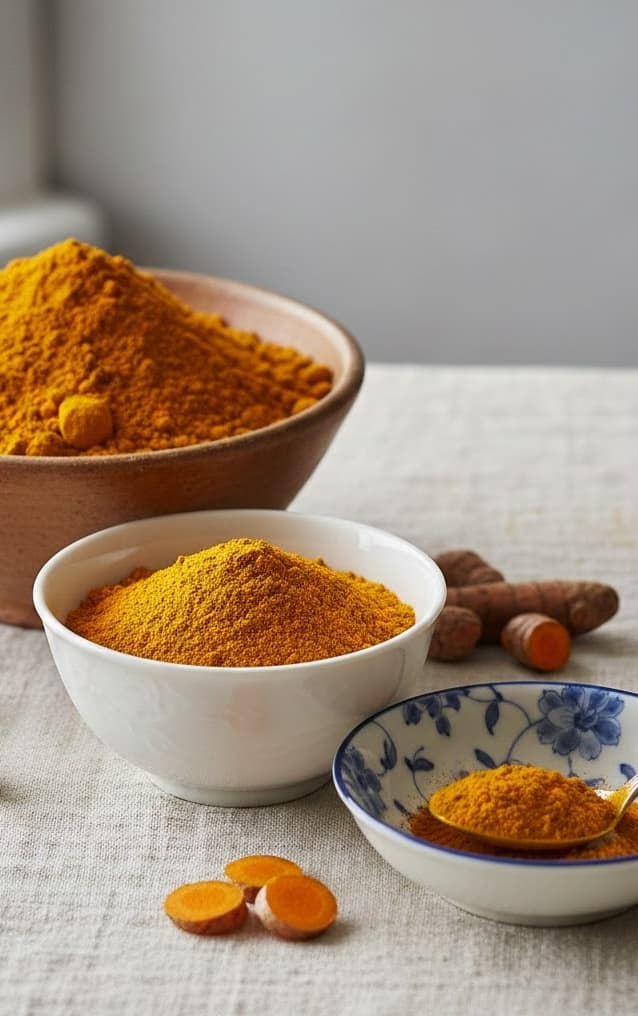
Turmeric follows a steady, familiar path rather than sudden jumps. The market was valued at USD 4.9 billion in 2025, edges up to about USD 5.2 billion in 2026, and is expected to reach roughly USD 8.4 billion by 2035, growing at a 5.5% CAGR. Demand builds slowly, tied to everyday cooking, wellness habits, and consistent use across food, supplements, and home remedies. Nothing flashy. Just regular demand that adds up over time, one purchase after another, across regions and income levels.
In case you are working in the food ingredients, functional foods, nutraceuticals, or wellness sector, this incessant demand is a market confirmation that deserves your close attention. Turmeric's popularity keeps on growing steadily, and such a trend is often a reason for determining long-term sourcing and price levels.
Market Segmentation
By Type / Form
There are several different types of turmeric available on the market. There's fresh/raw turmeric, dried turmeric, turmeric powder, curcumin extracts, and oleoresins. Generally, their supply chain operations vary to a large extent in their production, handling, and utilization facilities.
By Application / End-Use
Turmeric is a must-have in countless industries such as food and beverage (spice blend, seasoning, ingredient mix), nutraceuticals, and dietary supplements. It's also present in cosmetic and personal-care products, and pharmaceutical preparations. Each category pulls demand from the different product developers and ingredient manufacturers.
By Distribution / Channel
Distribution methods include B2B ingredient suppliers and food-service pipelines, retail spice blends, online stores, and niche specialty outlets. The dispersion across channels shows the extent of turmeric’s adaptability and demonstrates how it can be effortlessly incorporated into both large-scale and small-batch formats.
Regional Insights & Trade Patterns
Global turmeric supply looks different depending on where you stand, and the regional differences are clear once you look at the numbers. Some countries lead farming, others lead processing, and a few focus on specialty extracts.
Asia-Pacific
Asia-Pacific is still the main hub for global cultivation. The majority of the world's turmeric is made in India, but the farmers are still facing problems such as inconsistent yields and lower curcumin levels which in turn affect the prices and the quality of the products for export. Business Insider recently reported on how these issues limit farmer income and impact export competitiveness. Future Market Insights echoes this dominance, noting that India’s production capacity continues to outpace other regions.
North America & Europe
In North America and Europe, the demand for such products remains stable, primarily in the segments of functional foods, health products, and nutraceuticals. These areas source fine-grade turmeric extracts, turmeric powder with standardised curcumin content, and specially designed forms that are used in supplements. According to Grand View Research, the market for curcumin extract is expected to hit $199.7 million by 2030, with an annual growth rate of 11.9%.
Global Trade Dynamics
Some regions bring in raw turmeric or semi-processed roots, then export higher-value extracts or blends. This back-and-forth movement depends heavily on processing capacity, farming stability, export rules, and how quickly suppliers can shift between markets. When logistics slow down—even briefly—pricing and availability move almost immediately.
Supply Chain & Trade Insights
- Harvest weather remains a key supply driver. In parts of Indonesia, heavy rains delayed drying and limited export-quality turmeric availability, so buyers faced tighter stocks, slower shipments, and shifting timing for contracts going into 2026.
- Price moves stay steady but cautious. Outlook reports suggest turmeric prices are expected to remain firm near term, since supply is limited while domestic demand holds, which means some buyers are waiting before large purchases.
- Raw pricing intelligence matters more. Price tracking services covering India and Thailand emphasize real-time visibility into root, whole, and powdered turmeric pricing, which helps importers and traders model cost changes in 2026 supply plans.
- Export dynamics shift with quality focus. India dominates global turmeric output, but farmers struggle to meet higher curcumin benchmarks that Western buyers pay for; regions like Fiji are gaining attention for higher-curcumin varieties.
- Cooperatives are changing marketing flows. New farmer cooperatives in India aim to export turmeric under local brands, which can cut out middlemen, improve traceability, and open direct supply contracts with overseas buyers in 2026.
- Adulteration and quality risks linger. Academic analysis shows turmeric remains a target for adulteration, which keeps quality checks and certification at the center of export compliance, affecting how buyers source and verify shipments.
Some Breakthroughs & Shifts in the Turmeric Market
The turmeric category is changing at a very fast pace with the help of new innovations and changes in the fields of farming, processing, and consumer behavior.
- Training for organic varieties: Through practical instructions, farmers in Prayagraj, India are learning how to cultivate black turmeric, Lakadong, and other profitable varieties by using eco-friendly methods that not only cut the input costs but also improves the quality.
- Women-led cooperative expansion: A cooperative in Maharashtra’s Hingoli district, led by women, is organising more than 300 farmers to process and export turmeric under a new “Turmex” brand, creating traceability and removing middlemen in the chain.
- Viral consumer trend: The Economic Times reported on the “glowing turmeric water” trend spreading through social media. The bright colour and wellness associations boosted consumer interest, reminding suppliers that trends sometimes start with simple visual appeal.
- Organic turmeric gaining traction: One of the main points of consumer demand is organic sourcing, which is also a trend that product developers cannot ignore. A recent report is pointing out organic turmeric as a major contributor to the quickest growth segments because of the natural ingredients movement.
What Consumers Want & Why It Matters
Consumer interest around turmeric keeps changing, and brands can feel those shifts sooner than expected. Health, flavour, and transparency shape most decisions, and each one pushes demand in a new direction.
Health & Wellness Adoption
The record of turmeric in wellness-oriented products is still increasing, especially as more and more people see the visibility of curcumin extract in supplements and functional blends. Grand View Research points to strong upward movement toward 2030, and you can find that trend everywhere in the products of everyday life. Nowadays, it is in drinks, fortified snacks, health shots, protein blends, and ready-to-mix powders which are formats that require stable extract quality and a reliable supply.
Culinary & Format Expansion
Turmeric is becoming a staple in more home kitchens and foodservice establishments, and it is frequently combined with international flavours or strong flavour profiles. Its attractive colour and somewhat sweet taste can be easily incorporated into any sauce, dressing, or seasoning blend. Chefs and food manufacturers are given various options to utilize turmeric through powder mixes, premixes, and concentrated extracts without having to alter the menu considerably.
Sustainability, Traceability, & Sourcing Values
Nowadays, a greater number of consumers verify the source of ingredients, the working conditions of farms, and the certifications that suppliers have. Organic labels, high-curcumin varieties, and traceable origin statements are the most noticeable because they give the consumers a sense of security in a market full of products. Producers respond to these through farmer co-ops, organic programmes, and transparent processing practices, which not only help to increase the trust but also to ensure the stability of sourcing in the future.
Opportunities & Future Outlook: What Suppliers and Buyers Should Focus On
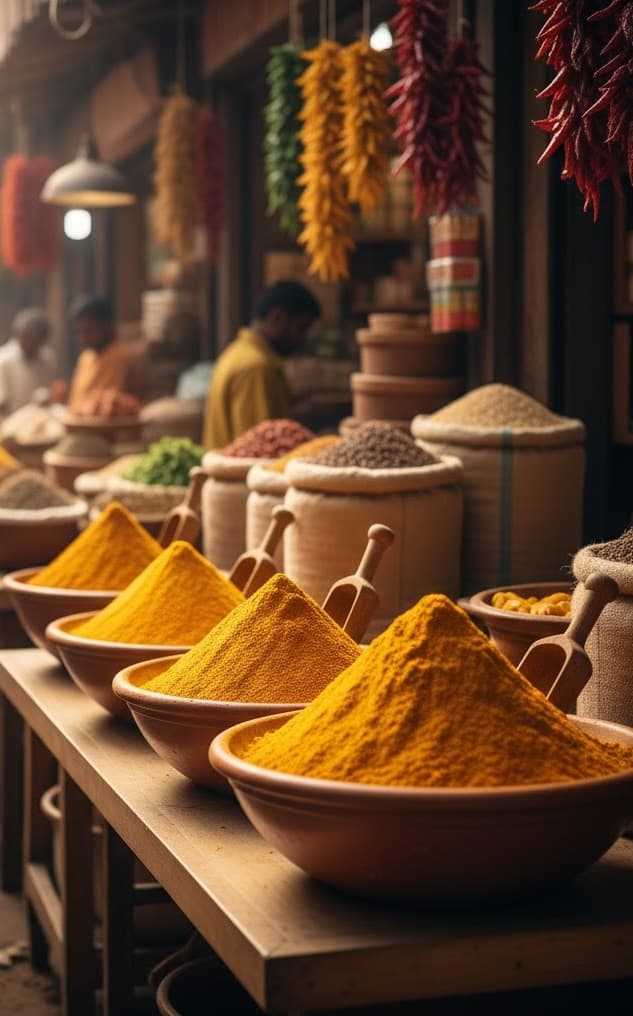
Buyers and suppliers who keep an eye on these changes and opportunities closely can be in a position to meet the demand before it actually happens, particularly when the next few years will be largely shaped by health, quality, and supply stability.
High-Purity Extracts & Functional Formats
The water-soluble powder market is expected to have the most considerable demand rise. Those manufacturers who are introducing bioavailability-standardised extracts, and providing more reliable specifications have an edge over their competitors. These formats are mainly used for the production of supplements, health drinks, and functional foods, so any improvement in consistency or formulation naturally opens the doors of these industries for the new products.
Organic, Traceable, & Premium-Grade Turmeric
High-grade turmeric still has the potential to broaden its appeal as quality is one of the main factors that determine the demand for health-focused products. Organic farms, transparent sourcing, and farmer co-ops are the pillars on which trust is built. Suppliers who have strong credentials can be a source of the luxury brand market, giving themselves an advantage over well-known brands at the higher-value end of the market.
Growth in Emerging Regions
Various markets in the Asia-Pacific region and Latin America are increasingly showing a demand for turmeric-based products. The rise of the middle class and its income, the continuous health consciousness, and the broader access to functional foods are the main factors that support this trend. These regions are known for their quick responses to innovative product formats, thus, suppliers have the opportunity to extend their presence beyond mature markets.
Integration Across Multiple Sectors
Turmeric is such a versatile product that it can no longer be kept in the spice category only. It is spreading across food and beverage, nutraceuticals, cosmetics, and wellness applications. Multi-sector ingredient strategies are helping suppliers and manufacturers to extend their customer base. Long-term demand for an ingredient is often reinforced when one single ingredient is used in several categories.
Supply Chain Resilience & Transparency
The market rewards suppliers who have stable logistics, sourcing that can be verified, and good sustainability practices. Changes in the weather, variation in crops, and problems with freight are still the factors that affect the price of turmeric; therefore, suppliers who lessen the risk and keep their records in a transparent manner are the ones that stand out.
Torg’s Top-Rated Turmeric Suppliers
BRAJ HERBALS – India
Braj Herbals produces a wide range of herbal powders and natural ingredients with a clear focus on consistent quality. Their catalogue includes turmeric, orange peel powder, red rose petal powder, and seasonal Gulal blends. They also make decorative items. The company combines long-used processing methods with practical modern equipment, which helps maintain stable output without overcomplicating production.
CARMEL ORGANICS PRIVATE LIMITED – India
With the help of certified organic farming programs, Carmel Organics partners with small farmers across India. Their product line consists of Organic Turmeric, Ashwagandha, Tulsi, Amla, and other herbs packaged in environment-friendly materials. Being very rigorous in their quality checks, the company maintains complete organic certification so that every batch is of crisp and reliable standards.
JOINT AGRI PRODUCTS CEYLON (PVT) LTD – Sri Lanka
Joint Agri Products Ceylon is the source of a varied and extensive range of the best Sri Lankan products that include Organic Turmeric, turmeric extract powder, black pepper extract, coconut milk powder, and a variety of dehydrated fruit powders. Their method is traceability, sustainability, and fair-trade sourcing that are given priority. The development of each product is done with great attention to its origin, processing method, and the natural characteristics of the raw material.
Final Thoughts
Turmeric grows in a way that is in line with the changing food habits, thinking, and buying habits of consumers. Some changes come from farms, some from labs, and a few from everyday habits that spread fast. The market is also moving along modern standards, visible in the rise of cleaner formats, stronger traceability, and the push for extracts with defined curcumin levels. Every change leaves more room for smarter sourcing and better products. When suppliers are consistent and buyers are curious, turmeric is not just a commodity. It is a reliable, adaptable ingredient with long-term potential.
Request a Bulk Order Quote
Simple ordering, transparent pricing, delivered straight to your door