



Soda Market in 2026: From Classic Cola to Functional Fizz
Discover the evolving soda market in 2026 covering insights on the status of the market, trends, opportunities, and top supplier picks to stay ahead.
200+ buyers trust Torg for sourcing







The soda market is surely fizzing up. Flavors change fast, like every few months, and packaging rules keep evolving. Some brands are experimenting with formulas that feel cleaner and somewhat healthier. Others are pushing bold flavors that grab attention on shelves. The category used to be predictable. Now it moves at a pace that feels more like tech than beverages. Basically, you can’t rely on the same old playbook. Decisions around production, ingredients, logistics, and distribution suddenly carry more weight. Consumers expect variety and purpose behind what they drink. And the question is simple: what’s driving this shift, and who’s ready for it?
The Global Soda Market Snapshot
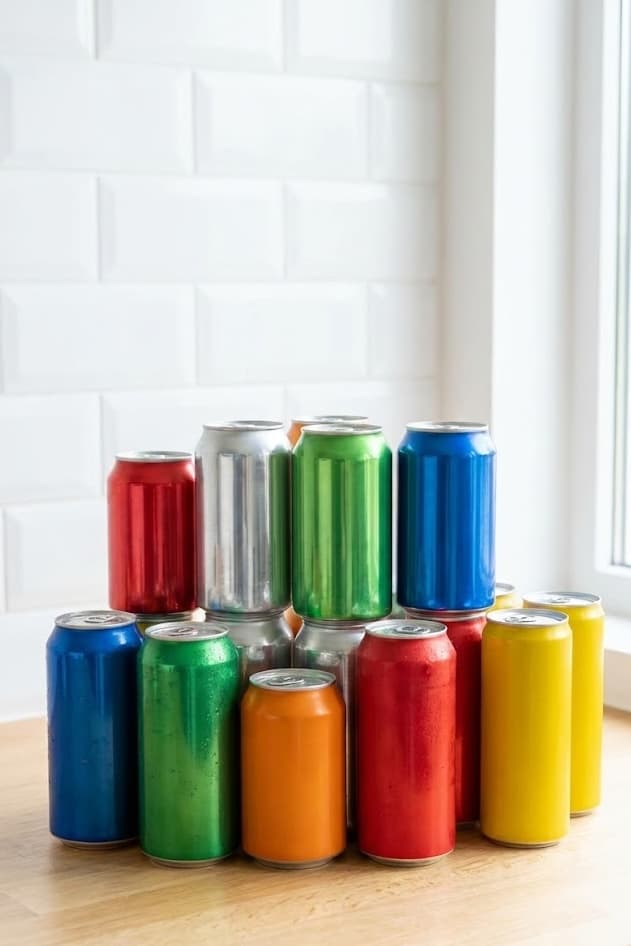
The soda market in 2025 is bigger than most people think. And somehow, even with “healthier drinks” trending, soda sales keep rising. One industry report valued the soft drinks market at around USD 484.78 billion in 2025 and growth at a CAGR of around 5.10% to reach approximately USD 797.21 billion between 2026 to 2034.
Another credible source shows a much larger global view, estimating the market to reach USD 901.7 billion by 2030 at a CAGR ~5.0%.
Those numbers somewhat differ because of what each firm includes under “soft drinks,” yet both clearly point to the same thing: steady demand and long-term volume. If you’re planning sourcing or portfolio mix, that’s not noise—that’s confidence.
Market Segmentation
- Carbonated soda remains the top pick on the shelves, while the growth of non-carbonated, ready-to-drink, and functional drinks is faster, driven by people looking for lighter or "less sugary but still fun" drinks.
- Distribution-wise, the main battleground remains the supermarkets and hypermarkets. But online growth is accelerating. Consumers now reorder soda the same way they reorder snacks—tap, add to cart, done. North America holds a significant share, while Asia-Pacific is evidently one of the fastest-growing regions.
Basically, the message is simple: soda isn’t fading—it’s evolving. And buyers who read the signals early can shape demand, not just react to it.
Regional Insights: Who’s Driving Soda Demand?
- North America. Revenue stays high, but mixes are shifting: smaller packs and zero-sugar lines carry growth. Coca-Cola’s Q3-2025 update flagged Coke Zero Sugar +14% globally with strength in North America—useful signal for planograms and promo calendars.
- Mexico (LatAm lens). Packaged beverages show durable growth to $34.25 billion by 2033 at ~3.07% CAGR. With policy talk of sweetened-drink taxes well alive, the tilt toward reduced-sugar variants and affordable PET is expected. Plan for price-point architecture and multipacks.
- Europe. The soft drinks market there is valued at about USD 124 billion in 2025 and is forecast to reach USD 170 billion by 2033, with a ~4% CAGR. Consumption patterns also differ as there's sugar-tax logic in the UK and Nordic countries. There's also rising demand for low/zero-sugar sodas; and strong value-pack formats in Eastern Europe.
- Asia-Pacific (wider view). APAC keeps expanding—hot climate, convenience-store culture, and fast flavour rotation. Trademark cola volumes grew in APAC per Coke’s update, while zero-sugar momentum is clear. Local limited editions help sell-through; just schedule shorter replenishment cycles.
- Philippines. Evidently steady. The soft drinks market reached USD 6.1 billion in 2025 and is forecasted to reach USD 8.1 billion by 2030 at a CAGR of ~6.01%. A warm climate, convenience retail, and quick e-grocery reorders keep the volumes moving. If you’re planning formats, 250–330 ml cans and family PET packs both make sense.
- Middle East. Beverage packaging demand is growing (~4.06% CAGR, 2025–2033). That basically signals rising ready-to-drink throughput and a preference for convenient, chilled single-serves around transport hubs. Consider lighter cans or returnable glass where it pencils out.
- Africa (Nigeria focus). Nigeria ranks among the largest soft-drink consumers in Sub-Saharan Africa by volume, pointing to strong thirst occasions and value PET momentum. Watch authenticity controls and last-mile cold-chain where possible.
Supply Chain & Trade Insights
- Aluminum cans. Costs spiked. U.S. physical premiums hit record highs amid tariffs and tightness—so canned SKUs feel it first. Actually, consider mixed packaging (PET/glass) for promos to protect margin while the can market cools.
- Ocean freight. After months of easing, container rates bounced. Drewry’s World Container Index jumped 8% recently. Basically, stagger tenders, watch Shanghai–LA and Asia–EU lanes, and hold optional space if you can.
- Policy pressure on sugar. WHO urged countries to lift taxes on sugary drinks over the next decade. Add in Mexico’s ongoing tax debate and you get a clear signal: line up zero/low-sugar SKUs and claim-compliant labels.
- Demand signal checks. Despite pockets of volume softness, “Zero Sugar” momentum is evident; Coke flagged +14% for the brand family in Q3-2025. That’s your cue to bias assortments toward zero/low sugar in mature markets, while protecting value PET in price-sensitive regions.
What’s Driving Soda Consumption Today
Soda keeps its place in people’s routines because it fits different moods. Some days, it’s for refreshment. Other days, it’s comfort or a quick pick-me-up. People don’t overthink it. They just want something cold, fast, tasty and available everywhere. If demand behaves like this, sourcing and assortment planning should follow the same logic: simple, practical and flexible.
Convenience Pleasure and Everyday Refreshment
People grab soda because it’s quick, refreshing, and just… easy. No prep. No thinking. Somehow, it fits into any moment, including in shops, cafés, transit stations, and vending machines. Single-serve cans win for impulse buys, while multipacks handle pantry stocking. If the flavour is consistent and chilled, it sells. Your shelf should mirror that logic: staple flavours + cold availability = fast turnover.
Health Consciousness Alters the Planogram
Health concerns are shifting buying behaviour. Low-sugar, zero-sugar, and functional sodas—like prebiotic or “better-for-you” carbonated options—are growing. BeverageDaily reports rising launches in hybrid functional beverages. Basically, diversify: keep core SKUs for volume and add health-modified lines for margin. Consumers love options, not ultimatums.
Flavour Innovation & Regional Taste Localisation
Flavours rotate faster than before. Euromonitor notes brands using experimental mashups and globally inspired fruit profiles in sodas. Buyers should treat flavours like seasonal drops: test limited editions, bring in regional variants, and watch what performs in e-commerce first. Novelty pulls attention—core flavours keep velocity.
Emerging Innovations & Strategic Moves in the Soda Market
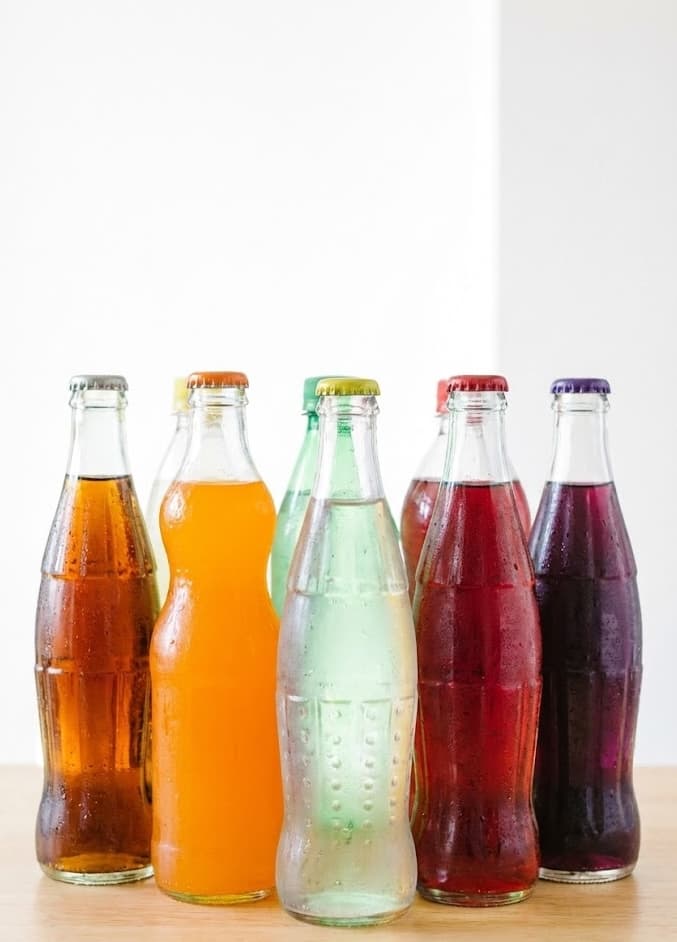
Innovation in soda isn’t subtle anymore. It shows up on shelves, TikTok feeds, and even in supplier negotiations. New flavours appear faster. Packaging gets lighter. Some brands switch factories to cut shipping delays. Basically, soda is evolving into a flexible category where margins improve when you move quickly and test smarter instead of pushing the same old SKUs.
Premium and Specialty Formats Gain Footing
Premium soda is moving from niche to mainstream. There's now craft carbonation, real fruit extracts, and sleek bottles. The craft soda market is valued at USD 879.37 million in 2025, growing at 5.6% CAGR toward 2032. For buyers, premium SKUs allow margin lift. Keep core colas, then plug premium lines into selective placements.
Functional & Wellness-Oriented Sodas Are Taking Off
Consumers want soda that “does something.” Prebiotics, botanical blends, lower sugar, added fibre, all of these launches are gaining traction. Even legacy players are entering prebiotic soda to compete with wellness brands. From a sourcing angle, pick suppliers who offer functional soft drinks. It separates your portfolio without reinventing your entire SKU list.
Packaging & Sustainability Drive Supplier Advantage
Lighter cans, recyclable material, shorter freight paths; packaging is now a cost weapon. Some producers are even exploring clear sodas with functional positioning. Ask suppliers straight up: “What’s the packaging cost per case?” Basically, the right pack choice can protect margins, reduce freight, and improve shelf impact at the same time.
Supply Chain Flexibility & Near-Market Production
Lead time matters more than ever. More soda manufacturers are shifting production closer to high-volume markets to shorten transit and avoid freight volatility. Near-market bottling also means faster flavour rotations. If evaluating a supplier, check number of plants, backup capacity, and MOQ flexibility. Faster pivot = less lost revenue. Somehow, responsiveness becomes a competitive edge.
Digital-First & Subscription Drops Accelerate Testing
Brands now use e-commerce to test flavours before hitting retail. Limited drops, sampler bundles, and subscription packs reveal real demand. It’s quicker than waiting for scan data. If a flavour pops online, stock it in-store. If it flops, retire quietly. Simple. Your channel mix should reflect how consumers discover soda today, not how the industry worked five years ago.
Opportunities Ahead: How to Win in 2025 and Beyond
There’s no single “secret playbook.” Soda moves fast because consumers switch flavours based on mood, weather, or simple curiosity. If your portfolio can flex, you win. Think of your product line like a working shelf, not a static list: keep what moves, rotate what excites, and always leave space for a wildcard flavour to surprise buyers.
Layer Core SKUs With Differentiated Lines
Core sodas keep the volume steady. Differentiated SKUs—premium sodas, functional carbonation, limited drops—add margin. Basically, treat classics as your safety net and new flavours as your growth lever. The mix matters. People love familiar cola, but they’ll try “something new” if it’s cold and visible. Test small, rotate often, and keep a slot open for seasonal wildcards.
Win Through Pack and Format Strategy
Pack size affects buying behaviour more than most assume. Single-serve cans convert “I’m thirsty now.” Bulk PET packs win on value. For e-commerce, smaller mixed bundles move better than full cases. Format isn’t decoration but a margin control. Use SKUs that match the moment: chilled for impulse, PET for stock-up, mini cans for moderation-focused shoppers.
Choose Suppliers Who Can Move Fast
Speed beats price when demand spikes. Suppliers that can flex MOQs, tweak flavours, or adjust packaging keep your shelf full. Actually, short lead time is an advantage all on its own. Ask about production locations, backup capacity, and whether they support fast rotations. Flexibility isn’t a bonus but a part of your risk management.
Expand Into Growth Geographies
When markets mature, volume feels slow. But in Southeast Asia, Africa, and parts of Latin America, soda consumption keeps rising as urban retail expands. And early entry gives you strategic shelf space and contract leverage. Start with small trial orders, learn flavour preferences, then scale. Somehow, showing up first still matters more than arriving perfect.
Top-Rated Soft Drinks Suppliers on Torg
PIRANJASOUL GMBH — Germany
Piranjasoul offers soft drinks that feel crafted, not mass-produced. Their sodas come in glass and PET, which is helpful when you’re deciding between “premium shelf presence” and logistic efficiency. They focus on flavor clarity and clean recipes. Basically, if you want European-made beverages with strong branding and fast lead times within the EU, this supplier is a solid match.
MULTI-FLOW INDUSTRIES — USA
Multi-Flow is like a full beverage ecosystem. They do craft soda, soft drinks, juices, even draft systems and gas solutions for restaurants. Somehow, having one supplier manage both syrup and dispensing systems simplifies everything. With nearly 90 years of experience, they handle customization, private label, and volume scale. If you need variety plus support equipment, this one just makes sense.
PROISTANBUL — Turkey
Proistanbul exports carbonated soft drinks, energy drinks, fruit juices, and private-label beverages. What makes them useful for buyers is flexibility: multiple product types, competitive pricing, and MOQs that aren’t intimidating. Their modern production facility supports fast customization of flavours and packaging. Basically, if you want soft drinks plus energy drinks in one shipment, this supplier keeps it straightforward.
Conclusion
The soda market keeps moving, and not slowly. There is stability in demand, yet the category is shifting underneath with new flavours, zero-sugar lines, smaller packs, premium formats. Buyers who treat soda like a flexible category, not a fixed one, will benefit the most. Basically, keep your core SKUs for volume, then use seasonal or functional sodas to test what excites your customers. Lead times and shipping aren’t predictable in 2025, so build options with multiple suppliers, varied packaging, faster reorder cycles. The goal is simple: stay stocked, stay fresh, stay relevant. If you align sourcing with changing behaviour and keep your assortment light on its feet, soda becomes more than a high-velocity item. It becomes a category you can grow intentionally, not reactively.
Request a Bulk Order Quote
Simple ordering, transparent pricing, delivered straight to your door