



Beer Market in 2026: What’s Shifting Beyond Hops and Hype?
Explore how the global beer market is evolving in 2026, from shifting consumer tastes and regional growth to innovation and future opportunities.
200+ buyers trust Torg for sourcing







The beer market has entered a different phase—less about mass consumption, more about positioning, purpose, and precision. This piece breaks down where the real growth lies, what’s driving consumption patterns, and how new trade realities are shaping production and distribution. Whether you deal in supply, logistics, or category management, understanding how beer is repositioning itself across formats and regions will help you see where to double down next.
Beer Market at a Glance: Scale, Segments & Global Trade
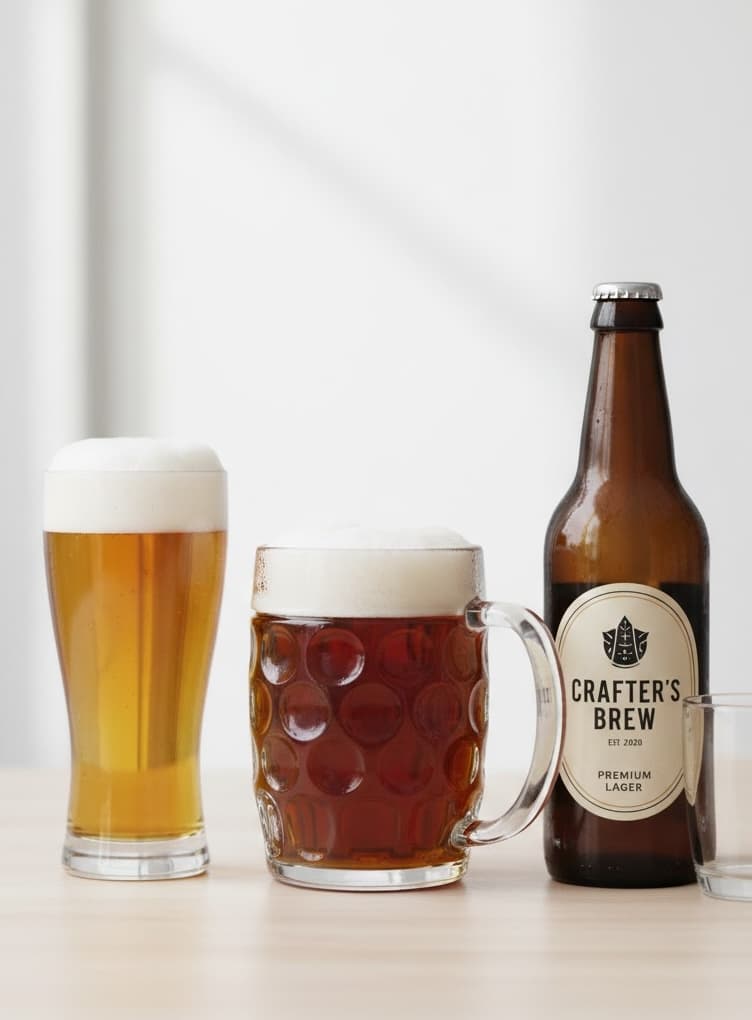
Beer continues to scale on consistency rather than speed. In 2025, the market stands at about USD 669.12 billion, with value projected to edge up to USD 689.19 billion in 2026. A steady 3.0% CAGR through 2026–2035 keeps the trajectory intact, lifting the market to roughly USD 899.24 billion by 2035.
The global beer economy is still growing—just not in leaps and bounds. The real movement is underneath those numbers: smaller brewers fighting for recognition, big ones slimming portfolios, and supply chains rewriting how distribution works.
For those in trade—importers, distributors, buyers—this is a market that rewards strategy, not speed. Volume is still king, but niche is where margins hide.
Market Segmentation
If we pull the market apart, a few realities stand out. Some are obvious, some less so.
By Product Type
- Lager still runs the show. No surprises there as it commands more than 70% of global share because it's familiar, consistent, and easy to produce at scale. But while it holds the crown, it’s the challengers which are craft, ale, and non-alcoholic beers that are rewriting the story. They’re growing faster, especially in regions where younger consumers are exploring beyond the usual pint.
By Packaging & Channel
- If you’re in the logistics or sourcing side, packaging is where you’ll feel the shifts most. Bottles are still big, roughly 45–46% of total market revenue, based on recent estimates, but cans are catching up fast. Why? Because it's lightweight, cheaper to move, easier to store, and overall better suited for e-commerce.
- Cans have gone from “budget” to “premium-practical.” Many craft breweries now prefer them for freshness and design flexibility. That trend ripples across the supply chain including can suppliers, recyclers, and cold-chain logistics.
- Channel-wise, off-trade continues to sit on the top, but the on-trade scene is showing some major changes. Bars and restaurants are still here. Though consumers can be choosy about what they drink when they go out. That's why there's premium and limited-edition beers—higher margins, smaller batches, and strong storytelling.
Regional Shifts in the Global Beer Map
The global beer landscape isn’t moving as one giant wave anymore. Each region has its own rhythm — some speeding ahead, others slowing down to reset. What used to be a volume game now feels more like a test of adaptation, efficiency, and cultural fit. Growth, evidently, is no longer measured only in liters poured.
Asia-Pacific (APAC)
APAC remains the world’s volume leader, but the conversation has changed. The region is expected to add roughly USD 66.4 billion by 2029, growing near 4.6% a year. Drinkers aren’t chasing quantity anymore; they’re chasing quality. Local lagers still rule, yet premiumisation is spreading as younger consumers trade up.
China keeps its dominance in both brewing and drinking. India sits in the middle ground, full of promise but slowed by regulations. Vietnam’s looming 90% tax by 2031 is pushing breweries toward leaner, smarter operations. Retailers across SEA, on the other hand, are giving more shelf space to craft and low-alcohol beers. This proves that diversity can grow even when total consumption stays flat.
Europe
Europe’s beer industry feels less like a race, more like a craft. Growth has plateaued, but direction hasn’t. Brewers in Germany, Belgium, and the UK are cutting excess SKUs, automating production, and betting on sustainability as a long-term play. Now, it’s all about precision. Premium and zero-alcohol beers quietly gain ground as moderation turns cultural. Imports from Asia and Latin America are carving out small but steady markets, not by novelty, but by trust. For buyers, Europe now rewards focus and discipline over scale.
North America
North America is entering a correction phase. After years of competing for shelf space and volume, breweries are trimming fat and chasing resilience. The U.S. faces a pinch as higher input costs and 25% tariffs on imported beer and aluminium cans are forcing tighter supply models. Still, the non-alcoholic and craft categories keep growth afloat for the country. Canada and Mexico are also stable, benefiting from proximity and trade under USMCA. This just means that it's now less about how much beer gets made, and more about who keeps returning for it.
Middle East & Africa
Growth here feels intentional. In the Middle East, non-alcoholic beer bridges the cultural divide — foreign brands finding acceptance through flavor, not fermentation. Africa moves differently: volume is climbing, driven by affordability and urban expansion. Breweries in Nigeria, Kenya, and South Africa are turning to PET packaging for reach and durability. Logistics remain tough, yet investment in cold-chain systems and local sourcing is already reshaping the supply landscape. The result? A region learning how to grow on its own terms.
Key trade & supply chain insights
- Aluminum cans/imports: The US implemented a 25% import tariff on beer and empty aluminum cans starting April 2025. That means if you’re sourcing canned beer for the US or global market, shipping cost and duty cost are higher.
- Craft breweries and imported beer are especially vulnerable: A report noted that tariffs on aluminum and other raw materials create “an additional financial strain” for craft brewers.
- Heavy packaging and proximity to market still matter for standard lagers: Because beer is bulky and margin per volume is lower than many other beverages, high freight cost eats into profit. For premium or craft imports, higher margin can cover that, but you’ll need to plan logistics carefully.
- E-commerce & direct-to-consumer channels are expanding: According to market research, packaging optimisation, cold chain (especially for craft/specialty), and regional distribution become differentiators.
- Input cost pressure: Raw materials like hops, barley, packaging (glass, cans), logistics are all fluctuating. As one research article points out, protectionist policies and tariffs influence those costs.
- Channel mix shifts: On-trade (bars, restaurants) remains critical for premium/new product launch, while off-trade (retail supermarket, convenience) stays backbone for volume. That means distribution strategy must align with which channel you target.
What’s Changing in Beer Demand?
Here’s what’s shaping that shift and how it affects your buying, sourcing, and distribution plans this year.
Health-Awareness & Low/No-Alcohol Variants
It’s not a passing phase because people actually care about what they drink now. Many people are cutting back, not quitting, just pacing. The no- and low-alcohol beer segment grew about 9% in the recent years, while stronger beers slipped in key markets. For you, keeping non-alcoholic or light SKUs in stock isn’t optional anymore but your ticket into the “moderation economy.”
Premiumisation & Localisation of Flavour
Beer tastes are shifting fast. Younger drinkers don’t just want a pint; they want a story, a twist, something local. Fruit-infused lagers, sours, and hybrid brews are flying off shelves. In the UK, fruit beers reportedly jumped 250% in one year. Basically, focusing on small-batch, flavour-rich labels can stretch your margins without chasing volume.
Format & Channel Shift
Buying habits? Totally different. Consumers now grab single cans for quick chill nights, or order mixed packs online just to try something new. Off-trade keeps climbing while bars recover slowly. That means your mix should flex—multipacks for home drinkers, impulse formats for quick grabs. Simple changes like that can move real numbers.
Sustainability & Transparency Wins
Consumers notice what brands stand for, not just what they sell. They’re reading labels, checking for carbon footprints, even asking where the barley came from. Breweries that show how they source, brew, and package responsibly stand out. So, when you’re sourcing or distributing, work with partners who can actually prove their sustainability story, it evidently pays off.
Recent Developments & Opportunities in the Beer Market

Innovation in beer this year feels different. The spotlight has moved from flashy branding to smart execution. Breweries now focus on efficiency, consistency, and genuine quality. They’re cutting waste, simplifying production, and finding new ways to keep drinkers loyal without shouting for attention.
Data-Guided Brewing & Smarter Recipes
Brewing’s turning into a science lab with spreadsheets. Researchers recently analyzed 62,000 beer recipes to link ingredients and flavour results. It’s not overcomplicating—it’s optimizing. Digital brewing helps brands cut trial errors, improve taste consistency, and react faster. For distributors, that means fewer inventory risks, more predictable quality, and products that actually match what customers want this quarter.
Sustainable Production & Energy Stability
Energy bills have become make-or-break factors for breweries. Danish researchers found that energy-flexible brewing systems cut both carbon and cost. It’s not just eco—it’s economic. Smaller brewers gain stability, and for wholesalers, partnering with low-impact producers simply makes sense. Basically, cost-stable breweries stay dependable even when markets wobble or fuel prices swing unexpectedly.
Hybrid Flavours & Everyday Experimentation
Beer drinkers are trying new things again—but this time, it’s deliberate. Fruited lagers, coffee stouts, and nitro lines are trending. People want new without being too different. They like familiarity with a spark. For retailers, offering a few bold labels sparks curiosity and lifts average order value. Novelty sells, but balance keeps customers returning for another round.
Packaging Redesign & Direct Sales Growth
Packaging has become part of the product experience. Refillable glass, recyclable cans, and e-commerce-friendly formats are no longer fringe experiments. They cut shipping weight, reduce damage, and photograph well online. Actually, smart packaging is now a sales tool. As more breweries go direct-to-consumer, durable and attractive packaging gives a real edge in logistics and shelf life.
Channel Fragmentation & Rapid Shifts
The beer market feels split—on-trade is rebuilding while off-trade keeps pushing ahead. Nearly half of small brewers saw growth despite global volume decline. That shows the shift: beer demand isn’t dropping; it’s scattering. Distributors need flexible stock plans, quicker inventory cycles, and sharper forecasting because consumer preference can swing faster than production schedules.
Pressure on Big Brands, Space for Small Players
The giants are feeling the squeeze. Macro volumes keep sliding, and smaller breweries are quietly stepping in. Craft, premium, and low-ABV beers are taking the margins big players lost. For buyers, early partnerships with small producers can pay off later. Basically, scale used to be the advantage. Now, agility and authenticity win the shelf.
Torg’s Featured Beer Suppliers
United Dutch Breweries – Netherlands
United Dutch Breweries combines scale with a steady hand. Their lineup moves easily between familiar lagers, malt drinks, and fuller specialty beers. The focus isn’t noise but dependability. Pricing stays sharp, and logistics are well-oiled. Basically, it’s the kind of partner that keeps your mainstream portfolio strong without sacrificing taste or consistency.
Compañía Cervecera de Coahuila, S. de R.L. de C.V. – Mexico
Constellation Brands Mexico keeps proving that tradition doesn’t mean being stuck. Known for classics like Corona, Modelo, and Victoria, they’ve quietly expanded into ready-to-drink lines and lighter flavored blends. The strategy is a balance of heritage at the base and experimentation at the edge. For importers, that range makes targeting both premium and casual drinkers easier.
Sapporo Vietnam Ltd. – Vietnam
Sapporo Vietnam brews with quiet precision. It merges Japanese discipline with a European-style brewing backbone, producing clean, well-balanced beers like Sapporo Premium. The brewery focuses on freshness, control, and regional distribution strength. Actually, it’s one of the few Southeast Asian players showing steady growth without overextending, a sign of strategy over speed.
Conclusion
The beer market feels more mature than explosive. The growth is measured, steady, and shaped by changing habits. Drinkers are exploring, but with intent as they want flavour, not excess. Breweries are tightening systems, investing in efficiency, and learning to do more with less. For buyers, success isn’t chasing hype anymore. It’s finding reliability, margin, and story. Basically, beer has entered its refinement era. And those who read the shift early of balancing sustainability, smart production, and local identity are already ahead. The excitement in this category hasn’t faded; it’s just evolved into something sharper, quieter, and ultimately, more sustainable.
Request a Bulk Order Quote
Simple ordering, transparent pricing, delivered straight to your door