



Confectionery Market: How Premium Sweets Are Taking Over
Premium and clean-label confectionery is reshaping the sweets industry in 2026, driven by health-minded consumers, innovation, and new sourcing opportunities.
200+ buyers trust Torg for sourcing







People don’t choose sweets the same way anymore. One quick look at ingredient labels tells you a lot about where the confectionery market is headed. Retailers, distributors, and wholesalers are seeing more demand for premium confectionery and clean label sweets—shorter ingredients lists, natural coloring, and fewer additives. Taste still matters, of course, but quality and transparency now drive repeat orders. Buyers want sweets that feel good to stock.
So what does that mean for sourcing? For product selection? For margins? This report walks through the key changes in 2026 and how to use them to your advantage in the confectionery market.
Global Confectionery Market Snapshot
Confectionery keeps growing, even when conditions are far from sweet. In 2026, the market reached USD 227.58 billion, and it is expected to climb to USD 299.18 billion by 2031, moving along at a 5.62% CAGR.
Cocoa prices rise and fall, rules around sustainability tighten, and shoppers ask for treats that feel “worth it,” not just sugary. So brands adjust. Recipes get lighter, packaging feels more gift-ready, and sourcing stories matter more than before. Instead of absorbing every cost increase, manufacturers lean into higher-value products and clearer ethics, turning pressure into positioning. It is not just about candy anymore. It is about trust, timing, and taste, all at once.
Market segmentation
- Chocolate confectionery: This remains the largest slice of the pie. Premium and artisanal brands are gaining share. For instance, specialty dark chocolate, ethically sourced cocoa, vegan bars are all pulling ahead.
- Sugar confectionery (gummies, chews, hard-candy): This category holds demand as reformulation improves, healthier versions emerge, and messaging such as “reduced sugar” or “clean label” becomes more common.
- Gum and mints: Not usually top of mind, yet they’re making moves. Especially when they adopt functional claims (energy boost, vitamins, caffeine, wellness) or clean-label wording.
Clean-label attributes — “no artificial colours”, “reduced sugar”, “vegan”, “allergen-friendly” — continue to climb as deciding factors in buyer decisions. For many retailers and distributors, the consumer’s perception of quality is now a key filter.
Regional insights
Europe sets the standard.
- Not just because of heritage, but because of scale and execution. Premium formats and private label are also key areas of focus for large German, Belgian, Swiss, Italian, and Polish confectionery production networks. Germany is still the top global chocolate exporter in value terms, followed closely by Belgium and the Netherlands. That level of output translates into faster seasonal rotations and consistent quality, something procurement teams care about a lot.
Asia–Pacific pushes velocity.
- The APAC region isn’t just growing but also shaping the future shape of demand. Rising disposable income + expanding retail channels = more room for experimentation. Chocolate lines are launching with localized flavor twists and cleaner ingredient decks, together with packaging that's designed for gifting. Growth forecasts through 2030 suggest this momentum isn't temporary. When a trend sticks here, it often becomes scalable.
North America tests what’s premium.
- If there's a region where premium confectionery and plant-based sweets get pressure-tested first, it's this one. Retail buyers in the U.S. and Canada aren’t afraid of high price points if the product story is strong: single-origin cocoa, vegan options, natural colors, shorter labels. Even with economic pressure, consumption frequency stays high. That resilience forces suppliers to keep elevating quality.
How trade lanes shape sourcing decisions.
- The largest exporters, like Germany, Belgium, the Netherlands, Italy, and Poland, supply major import markets like the U.S., U.K., France, and Japan. This explains why many listings in U.S. and U.K. retail environments carry European SKUs or European-style formulations. Meanwhile, EU retailers enjoy a built-in advantage: they can source competitively within the bloc and still export at volume.
Watch these market signals.
- Europe still exports substantial amounts of chocolate to non-EU markets, reaffirming its control over premium production and logistics.
- Japan continues to widen the base where it imports chocolate from, gradually stepping away from relying on just a few origins. This could open the door to more regional suppliers, especially those offering clean label or specialty formats.
Supply Chain & Trade Insights
Cocoa: from record highs to a fragile cool-down.
You've seen the headlines. Following a brutal 2024 spike driven by weather, disease, and aging trees in West Africa, cocoa prices in late Q3–Q4 2025 eased but remained at historically high levels. In response to this, the trend for many manufacturers has been to increase their prices, tighten specifications, and sometimes reformulate. The signal for buyers is clear: build options. Consider supplier diversification, including Ecuador as an emerging heavyweight, flexible pack sizes, and value tiers that protect margins when futures get bumpy.
Climate and volatility aren't going away.
Weather shocks are no longer rare events, and through 2026 they are expected to keep food pricing uneven, with cocoa exposed alongside coffee. That reality pushes retailers and wholesalers to lock in key SKUs early, while keeping seasonal assortments flexible enough to adjust when input costs suddenly shift.
Reality at the farm gate matters upstream.
Reports from West Africa also show farmers uprooting trees despite high world prices due to disease pressure, fixed farm-gate pricing, and input challenges. This is one reason recovery will be uneven, which in turn keeps supply planning tight for chocolate makers. Keep that in mind when negotiating lead times and buffers.
Traceability and clean label have now become part of the brief.
Buyers are interested in the origin of ingredients, their processing, and whether "no artificial colors," "reduced sugar," vegan, and allergen-friendly claims are for real. Recent research pulses—from industry trend trackers to R&D-led suppliers—indicate sustained momentum for mindful indulgence and transparent labels. If your line review doesn't check those boxes, you'll fight for space.
Speed wins: shorter lead times, regional warehousing, agile runs.
The brands which held shelf during cocoa shocks were those who could replenish fast, change pack sizes, and localize where it made sense. Regional hubs in Europe and APAC give distributors an edge on seasonal windows (Valentine's, Eid, Golden Week, Diwali, Christmas) and cut write-offs on the slow movers. APAC's recovery in confectionery favors partners who can switch flavors and formats fast.
On the logistical, labeling, allergens, and packaging side:
Regulatory updates and sustainability expectations-in the form of recyclable and compostable wraps-are part of the premium & clean label sweets playbook. And even in a cost-inflation year, shoppers respond to packaging they can feel good about. For B2B, the task is balancing compliance, shelf appeal, and cube efficiency so cases ship cleanly and displays turn fast. Consumers pull toward responsibly sourced cocoa and simpler ingredient decks, worth calling out in your sell sheets.
What’s Really Driving Confectionery Purchases in 2026
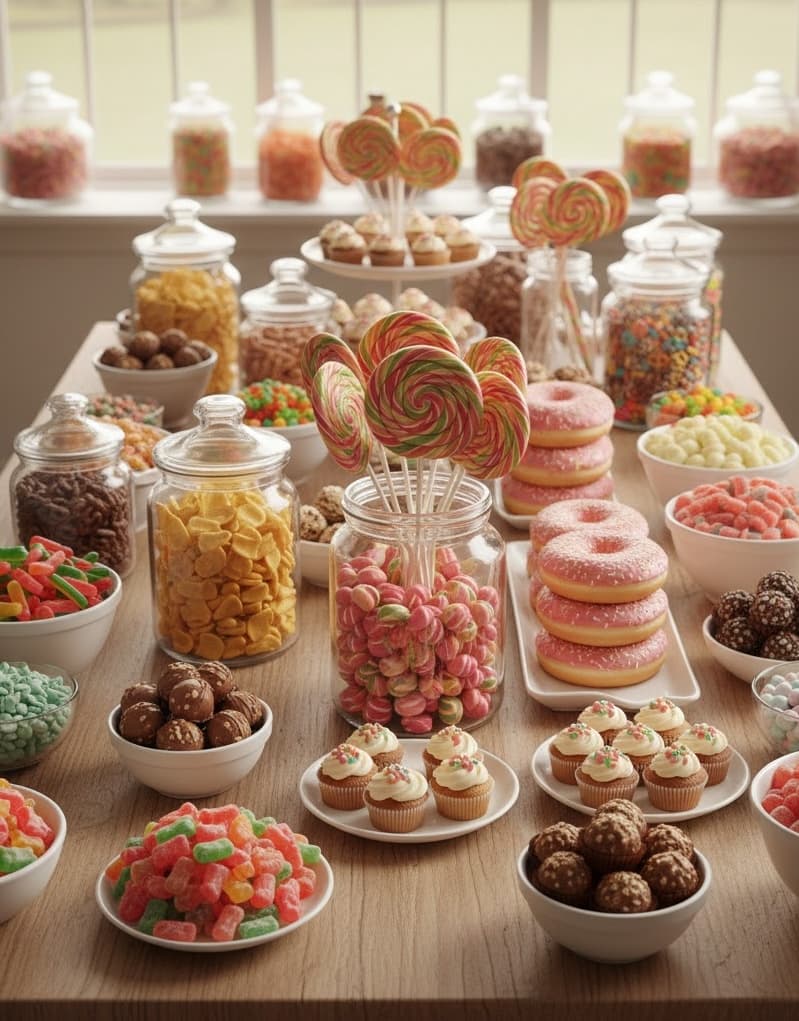
Candy used to be an impulse buy. Now, consumers stop and look twice to see what’s inside, where it’s from, and how it stacks up to clean label expectations.
The rise of mindful indulgence
Consumers still want treats, just not the guilt that sometimes follows. Smaller serving sizes, transparent labels, and recognizable ingredients help justify the purchase. Clean label confectionery feels premium when there’s nothing to hide. They look for organic, non-GMO, or allergen-aware claims because those signals build trust. One odd or synthetic-sounding ingredient, and the product quickly loses its chance.
Natural flavors and reduced sugar
Sugar-free is no longer enough. Reduced sugar combined with natural sweeteners is more appealing. Buyers want SKUs with ingredients they can understand without a dictionary. Packaging phrases like naturally flavored or no artificial colors help products stand out faster on shelves and move quicker in wholesale orders.
Premium packaging as a conversion trigger
Premium packaging drives commitment. Minimalist boxes, textured paper, reusable tins, these elevate the product instantly. People imagine gifting it, which means retailers imagine stocking more units. The treat feels special before anyone even tastes it. A clean, modern wrapper signals “better quality” without saying a word. In confectionery, the box often wins before the bite does.
Functional and wellness sweets
Candy that “does more” wins attention. Vitamin gummies, collagen chews, or chocolates with added probiotics give consumers permission to pick the sweet option without feeling careless. It blends indulgence with a practical benefit. Retail buyers love these because they appeal to different age groups, which also means repeat business that goes beyond just cravings.
Plant-based and allergen-friendly sweets
Vegan chocolate bars, gelatin-free gummies, and dairy-free fillings now anchor mainstream displays. These labels are quickly spotted by families with allergies and retailers notice the faster turnover. Clean label + inclusive ingredients = safer choice for more households. In 2026, plant-based won’t be just a specialty aisle item; it will be part of the core assortment.
Breakthroughs and Industry Shifts

The confectionery space in 2026 keeps changing faster than people expect. New ingredient ideas, different sourcing choices, and quicker manufacturing cycles quietly reshape which products make it to the shelf. And one small shift in process can affect an entire category.
Cleaner formulations are becoming the norm
People want ingredient lists that make sense. Because of that, more manufacturers are removing artificial colors and long chemical names. It’s not about appearing trendy — clean label confectionery is simply easier to trust. When a buyer flips the pack and sees words they recognize, the decision becomes easier. Shorter labels help products move faster across wholesale and retail.
Upcycled and sustainable ingredients are gaining attention
Instead of letting plant materials or fruit leftovers go to waste, some factories now turn them into confectionery ingredients. It reduces waste and creates new SKUs at the same time. Distributors like the angle because it supports sustainability goals without changing their entire process. On the trade floor, these products naturally attract questions as curiosity drives interest.
Faster product testing and flavor development
Flavor decisions used to involve long debates and endless samples. Now, teams use digital tools to try new combinations and test feedback before scaling up. It reduces risk and helps retailers see only ideas that already have traction. Less guessing, more evidence. Faster launches also mean assortments stay fresh, which matters in premium confectionery.
Flexible production and regional fulfillment hubs
Large, fixed production runs don’t work for every retailer anymore. Suppliers are shifting to smaller, more frequent batches so stores avoid sitting on slow inventory. Regional warehousing shortens delivery times and prevents delays from killing seasonal sales. A tighter supply chain also helps protect freshness, a detail that matters when positioning premium confectionery.
Packaging that earns the sale
The wrapper now plays as strong a role as the flavor. These are resealable pouches, recyclable films, and packaging that looks gift-ready without extra steps. When a product feels nice in the hand, people imagine giving it away, not just eating it. Retailers notice that these SKUs move quickly and hold higher price points without resistance.
Torg’s Top Picks of Confectionery Suppliers
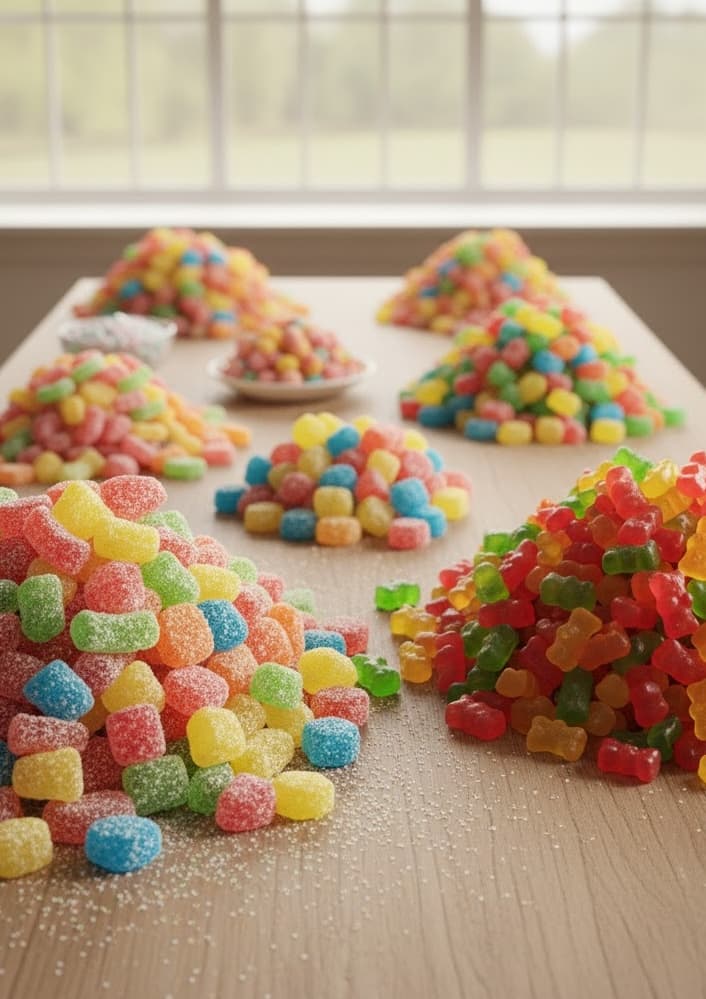
1. Reber Spezialitäten – Paul Reber GmbH & Co. KG (Germany)
Reber is known for their handmade confectionery. Their chocolates and pralines use classic recipes with carefully selected ingredients. Products like Mozart-Kugeln carry strong gifting potential, which explains why retailers keep them in seasonal and premium displays. The brand balances elegance and familiarity, making it easy for shoppers to understand what they’re buying and why it costs more.
2. TREFIN Candies & Chocolates (Belgium)
TREFIN focuses on hard candies, fudges, and chocolates made without artificial coloring. Their lineup fits well for private label, clean label assortments, or a simple premium mix on the shelf. Retailers appreciate the steady quality and clear ingredient lists. Seasonal options help rotate inventory through the year without complicating sourcing, and the flavor range works in multiple markets.
3. Gumlink Confectionery Company (Denmark)
Gumlink produces gummies, gum, and mints for private label programs. They offer filled gum, liquorice, bubble gum, and other custom formats, making them useful for retailers who need flexibility. Decades of industry experience show in their process — smooth communication, consistent output, and packaging options that help products stand out. They move fast and make development straightforward.
Conclusion
The next few years won’t be about making more candy. They’ll be about making better candy. Buyers are choosing products with clear ingredients, shorter lead times, and suppliers who communicate openly. Clean label confectionery and premium sweets aren’t trending; they’re becoming the baseline. What grows from here is variety like smaller batches, quicker reformulations, local production when possible. Those who keep strong supplier relationships and adapt quickly will lead. Buyers are no longer impressed by claims. They want proof and real quality behind every product. If a product delivers both taste and clarity, it wins.
Request a Bulk Order Quote
Simple ordering, transparent pricing, delivered straight to your door