



Pickles Market Growth: How Taste, Health, and Heritage Meet
Explore how the global pickles market is expanding, with growth driven by health-trends, heritage savoury flavour profiles and global supply chain shifts.
200+ buyers trust Torg for sourcing







Pickles have moved from being a simple side dish to a category that’s actually reshaping shelf decisions for buyers, retailers, distributors and wholesalers. The market is growing fast, and somehow it keeps pulling in both traditional flavours and modern health trends. You might even ask, “Why are pickles suddenly showing up in every product line?” They’ve turned into this interesting mix of flavour, comfort, and old-school traditions that people still reach for. And since demand keeps shifting, it makes sense to look at how these changes shape sourcing decisions, pricing pressure, and distribution moves. This guide gives you a clear view of the market signals, the consumer habits driving momentum, and the openings worth paying attention to next.
A Changing Landscape for a Classic Category
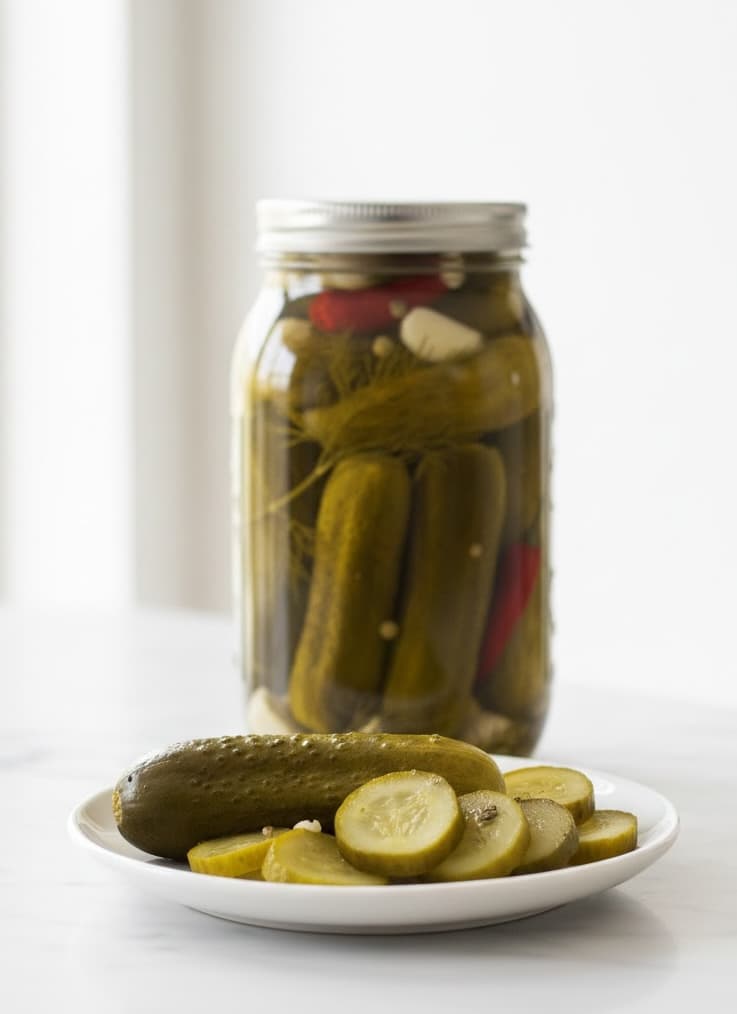
Pickles remain a steady, volume-driven category. By 2026, the global pickles market is expected to be valued at around USD 8.85 billion, and while growth is gradual, it adds up. A 2.4% CAGR through 2035 lifts the market to roughly USD 11.24 billion, reflecting consistent demand rather than rapid expansion.
Also, there’s no single “pickle category” anymore. What we have now is a collection of mini-segments that behave on their own clocks. Cucumbers follow agricultural cycles, fruit pickles lean on regional traditions, relishes move with foodservice demand, and fermented formats depend on cold-chain reliability. Even the new snack-style packs rotate faster. When every segment runs on its own rhythm, planning becomes a moving target.
Market Segmentation
By product type
- Vegetable pickles still take most of the share, which isn’t surprising since cucumbers, gherkins, and mixed vegetables dominate global production. But fruit-pickles, meat/seafood pickles, and gourmet relishes are gaining traction as retailers experiment with regional and ethnic flavours.
- A recent analysis highlights rising demand for fruit-based and mixed-flavour pickles in both retail and foodservice. This shift isn’t sudden but somewhat tied to consumers exploring new cuisines and wanting something that feels “authentic” without being complicated.
By packaging & distribution channel
- Jars may anchor the category, but they’re no longer the format shaping momentum. The real action is in lighter, flexible packaging. Pouches and snack-ready packs slip into places jars can’t: tight shelf layouts, mixed-SKU online bundles, and low-cost export routes. They move easily through e-commerce because smaller producers, especially those selling fermented or regional pickles, now treat online platforms as their main gateway to international buyers.
Regional Highlights
Asia-Pacific — production engine, recipe diversity
Asia-Pacific remains the centre of gravity for global pickle production, but the story isn’t just about volume anymore. The region acts like a manufacturing grid where farming, processing and export lines run almost year-round. China, India, Vietnam, and Sri Lanka anchor this network, supplying everything from bulk brined gherkins to fully finished jars that later get relabelled in Western markets. What’s interesting now is how quickly flavour trends move here. Spicy and region-specific mixes cycle in and out faster than in Europe or North America, and major cities are leaning heavily on e-commerce to push new variants before they hit traditional retail.
North America — revenue leader for some segments, trend driver
North America is a high-value market (strong premium and novelty demand). In the U.S., pickles have become a “flavour base” rather than just a condiment. Brands fold pickle profiles into chips, beverages, coatings, and even limited-run fast-food items. This crossover effect keeps demand unpredictable but exciting. It also nudges shoppers toward small-batch ferments and specialty jars where pricing is less sensitive and margins quietly climb.
Europe — big importer, quality & process standards matter
Europe is a major importer and high-value market for processed gherkins and pickled vegetables. Germany, Slovakia, and Turkey are important European suppliers, while processors in Germany and the UK import brined gherkins from Asia for further processing and value-add. Certification, heavy-metal testing, and consistent brine specs are common buyer requirements.
Middle East & Africa — access via non-traditional formats
Middle East demand is often served by imports and local producers using PET and jar formats. In Africa, urbanisation is expanding demand for affordable, shelf-stable pickles; local processors and regional brands are emerging. Expect thin margins but fast volume opportunities in FMCG channels.
Latin America — niche growth, local flavours rising
Latin America is increasingly open to premium and ethnic pickle variants, though most markets remain price-sensitive. RTD snack packs and local flavour combinations (spicy, citrusy relishes) can find traction in modern trade.
Supply Chain & Trade Flows Insights
The recent years are when the pickle supply chain feels a bit like navigating shifting tides. Nothing breaks completely, but everything moves just enough to force planning changes.
- Freight rates keep seesawing, and carriers point out that new vessel capacity won’t magically stabilise things. The market moves with demand spikes and sudden lulls.
- The April 2025 dip in U.S.–China cargo wasn’t a small wobble. When volumes slid 30–40%, it signaled that buyers were intentionally pulling back while they waited for tariff rules to settle. That pause didn’t stay confined to electronics or textiles either. It trickled straight into food inputs, stretching timelines for brined cucumbers, spices, jars, and even basic closures.
- The new U.S. tariff structure is reshaping packaging economics. A 10% universal tariff plus a 50% surcharge on aluminium cans is forcing suppliers to rethink which formats ship best. Even if you don’t use cans, cost spillover hits metal closures and logistics.
- Higher freight surcharges and port congestion are quietly pushing landed costs upward. Analysts estimate these pressures could raise consumer prices by about 0.6%, depending on route and format.
- Exports of vegetables and fruit jumped 8.3% in the first nine months of 2025. More global movement means more raw-material competition and tighter pricing for cucumbers, mangoes, spices and vinegar inputs.
- Producers are diversifying origins. Many processors are expanding local or near-market operations so they’re not held hostage by delays on long-haul shipping routes or sudden tariff decisions.
Put together, these signals imply that pickle sourcing hinges on the basics: tracking packaging inflation, monitoring freight swings weekly instead of monthly, mapping alternative shipping lanes, and keeping backup suppliers in multiple harvest zones. Basically, agility is the best shield this year.
What’s Shaping Pickle Demand?
Pickles keep climbing because they sit between comfort food and bold flavour. They fit into snacking, meal prep, fusion dishes, and wellness habits. When a product works in several eating moments, demand spreads quickly. That’s what is happening here: pickles somehow speak to nostalgia and experimentation at the same time, which gives them room to grow across channels.
Bold Flavour & Ethnic Appeal
Consumers want flavour with personality. Strong, tangy, spicy, garlic-heavy, or sweet-savory notes feel familiar yet exciting. Research points to pickle flavours gaining traction for their bold, nostalgic pull. For sourcing teams, this opens the door for region-specific spices, ethnic variants and blends that travel well across cuisines, creating more room for differentiated SKUs.
Health, Fermentation & Functional Benefits
Wellness trends are helping fermented and low-sodium pickles grow. Some shoppers view dill and fermented varieties as gut-supportive or lighter snack swaps. To position effectively, focus on SKUs with clear functional angles: probiotic cues, cleaner preservatives, minimal sodium. These details influence repeat purchases, especially in markets where label reading has become an everyday habit.
Convenience & Snack-Pairing Formats
Pickles now show up in single-serve jars, pouches, ready-to-eat cups and even pickle-flavoured chips. These formats work for lunchboxes, travel, and quick snacking. They also move faster in convenience channels. For sourcing, pack-size flexibility matters. Smaller units, mixed packs, and durable pouches help you match impulse buying, online sampling and multi-channel rotation.
Heritage, Craft, & Premiumisation
Craft-style pickles and heritage recipes gain attention because people associate them with quality. Clear jars, ingredient transparency, and small-batch cues build trust. These items might sell slower but often carry better margins. If you’re planning assortment structure, pair your core volume jars with select premium lines. This mix balances stable rotation with higher-value add-ons.
Where to Grow & Capture Value in Pickles
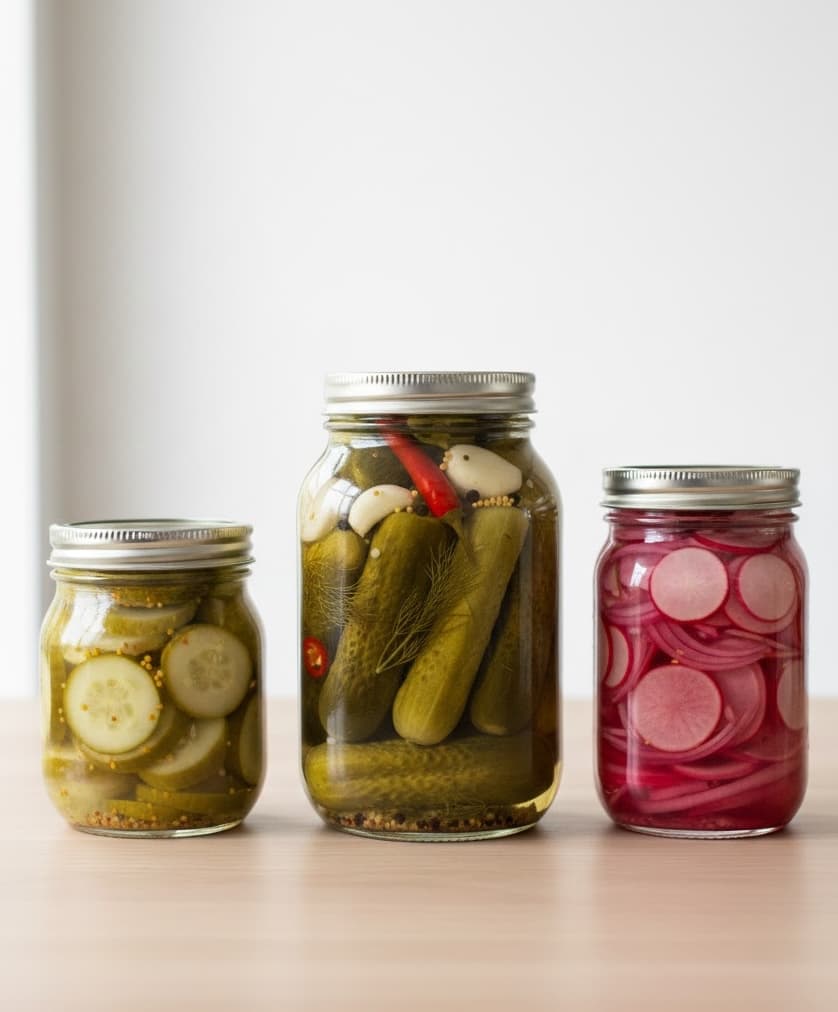
Growth isn’t coming from one lane anymore. It comes from understanding how people eat, what flavours they chase, and which formats actually move through retail. When a category spreads across snacking, meal prep and gifting, there are more ways to win. Here are practical openings that help you shape a smarter, more flexible pickle lineup.
Premium Flavour Ladders & Specialty Variants
Premiumisation works when flavours feel intentional. Fruit-infused pickles, chilli-forward blends, heritage-style recipes, and region-specific formats add margin and create shelf identity. They rotate slower than core SKUs but attract repeat buyers who want something different. For you, these SKUs help balance the portfolio, especially in specialty retail, gifting sets, deli counters, and curated online assortments.
Snack Packs, Single-Serves & On-the-Go Moments
Pickles are becoming quick snacks, not just condiments. Single-serve cups, pouches and small jars fit lunchboxes, office breaks, and travel. These formats also suit e-commerce trial packs and impulse zones. If you add these formats thoughtfully, rotation increases without overcommitting to heavy inventory. Essentially, snack formats help you reach new buying moments that didn’t exist before.
Cuisine-Driven Expansion in APAC & Latin America
Some markets naturally integrate pickled flavours into daily meals. APAC and Latin America show growing demand for spicy, tangy, fermented, or mixed-vegetable styles. Retail shelf expansion and e-commerce adoption in cities help these products scale. By aligning formats with regional taste cues, you tap into existing habits instead of forcing a new one. That lowers entry friction.
Sourcing Diversity & Ingredient Stability
Cucumber crops, spice prices, and packaging materials don’t behave consistently. The weather doesn’t ask for your permission. Neither do freight delays or tariff swings. Costs shift suddenly, and pickles feel it fast because the inputs are so specific. When you spread sourcing across several origins, you’re basically giving yourself room to breathe. It keeps production steady, even if one growing area hits a rough patch or a shipping lane slows without warning.
Health Positioning Through Clean-Label & Fermentation
Wellness-focused lines create new value layers. These newer SKUs don’t need to compete with the classic dill lineup. They fill a different lane entirely. When you present them with straightforward packaging and simple claims, they catch the eye of people looking for something lighter or “better-for-me,” while your long-time dill buyers stay right where they are. It becomes an easy way to widen the basket without reshaping the core.
Torg's Top Picks of Pickles Suppliers
UNIPICK FOODS PRIVATE LIMITED — India
Unipick works as a reliable source for gherkins and pickled vegetables, basically offering formats that fit bulk buyers and jar-led retail. They handle customised pack sizes, mixed veg salads, peppers, and cherry tomatoes. The appeal here is consistency and steady output, which somehow makes planning easier when demand shifts or you need quick replenishment.
ZHUCHENG YUANKANG FOOD CO., LTD. — China
Zhucheng Yuankang supplies fresh vegetables, sushi ginger, and assorted pickles with a focus on safe, clean processing. Their range suits both mainstream and specialty formats, which actually helps if you manage multiple channels. They maintain predictable quality for exports, giving you a dependable option when you need repeat orders without fuss or flavour drift.
PACIFIC PICKLE WORKS — USA
Pacific Pickle Works leans into bold flavour and seasonal produce, creating pickles with personality. Their California-driven spice blends, mixers, and gift packs work well for premium shelves or curated bundles. If you want SKUs that stand out visually and taste somewhat different from typical dill jars, this lineup adds variety without complicating sourcing.
Conclusion
The pickles category keeps moving because demand comes from different places at once. Some shoppers want heat, others want heritage, and some just want a clean, fermented option that feels good to eat. For sourcing teams, the game isn’t complicated, but it does require attention: stable origins, flexible pack formats, and flavour variety that actually matches local habits. Costs will shift, harvests will swing, and logistics will tighten now and then. But if you balance core jars with differentiated SKUs and keep your supply lines diversified, you stay ahead of the curve rather than reacting to it.
Request a Bulk Order Quote
Simple ordering, transparent pricing, delivered straight to your door