



Olive Oil Market Trends: 2025 Outlook & Future Insights
Explore the 2025 olive oil market forecast, price trends, and production insights. Learn how climate and demand shape the global industry.
200+ buyers trust Torg for sourcing







The olive oil market is a bit of a rollercoaster ride. Prices are going up and down, and farmers are still trying to bounce back from chaotic weather conditions. You may have seen bottles becoming pricier or occasionally unavailable. That's not coincidental. It has to do with world supply, particularly the Spain olive oil production projection, which greatly impacts the Europe olive oil market. Essentially, this year is on track to show a great deal about the direction of the business. From the latest olive oil market forecast 2025 stories right through to changing consumer behaviour in the UK and the world's extra virgin olive oil market, there's loads to talk about.
What's Driving Growth in the Global Olive Oil Market?
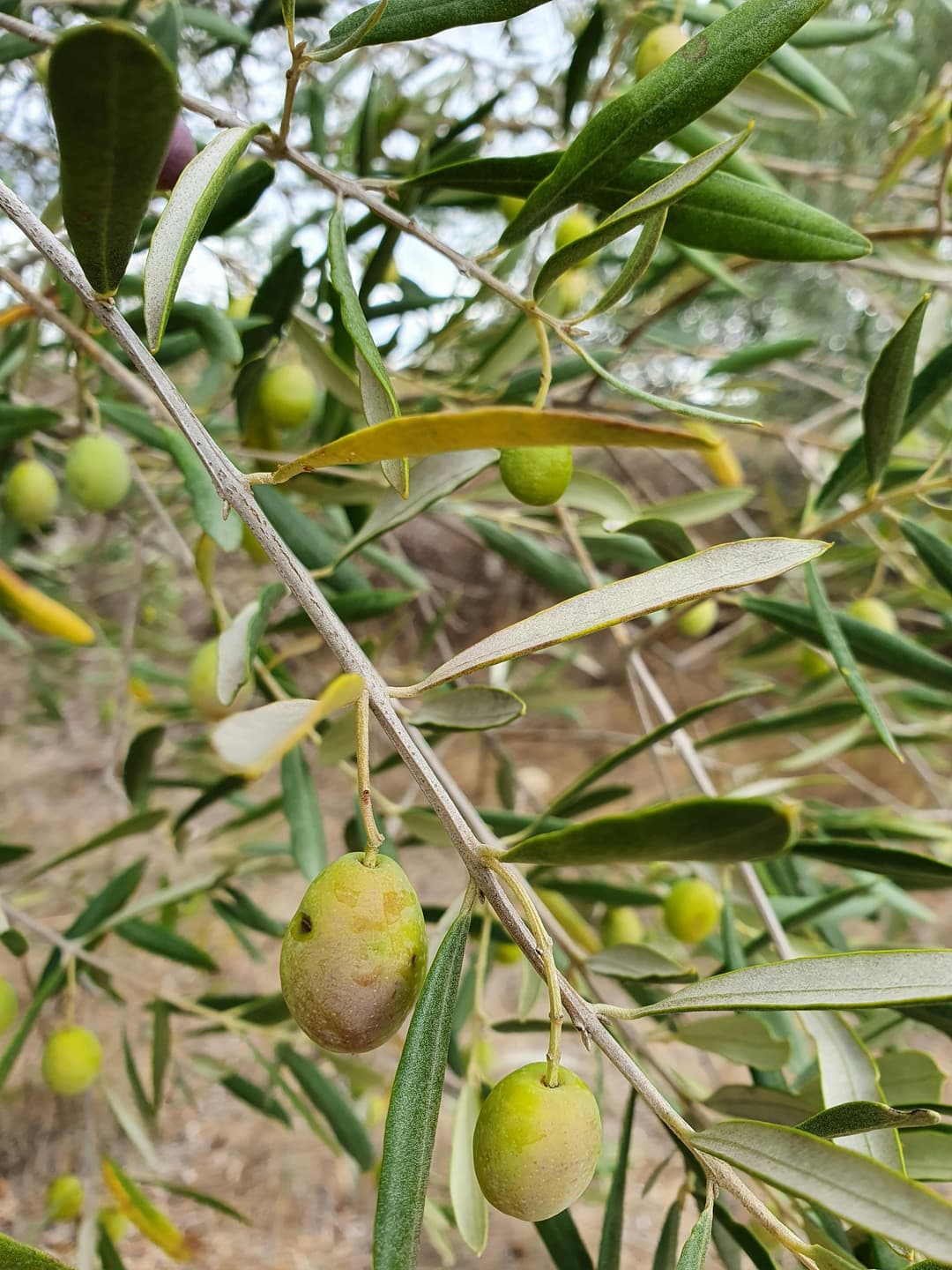
The olive oil industry of 2025 is changing faster than the majority expected. Prices have varied, demand has spread in directions other than the usual, and consumers are buying olive oil for uses other than cooking. So, what is driving all this activity?
Health and Lifestyle Tailwinds
Individuals are more aware today of what they consume. Essentially, olive oil has become the daily "healthy fat" everyone relies upon. The Mediterranean diet continues trending, and the olive oil industry trends continue to increase with it. Extra virgin olive oil, specifically, is perceived as pure and healthy for one's heart. Harvard Health Publishing verifies its robust antioxidant and anti-inflammatory properties.
Premiumization & Differentiation
Not all olive oils are created equal after all. Some brands have started bragging about their single-origin sources, their organic farming methods, or just a straight-up unique taste that sets them apart. And all that marketing hype does tend to justify the higher price point. People are still happy to splash out on the good stuff and it looks like demand for high-end olive oils just keeps on going from strength to strength. According to Fortune Business Insights, people are seeing a real demand for 'authenticity over cheap blends' and quality stories that really resonate.
Technology & Efficiency
Technology is transforming olive groves quietly. Precision irrigation, drone mapping, and automated mills assist producers in increasing production while reducing waste. In some way, this wave of technology is connecting old farming with new sustainability. Olive Oil Times recently covered how the technologies enhance yield and consistency, particularly for climate-stressed orchards.
Trade, Exchange Rates & Market Access
Olive oil prices don't just move independently. Exchange rates, shipping disruptions, and trade agreements are big players. When shipping costs increase, so do prices, as straightforward as that. Reuters illustrated how European exports change with the vagaries of world currencies, particularly when Spain is at the forefront of Mediterranean olive oil production rebounds. Trade makes or breaks margins.
Olive Oil Market Forecast: 2025–2030
The olive oil market is treading a very fine line these days, stable demand, fussy supply, and prices that refuse to remain constant. Experts are forecasting the global market to grow next year in 2025 but with some hitches. As for the numbers, The Business Research Company reckons that the olive oil market is looking to increase from around $12.86 billion in 2024 to a not-insignificant $13.49 billion by the end of 2025. Fortune Business Insights is a bit more optimistic though, predicting that it's going to hit $15.6 billion by the end of the year and could even reach a total of $19.77 billion by 2032.
Nevertheless, the olive oil price forecast 2025 isn't a wild ride. Deoleo, a giant of the industry, said prices could relax to somewhere around €5 a liter if the weather cooperates. Essentially, if Spain and Italy can have steady harvests, that would level out supply, but we all know how uncooperative the climate's been recently.
Peeking ahead of 2025, growth appears stable but precautionary. The European olive oil market is looking to expand at a not-too-shabby rate of 3.04% CAGR between 2025 & 2032. But slightly more optimistic folks over at Persistence Market Research think it might do even better. A 4.2% CAGR should take the market up to around USD 23.5 billion by 2032. Conservative estimates from IMARC Group put it at 3.82% CAGR until 2033.
In short, the takeaway is straightforward: growth exists but quantified. The long-term direction of the market hinges on the adjustment of olive oil production to climate strain, the outcome of Spain's harvest, and the balance of cost versus demand from global logistics. Consistent, but never boring, that is olive oil for you.
Key Regions Shaping the Market
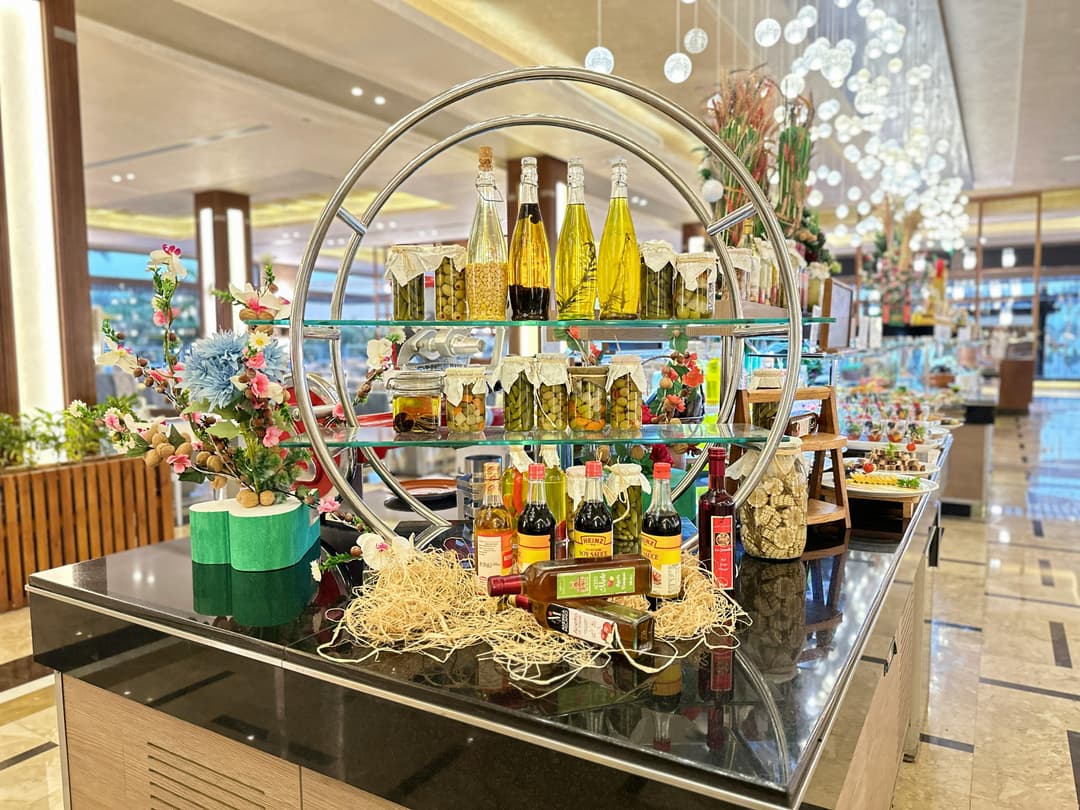
The olive oil market is not uniform around the globe. There are some regions setting the pace, some are quickly catching up, and some are just beginning to make their presence felt. Essentially, it's a worldwide network of producers and consumers influencing how the olive oil price and supply react. Let's divide and conquer where the action is truly taking place.
Europe: The Traditional Powerhouse
Europe has always been at the center of the olive oil universe. It's where it all begins and, in some way, where international trends flow out from. Spain, Italy, Greece, and Portugal continue to rule production, and that isn't changing anytime soon. The EU produced an estimated 2.1 million tons of olive oil during the 2024/25 crop year, with Spain producing 1.41 million tons alone, according to Certified Origins. That translates into Spain producing roughly 40% of all world production, which is huge.
The Spain olive oil production forecast for the future is quite rosy. Olive Oil Times stated that Spain may hit 1.6 million tons if weather remains accommodative. Reuters even quoted that the European Commission is expecting a broader EU recovery, especially following years of drought that strangled production.
Nevertheless, it's not all smooth sailing from here. Italy is reported to be having another year of patchy fortunes, with yields declining in some areas. Nonetheless, Europe remains ahead in world value, accounting for around 50% of global olive oil business in 2024. Spain, Italy, Greece, and Portugal collectively produce more than 60% of global production (Fortune Business Insights).
European demand has perhaps weakened slightly in mature markets but premium-grade olive oils and exports are maintaining healthy profits. End-consumers are moving towards quality and traceability, especially in regions that have a great focus on authenticity. In effect, Europe is very much in control.
United States: Surging Consumption & Imports
And now, the U.S. is a fun one. It's not a large producer, but it's fast becoming one of the largest consumer players. They're cooking with more olive oil over there and discarding the seed oils, and they're going for everything that's labeled as "extra virgin." In the US, the olive oil industry is expected to be a real dark horse, set to take off at a super fast pace of 8.14% CAGR during 2025-2033. It's a big jump from USD 2.99 billion in 2024, all the way up to USD 6.04 billion by 2033.
So, what's the reason for this surge? Simple things, really:
- Increased understanding of the Mediterranean diet
- Health trends embracing "good fats"
- The growth of flavored and organic oils
- Increased e-commerce and specialty retail landscape
Although it imports the majority of its supply, it's a market to keep an eye on. It's powering global demand for premium products and shaping olive oil price trends more than ever before. Essentially, what Americans purchase (and how much they will pay) impacts all corners of the world, from Spain's farmers to the UK extra virgin olive oil marketplace.
Asia & Latin America: Emerging Markets
Somehow, the love affair of Asia with olive oil is only just on the horizon. In nations like China, Japan, South Korea, and Southeast Asia, olive oil is still a luxury item, not an item that will be found in the pantry. But the tide is turning. Individuals are trying more Western dining, and restaurants are pushing awareness. It's all down to people having more disposable income and moving to cities, which is slowly but surely driving up demand.
And it's not just Europe or the US that's feeling the love for olive oil. Down in Latin America, things are really taking off. Countries like Brazil, Chile, and Argentina are not only consuming loads more olive oil, but they're also producing it like crazy. And with food TV, culinary tourism, and all those fancy restaurants cropping up everywhere, it's no surprise that olive oil sales are up.
Climate Change & Its Impact on Olive Oil Supply
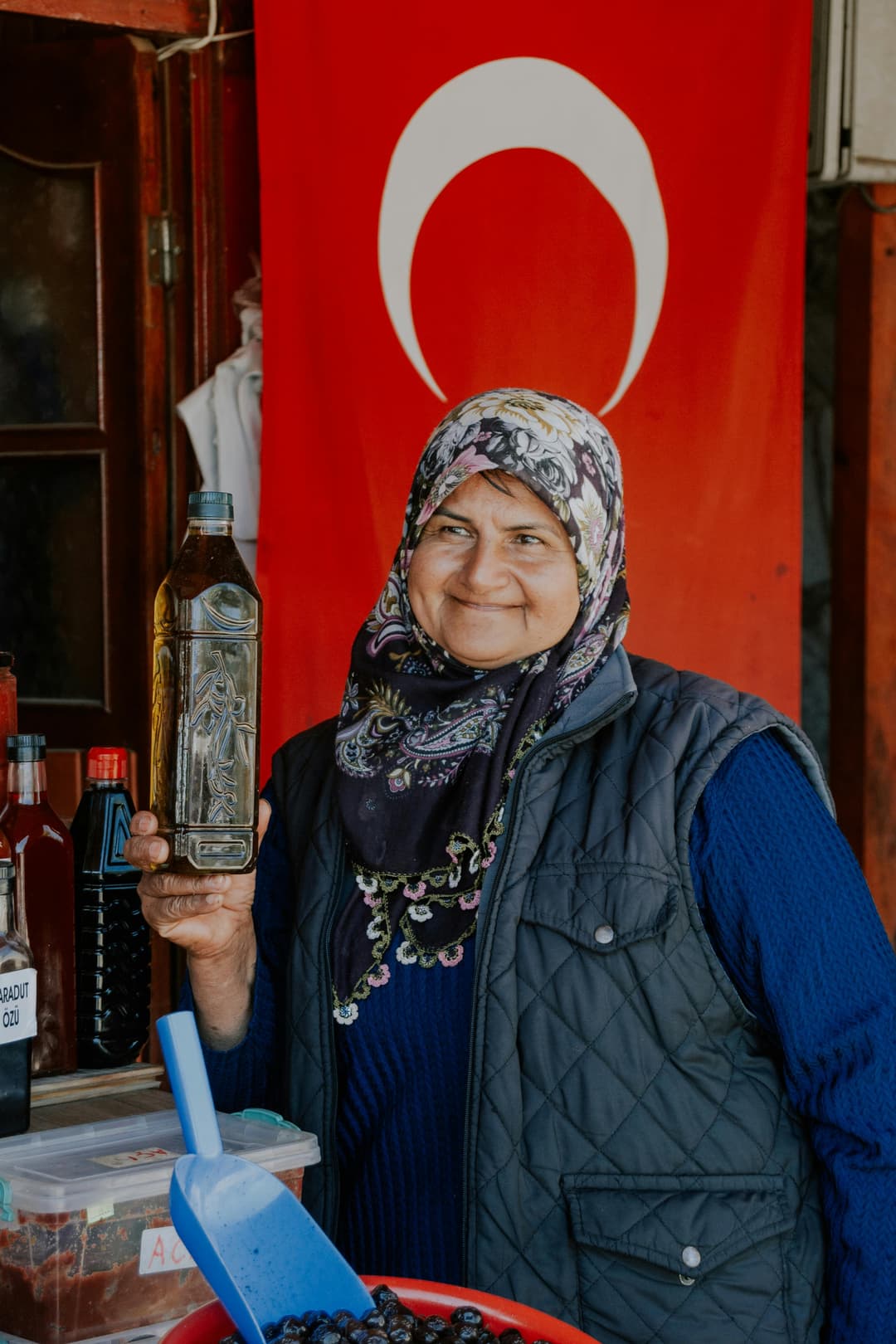
Climate has always been the biggest wild card in the story of olive oil production. It's not controllable, and lately, it's been merciless. The Mediterranean climate has been all over the board. Basically, the same regions that built the world's olive heritage now struggle to maintain it in the face of a rapidly unstable climate.
Droughts, Heatwaves & Extremes
The world can also expect a 10% drop in olive oil production for 2025/26, from 3.33 million tons to around 3.02 million tons, according to Olive Oil Times. For the EU market alone, production may drop to around 1.98 million tons from 2.079 million tons, an alarming signal that climatic issues aren't fading anytime soon.
And if those projections stand, anticipate the olive oil price per liter to remain buoyant or even rise. Demand for high-quality extra virgin grades may contract, making recovery more sluggish and costly.
Water Stress & Competition
Water shortage is becoming a serious business in the whole of the Mediterranean basin. Farmers are being compelled to take difficult decisions, supply irrigation to olive groves, or divert scarce water to alternative crops such as citrus or cereals. Some way or another, water is becoming a sort of "currency" in farming, where every drop matters.
Spain olive oil yield projection tends to rely on the efficiency of irrigation. One poor season of rains can slash yields by a significant margin. Spanish farmers are already changing by rolling in more intelligent irrigation systems and ground management practices.
Pest, Disease & Soil Health
There's another aspect of warming temperatures: diseases and pests. With warmer conditions, pestilence like the olive fruit fly has the potential to increase its range, active longer each year. This disrupts yield and quality. Soil also becomes impaired when rains become unseasonal, making trees ill and vulnerable.
Experts at the International Olive Council have been insisting on producers valuing biodiversity, soil renewal, and regenerative farming. Using drought-tolerant varieties, cover crops, and biological pest control may be able to partly mitigate these impacts. It is not perfect, but it is better than nothing.
Price Volatility & Supply Chain Disruptions
The price trends of olive oil in the past few years have been like a rollercoaster and that is not an overstatement at all. The prices climb up one season, plummet the next, and then bounce once again before people can even catch their breath. Basically, what we’re seeing is a mix of climate issues, market panic, and trade pressure all tangled together.
A Rollercoaster Past & Present
By mid 2024, the prices for EU olive oil exports were basically at €9.88 per kilogram, but then by February 2025, they'd plummeted all the way down to €6.68 per kilogram according to the good folks at Certified Origins. That's a gigantic variation in less than one year. Similarly, the non-EU export average value declined around 31.9% from last year to stand at €6.47 per kg. Extra virgin olive oil still maintained a narrow buffer of around €6.96 per kg, but even that was not spared for long.
At the same time, the International Olive Council (IOC) cited that the EU's Harmonised Index of Consumer Prices (HICP) for olive oil dipped 26% year-on-year in May 2025 That's consumer relief, or so it seems, really an indicator of weakening purchasing power and slowing demand. Premium oils, particularly those that are estate-bottled or organic, didn't decline quite so much, however. Apparently, once individuals develop a taste for quality, they won't easily change back.
Prices also differ widely by region. In Jaén, Spain, extra virgin olive oil fell significantly from last year (IOC). In Bari, Italy, prices were stubbornly stuck at nearly €950 per 100 kilogram, which was absolutely nothing short of amazing considering. In Chania, Greece, the price was a relatively more affordable €455 per 100 kilogram (a whopping 46% drop) while in Trás-os-Montes, Portugal, it's roughly the same, at about €400 per 100 kg. Now, you've got the same volatility root cause but completely different climates to deal with.
Contributing Risk Factors
Why do these price fluctuations persist? A number of moving pieces, to be honest:
- Weather is as always the biggest threat. From droughts to heatwaves, and even the occasional late frost that just manages to wipe out the entire Mediterranean olive crop. On top of that, shipping has been a right old nightmare, especially for those exporters relying on the completely clogged-up Mediterranean routes. They're basically stuck.
- Not to mention the currency fluctuations. When the Euro or Turkish lira suddenly goes wobbly, import costs can completely shift overnight without warning.
- Then of course you've got trade policy. Tariffs being slapped on or even complete export prohibitions can easily push prices right back up.
- Stock depletion—when reserves get low, markets panic quickly.
Simply put, anything that can rattle confidence, will.
The Olive Shortage Question
Individuals continue to ask: "Are we really running out of olive oil?" The answer is yes and no. There certainly is pressure. Local shops in Spanish markets have experienced bare shelves, and olive oil theft, yes you read it right, has skyrocketed. The Guardian even documented how price hikes made olive oil the most stolen supermarket product in 2024. Sounds absurd, but that's what happens when there is scarcity, cooking oil becomes liquid gold.
But a full-blown global olive shortage isn’t a huge possibility just yet. It really depends on how quickly growers are able to get their yields back under control and then how governments choose to manage imports, tariffs, and stocks on the 2025/26 crop.
For all in the business (growers to distributors) the message is clear: prepare for shocks. Employ forward contracts, flexible sourcing, and possibly even diversify across regions of suppliers. Supply chains that can recover quickly will weather these cycles best. Ultimately, volatility may be just part of the new beat of the olive oil market forecast 2025–2030.
Consumer Trends & Market Demand
Customer behaviour in the world of olive oil is shifting at a pace that's way faster than anyone ever anticipated. These days consumers are not just thinking about what's inside the bottle. They're also curious about where it came from & how it was actually made. Buying olive oil is no longer just a cooking habit , it's become a statement about the kind of lifestyle you lead. So lets take a closer look at what's driving this change
Health & Functional Claims
Olive oil is no longer just a pantry item, it's a "wellness oil." Consumers are drawn to high-polyphenol and heart-healthy claims for natural health benefits. Terms such as "cold-pressed" and "antioxidant-rich" are the marketing heavy-hitters in fitness-focused markets. According to Harvard Health, olive oil promotes heart health, which continues to drive demand on a worldwide basis.
Taste, Authenticity & Storytelling
In some way, consumers now purchase olive oil for its history as well as flavor. Prestige is accorded to certified origins (PDO, organic, or carbon-neutral). This is the case in the UK extra virgin olive oil market, where boutique brands are outperforming generic brands. Consumers believe they are worth paying extra for authenticity. Provenance, it seems, is flavor's new partner.
Packaging & Format Innovation
Packaging has become intelligent. Manufacturers are employing dark glass, tin, and nitrogen-flush bottles to preserve freshness. Compact bottles and refill designs suit contemporary lives, ideal for smaller families or gifting. Even single-serve sachets are popular. Fortune Business Insights identifies how this wave of innovation is subtly redefining premium perception in international olive oil sales.
Digital & Retail Channels
Browsing for olive oil on the internet used to be a bit unusual but now, its just one of the many normal ways to shop. Internet shopping & subscription services are making top notch oils from Italy, Spain, or Greece a lot more available. According to Statista, online olive oil sales have really taken off, especially from 2023 onwards. In essence, consumers desire convenience without sacrificing quality and digital spaces provide just that.
Value-Driven Buying
The olive oil price prediction 2025 continues to influence consumer behavior. When prices went up, most shifted to cheaper seed oils or blended products. Consumers are coming back slowly, however, as the supply steadies. Retailers that employ tiered pricing (price points: budget, mid-range, and premium) are experiencing improved loyalty. Customers simply desire fair value, not always the cheapest price, particularly in the present day olive oil market trends.
Private Labels vs. Artisanal Brands
As you scan supermarket shelves these days, you're likely to come across two vastly different worlds of olive oil. There are private labels which are cost-effective, consistent, and designed for scale. On one hand, you've got those fancy artisanal or boutique brands that are lovingly handcrafted and come with a very personal touch, although much on the pricier side.
Private labels take top marks on price and accessibility, while artisanal producers excel with story and trust. Both somehow service the same consumer but from absolutely distinct directions. The price of olive oil per liter may be vastly different, but the purpose of each bottle is what distinguishes it. The future? Somewhere in the middle, hybrid configurations that attempt to bring scale and authenticity together, where cooperatives or high-end lines in large retailers meet half way. It's no longer about either one beating the other; it's about how both respond to the evolving rhythm of the olive oil market forecast 2025 and the increasing demand for quality.
Private Labels: Scale, Control & Margin
Retailers are wise up. Rather than simply marketing olive oil, they're creating their own brands. That provides them with more control of costs, higher margins, and loyalty benefits. Vertical integration and bulk purchasing make private labels cost-effective, even in periods of olive scarcity. Here's the deal, though. Barring their differences, neither is actually competing based on price or how available they are. Rather, they're competing with each other in terms of how great they are.
Artisanal & Boutique Brands: Premium Identity
Artisanal producers play the long game. They emphasize quality, origin, and emotion. Stuff money can't scale. You see some olive oils going on about their single-estate sourced oils and the fact that they're a product of organic farming methods, while others claim to be a limited edition harvest. The premise here is that by emphasizing their passion and being up-front, they'll somehow appeal to consumers who still appreciate real authenticity in this world. It's a little strange, but somehow that human element never goes out of fashion in the gourmet food world.
Innovation in the Olive Oil Industry
Companies are now taking a more serious look at the facts, basing their decisions on real science, and investing in smarter farming gear to genuinely boost the amount of good oil they're making.
Agronomic & Production Innovation
Farmers are turning to those fancy drones, sensors in the soil, and all sorts of predictive maths to keep tabs on every drop of water and every ray of sunlight. When you're producing a crop that's prone to drought and all the challenges that come with it, the simplest way to stay afloat is to be more responsible with your water. Drought tolerant trees and innovative milling equipment are key. Olive Oil Times actually says these new methods are already revolutionising Mediterranean olive oil production.
Quality Assurance & Traceability
Transparency is no longer something you can just fudge. We all need to be able to see how a bottle of oil travels from the tree to the shelf. Technology like blockchain tracking, QR codes, & digital cert programs lets buyers see every stage of the process. And with Regulators getting more strict on standards fraud, QA & traceability should be a priority.
Alternative Uses & Diversification
Olive by-products are leading second lives. Such as olive leaf extract and pomace oil, which are showing up in cosmetics, supplements, and foodstuffs. According to Fortune Business Insights, diversification mitigates the volatility of olive oil prices. In some way, the sector's waste has become its new opportunity.
Packaging & Preservation
Olive oil producers are refocusing on packaging, from tin cans and oxygen-proof seals to dark glass and nitrogen-flushed systems to maintain oil freshness for longer. These modifications, however tiny, count. Certified Origins indicates how packaging technology improves shelf life and flavor quality directly.
Blending & Formulation
Blending is no longer cutting corners; it's becoming an art. Producers combine oils from various origins to achieve harmony of taste and price. The secret, clearly, is integrity. Consumers simply need to know what is inside their bottle. With the olive oil market outlook 2025-2030 emphasizing honesty, integrity could be the new luxury.
Final Thoughts
Olive oil market forecast 2025 presents an industry in transformation, robust but still evolving. Prices may ease a little, but production risks are not disappearing, particularly with climate uncertainty looming. Recovery in Spain will partly determine how the Europe olive oil market fares, while UK extra virgin olive oil market demand continues to drive premiums upwards. In the end, it's all a blend of resilience and prudence. Producers who remain agile, transparent, and creative will probably dominate the next chapter. And consumers? Each bottle contains a story (of land, weather, and effort) that's somehow more precious than ever.
Request a Bulk Order Quote
Simple ordering, transparent pricing, delivered straight to your door