



Che cos'è la due diligence del fornitore? Perché e quando è necessaria
Aprenda qué es la diligencia debida de los proveedores, por qué importa y cuándo usarla. Descubra cómo evaluar a los proveedores, reducir riesgos y garantizar el cumplimiento en las adquisiciones.

200+ acquirenti si fidano di Torg per l'approvvigionamento







All businesses depend on someone else. A software provider, a logistics provider, or perhaps a supplier keeping the factory operating. But what if that partner collapses or becomes dishonest? That's where vendor due diligence silently comes in. It's essentially your means of understanding who you're actually doing business with. Consider it a background check, but smarter and more organized.
If you work in procurement, risk management, or compliance, you'll care because third-party relationships make or break a business. In this article, we're going to break down what vendor due diligence really is, when and why you need it, and how to get it right without making a monster out of it. You will learn how to utilize a vendor due diligence checklist, establish a strong vendor vetting process, and maintain your vendor management process transparent and consistent.
What Is Vendor Due Diligence?
Vendor due diligence is the process of evaluating and verifying a third party before starting a business relationship. Think of it like inspecting a building’s foundation before construction — it ensures the partnership is strong, reliable, and risk-free.
In practical terms, vendor due diligence means researching how a vendor operates, whether they comply with laws and regulations, and if they can consistently deliver on their promises. It’s not only about financial stability, but also about ethics, data security, and overall credibility.
Why does this matter? If a vendor suddenly fails, goes bankrupt, or violates compliance standards, your company could face operational disruptions, financial losses, and reputational damage. Conducting vendor due diligence upfront helps you identify potential risks early, verify all vendor documentation, and perform comprehensive background checks.
Using a structured vendor due diligence checklist allows businesses to review performance history, financial reports, cybersecurity practices, and legal records. This proactive vetting process supports a transparent, compliant, and resilient vendor management system — minimizing surprises and ensuring long-term stability.
✨ Looking for verified, trustworthy suppliers? Torg helps buyers connect with pre-vetted, reliable vendors worldwide, making sourcing faster, safer, and more transparent. Start your next partnership with confidence — find verified suppliers on Torg today.
Differences Between Vendor and Supplier Due Diligence
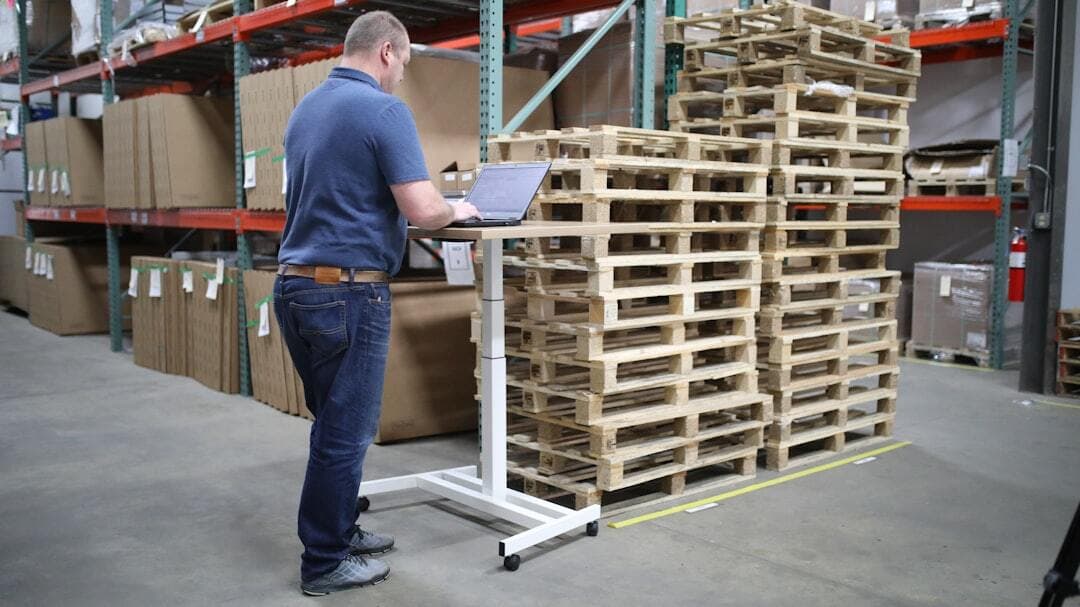
The main difference between vendor due diligence and supplier due diligence lies in their focus and purpose. Vendor due diligence assesses a third party’s overall business, financial, and compliance risks, often before partnerships or mergers. Supplier due diligence evaluates a supplier’s ability to deliver goods or services ethically and reliably, focusing on quality, sustainability, and supply chain integrity.
Vendor Due Diligence
When supply chain managers speak of a vendor, it generally signifies a third-party provider offering services, technology, or operations assistance, for example, SaaS providers, marketing agencies, or managed IT firms. Vendor due diligence in this case goes deep into vendor compliance, cybersecurity, and regulatory requirements. It's more about protection of data, performance reliability, and whether the partner has a place in your vendor management process. In essence, vendor risk management tends to be associated with systems, information, and extended service delivery.
Supplier Due Diligence
A supplier, however, is generally the one supplying goods, material, or components that continue to keep your operations or production flowing. So supplier due diligence is heavier on sourcing validation, ethical production, and supply chain traceability. You will consider such things as supplier verification, sustainability documentation, and supplier risk assessment. The supplier audit checklist may contain information on environmental compliance, working conditions, and logistics reliability. This kind of procurement due diligence prevents disruption and provides consistency of product quality and delivery.
So why is this important? Because the manner in which you evaluate risk should be commensurate with the nature of the relationship. A supplier shipping packaging materials won't have the same exposure as a vendor storing sensitive client information. That is why your vendor due diligence checklist and supplier due diligence checklist should never be the same. It's about streamlining the vendor due diligence process and supply chain risk assessment so you put your effort where it matters. Ultimately, both are under third party risk management, but the manner in which you manage them. That's where the subtlety exists.
Types of Vendor Due Diligence
Various vendors entail varying amounts of risk. That's simply the nature of business. Your vendor due diligence process, therefore, should never be static. You tailor it depending on how essential the vendor is, what they do, and how much risk they might introduce.
Basic Due Diligence
This is where you start. Treat it like your "just checking the basics" phase like identity, business registration, financials, insurance, and perhaps a few references. It's your routine vendor screening procedure you would apply to lower-risk vendors like office supplies or maintenance contractors. If they're not dealing with sensitive information or core systems, you can stay light. The vendor due diligence list is short here but still well-organized to ensure legitimacy and stability.
Enhanced Due Diligence (EDD)
And then, when a vendor is very critical, such as they take payments, hold client data, or are in the finance or healthcare sector, you dig deeper. This stage, referred to as Enhanced Due Diligence, involves a complete vendor background check, audits, on-site visits, cyber security assessments, and even vendor risk management assessments. You essentially want to know everything that can possibly go wrong before signing on the dotted line. It's a bit like searching under every rock, and yes, it does take time, but with high-risk vendors, it's well and truly worth it. This phase also fits with risk-based due diligence approaches that are expected by regulators.
Ongoing Due Diligence
Here's the thing, diligence doesn't end once you onboard. Vendors change. People resign, ownership shifts, and policies change. That's why continuous due diligence is important. It's a matter of constant vendor monitoring, performing regular checks, and identifying problems before they become serious issues. You track third party compliance, look at performance reports, and reclassify their risk level when needed. But it never ends just there. You continue to monitor just to ensure nothing's falling through the cracks. This section bolsters your whole vendor management solutions.
Thematic or ESG Due Diligence
This one's grown more important recently. Businesses increasingly expect their vendors and suppliers to fall in line with general ethical and environmental objectives. Therefore, ESG due diligence or ethical sourcing due diligence adds another piece to your analysis. You examine how vendors engage with their employees, manage waste, cut emissions, and respond to social issues. Several organizations also place vendor sustainability screening, anti-corruption risk assessment, and other similar audits under this category. Essentially, it's more than money, it's responsible business conduct.
Benefits of Vendor Due Diligence
Having a solid vendor due diligence framework in place provides some tangible advantages:
Identify and Manage Risks Early
Carrying out vendor due diligence early assists you in picking up small problems before they escalate into serious issues. You can detect financial instability, weak controls, or loopholes in compliance right away. In essence, it's a question of knowing where you are and where you have to make it right. This risk-based due diligence pre-empts surprises and creates room for better planning.
Avoid Costly Disruptions
One vendor error can derail your operations. Delays in delivery, data breaches, or failure in service? Those are more expensive than you imagine. With a proper vendor due diligence process, you reduce that risk. It’s more than just checking documents. You're safeguarding business, stabilizing supply chains, and ensuring that all vendors remain compliant.
Ensure Regulatory Compliance
Every company deals with regulations in one form or another. Doing proper vendor checks helps meet rules on data, corruption, and third-party conduct. It also leaves a clear paper trail when questions come up. In this manner, should regulators come knocking on your door, you've got the vendor documents and reports at hand to prove you've done your share.
Protect Sensitive Data and Systems
When a vendor is accessing your systems or data, you want to ensure that they are reliable. Vendor due diligence verifies their cybersecurity, compliance requirements, and their incident handling. It's like double-checking the locks on your door before handing over a spare key. Trust is important, but some prudence now will prevent much trouble later.
Support Ethical and Sustainable Sourcing

Firms now worry about where and how their partners conduct business. Through supplier due diligence and vendor due diligence, you ensure vendors adhere to ethical sourcing, ESG objectives, and ethical labor practices. This is not merely good PR. It is good business. It demonstrates responsibility, which customers and stakeholders do indeed observe these days.
Build Stronger, More Transparent Partnerships
By being serious about vendor due diligence, you're not just minimizing risk, you're establishing expectations. Vendors who become part of your due diligence checklist know your standards and value your trust. That transparency generates loyalty. Down the line, those vetted vendors become actual partners, rather than third parties on your payroll.
When Do You Need Vendor Due Diligence?
You don't always need aggressive due diligence on all vendors. But there are situations where skipping it would cost you, big time. So, when should you actually roll up your sleeves and get into a full vendor due diligence process?
- When you are bringing in a new vendor: Before you even engage with them, do your checks. Particularly if the vendor will be dealing with sensitive information, payments, or customer systems. That's your initial actual line of defense when onboarding vendors.
- When renewing or upsizing a contract: Perhaps the vendor's function just expanded, or they'll be dealing with confidential information now. That change equates to new risk. Review your vendor risk management checklist prior to signing again.
- When the vendor is crucial to business continuity: If losing them would disrupt your business, you require more intense scrutiny. This directly relates to business continuity planning and general vendor risk assessment.
- When the vendor is in high-risk industries: Take the example of cybersecurity, healthcare, finance, or government contracts. These have higher compliance needs. The greater the risk, the more stringent your third party vendor due diligence must be.
- When the vendor has cross-border exposure: It includes more steps when they operate in multiple countries or subcontract internationally. Cross-border verification might reveal data-handling risks or compliance shortcomings you might otherwise miss.
- When significant business changes take place: Mergers and acquisitions, new management, even unfavorable publicity can change a vendor's risk profile. Perform a vendor background check and revise their vendor documents in line with this.
- When regulations demand it: Vendor due diligence or third party risk management is legally required for some industries in ESG, anti-corruption, or sanctions legislation. So, you're not being paranoid, you're remaining compliant.
- When building a proactive control framework: Sometimes, you’re not reacting to risk, you’re planning ahead. Developing a risk-based due diligence policy, with vendor monitoring and vendor evaluation criteria, helps prevent surprises.
In short, whenever there is a change in how you rely on somebody outside your business (small or major) that's your signal. Do your vendor due diligence. It is effectively your safety net prior to trust becoming a risk.
The 7 Steps of Vendor Due Diligence
Having a good vendor due diligence process isn't all about paperwork for the sake of paperwork. It's a habit that keeps your company steady and in compliance. Each step counts because each vendor is different when it comes to risk levels. Here’s the due diligence process steps:
1. Vendor Identification and Pre-Screening
Begin small. Determine who the seller is, what they do, and where they are located. Also, verify their registration, ownership, and background. Do a quick internet search; occasionally that reveals more than you'd think. This is where risk-based due diligence begins, categorizing vendors as low, medium, or high risk. It allows you to concentrate resources where they are needed most.
2. Risk Assessment and Classification
Then there is vendor risk analysis. Here you pose the simple questions: how essential is this vendor to your business, and what level of access do they have to your systems or information? With clear vendor criteria for assessment, you are looking at financial, regulatory, and operational risks. For vendors identified as high-risk, you go into higher due diligence, a more intense review prior to any contract being signed.
3. Document Collection and Verification
Step 4 is regarding verifying information. Collect those key vendor documents like financial statements, business permits, insurance policies, and certifications like ISO 27001. Then confirm them. Don't immediately believe them when they just say so. Take the help of a vendor due diligence checklist to keep it organized. This isn't distrust; it's assurance that everything is okay before going further.
4. Background Checks and References
This stage adds more context to your vendor. Do your best to run a vendor or supplier background check to look for any red flags like lawsuits, sanctions, or compliance violations. You can also speak to past clients or partners to gauge their reliability. For critical vendors, a site visit or independent vendor audit might be worth it. You’d be surprised how many issues can surface with just a bit of extra digging.
5. Compliance Screening
Compliance screening brings it all together. In this, you ensure that the vendor abides by legal as well as ethical guidelines. This encompasses anti-corruption due diligence, data privacy screening, ESG due diligence, and trade sanctions screening. It is all included in third party due diligence, ensuring that they comply not just with regulations, but also with the principles of your company. In essence, you are posing the question: can this vendor maintain both the law and your reputation?
6. Onboarding and Approval
After you have finished checking and assessing the risks, it's the time for the decision. You can approve, reject, or approve subject to your conditions. In the event of approval, reflect your conclusions in the contract and add performance KPIs, vendor audit rights, and termination terms. Having done so, proceed to vendor onboarding where you bring them into your due diligence procurement and vendor management process. Performance monitoring and vendor compliance monitoring start from here.
7. Continuous Monitoring and Review
This is where most companies go wrong. Vendor monitoring doesn't just stop after onboarding. It's an ongoing process. You review performance reports, monitor compliance status, and double-check any changes in ownership or risk. Software like vendor due diligence software or vendor monitoring automation can assist you in this regard. This ongoing review helps vendor risk mitigation strategies and keeps your third party risk management framework robust.
Vendor Due Diligence Checklist
Here's a brief, simple list you can actually employ. Tailor it to your own environment, no two vendors are alike. Some of them will seem obvious, but will pay dividends in the long run.
- Company information: Confirm the legal name, ownership, address, and registration. Simple, yes, but essential for vendor validation.
- Financial check: Review statements, credit ratings, and solvency. Essentially, check if they can float before they capsize your supply chain.
- Reputation check: Look for any lawsuits, bad publicity, or shady reviews. Sometimes a quick search is more telling than an official vendor due diligence report.
- Insurance coverage: Verify liability, cyber, and professional indemnity insurance. If something blows up, literally or digitally, you'll be glad you inquired.
- Data privacy and information security: Verify their security policy, certifications, and history of breach. One bad password can cost you millions, and that's no joke.
- Compliance check: Check anti-corruption due diligence, sanctions screening, and labour or environmental compliance. Vendor compliance checklist is not a choice; it's protection.
- Operational capability: Assess service history, subcontractors, and business continuity plans. You don't need excuses when systems fail.
- Contractual terms: Consider exit provisions, service levels, and audit rights. Take this as your "escape hatch" in case something goes wrong.
- ESG and sustainability: Evaluate their environmental impact. Consider their ethical sourcing. This is now part of ethical sourcing due diligence and ESG due diligence.
- Monitoring plan: Establish the frequency of review, what prompts reassessment, and who escalates. Vendor monitoring does not happen just once. It's continuous.
And here's a suggestion: utilize a vendor due diligence questionnaire or vendor due diligence template to simplify matters. It streamlines your vendor documentation, ensures consistency, and helps you keep track of updates without the aid of a multitude of email threads.
Vendor Evaluation Criteria
When evaluating your vendors and suppliers, it is useful to have a good vendor evaluation criteria. You can keep it simple, practical, and realistic. Below are some is a criteria checklist that you can follow:
- Service criticality: Ask yourself, how much would things break if this vendor shut down tomorrow?
- Data sensitivity: Do they handle customer data, financial information, or access to the systems? If so, vendor due diligence is a must.
- Regulatory exposure: Find out if they fall under stiff regulation. Financial, healthcare, or cross-border services normally require more in-depth vendor due diligence.
- Financial stability: Are they reliable enough to perform? A quick vendor background check or vendor due diligence report enables you to spot the red flags.
- Operational reliability: Can they ramp up? Do they ship on time? Basically, are they good at showing up when things get messy?
- Security posture: Look at their cyber audits, controls, or certifications. One vulnerable vendor can get into your entire network.
- Compliance and ethical practices: See how they've performed on labour laws, ESG due diligence, and supplier compliance. Ethical sourcing due diligence says a lot about value creation in the long run.
- Geographic or concentration risk: If all your major vendors are based in one area, you're walking on a tightrope. Diversify.
- Governance and management: Who is truly calling the shots? Leadership transparency and vendor control framework are more important than you'd believe.
Apply these vendor assessment criteria every single time, particularly when onboarding vendors or verifying suppliers. It keeps decisions objective, reduces bias, and aligns with your broader vendor risk management program.
Key Risks in Vendor Relationships

No vendor relationship is completely risk-free. Awareness of potential supply chain risks guides how you organize your vendor due diligence and monitoring. It is usually the little cracks that end up doing the most harm. Which is why knowing potential risks early on is not only intelligent but a business survival tactic.
Financial Risks
A vendor might be financially strained, over-leveraged, or under the weather when it comes to getting paid late. In short, if they're low on cash, you could soon be low on inventory. Sudden insolvency or market shocks might well halt delivery overnight. That's why vendor due diligence and an effective vendor and supplier risk analysis are important, it informs you whether the vendor can really stand on their own two feet.
Compliance and Legal Risks
In reality, trade regulations shift faster than many vendors can adapt. One slip (whether in labor, environmental, or anti-corruption rules) can pull you into the mess. That’s why vendor due diligence and compliance screening matter more than ever. You're not merely ticking boxes; you're safeguarding your business from expensive, unnecessary blowback.
Operational Risks
And sometimes, things don't go right. Orders are received late, quality suffers, or someone remembers that they left the business continuity plan at their desk when disaster strikes. You can't do anything about everything, but with a good vendor due diligence checklist and adequate vendor onboarding, you at least minimize surprise. It's like securing the bolts before the machine is turned on.
Cybersecurity and Data Privacy Risks
If a vendor touches your data, their compromised password becomes yours. And when it does, the harm isn't just technical but very reputational as well. One breach can leak sensitive documents, customer files, and confidence. That's why vendor due diligence software and regular monitoring assist in detecting vulnerabilities before they become full-fledged crises.
Reputational Risks
Even when doing it, your vendor can be a reputation risk for you. Their ethics—or the lack thereof—can destroy your reputation. Think of them being discovered using forced labor or littering unlawfully. Folks won't mention their name first; they'll mention yours. Therefore, ethical sourcing due diligence and ESG due diligence are no longer a choice because doing either is your brand's silent armor.
Vendor Due Diligence Tools and Technology
Technology in a sense has really simplified vendor due diligence and vendor risk management. What would take weeks to do now can be done in minutes. You can centralize all the things, monitor the vendors in real time, and actually see risks before they explode in your face. Let's take apart a few tools that make this entire process easier and smarter.
Vendor Management Software
All these tools function as a single hub for all things from vendor data to compliance verifications, risk scores, and documents. In brief, they keep you from handling all the tedious spreadsheets or deadlines. With the proper and reliable vendor management software, you can monitor vendor performance, flag issues in real-time, and half the work that wasted your time before.
AI-Driven Compliance Screening
Some systems now employ AI to delve deeper such as scanning sanction lists, regulatory databases, and even news publications. It's like having an eternally vigilant detective. This captures red flags early in third-party due diligence or vendor screening when working with hundreds of vendors across geographies.
Continuous Monitoring Systems
Rather than waiting for quarterly check-ins, these systems monitor vendors all the time. You receive notices regarding data breaches, changes in ownership, or failure in compliance the moment they occur. This type of vendor monitoring provides your vendor risk management process with real-time visibility and enables continuous, risk-based due diligence.
Integration with Procurement and ERP Systems
When your due diligence process feeds directly into your procurement or ERP system, everything just works better. Vendor onboarding is now a no-brainer, vendor documentation associates with contracts, and compliance monitoring is seamlessly part of daily activities. It's more streamlined, quicker, and much less stressful handling vendor due diligence this way.
Challenges in Vendor Due Diligence
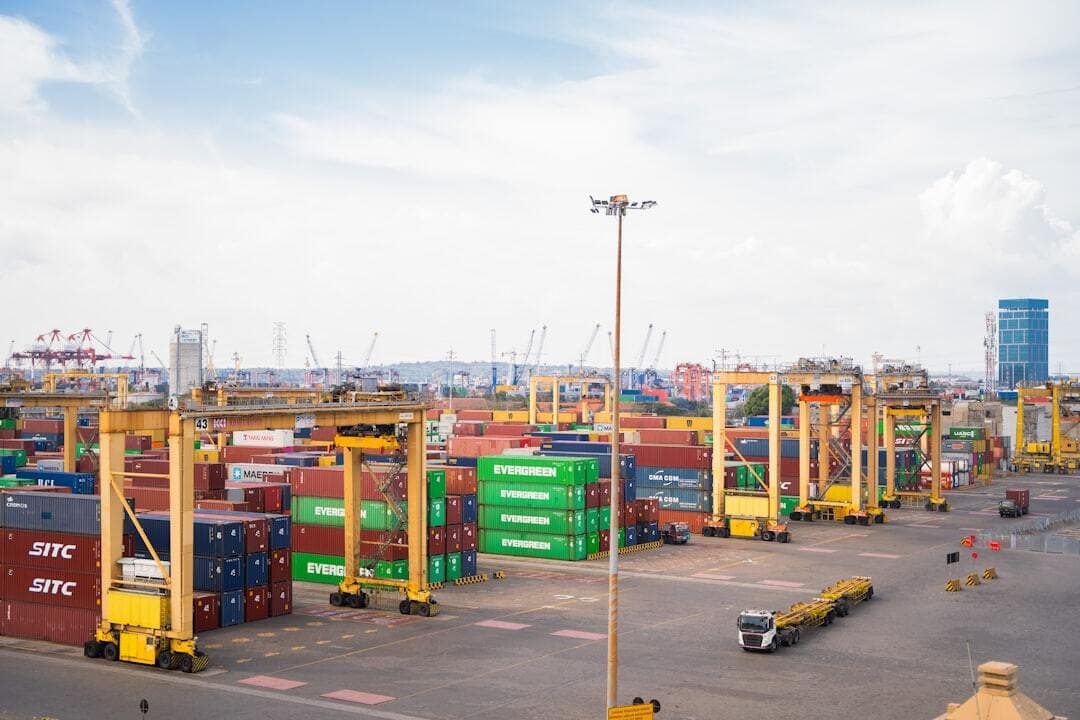
Creating a good vendor due diligence and vendor management process is easy on paper but not in real life. Things get messy with too many vendors, unclear data, shifting laws, and layers of paperwork. Below are the usual bumps you’ll face and, honestly, most teams deal with at least two or three of these every single day.
Limited Data Transparency
Some vendors simply remain vague about everything. They give you the good stuff and keep the bad stuff under their hat. Without complete visibility into subcontractors or control systems, your vendor screening and supplier audits are a shot in the dark. It's infuriating, actually. You find yourself chasing down missing documents and waiting for "internal approvals" that never materialize.
High Volume of Vendors and Manual Processes
When you’re managing hundreds of suppliers, manual work becomes your biggest headache. This is because spreadsheets, email trails, and checklists can really pile up quickly. It’s tiring and error-prone. Vendor onboarding slows, vendor due diligence reports get delayed, and consistency goes out the window. That’s why vendor due diligence automation is of extreme importance.
Evolving Regulations
Rules can change almost overnight. One year you’re extremely compliant, the next you’re panicking on what to do next. Data protection laws, ESG due diligence, and anti-corruption policies keep on expanding. And vendors that operate globally make it worse as each region has its own rules and customs. Keeping up with every single regulation across borders is tough, and sometimes even overwhelming.
Cross-Border Verification Complexities
Working with international vendors amounts to cracking a foreign language, literally. Papers differ, audits differ by standard, and checking ESG assertions or supplier compliance tends to take longer. You want to be diligent, but translation problems, cultural idiosyncrasies, and different data formats somehow decelerate the whole vendor due diligence exercise.
Best Practices for Vendor Due Diligence
Building a strong vendor management process is all about consistency. You simply desire something that actually works across departments, even when things get crazy. These vendor due diligence best practices bring your system down to earth, realistic, and flexible. Consider them your go-to routines for staying out of vendor risk and keeping compliance squeaky clean.
Implement a Standardized Due Diligence Policy
Begin with simplicity. A vendor due diligence policy needs to establish responsibilities, timelines, and review criteria. In effect, everyone needs to know exactly what's required before they even begin. When policies are uniform, decisions are more equitable and quick. It's not about red tape but having a good foundation that keeps vendor due diligence requirements consistent company-wide.
Prioritize High-Risk Vendors for Reviews
Not all vendors require the same amount of scrutiny. Some simply perform minor functions; others have your mission-critical systems under their control. Apply a risk-based model of due diligence so you can concentrate on the ones that can actually do serious damage if something goes awry. It's smarter, not harder work and clearly, conserving resources when possible.
Utilize a Combination of Manual Verification and Automation
Manual reviews pick up on the nuances that software may not, but automation accelerates everything else. The secret is equilibrium. Leave vendor due diligence software to do repetitive data pulls and vendor monitoring, and leave people to do context and judgment calls. Somehow that combination just makes the whole vendor compliance process go more smoothly.
Keep Documentation Centralized and Up-to-Date
Everything from vendor due diligence reports to audit findings should be in one easy-to-access repository. It's easier when someone requests evidence during audits. Old or misplaced files create chaos. Keeping vendor documentation updated guarantees that at any moment, anyone can trace decisions without digging through a labyrinth of folders and emails.
Train Staff Regularly on Compliance and Ethics
Even the best vendor due diligence checklist won't work if the people who have to put it into practice aren't confident and consistent. Regular training brings everyone on board as to why compliance is extremely important in your business. Emphasize topics such as anti-corruption due diligence, third-party risk management, and ESG standards. If individuals understand the "why," they are far more likely to get it right.
Align Due Diligence with ESG and Corporate Governance Goals
ESG objectives and vendor compliance have to align. Ethical sourcing due diligence, vetting against anti-bribery risks, and audits for sustainability are not bolt-ons. They're necessities now. If your business says it cares about integrity or the planet, these audits demonstrate it. Essentially, good vendor due diligence is good for not only compliance, but your brand reputation overall.
Regulatory and Legal Frameworks
Vendor due diligence doesn’t exist in isolation. It comes with laws that keep businesses accountable. Be it anti-corruption, data privacy, or ESG compliance, regulations push companies to look deeper into vendor relationships. Ignoring them isn’t an option. Basically, the goal is to stay compliant, transparent, and ready to prove you’ve done your homework when it counts.
Anti-Bribery and Corruption
Each nation has a playbook of its own, but the playbook reduces to all being about honesty. Legislation such as the UK Bribery Act or the US FCPA require you to know precisely who you're paying and why. When conducting vendor due diligence, look for anti-corruption controls, vendor background checks, and clear payment records, it's how you avoid dirty headlines.
Sanctions and Trade Controls
Cross-border transactions are a thrill until you strike a sanctions list. Sellers are not hard to get tangled in trade restrictions unintentionally, and that's on you too. So, add trade compliance and sanctions screening to your vendor due diligence. Essentially, it's about ensuring your seller isn't selling where they shouldn't.
Data Protection
When a vendor gets access to your customer or employee data, they're basically taking your reputation hostage. That's why regulations like GDPR require strict controls, so always analyze how vendors store, process, and transfer data. If possible, examine their incident history and privacy policies. If they can't explain it clearly, that's already a red flag.
Environmental and Social Compliance
New supply chain regulations now concentrate on more than profits, they consider ethics as well. Companies have to make sure that their suppliers adopt fair labor practices, reduce environmental harm, and are compliant with ESG. Your vendor due diligence, therefore, must include human rights, waste management, and sustainability in general. Clearly, responsibility extends way beyond contracts these days.
Vendor Due Diligence in ESG and Sustainability
In 2025, ESG due diligence will become inseparable from vendor due diligence. The two now move together because how a supplier operates—socially, environmentally, and ethically—directly affects your own risk exposure. A vendor might have great pricing or fast delivery, but if they violate labour laws, dump waste illegally, or falsify data, you’re the one sharing that liability. The damage isn’t just financial; it spreads through public trust, reputation, and regulatory compliance.
Doing a vendor sustainability assessment means going beyond basic paperwork. You’re looking into how they source materials, manage emissions, treat employees, and disclose performance data. Some vendors will be upfront, others less so, but honesty and accountability matter more than flawless ESG scores. Transparency is, somehow, the new mark of credibility.
As you create your vendor due diligence checklist, keep ESG there for good. Pose clear, actionable questions regarding ethical sourcing, compliance by suppliers, environmental stewardship, and governance procedures. Essentially, do you want to know if this vendor shares your values, is compliant with ESG due diligence, and grasps sustainable growth isn't just a policy but is good business.
Conclusion
Vendor due diligence isn’t just a formality but your actual safeguard and protection. It’s how you make sure that the people and companies you rely on won’t compromise your operations, your data, or your reputation. Basically, it’s that quiet but firm way of saying, “We trust, but we double-check.” A solid vendor due diligence process—complete with vendor compliance checks, vendor risk management, and regular monitoring—keeps your supply chain grounded even when the market feels unpredictable.
As technology advances and ESG due diligence becomes part of everyday business, the meaning of due diligence has shifted. It’s less about paperwork now and more about building strong, risk-aware partnerships. When you take the vendor selection process seriously, you’re not just following rules, you’re setting a higher standard. Being careful, evidently, is just smart business today.
Richiedi preventivo per ordine all'ingrosso
Ordine semplice, prezzi trasparenti, consegnato direttamente a casa tua