



Gluten-Free Snacks Market: Demand for Better Ingredients
Explore the booming gluten‐free snacks market: demand for better ingredients, growth forecasts to 2030, consumer shifts, innovations, and opportunities.
200+ acquirenti si fidano di Torg per l'approvvigionamento







The gluten-free snacks market isn’t a random trend as buyers, retailers, distributors, and wholesalers are seeing real movement. And people aren’t just skipping gluten anymore. Now, they’re going for snacks with better ingredients. cleaner labels, better sourcing, and actual flavour. The shift is pushing suppliers to rethink formulations and tighten supply chains. And yes, it’s creating new sourcing challenges: MOQ variations, ingredient availability, freight costs, all of that. The good part? Demand is strong and still climbing. This article breaks down market size, growth projections, ingredient innovation and how sourcing platforms like Torg help you find gluten-free snack suppliers without doing a wild goose chase.
Gluten-Free Snacks Market Overview
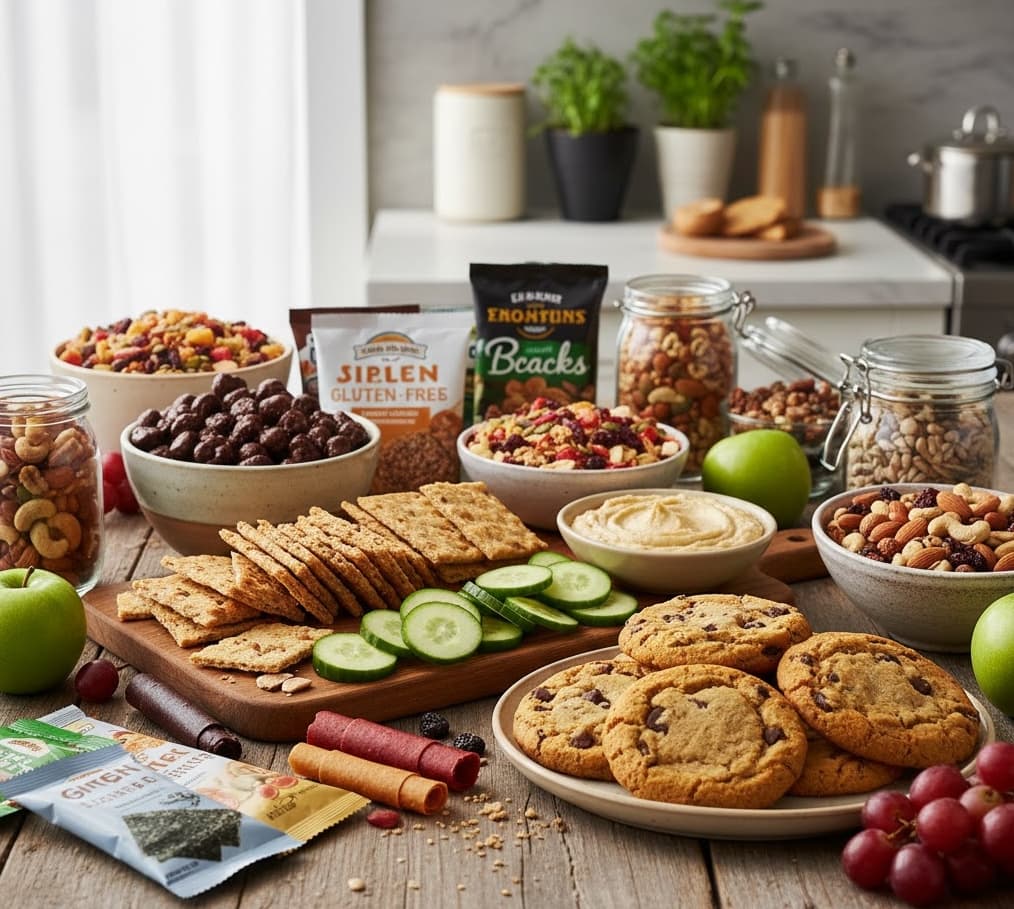
The gluten free food market is no longer a niche shelf tucked away in specialty stores. In 2025, it reached USD 14.28 billion, and the pace since then tells a different story, moving to USD 15.71 billion in 2026 and tracking toward roughly USD 37.04 billion by 2035, a solid 10% CAGR along the way.
Why the lift? Part of it is medical reality. More people are diagnosed with celiac disease, while many others recognize gluten sensitivity through trial, error, and lived experience. At the same time, eating habits are shifting. Shoppers scan labels, ask questions, and look for food that feels lighter, safer, and easier to trust. “Does this work for me?” is now a common thought on the shelf. As awareness spreads, gluten free options move from replacement foods to everyday choices, reshaping how brands plan, price, and grow.

Market Segmentation
Segmentation isn’t just a marketing term here—it directly affects margins, MOQ planning, and inventory turnover. How gluten-free snacks move depends heavily on format + channel.
By product type:
- nutrition bars
- candy bars
- nuts & snack mixes
- salty snacks (chips, puffs, popped sorghum, etc.)
By distribution channel:
- supermarkets / hypermarkets
- specialty & health stores
- convenience stores
- e-commerce (fastest-growing channel)
According to Grand View Research, gluten-free products sold online are expected to grow at ~11% CAGR during the period of 2025–2030, driven by subscription boxes, DTC brands, and marketplaces.
By consumer group:
- Millennials, Gen X, Boomers-each segment responds to different snack formats and flavors.
But then, not every gluten-free snack belongs in every channel.
A salty gluten-free puff may scale in supermarkets. But a clean-label protein bar fits better into convenience stores or e-commerce, where shoppers are willing to pay more per unit. SKU placement, case pack sizing, and lead-time planning still depends on where the product lands.
So instead of pushing every single SKU into every channel, the winning play is selecting the channel where that product would naturally perform. Matching the snack format to the retail environment protects margins and reduces dead stock.
Regional Insights
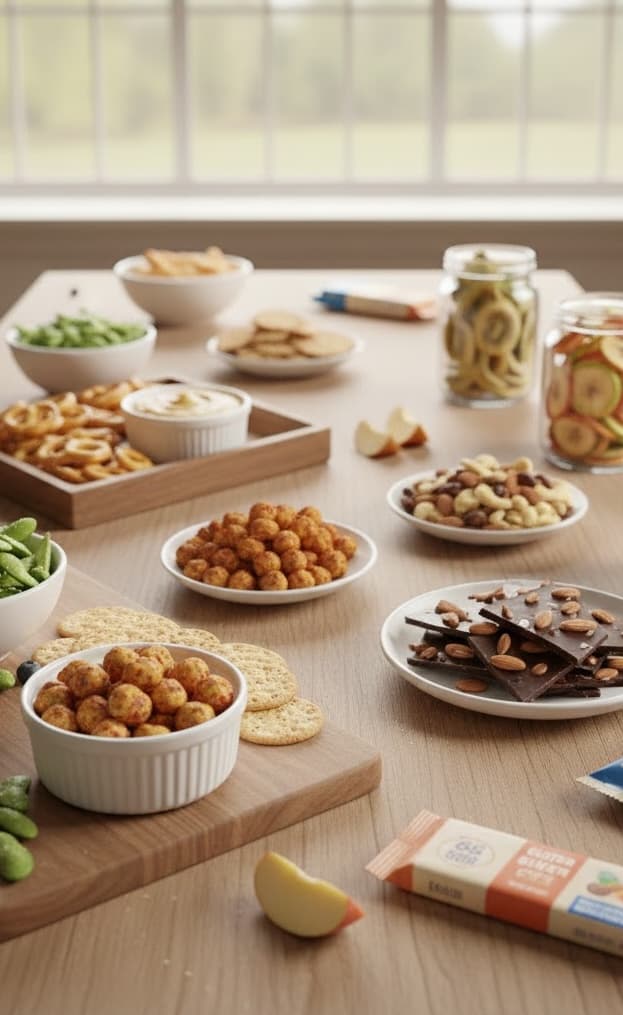
Supply availability, ingredient sourcing, retail maturity, and certification rules all enter into how easy-or difficult-it is to move gluten-free snack products across borders.
North America — Predictable demand and strong pull from retailers
North America continues to act more like a pull market than a push market. At the retail and club store levels, Costco and Walmart among others, continue to expand shelf space for gluten-free snacks- particularly those with cleaner labels or featuring alternative grains.
In North America, gluten free food has moved into the everyday shopping cart, not just the “special diet” aisle. The market reached USD 5.14 billion in 2025, steps up to USD 5.66 billion in 2026, and keeps climbing toward about USD 13.33 billion by 2035, holding a steady 10% CAGR.
What drives this?
- Consumers are already educated about gluten intolerance.
- Retailers know gluten-free moves, so they make room for it.
- Importers are bringing in niche snack formats like popped sorghum and chickpea puffs.
For distributors, the region of North America demands stable supply, strong certification, and the ability to scale. It's less about introducing gluten-free and more about optimizing which type.
Europe — Compliance-heavy but high-margin opportunities
Europe is different. It's not just a case of selling; it's a case of qualifying to sell there. The EU is particularly strict with its allergen management, and gluten-free claims should have ≤20 ppm gluten thresholds. Documentation, traceability, and ingredient proof are what matter.
According to Grand View Research, gluten-free products in Europe will grow at a ~10.2% CAGR from 2025-2030.
Today, buyers in Europe outsource gluten-free snack production to low-cost ingredient origins, such as chickpea-based snacks from South America or sorghum-based chips from India, while keeping packaging and compliance in-region.
For distributors, Europe rewards brands with:
- clean ingredient stories,
- accurate allergen control,
- solid certifications.
Margins can be higher here, but entry requires precision.
Asia-Pacific — Fast growth and import-friendly
Asia-Pacific isn’t waiting for local production to catch up. It imports aggressively to meet rising demand. Grand View Research projects the region to grow at ~11.1% CAGR from 2025–2030, the fastest globally.
Growth in this region coming from:
- gluten awareness tied to digestion and wellness,
- the surge of online marketplaces like Shopee, Lazada, JD, and Tmall (where gluten-free snack listings have noticeably multiplied),
- younger shoppers exploring Western snack formats.
In APAC, gluten-free is still perceived as premium—and importers don’t always require massive MOQs, which makes it attractive for emerging brands looking to test international expansion without overcommitting production.
For distributors, APAC is a testing ground: small batches + fast online validation.
Trade & Supply-Chain Dynamics
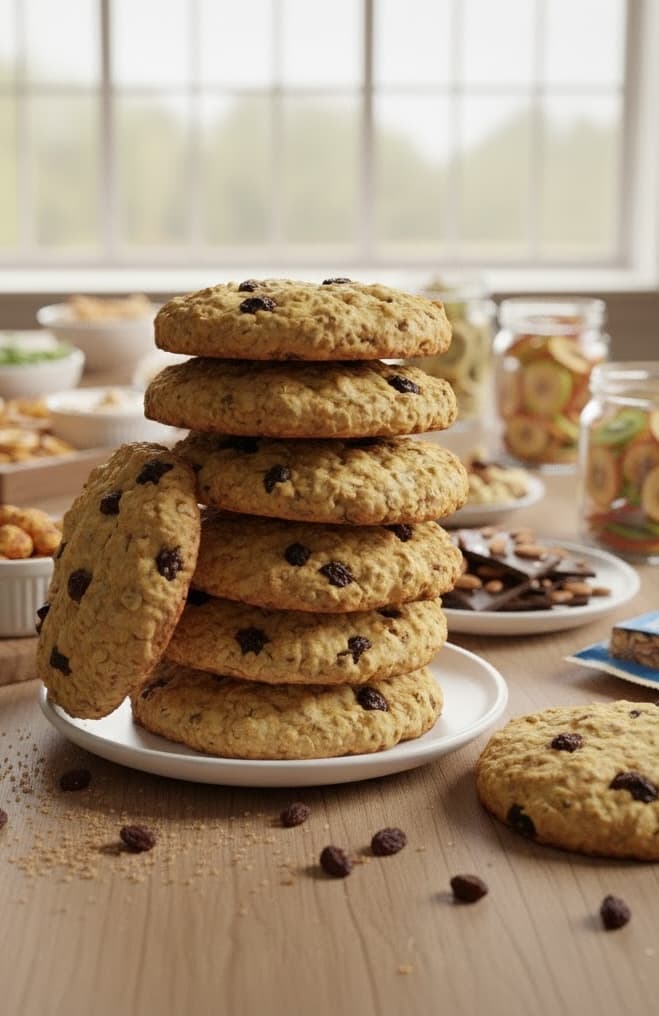
Sourcing gluten-free snacks globally does not consist of just finding a product that says "gluten-free" on its label anymore. In 2026, buyers and distributors are dealing with supply, compliance, ingredient shifts, and export rules all at once.
1. Certification & Label Rules
Every region defines “gluten-free” differently, so one label does not automatically translate across borders.
- In the U.S., FDA rules require gluten-free products to contain <20 ppm gluten.
- In the EU, the limit is also 20 ppm, with a separate “very low gluten” category up to 100 ppm.
- Singapore updated food label standards in January 2025 to align more closely with global GF rules.
Certification marks like GFCO are becoming the safety check many buyers look for when importing.
And something worth noting is that “made without gluten ingredients” is not the same as “certified gluten-free.” That only means cross-contamination risk still exists.
2. Ingredient Sourcing (Alternative Flours Are Changing Cost Structures)
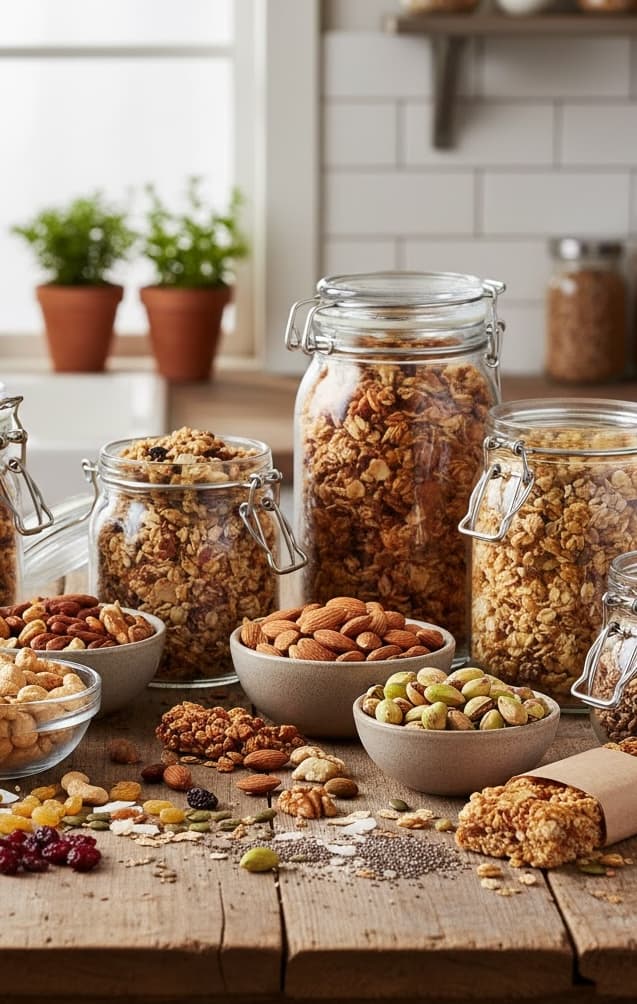
Ingredient choices affect where production can happen. More and more manufacturers are using rice, quinoa, sorghum, and chickpea flours.
- Because of stable availability and low allergen risk, rice flours are becoming the safer choice.
- The alternative flour market is expected to grow from USD 6.09B in 2025 to USD 10.85B in 2034.
So where's the shift? Latin America and some parts of Asia can source these crops cheaper, giving them an advantage for the production of private-label snacks. FoodNavigator recently highlighted the fact that consumers still pay more for gluten-free snacks, meaning ingredient quality does count.
3. Faster Lead Times (But Higher MOQ Pressure)
The logistics are better compared to 2022–2023, but not perfect. Shorter lead times allow distributors to rotate SKUs more frequently; however, some suppliers push for higher MOQs in order to keep alternative flour production efficient.
4. Cross-Border E-Commerce & Export Growth
A gluten-free snack produced in Europe can now enter Southeast Asia via Shopee or Lazada without setting foot in a physical store. “Import first, scale later” is becoming the playbook.
Gluten-free product growth spans Americas, Europe, Asia-Pacific, and Middle East & Africa, with North America and Europe leading exports.
Meanwhile, emerging markets are not waiting—local manufacturing is improving, reducing the price advantage of imported snacks.
Shifts in Consumer Demand & Snack Preferences
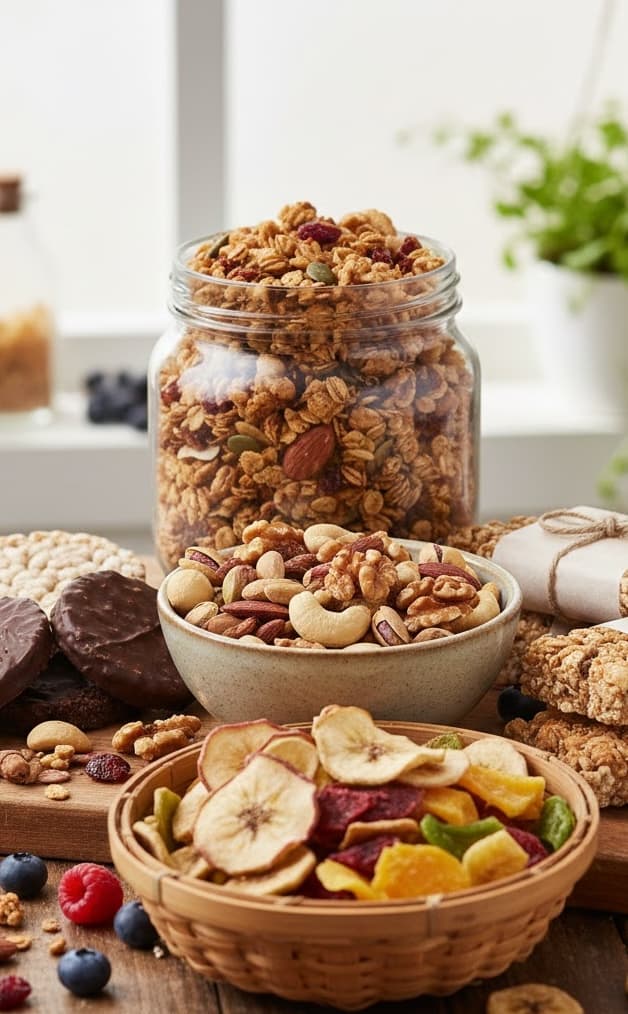
As gluten-free snacks become mainstream, consumer demand is no longer strictly about dietary needs. Buyers and distributors are observing that people simply want products that feel cleaner, are great to taste, and can fit into real life, not strict rules.
Health, wellness and ingredient transparency
Retailers are seeing a pattern: shoppers don’t only search for “gluten-free,” they look for clean ingredients and simple formulas. They read labels. They check if the flour is quinoa, chickpea, or sorghum. Reports from Associated Coffee indicate that grain-free and seed-oil-free snacks are gaining attention. Better ingredients bring repeat purchases, not just allergen avoidance from regular shoppers as they compare options.
Demand for convenience and on-the-go formats
Convenience drives many purchases. People grab gluten-free snacks that travel well: bars, mini chip bags, nut mixes. A ScienceDirect study even created a functional bar using quinoa and amaranth. Smaller packs move faster in offices, travel retail, and vending. For retailers, this means stocking flexible case sizes and planning inventory for quick rotation across multiple channels each sales season. Period.
Wider appeal beyond medical necessity
Gluten-free used to be for celiac or intolerance needs, but now, the target market is much broader. Wellness buyers opt for gluten-free for digestion, eating clean, or a plant-focused diet. Sources from TowardsFNB note lifestyle-driven purchases rising. Retailers should place gluten-free snacks near active-lifestyle, protein, or better-for-you areas, not just in allergy corners to increase visibility and drive impulse purchases more often.
Ingredient innovation & flavour experience
Taste still wins. People expect gluten-free snacks to have texture and flavour that compete with regular chips or bars. Reports from Associated Coffee mention nostalgic flavours and bold blends trending. Distributors benefit when a product isn’t just gluten-free—it actually tastes good. Premium ingredients justify better margins and make the product easier to secure placement across different retail shelves and channels.
Growth Levers & Strategic Opportunities
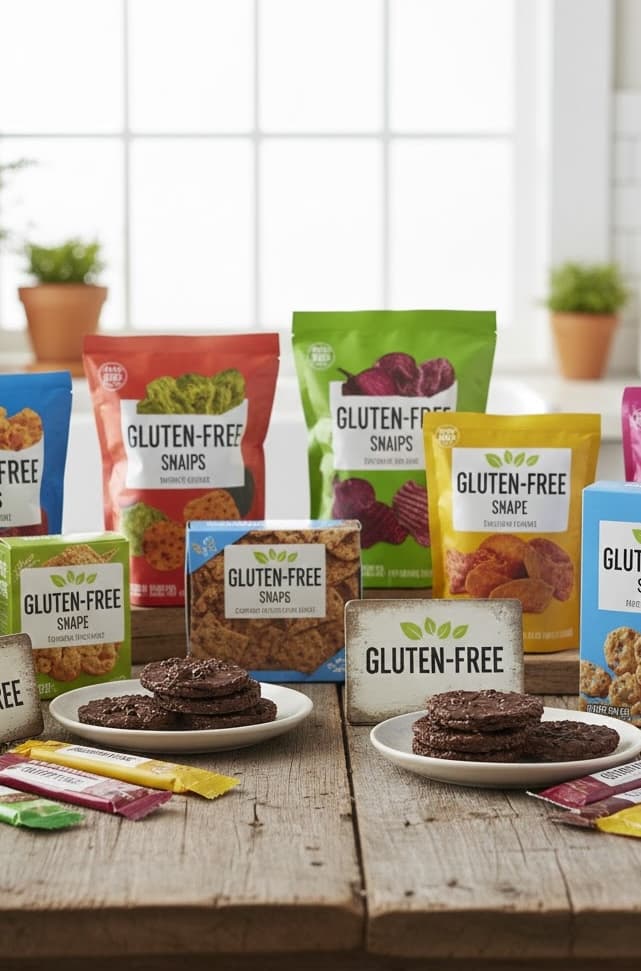
The gluten-free snack space keeps moving. Buyers see it every time a new SKU replaces an older one. Strategy matters more than hype, and sometimes the simplest sourcing decision becomes the winning edge.
Premiumisation opportunity
People pay more when a gluten-free snack both looks and tastes premium. Because for them, better ingredients mean a better texture, which all leads to cleaner labels. It’s pretty straightforward. Retailers notice that customers grab the product again when it feels worth the price. Premiumisation works because shoppers aren’t just avoiding gluten; they want something that feels upgraded. Distributors who offer those SKUs gain repeat business.
Channel expansion & e-commerce
Online channels are moving faster than traditional retail, and gluten-free snacks are benefiting from that speed. A product can launch online, gain traction, and then go into stores. E-commerce also supports testing: sample packs, variety bundles, smaller case sizes. Basically, distributors don’t have to wait for long retail resets. Convenience stores, travel retail, and vending are also growing quietly.
Emerging markets growth
Interest in gluten-free snacks spreads quickly across regions where people want healthier alternatives, even if gluten isn’t the main conversation. In some markets, gluten-free simply signals “better ingredients.” Distributors who can supply smaller volumes at first—then scale—win earlier shelf space. Emerging markets appreciate brands that show flexibility, not rigid rules around minimum orders or packaging formats.
Ingredient & formulation leadership
Ingredient choices can make or break a gluten-free snack. When a product uses quinoa, chickpea, or sorghum instead of vague starches, it communicates quality. Somehow, the ingredient list tells a story before the brand does. Distributors who understand formulation—not just pricing—can choose better suppliers. Those snacks perform better on shelf and build stronger loyalty from retailers.
Private-label & supply-chain advantage
Retailers are leaning toward private-label gluten-free snacks because margins are steadier. If a distributor manages ingredient sourcing, packaging, and certification, the retailer focuses on branding and placement. The supply chain becomes the advantage. Reliable lead times matter more than flashy marketing. Basically, the one who simplifies the process wins bigger orders and keeps the relationship longer.
Top-Rated Gluten-Free Snacks Suppliers on Torg
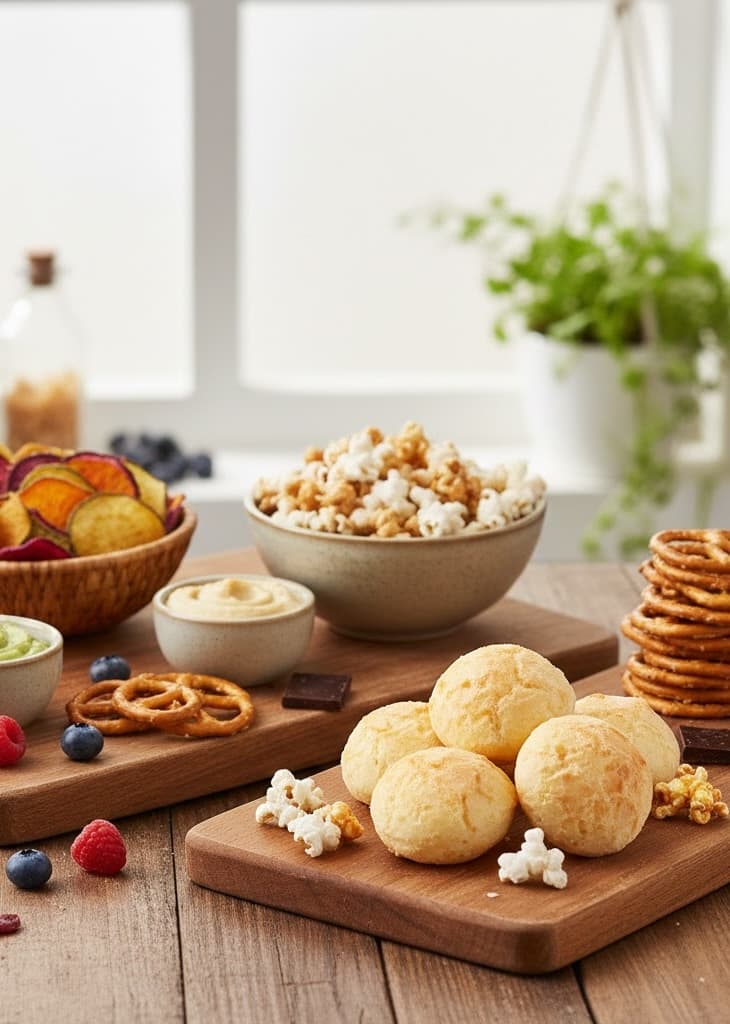
1. KATZ GLUTEN FREE — United States
Katz focuses on controlled production rather than novelty. Its portfolio spans frozen gluten-free bakery items designed for consistent results. Dedicated facilities keep allergens out, while the frozen format supports longer shelf life, easier storage, and flexible ordering. That structure suits retailers and foodservice teams managing space, requirements, and replenishment cycles.
2. LIFE SNACK SRL — Italy
Life Snack produces gluten-free corn snacks. Nothing complicated, just puffed corn bites, air-popped savory snacks, and flavored corn crisps. They keep the ingredient list short, like corn + seasoning. Packs come in single-serve, vending formats, and retail multipacks, so distributors can mix SKUs depending on the channel. Flavors range from mild to stronger profiles if retailers want variety.
3. FOOD CREATIONS PVT. LTD. — India
Food Creations works quietly behind the scenes, supplying gluten-free snacks that flex with demand. The range covers baked treats and savory bites, with options that dial up protein or cut sugar. Their strength sits in adaptability, adjusting formats, flavors, and packaging so new gluten-free ideas can be tested without heavy commitments.
Conclusion
Gluten-free snacks have settled into the regular daily food choices. What once felt like a narrow category now serves a broad mix of shoppers looking for comfort, convenience, or dietary peace of mind. Growth is shaped by repeat buying, improved recipes, and wider shelf presence rather than novelty. Frozen formats, clean labels, and consistent quality help reduce friction for retailers and foodservice operators alike. As availability improves and expectations rise with premiumization, private labels, and ingredient innovations, the category rewards suppliers who focus on dependable production and flexible formats. In the long run, gluten-free snacks succeed by feeling normal, familiar, and easy to choose.
Richiedi preventivo per ordine all'ingrosso
Ordine semplice, prezzi trasparenti, consegnato direttamente a casa tua