



Dove acquistare cibo all'ingrosso ai prezzi migliori?
Descubra dónde comprar productos alimenticios al por mayor, desde plataformas en línea hasta proveedores especializados, y encuentre los mejores proveedores de alimentos al por mayor para su negocio.
200+ acquirenti si fidano di Torg per l'approvvigionamento






Food does not stop being consumed. There is always going to be a demand for food on a daily basis. In cafes, restaurants, catering services, or even small grocery stores. With that constant demand comes the importance of supply. When it comes to businesses and even homes looking to save, purchasing wholesale food items can really simplify things and make them much more economical.
The best part is that options are greater than ever. If you need wholesale food for small businesses, wholesale food for retailers, or wholesale snack and drink suppliers to stock your shelves with, there are loads of good sources out there. The issue is identifying the ones worth your while and which ones to avoid. And that's precisely what we're going to deconstruct in the following sections.
What Is Wholesale Food?
Wholesale food refers to food products that are sold in bulk, usually at lower prices, to businesses rather than individual consumers. Instead of buying single items at retail cost, restaurants, grocery stores, cafés, and catering companies purchase wholesale food directly from manufacturers, suppliers, or distributors.
The wholesale food model allows buyers to reduce costs, ensure a steady supply of products, and access a wide variety of goods ranging from fresh produce and meat to packaged snacks, beverages, and specialty ingredients. For suppliers, selling wholesale creates opportunities to move larger volumes and build long-term partnerships with retailers and food service businesses.
In short, wholesale food is the backbone of the food supply chain — connecting producers and distributors with the businesses that serve consumers every day.
Most people think wholesale is bulk rice, flour, or sugar. But in 2025, the game is much larger than that. You can purchase organic food wholesale, access wholesale snack and beverage suppliers, or even order international specialty products from your desk. Wholesale grocery online shopping platforms offer you everything from frozen to specialty vegan items.
Where to Buy Wholesale Food Products
If you're after bulk deals, there are plenty of those around. Some platforms are global and deliver to nearly everywhere, while others target niches or specific areas. The beauty is you don't have to think hard about it, there's a combination of old-school distributors, new-school marketplaces, and wholesale grocery online stores that simplify things for you. Let's walk you through some of the top ones.
1. Torg
Torg has grown to become top wholesale food and beverage marketplace. By bypassing middleman layers, it links bulk purchasers, caterers, and retailers directly to trusted wholesale food suppliers, speeding up the process, making it clearer and more efficient. It is a totally digital platform, allowing you to compare quotes, negotiate, and order without endless calls or emails. Add to that, each of our suppliers has global certifications such as CE, ISO, and HACCP, so compliance and quality are never an issue.
Where Torg truly stands out, however, is in its efficient sourcing. From creating a request to order completion, it all occurs in one convenient platform. Trained outsourcing professionals also take over to research, match, and negotiate with suppliers for you, saving you time and minimizing risk. For retailers, distributors, even organic stores, Torg is usually the go-to marketplace for best wholesale suppliers for distributors.
Richiedi preventivo per ordine all'ingrosso
Ordine semplice, prezzi trasparenti, consegnato direttamente a casa tua
2. Alibaba
Alibaba is a behemoth when it comes to international wholesale. While not strictly a food marketplace, there are still thousands of vendors selling everything from packaged foods to raw materials. It's especially appealing if you want to buy food in bulk from manufacturers at often very discounted prices.
The drawback? Since suppliers are worldwide, you can experience delayed shipping or customs delays. For small buyers, that becomes a pain. Yet if you're looking for scale and diversity, Alibaba is still one of the best platforms around.
3. Costco Business Center
Most people know Costco for its warehouse stores, but their Business Center is a whole different game. It’s built for serious bulk buying. If you’re hunting for ways to buy wholesale food at cheap price levels without dealing with complicated import setups, this is a strong option.
Their in-store and online assortment consists of snacks, drinks, fresh fruits and vegetables, and meats, basically everything small companies require. Convenience is the main attraction here. You can simply roll in, grab cases of items, and walk out prepared to sell to customers.
4. Sysco
Sysco is huge in North America and supplies restaurants, institutions, and caterers. They're not limited to supplying food either. They provide extras such as menu planning and kitchen assistance, which explains why so many depend on them.
If you’re running a catering business or a small restaurant, ordering wholesale food for caterers or wholesale food for small businesses from Sysco means consistent deliveries and a huge product selection. They’re not always the cheapest, but reliability is their main selling point.
5. Restaurant Depot
Restaurant Depot is really a warehouse-style wholesaler that is a membership club. You enter, grab what you need whether it's snacks in bulk, meat, produce, or beverages, and pay at checkout. No middlemen, no intermediate steps.
For American-based foodservice operators, it's one of the most convenient ways to replenish supplies in a hurry. Some even liken it to Costco but with an acute emphasis on the food business.
6. Metro
One of Europe's favorite wholesale stores for restaurants, cafés, and small stores. Their secret? A broad range of fresh produce, meat, packaged goods, and even global products you can't always get from typical wholesalers. Essentially, if you want to buy organic food wholesale in Europe, Metro offers the variety and the quality assurance to support it. Lots of local businesses rely on them because they have both variety and dependable supply, two things you can't compromise on in hospitality.
7. GFS (Gordon Food Service)
GFS is huge in North America and has established itself as a reliable company. They don't just sell in bulk. They've also got the logistics side down pat. So if you're a bulk purchaser who's particular about delivery schedules, GFS fits the bill. Their inventory ranges from pantry essentials, frozen foods, and fresh products, so they are one of the bulk food suppliers that businesses rely on year in and year out. In fact, many independent restaurants and catering establishments remain loyal to GFS because they trust that the supply won't mysteriously drop.
8. WebstaurantStore
Folks are familiar with WebstaurantStore primarily for restaurant supplies, but here's the surprise. They also carry a considerable amount of food items. Sauces, condiments, packaged snacks, and beverage mixes… name them. If you want to buy wholesale food online without ever leaving your workspace, this platform is time-saving. It's particularly convenient for small operators with little or no room for truckloads but still requiring wholesale pricing. In some way, they've worked to integrate variety with convenience, which is a unique aspect of theirs that sets them apart in the world of the internet.
9. Amazon Business
For sheer convenience, Amazon Business is difficult to match. You can buy anything from coffee pods to bottled beverages in bulk, and before you know it, it's on your door. Yes, it may not always be the cheapest alternative to the conventional bulk food providers, but the speed and category coverage compensate for the same. Essentially, if you're a small company that loves money as much as time, Amazon Business stocks your shelves without the trouble.
10. UNFI
UNFI is a large company specializing in natural, organic, and sustainable distribution. If your business falls into clean-label products or you specifically want to buy organic food wholesale, they're one of the largest distributors in North America. Organic foods, drinks, and staples are filled on their shelves supported by robust sourcing. Many environmentally friendly restaurants and markets in fact plan their menus around what UNFI has to sell because they know that customers are demanding healthier, more sustainable products than ever.
11. KeHE Distributors
KeHE has carved out its spot as a leader in natural and specialty food distribution. Here, they’re curating healthier, trend-driven products that retailers actually want on their shelves. If you’re a small grocery or health-focused café, KeHE makes it easier to stock items that stand out from the usual wholesale lineup. Basically, when people talk about finding reliable wholesale food for small businesses that taps into the wellness trend, KeHE almost always comes up.
12. Bidfood
Bidfood is big, and they play on a global stage. They work with restaurants, caterers, and hospitality businesses that need everything from fresh meats to frozen desserts to packaged staples. What makes them appealing is scale as they can deliver consistently whether you’re running one café or a hotel chain. For most in the service business, Bidfood is the type of wholesale food distributor you have in your corner because they've already worked out logistics over borders.
13. Smart Foodservice Warehouse
Now a part of US Foods, Smart Foodservice Warehouse gives the sense of being more hands-on than some of the giant distributors. Consider it a destination where caterers, food trucks, and independent stores can just walk in, pick what they want, and not be bound by rigid minimum orders. It's adaptable, and the adaptability is important. For instance, most caterers use it for last-minute orders because it's one of the only sources of wholesale food for caterers that doesn't necessarily involve bulk contracts.
14. Boxed Wholesale
Boxed is essentially Costco without the membership card and the waiting lines at checkout. All that happens online, which is a big boon for small operators and even families who enjoy bulk purchases. Here you can buy wholesale food online such as snacks, drinks, pantry foods, name it. And since it's digital-first, the process is seamless: just add to cart, checkout, and wait for delivery. In some way, Boxed has succeeded in mending the divide between bulk purchasing and contemporary e-commerce.
15. Local Wholesalers and Food Hubs
While the big players fill the headlines, local wholesale produce vendors and food hubs remain important, particularly if freshness is paramount. Farmers' co-ops and regional distributors tend to offer shorter lead times, superior pricing on seasonal items, and closer ties. For small cafés and local groceries, it can actually be more intelligent to engage with local hubs rather than import everything. It keeps money in the local economy, reduces transport costs, and maintains menus within what's fresh seasonally. Ultimately, wholesale food for small businesses does not always need to originate from international behemoths. Sometimes the best bargains are just near you.
Best Wholesale Food Categories to Sell
When you’re looking to buy food in bulk, some categories always seem to move faster. Others give better profit margins. The truth is, certain products just make more sense to stock because customers buy them on repeat. Here are the categories that stand out right now.
1. Snacks and Beverages
Snacks and drinks are the heartbeat of wholesale. Chips, cookies, cola, bottled water, juices, and energy drinks virtually take flight off the counters. Wholesale food and drink snack suppliers are well aware of this fact. Store owners count on them since snacks are impulse purchases, and people just grab them without hesitation. Caterers appreciate them as well because no event is ever complete without a beverage table or finger foods. Basically, if you’re selling in bulk and want consistent sales, this category is as safe as it gets.
Featured wholesale products

Potato Chips Salted 150g
€0.84

Tortilla Chips Cheese 200g
€0.90

Butter Cookies Tin 454g
€3.00

Energy Drink 330ml
€1.02
2. Fresh Produce
Fresh produce is where it gets a bit sticky but also worthwhile. Restaurants and caterers can't do without daily drops from wholesale produce suppliers. Apples, lettuce, potatoes, onions, these are the staples of menus across the board. Bulk buying keeps costs low but also means kitchens are consistent. Think of a restaurant that's out of tomatoes during service. Not good, right? That's why this category is non-negotiable for food businesses.
3. Organic and Specialty Foods
Apparently, healthy eating is no longer a fad. It's a way of life. Consumers now actually seek out "organic," "vegan," or "gluten-free" on a label before making a purchase. That's where this category excels. When retailers buy organic food wholesale, they're acquiring a loyal, growing customer base. Specialty options like plant-based protein or keto snack foods fall into this category as well, which is why it's a treasure trove for retailers who seek to differentiate themselves.
Featured wholesale products

Matcha Culinary Grade Organic (Kyoto, Japan) 20kg
€525.00

Organic White Wine Vinegar 250 ml
€1.67

Organic oat bar with peanut, caramel flavor & sea salt 34g
€0.41

Organic Balsamico Vinegar 250 ml
€2.51
4. Frozen Foods
Frozen foods have never been about convenience, and yet they're more in demand than ever. Bulk bags of frozen vegetables, ready-to-consume meals, or frozen meat save time for restaurants and families alike. Caterers prefer them because frozen inventory minimizes waste and maximizes menu convenience. Buyers prefer them because customers purchase bulk frozen items readily. For anyone selling in bulk, frozen is a consistent revenue source.
5. Pantry Staples
This category is basically the comfort zone for every distributor. Rice, pasta, canned goods, sauces, and condiments never stop moving. They’re everyday essentials, which means consistent demand all year round. Bulk food distributors lean heavily on this category because it guarantees repeat orders from grocery stores, cafeterias, and even restaurants. If you’re building a wholesale lineup, pantry staples are like your safety net.
Featured wholesale products

Pasta Sauce Tomato Basil 400g
€1.02
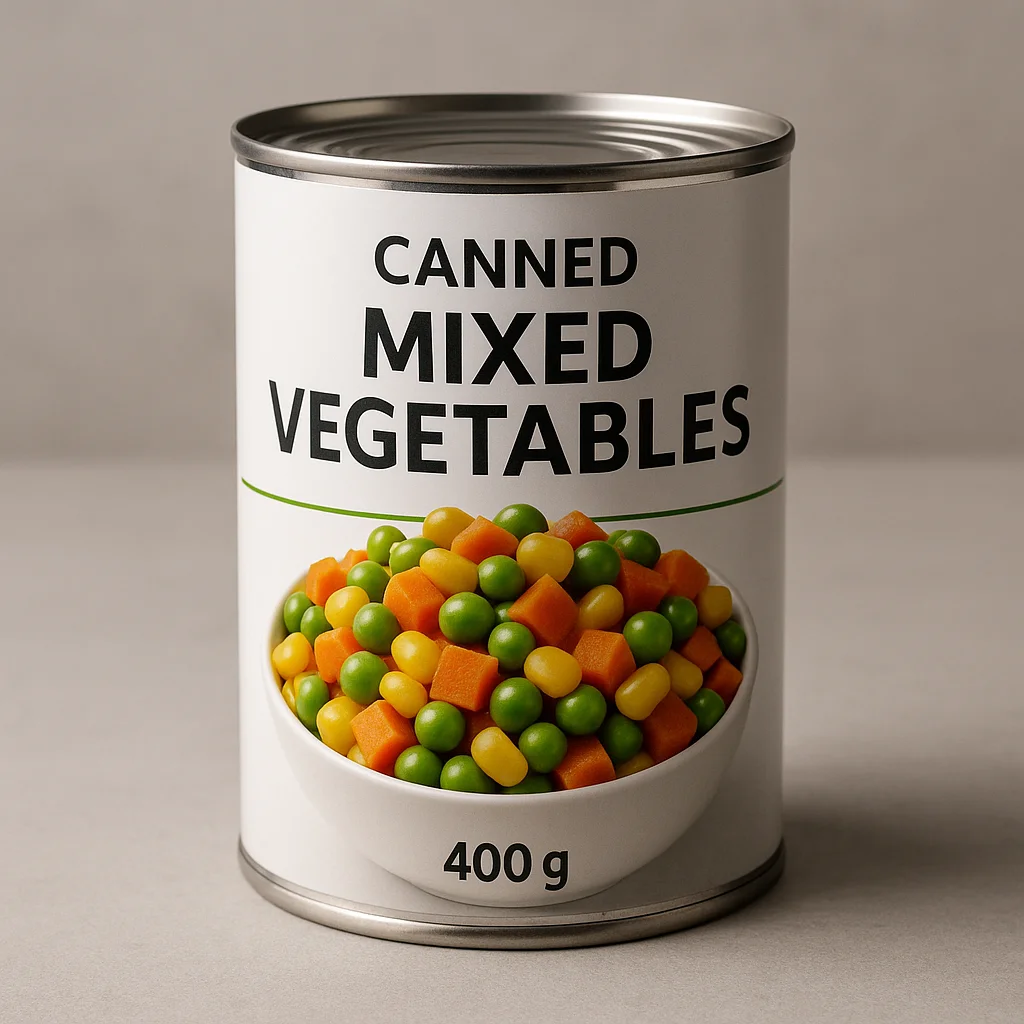
Canned Mixed Vegetables 400g
€0.51


6. International Foods
Food is global now. Spices, noodles, specialty sauces, and ingredients native to other cultures are appearing in more homes and restaurants. Just consider this, one week folks are making Thai curry, the next week it's tacos or sushi. For retailers that serve diverse communities, this is a high-demand niche. Stocking international options doesn’t just add variety, it also creates loyalty. Customers come back when they know you’ve got the “hard-to-find” products.
Featured wholesale products

Matcha Ceremonial Grade (Yame, Japan) 1kg
€200.00


Arborio Risotto Rice 1kg
€1.62

Balsamico Vinegar Creme - PET 250 ml
€0.94
How to Choose the Right Wholesale Food Supplier
This is the thing: not all suppliers will suit your business. Some are great at service but have limited products, and others are good on price but can't deliver on time. So, selecting the right supplier is not so much about price but all about balance. Here's what you need to remember:
Reliability and Consistency
This is the deal-breaker. If a supplier can't deliver on time, the rest doesn't matter. Restaurants, cafes, and shops can't handle late delivery because customers don't wait. Wholesale food for retailers and caterers relies on reliability more than anything else. Ask yourself: "Do they keep inventory level steady? Can I rely on them in peak season?" If the answer is no, then perhaps move on.
Product Range
Suppliers are not created equal. Some focus only on wholesale snack foods, while others are powerful in fresh foods, and some reign supreme on the organic front. Really, it depends on your business model. For instance, if you're creating a health-conscious store, you'll need someone who will allow you to purchase organic foods wholesale on a regular basis. But if you're serving huge party functions, a supplier powerful in drinks and frozen foods could be the better bet.
Pricing and Flexibility
Everybody's searching for the lowest price bulk food suppliers, but price alone should not be the determining factor. It's value. Does the supplier give a discount if you order in bulk? Are they able to combine cases versus holding you hostage with one SKU in vast quantities? Do they have lower minimums that fit a smaller company's needs? A flexible supplier can end up costing you less in the long run than a cheap-looking supplier who isn't flexible.
Certifications and Quality
Food safety is not a risk you want to take. Food certifications such as HACCP, ISO, or even organic certification indicate that the supplier maintains rigorous quality controls. For caterer wholesale food in particular, this is important. Picture arriving at an event with low-quality ingredients. Remember that one negative review can ruin your reputation all by itself in no time. That's why certifications are essentially your safety net.
Customer Support
This section gets forgotten, but it's gigantic. Wholesale is not all about transactions because sometimes things go haywire. Orders are delayed, the stock is out, or you receive the incorrect thing. If that happens, does the supplier respond fast? Do they really resolve the issue, or leave you hanging in limbo? Helpful customer support can save you time, hassle, and even cash.
Torg vs. Direct-from-Manufacturer Ordering
When you buy food in bulk, you generally have two choices: go directly to the factory or employ a wholesale site like Torg. On paper, factory-direct orders can appear more cost-effective, but they also involve dangers, in-place costs, and buckets of legwork. Torg cuts through the hassle by introducing you to vetted suppliers, smarter prices, and an efficient process that saves you time.
Verified and Safe Sourcing vs. Risky Shortcuts
Direct manufacturers only warrant their own line, so limited choice and no guarantee beyond their statement. You're left to organize shipping and double-checking certifications yourself, and if they're not valid, you're left with expensive errors. Torg, however, only lists qualified suppliers who have CE, ISO, and HACCP certification already in place, so you know all's safe, reliable, and compliant from the beginning.
Dedicated Support vs. Do-It-Yourself Negotiations
Dealing with manufacturers, you negotiate yourself, sometimes on opposite sides of time zones, with delayed responses and fragmented communication. Torg turns that around by providing a dedicated outsourcing expert who conducts the research, supplier matching, and even negotiating for you. You're a café, retailer, or caterer, it's less like running around finding suppliers and more like having a sourcing ally in your corner.
Smarter Pricing vs. Hidden Costs
With suppliers, prices always seem to vary, you never quite know whether you are overpaying or not. Torg resolves this by allowing you to compare various offers side by side, informed by market data so you always get the true deal. From initial request to final order, the whole sourcing process occurs under one roof, getting you hours of back-and-forth time and keeping the process open, quick, and worry-free.
🚀 Cut costs, save time, and source with confidence. Join thousands of smart buyers on Torg. Sign up for free here.
Tips for Saving Money When Buying Wholesale Food
Buying in bulk is easy. But the key to saving a little versus saving a lot is often strategy. Here are a few clever ways to make your dollars go further when dealing with wholesale food distributors.
Compare Multiple Suppliers
Don't leap at the first deal you find. Prices can be extremely different between websites. For instance, a worldwide website may allow you to purchase food in bulk at scale, yet a local wholesaler may reduce delivery expenses and provide fresher items. Worth examining both wholesale grocery online portals as well as local providers before committing to anything. Sometimes the "cheapest bulk food suppliers" are not the ones you might think and to compare puts you in command.
Leverage Seasonal Deals
This one’s often overlooked. Wholesale produce suppliers usually adjust prices depending on harvest cycles. Buying strawberries in peak season? They’ll be cheaper and fresher. Off-season? You’ll pay more. So, plan your menu or product lineup around what’s in season. It sounds small, but over a year, those savings add up fast.
Buy in Mixed Loads
One of the simplest hacks to prevent overspending is mixing orders. Some vendors allow you to mix various products such as drinks, sauces, and snacks, just to meet their minimums. This way you don't become overwhelmed by one product that you don't need. It also facilitates the ease of wholesale food for small businesses that cannot manage enormous single-SKU orders.
Store Properly
This is the thing: bulk only saves cash if nothing gets wasted. If half of what you ordered perishes, the "low price" doesn't count anymore. For perishables, spend on refrigeration, dry storage, or even vacuum-sealing machinery. If scaling is serious business, include storage as part of the investment. Bulk food distributors will count on you to do this, so being ready saves you trouble.
Build Long-Term Relationships
Suppliers pay attention to loyalty. And loyalty is repaid. The more regular you are, the better are your chances for priority shipments, lenient payment terms, and exclusive pricing. Whether you buy from wholesale snack and drink suppliers or organic farmers, being a repeat customer often means opportunities are revealed to you that newbie buyers never encounter. It is more of forming an alliance than a single purchase.
Basically, the trick is knowing when to shop around and when to stick with one supplier. Use these strategies, and you’ll find that buying wholesale isn’t just cheaper, it’s smarter.
Conclusion
Ultimately, having an idea where to buy wholesale food products can make the difference between operating your business or household budget to its full potential. The possibilities are endless. You have international sites like Alibaba, niche distributors like Sysco, local community-based food centers, and then there's online food marketplaces like Torg. Each of these has its advantages, and the secret is identifying which is most suited for your case.
If you’re after variety, you’ll probably lean on wholesale snacks and beverages suppliers. If freshness is your top priority, wholesale produce suppliers will be your lifeline. And if saving money is the main goal, then scouting the cheapest bulk food suppliers while still checking quality and certifications is definitely the smarter move.
What it ultimately comes down to is finding the right source for your requirements. Certifications provide reassurance. Clever storage prevents your bulk purchases from being wiped out. Long-term supplier relationships can even lead to more favorable deals than you might anticipate.
Basically, whether you’re stocking up for a restaurant, securing wholesale food for caterers, filling shelves for wholesale food for retailers, or simply trying to stretch the budget for a small café, there’s a way to do it without overspending. The opportunities are right there. It just comes down to choosing wisely and thinking a step ahead.
FAQs
1. Is it cheaper to buy wholesale food?
Yes, wholesale food purchase nearly always reduces the per-item price versus retail. Think about it: the greater the quantity you purchase, the less you pay in packaging and logistics. That's why small coffee shops, caterers, and even families opt for wholesale food vendors because savings truly add up over time.
2. Do I need a license to buy wholesale?
It varies with the supplier. Some bulk food wholesalers require a business license or resale certificate, particularly if you are purchasing wholesale food in bulk for retailers. But not all suppliers are so demanding. Websites such as Torg, Costco, and Boxed sometimes allow you to buy without documentation, and that is why they are preferred by small buyers.
3. Can individuals buy from wholesale suppliers?
Indeed. Nowadays, even people can access wholesale offers. Websites such as Amazon Business, Costco, or Boxed make it a breeze to buy wholesale food online. So if you are stocking up on snacks, drinks, or pantry items, you don't have to own a restaurant or store, you can purchase in bulk easily.
4. Where can I find wholesale food suppliers near me?
Begin with local produce hubs, farmers' markets, or local wholesale produce dealers. They tend to have fresher items and reduced transport costs. For diversity, experiment with international sites like Torg or Alibaba. Blending online and local sources usually offers the best balance between cost, availability, and wholesome wholesale food suppliers in your area.
5. How do wholesale food deliveries work?
Pretty simple. Wholesale food distributors ship directly to your restaurant, warehouse, or store. Larger distributors like Sysco have set routes, while smaller distributors may arrange pickup at their terminals. With online sites, you can even monitor orders in real-time. Essentially, wholesale deliveries these days are designed around speed, consistency, and flexibility.