



Plant-Based Food Market Boom: Inside 2026’s Biggest Trend
Discover how the plant-based and vegan food sector is evolving with market insights, consumer trends, innovations, supply-chain notes and top supplier picks.
200+ acquirenti si fidano di Torg per l'approvvigionamento







The entire plant-based and vegan food movement has sort of developed a life of its own these days. What began as a niche corner in health foods has, somehow, evolved into a full-fledged global phenomenon. You find it everywhere now in the form of coffee shop menus and even supermarket aisles. Buyers and retailers are paying closer attention too, because this isn’t just a passing wave; it’s shaping how food is made, sold, and consumed. In this article, we’ll break things down clearly: market shifts, what’s driving consumer demand, the most recent innovations, and where all the best supplier opportunities are hiding.
Plant-Based and Vegan Food Market Overview
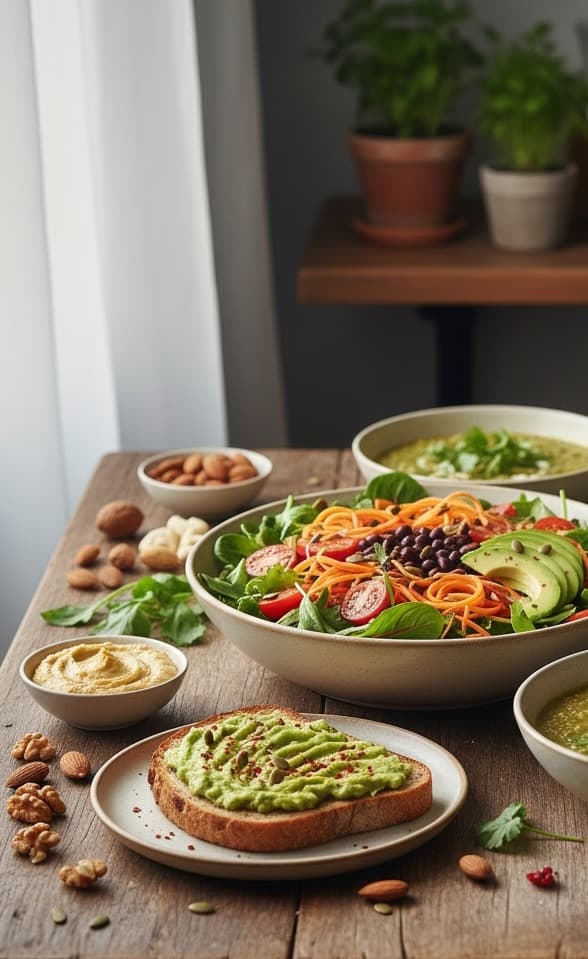
The development of the plant-based and vegan food industry has been quite remarkable in recent times. Essentially, when we refer to plant-based foods, those refer to items produced mainly from plants such as grains, nuts, beans, seeds, or legumes, and so on and so forth. Some of them substitute animal-based foods, whereas others simply exist independently. Vegan food is quite a different beast, as it not only excludes animal products, but goes a step further and leaves them out altogether. There's a lot of confusion between the two terms in everyday conversation, but it can make a world of difference when we're talking about trade and sourcing costs.
Market Size, Growth, and Projections
The global plant-based food market was valued at USD 56.37 billion in 2025 and continues to build momentum. In 2026, it is expected to reach USD 63.36 billion, then climb toward roughly USD 181.43 billion by 2035, growing at a 12.4% CAGR. This expansion reflects a steady shift toward vegetarian and plant-forward eating across regions.
Market Segmentation
Here's where it all goes down where retailers, buyers, and distributors need to be keeping an eagle eye on things:
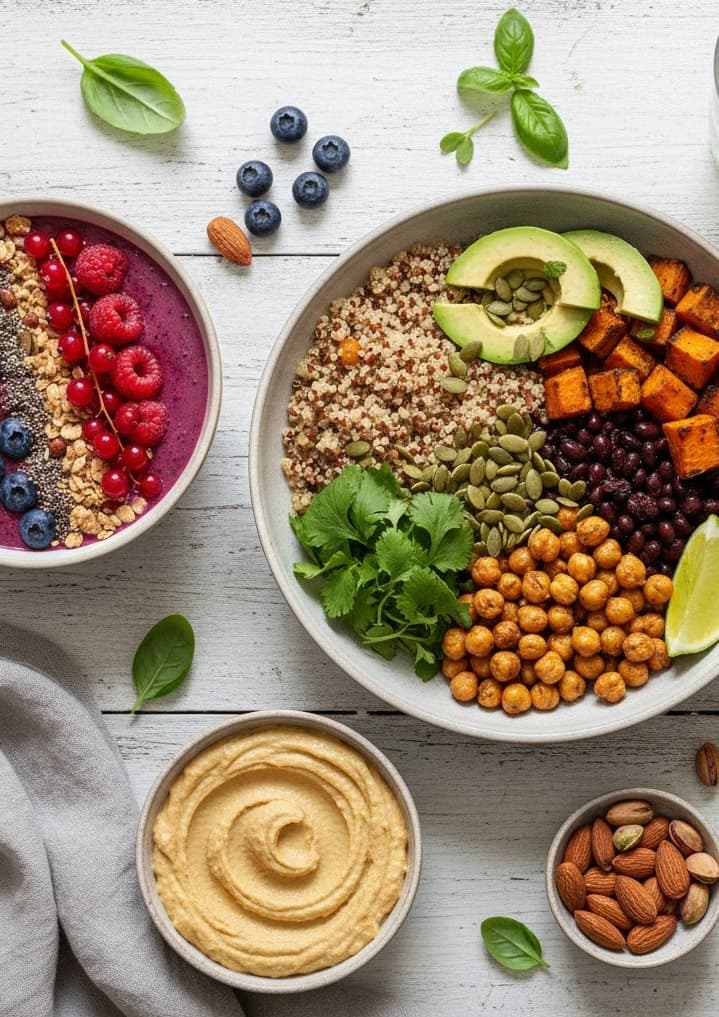
- By product type: You've got to think about meat alternatives, dairy alternatives like milk and cheese, egg and seafood alternatives, and all the rest plant-based foods like ready-meals, spreads and snacks.
- By source ingredient: Pea protein is the real MVP here. Soy, wheat, lentil, and sunflower are no slackers, either, with their respective idiosyncrasies regarding taste, texture, and nutritional profiles.
- By channel of distribution: Supermarkets still possess most of it, but online food retailers and HoReCa (that is, hotel, restaurants, and catering channels) are nipping at their heels. We're seeing more and more B2B buyers venturing into these new places.
Regional Insights: Biggest Producers, Importers, and Exporters
In recent years, the world of vegan and plant-based foods is more vibrant than ever with a growing map.
- The North American market is already being spearheaded by the U.S. and it's looking to keep pushing boundaries in innovation. It's predicted to hit a staggering 26.7 billion dollars in 2033. Canada has actually sort of flown under the radar but has become a major player when it comes to exporting pea protein, shipping out key ingredients to the rest of the world.
- Over in Europe, Germany has actually just pipped the UK to the post in terms of production growth while The Netherlands and Scandinavia are really starting to make their mark when it comes to oat and soy-based innovations. The region still holds around 46% of global vegan food share.
- At the very same time, the Asia Pacific is just going into overdrive. China has just shot past Japan in production numbers, thanks to a tidal wave of investments in soy and pea protein, it's been a game-changer. Meanwhile, India and Australia are stepping up their game with lentil, chickpea, and almond food exports too. Brazil and Argentina are becoming significant soy exporters as well.
Efficient supply chains, clean-label sourcing, and reliable cold-chain logistics currently define success. In effect, innovation is still Western, but production might be shifting East, making for an even more balanced, interdependent market for plant-based commerce in the coming years.
Supply Chain and Trade
The supply chain aspect of plant-based food has its own cadence. Some segments are booming, some are still playing catch-up.
- Ingredient Sourcing: There is a growing pressure on companies to get their ingredients right, none more so than with new plant proteins. In the end, companies are now favouring cleaner and simpler ingredients over the excessive processing that used to be so prevalent.
- Manufacturing & Scalability: Companies are having to scale up with co-manufacturing arrangements and that's causing some issues for wholesalers and buyers as they're getting improved production capabilities. But the catch is that these come with longer lead times and new logistical headaches.
- Storage & Distribution: The main problem is that products, such as yogurt or plant based milk, need to be chilled. Whereas others, such as ambient meals or snacks can be left on the shelf at room temperature. As a result, this is affecting the costs of storage & warehouse space, as well as which transport routes they are using.
- Pricing & Margins: Despite prices remaining slightly above animal-derived products, that differential is narrowing. As new entrants to the market continue to do so, pricing pressure becomes a reality. Retailers and distributors are being super diligent about optimising their supply chains right now, in a bid to keep their margins healthy.
- Trade Flows: For importers and exporters, tariffs and freight can swing rapidly. Ingredient availability, particularly pea protein harvests, impact everything from planning production to pricing. Non-GMO, organic, and clean-label labels are essentially now obligatory in any retail deal, they're not even something to discuss any longer.
- Risk Factors: It’s not all rainbows, though. Crop disasters, bottlenecks along the logistics chain, and trade law adjustments can have a way of grinding things to a halt. A recent study even showed that when institutions started introducing 'meat-free days', customer retention and menu-planning became a right challenge for them. So, growth is robust but needs to be fine-tuned in execution.
Consumer Behavior and Most Important Trends Propelling Growth
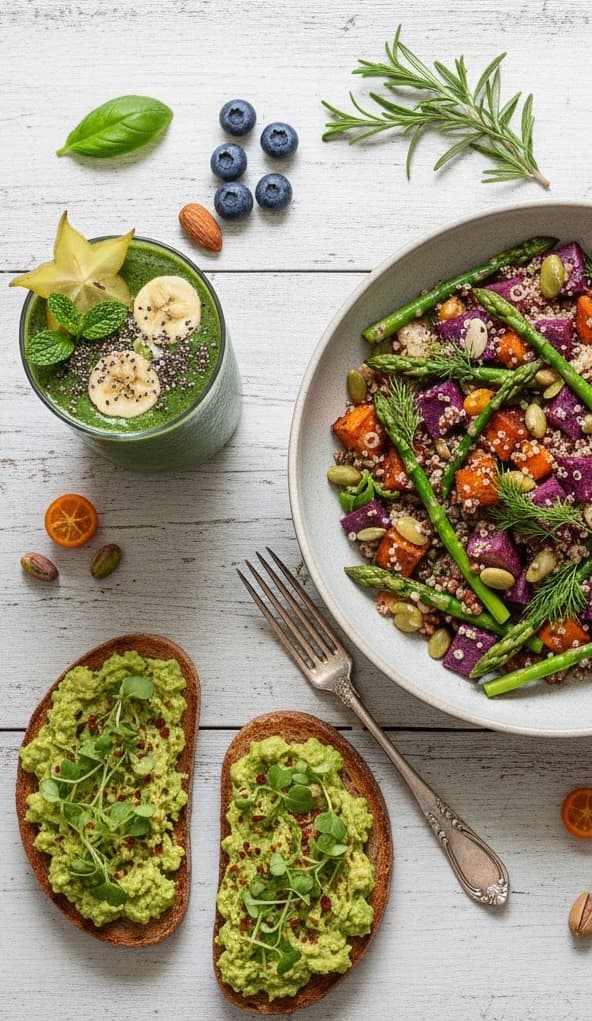
People nowadays aren't just consuming differently. They're also thinking differently. Food options have become somewhat of a representation of who they are, what they believe in, and the way that they prefer to live. Here are some of the consumer trends fueling the growth of this market:
Health, Nutrition, and Lifestyle Motivations
Health is the key driver. Consumers are more and more sophisticated about what they have in their bodies. That is why they would like their food to be clean and gentle on their systems. They are reducing food with high cholesterol intake and turning towards plant-based protein alternatives instead. Such as pea protein, say, which is claimed by some people to be a true muscle-builder. Coupled with this, people who are lactose intolerant or food sensitive are increasingly employing dairy-free and egg-free products, a move that is completely redefining the retailer's business.
Sustainability, Ethics, and Environmental Impact
Younger buyers particularly are interested in where their food is from and what it represents. They're attracted to brands that truly practice what they preach, reduced carbon impacts, open sourcing, sustainable farming. Clearly, "plant-based" badges aren't enough on their own anymore. Consumers now demand short, simple ingredient lists and little processing. For brands, sustainability storytelling has been an actual selling point.
Taste, Convenience, and Accessibility
The thing is, if it doesn't taste great, it's not going to sell. Consumers still put a lot of stock in how food tastes and feels in their mouth. They care about the flavor and texture as much as they care about the labels. But they're also more and more willing to try new things, even if that means embracing some pretty unusual (but tasty) plant-based recipes rather than expecting their vegan food to taste just like the real thing. Ready to eat meals, dips, and plant snacks are flying off the shelves, and with online grocery shopping and meal kits making it so easy to get food, distributors are really having to get their act together to manage both their in-store and online channels.
Retail Channel Dynamics and Consumer Segments
Grocery stores are hopping on the bandwagon in a hurry. Plant and vegetable foods on the store shelf are increasing rapidly, due to flexitarians, full-fledged vegans, and simply health-conscious consumers. For wholesalers, that implies that they require a broad array of prices to accommodate their buyers, from specialty lines to private label products. And it's not just retail, they're also really seeing a boost from cross-selling on organic or gluten-free products. And let's not overlook food service such as cafes, canteens, and fast casual chains are increasingly offering more and more plant-based and vegan choices, and that is creating new supply channels for bulk buyers.
Recent Developments and Innovations
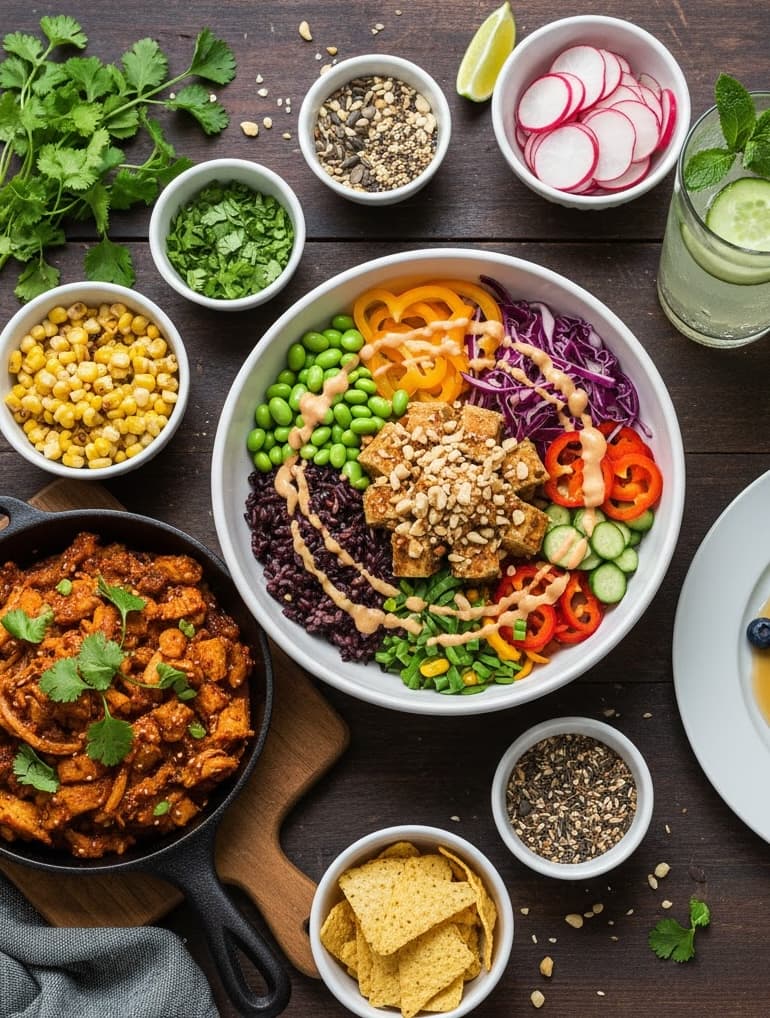
Certain large things are beginning to rock this entire category and the way it goes down. Bottomline is, all of this change is going to have a fairly significant effect on buyers, sellers, and wholesalers equally. So here is what has been happening recently, and why you should likely care.
- Ingredient innovation is accelerating: Companies gradually shift from the typical soy and wheat foundation. Now, everything is about pea protein, fava bean, lentil, and sunflower as the next-generation sources. These proteins not only bring diversity, they also mitigate allergen issues and enhance nutritional balance.
- Clean-label demand continues to increase: Consumers have become sharper, they read ingredient lists. They’re evidently tired of long, chemical-sounding names. The focus has shifted to “real” food: recognizable plants, fewer additives, and simple recipes.
- Less imitation, more originality: Remember when everything was a “fake burger”? That’s fading. Now, producers are designing standalone plant-based meals and snacks, foods that don’t try to mimic meat but still taste great on their own.
- New raw materials are stepping in: Seaweed, algae, and other ocean-grown plants are moving into plant-based formulations. They bring natural omega-3s and strong nutrient profiles, while using fewer land and water resources. That shift is quietly reshaping how sustainability is measured in plant-based food.
- Food-tech momentum is building: Investment continues to flow into processing and formulation. New techniques are improving texture, flavor hold, and nutritional balance, which helps products perform more consistently from production through consumption.
- Distribution is getting easier: More shelf-stable and ambient formats are entering the market. This reduces cold-chain pressure, cuts logistics costs, and makes international shipping and retail stocking smoother, especially across longer trade routes.
Opportunities and Future Outlook
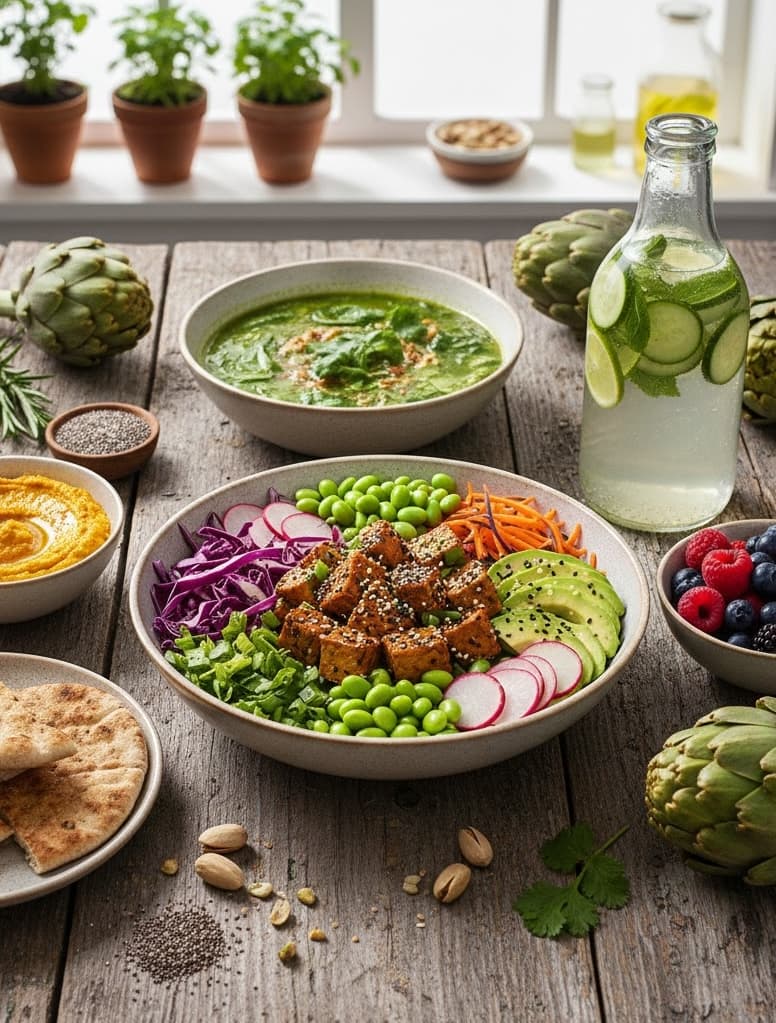
The vegan and plant-based food trend isn't slowing down anytime soon. For those in the industry, it's essentially time to make smarter plays, not faster ones. Here are the largest opportunities available right now.
1. Private-Label Expansion and Intelligent Branding
Retailers are leaping on private-label opportunities as consumers really do trust store brands more today, particularly if the price seems reasonable. Creating in-house lines with wholesome ingredients and transparent nutrition information can drive loyalty quickly.
2. Foodservice and Institutional Growth
Plant-based menuing has progressed beyond the cafés, they're taking root in schools, hospitals, and QSR chains as well. Distributors that can provide flexible packaging and bulk-ready product lines will remain ahead. Essentially, think big volume and repeatable taste. There is clear-cut growth in catering and corporate foodservice areas where purchasers are demanding repeatable, pre-prepared vegan meal formats.
3. Cross-Category Integration
Plant-based foods aren't just limited to the "vegan section" any more. People are getting smart and are starting to add this stuff to all sorts of snack shelves, frozen foods, and with your food to go. And if they pair them up with other healthy stuff like organic or gluten free, well that's a whole lot of appeal to flexitarians. Those are the people who are increasingly into plant-based, but don't want to give up dairy and meat entirely.
Torg’s Top-Rated Suppliers for Plant-Based and Vegan Food
VEZVILLE – USA
VeZville has managed to strike a perfect balance between comfort food and clean eating somehow. Whatever they make, especially the Lean Bean Patty, tastes homemade but consistent. They use only organic ingredients, no weird stuff or fillers. Flavors are strong but not too strong, which is fair considering they care about nutrition and sustainability. Healthy has never tasted so good.
PLANTA GMBH – Germany
PlantA approaches plant-based dairy with precision and restraint. Automation handles consistency, while formulation keeps flavors clean and familiar. The lineup spans oat and coconut yoghurts, drinkable options, and plant-based sour cream, all designed to feel fresh, balanced, and natural, which fits consumer expectations as they stand in 2026.
BIOWAY ORGANIC GROUP LIMITED – China
Bioway Organic has its reputation on quality and consistency. They don't make food, they engineer it with care. From plant proteins and fruit powders to nutraceutical blends and herbal extracts, their line addresses almost every plant-based requirement. Clearly, they've got sustainability and science mastered simultaneously, backing food, wellness, and nutrition companies globally.
Wrapping Up
Plant-based and vegan food is not just having a moment but carving out a long-term space in global commerce. Markets are opening up, technology is advancing, and consumers are consuming with purpose and curiosity. The coming several years will probably bring even greater innovation at the ingredients level, more intelligent sourcing, and tastier products. Early adapters who are retailers and distributors will remain ahead, while others who wait for the "perfect moment" could end up playing catch-up. Essentially, this marketplace is no longer pilot but becoming a new norm for food being raised, produced, and consumed globally.
Richiedi preventivo per ordine all'ingrosso
Ordine semplice, prezzi trasparenti, consegnato direttamente a casa tua