



Come vendere il tuo prodotto ai rivenditori in 5 passaggi?
Scopri strategie efficaci per vendere il tuo prodotto ai rivenditori con la nostra guida passo dopo passo. Inizia oggi il tuo percorso verso partnership di successo nel settore retail!

200+ acquirenti si fidano di Torg per l'approvvigionamento







Vendere ai rivenditori non è così semplice come presentarsi con dei campioni e sperare che i prodotti finiscano sugli scaffali dei negozi. È davvero una combinazione di tempismo, ricerca e comprensione del modo di pensare degli acquirenti al dettaglio. Per la maggior parte delle piccole imprese e dei marchi boutique, entrare nei rivenditori locali o anche nei negozi più grandi può tradursi in ordini costanti, clienti aumentati e l'opportunità di crescere in nuovi mercati. Ma c'è un problema: i responsabili degli acquisti e i proprietari dei negozi ricevono continuamente proposte, quindi le tue tecniche di vendita devono essere diverse.
Questa guida completa copre gli elementi essenziali della vendita all'ingrosso: come contattare i negozi al dettaglio online o di persona e come progettare una scheda prodotto che attiri l'attenzione. Dai prodotti alimentari e di lifestyle agli articoli di nicchia, scoprirai come approcciare i negozi al dettaglio, assicurarti spazio sugli scaffali e pianificare una strategia di distribuzione al dettaglio che produca risultati.
Vendite al dettaglio vs. Vendite dirette al consumatore (D2C)
La maggiore distinzione tra vendite dirette al consumatore e vendite al dettaglio è la portata e il controllo. Direct-to-Consumer ti mette al comando di tutto, dal marketing alle vendite online, mentre la distribuzione al dettaglio porta il tuo prodotto nei negozi fisici per la vendita, dove i proprietari dei negozi e gli acquirenti al dettaglio fanno la maggior parte della vendita. Entrambi hanno vantaggi e svantaggi, e molti marchi oggi combinano effettivamente i due per raggiungere più persone.
Vendite Direct-to-Consumer (D2C)
Vendere direttamente ai consumatori di solito comporta l'utilizzo del proprio negozio online, dei social media o persino dei marketplace online. Il vantaggio? Controlli il prezzo, gestisci il tuo marchio e raccogli informazioni di vendita di prima mano. Ha senso testare l'adattamento del prodotto al mercato in mercati di fascia inferiore o stabilire la domanda prima di offrirlo ai rivenditori interessati. Tuttavia, il limite è la portata: il tuo universo di clienti è limitato da quanto si estendono i tuoi sforzi promozionali.
Vendite nei Negozi al Dettaglio
La vendita al dettaglio porta il gioco a un livello diverso. I prodotti in negozio godono di traffico integrato e la presenza in negozio conferisce credibilità. Gli acquirenti al dettaglio cercano frequentemente una domanda consolidata, una descrizione del prodotto e un packaging al dettaglio che sia degno di nota. Una volta che il tuo prodotto trova spazio nei negozi locali, puoi scalare verso rivenditori più grandi, più inventario e persino vendite all'ingrosso. Il compromesso è un controllo ridotto sul marketing diretto, ma il vantaggio è la scala, che significa più clienti, nuovi mercati e ordini potenzialmente più grandi rispetto alla vendita diretta.
Come vendere il tuo prodotto ai rivenditori
Vendere ai rivenditori non è casuale. Non è qualcosa in cui si inciampa. È un processo. Fondamentalmente, devi avere un piano, perché i rivenditori nel panorama del commercio al dettaglio non si limitano a esaminare il tuo prodotto; analizzano la tua storia, i tuoi numeri e se il tuo prodotto è realmente vendibile sugli scaffali. Facciamolo passo dopo passo, così saprai come avvicinarti ai rivenditori in modo sensato.
1. Ricerca e scelta dei rivenditori giusti
Non tutti i negozi valgono il tuo tempo. Alcuni rivenditori adoreranno il tuo prodotto, ma altri non lo considereranno nemmeno. Inizia analizzando le tue vendite esistenti e esaminando dove stanno facendo acquisti i tuoi clienti attuali. Ci sono aziende locali o negozi indipendenti nelle vicinanze che offrono prodotti simili ai tuoi? E i grandi rivenditori con maggiore traffico?
Prima di puntare in alto, fermati e chiediti: il mio prodotto verrebbe notato qui? Questi acquirenti se ne interessano davvero? Testare i prodotti in piccoli mercati ti offre una visione più chiara di ciò che funziona e di ciò che non funziona. In questo modo, quando ti espandi verso i grandi rivenditori, saprai già come dimostrare la domanda di mercato. Acquisire consapevolezza sui rivenditori ti salva dal perseguire acquirenti indifferenti e ti permette di concentrarti su potenziali partner commerciali che credono nel tuo marchio.
🌐 Accedi alla rete di Torg con oltre 60.000 acquirenti verificati in tutto il mondo. Inizia in piccolo, dimostra la domanda e connettiti direttamente con i rivenditori pronti a rifornire i tuoi prodotti. 👉 Trova oggi stesso i tuoi partner commerciali ideali.
2. Comprendere cosa vogliono gli acquirenti al dettaglio
Gli acquirenti al dettaglio vogliono solo una cosa: mantenere gli scaffali redditizi. Non si preoccupano di qualcosa che sembra carino; vogliono prove. Solitamente richiedono descrizioni dettagliate dei prodotti, dimostrazioni dei prodotti, campioni e tutte le informazioni di vendita che indicano movimento.
Hai contenuti generati dagli utenti o testimonianze dei clienti? Pubblicali. Molti rivenditori hanno bisogno di prove sociali per i clienti al dettaglio prima di rischiare di offrirti spazio sugli scaffali. Sono anche interessati a un prezzo più basso, perché devono mantenere i margini. Fondamentalmente, devi dimostrare due cose: il tuo prodotto è adatto al loro mercato e può realmente vendere. Quando lo comprendi, le tue possibilità di entrare nei negozi aumentano esponenzialmente.
3. Costruire il tuo pitch per la vendita all'ingrosso
Il tuo pitch è il tuo biglietto d'ingresso. Un pitch forte non è solo una piacevole conversazione. È un mix di storia e numeri. Avrai bisogno di una scheda di vendita del prodotto o di una scheda di linea per i rivenditori, insieme alla tua strategia di prezzo all'ingrosso. Ma non fermarti lì. Mostra i vantaggi per il rivenditore: il tuo prodotto porterà loro più clienti, aiuterà con l'espansione del mercato o stimolerà ordini in grandi quantità?
Includi ciò che farai da parte tua—dimostrazioni in negozio, promozioni in negozio o promozioni sui social media che mettono in evidenza il negozio che vende il tuo prodotto. Nei negozi o alle fiere, utilizzare immagini e dimostrazioni dei prodotti rende il tuo prodotto visibile. È come dire, se non puoi spiegare a qualcuno perché il tuo prodotto merita spazio sugli scaffali, nessun altro lo farà.
4. Contattare i rivenditori
Ora arriva la parte in cui li contatti effettivamente. Non esiste un modo giusto, probabilmente utilizzerai una combinazione. Per i negozi locali, le visite di persona funzionano ancora meglio. Per i grandi rivenditori, potrebbe essere necessario inviare posta diretta con un catalogo di prodotti o contattare la sede centrale.
Gli strumenti digitali ampliano la tua portata. Con i marketplace all'ingrosso come Torg, non stai solo proponendo al negozio dietro l'angolo, ma sei visibile ai rivenditori di diverse regioni. Poi ci sono le fiere. Entra in quel pavimento e sei circondato da proprietari di negozi e responsabili degli acquisti alla ricerca di prodotti freschi.
5. Negoziare con i rivenditori
La negoziazione al dettaglio non riguarda solo i numeri. Certo, discuterai il prezzo all'ingrosso, ma affronterai anche altri aspetti come l'onboarding dei fornitori, i programmi di spedizione e le politiche di riordino. I rivenditori vogliono rassicurazioni. Se il tuo prodotto decolla, non vorranno rincorrerti per la fornitura. Ecco perché devi essere pronto a parlare di spazio sugli scaffali, posizionamento e sconti per ordini in grandi quantità. Alcuni spingeranno oltre, chiedendo aiuto per il marketing come formazione del personale, espositori punto vendita o dimostrazioni.
Ma la verità è che le partnership di successo raramente si basano su un solo accordo. Durano quando c'è fiducia, flessibilità e rispetto da entrambe le parti. Se fai in modo che vogliano fare affari con te, noterai un aumento dei riordini e legami più stretti che lasciano il tuo marchio sugli scaffali dei negozi a lungo termine.
Vantaggi della vendita ai rivenditori
Rivendere ai rivenditori significa stabilire una presenza più profonda all'interno dell'ecosistema retail. Quando i tuoi prodotti raggiungono gli scaffali dei negozi, non stai semplicemente entrando in nuovi mercati; stai guadagnando fiducia, crescendo più velocemente e creando opportunità di crescita per il futuro. Esploriamo alcuni dei vantaggi concreti della rivendita ai rivenditori locali, indipendenti e persino ai grandi rivenditori.
Maggiore Presenza sul Mercato
Quando i tuoi prodotti entrano nei negozi fisici, improvvisamente più persone li vedono, persone che non ti scopriranno mai online. È la magia del traffico pedonale: le persone entrano per un motivo, intravedono il tuo marchio e acquistano. Per i piccoli marchi e i proprietari di attività indipendenti, questa visibilità fa tutta la differenza tra una crescita lenta e un'espansione rapida. In sostanza, il posizionamento dei prodotti nei negozi amplia la tua base praticamente da un giorno all'altro.
Ordini Maggiori e Entrate Stabili
La vendita diretta online si traduce principalmente in un ordine alla volta. I rivenditori, invece, tendono a ordinare in grandi quantità. Ciò implica maggiore stabilità e un flusso di entrate stabile. I grandi rivenditori in particolare possono diventare clienti all'ingrosso non retail, assicurandoti di non dover dipendere solo dalle vendite online sporadiche. Chiaramente, questo flusso stabile rende molto più semplice la pianificazione dell'espansione del mercato.
Prova Sociale e Credibilità del Marchio
Hai mai notato come un prodotto sugli scaffali dei negozi di grandi catene sembri immediatamente più legittimo? È la prova sociale dei compratori retail che funziona. Quando i negozi più grandi o più piccoli della tua zona immagazzinano il tuo prodotto, i consumatori e altri rivenditori deducono che il tuo marchio sia stato approvato. Questa legittimità aiuta nel presentarsi ai compratori retail in seguito, poiché ottenere spazio in luoghi con una buona reputazione è una conferma che il tuo prodotto risuona.
Opportunità di Collaborazione per il Marketing
Non si tratta solo di mettere i prodotti nei negozi. Le partnership con i rivenditori possono significare dimostrazioni in negozio, promozioni congiunte o persino una presenza nel volantino o su Instagram del rivenditore. Questi piccoli incentivi non solo vendono prodotti. Rafforzano le connessioni personali. Alcuni rivenditori potrebbero persino aiutarti con il marketing delle fiere o presentare il tuo prodotto in eventi pertinenti, aprendoti a nuovi clienti e maggiore visibilità.
Cosa Rende un Prodotto Desiderabile per i Rivenditori
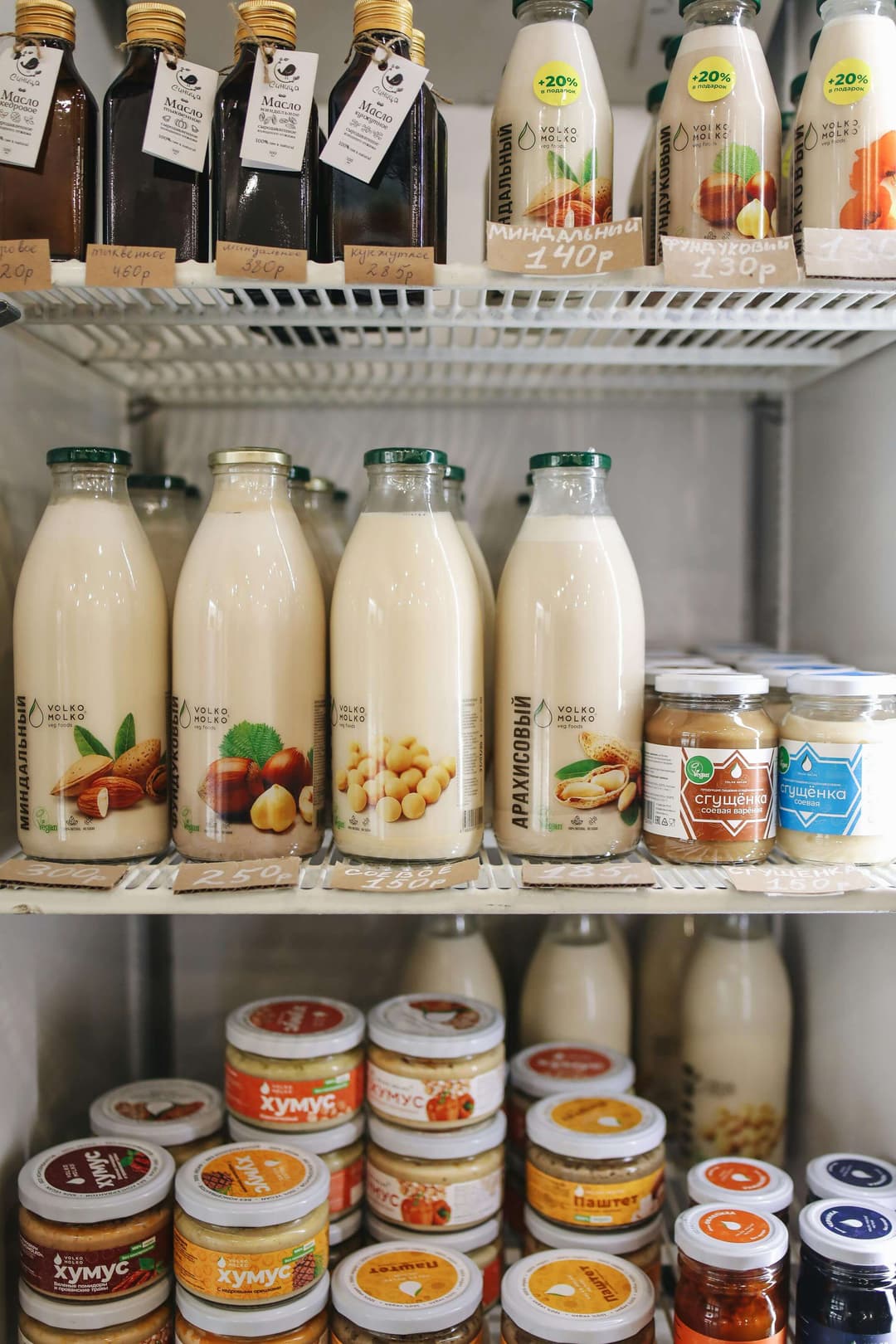
Prima di tutto, sappiate questo: i rivenditori vogliono prodotti che si vendano. Velocemente. E vogliono clienti che tornino grazie a questi prodotti. Design accattivante, prezzi intelligenti, domanda chiara: questi vi danno un vantaggio iniziale. Ma sotto tutto ciò, alcuni dettagli chiave fanno la differenza più grande. Analizziamoli.
Attrattiva sugli scaffali e confezionamento per la vendita al dettaglio
Tre secondi: è il tempo che un cliente impiega per decidere se il vostro prodotto è importante. Se il prezzo non è chiaro, l'etichetta è disordinata o la descrizione è vaga, passano oltre. Il confezionamento è più di un design; è prontezza per la vendita al dettaglio. I prodotti che sembrano eleganti, professionali e affidabili sono quelli che vengono scelti.
Caratteristiche uniche e differenziazione
Perché un negozio dovrebbe scegliere il vostro prodotto e non quello a destra? La risposta sta tipicamente nella differenziazione e nelle caratteristiche uniche. Quei prodotti che risolvono un bisogno o offrono qualcosa di nuovo al mercato sono più attraenti per i rivenditori. Potrebbe essere un nuovo gusto, un design più intelligente o forse un materiale ecologico. L'obiettivo è semplice: offrire ai rivenditori una ragione per pensare che i clienti si fermeranno, guarderanno e acquisteranno.
📦 Che abbiate bisogno di una fornitura affidabile di materie prime, di un co-packer fidato o di un co-manufacturer per scalare la produzione, il supporto giusto fa tutta la differenza. 👉 Connettetevi con i partner che possono aiutarvi a portare un prodotto pronto per il mercato ai rivenditori più velocemente.
Domanda comprovata
I rivenditori non prendono rischi. Hanno bisogno di vedere prove che il vostro prodotto si venderà, e queste prove possono assumere molte forme. Considerate le cifre di vendita, gli ordini ripetuti online o anche le testimonianze dei clienti. I brand mostrano anche il loro successo sul mercato attraverso eventi pop-up riusciti o collaborazioni con negozi locali più piccoli. Essenzialmente, qualsiasi cosa che dica "questo prodotto non raccoglierà polvere" fa sentire più sicuri gli acquirenti al dettaglio.
Prezzi competitivi
Il prezzo è dove la maggior parte delle proposte fallisce. I clienti cercano prodotti che soddisfino le loro esigenze di margine ma che non siano troppo costosi. Qui serve un buon piano di prezzi all'ingrosso. Ovvero, avete considerato i costi di produzione, avete fissato un prezzo che vi avvantaggi e che avvantaggi il rivenditore, ma che sia comunque competitivo, così che gli acquirenti non esitino quando arrivano alla cassa. Trovate questo equilibrio e sembrerete un'azienda affidabile all'ingrosso piuttosto che solo un altro brand che tenta la fortuna.
Esempi di categorie di prodotti di tendenza per i rivenditori
I rivenditori cercano sempre prodotti che effettivamente si vendono e attirano più clienti. Alcune categorie emergono anno dopo anno perché attirano un traffico costante, mantengono le vendite e portano i proprietari dei negozi al punto in cui sanno che seguiranno nuovi ordini. Esaminiamo cinque categorie che i rivenditori di tutte le dimensioni stanno osservando nel 2025.
Prodotti Alimentari Specializzati
Marchi indipendenti di snack artigianali, bevande biologiche e alimenti con etichette pulite stanno ottenendo buoni risultati. Gli acquirenti al dettaglio capiscono che questi articoli generano acquisti ripetuti da parte dei consumatori alla ricerca di ingredienti migliori e sapori innovativi. Vendi prodotti alimentari all'ingrosso come shot di kombucha, prodotti da forno senza glutine o salse piccanti, poiché stanno trovando spazio nei negozi locali, nei negozi indipendenti e persino nei grandi rivenditori grazie alla loro capacità di generare vendite costanti.
🍫 Pronto a trasformare la tua idea in un prodotto di successo? Con Torg, puoi approvvigionarti di beni di alta qualità a marchio privato e connetterti direttamente con oltre 60.000 acquirenti in tutto il mondo. Inizia oggi a trovare e vendere i tuoi prodotti a marchio privato.
Featured wholesale products

Matcha Culinary Grade Organic (Kyoto, Japan) 20kg
€525.00

Balsamico Vinegar Creme - PET 250 ml
€0.94

Organic bar with black sesame, almond and honey 6x34g 6x 34g
€1.43

Sundried tomatoes 180g
€1.14

Extra Virgin Olive Oil 1L
€3.84

Earl Grey Tea 50 Bags 100g
€1.02


Dried Apricots 500g
€2.40
Salute e Benessere
Integratori, bevande funzionali e prodotti attenti alla salute stanno vendendo molto. I consumatori desiderano prodotti che si integrino nello stile di vita quotidiano e vogliono prove che funzionino. Barrette proteiche vegetali, polveri di adattogeni o bevande energetiche con ingredienti naturali rientrano in questa categoria. I rivenditori locali solitamente danno una possibilità ai marchi indipendenti, soprattutto se ci sono dati di vendita o feedback dei clienti a supporto.
Prodotti Sostenibili ed Ecosostenibili
Gli acquirenti al dettaglio riconoscono chiaramente il fascino dei prodotti sostenibili. Dal packaging ricaricabile e prodotti per la pulizia ecologici agli articoli da toilette a zero rifiuti, questi prodotti si allineano con le tendenze del mercato al dettaglio di oggi. I rivenditori preferiscono prodotti che dimostrano domanda e che offrono loro anche una storia da raccontare ai clienti. Essenzialmente, i prodotti che riducono gli sprechi hanno maggiori opportunità di spazio sugli scaffali.
Gadget Tecnologici e Accessori
Dispositivi per la casa intelligente, accessori per telefoni e dispositivi semplici che offrono soluzioni a problemi quotidiani continuano ad essere sotto i riflettori. Pad di ricarica wireless, mini proiettori o custodie per telefoni con supporto integrato sono di tendenza sia nei piccoli rivenditori che nei grandi rivenditori. Per i rivenditori, questi prodotti si vendono rapidamente e solitamente portano a ordini in grandi quantità perché è necessario più stock quando la domanda è alta.
Prodotti per la Casa e Stile di Vita
Anche i prodotti che semplificano la vita o la rendono un po' più piacevole sono ottimi candidati. Un utensile da cucina ingegnoso, un accessorio per la casa elegante, persino un piccolo purificatore d'aria—questi sono i tipi di articoli che le persone chiamano "trattamenti utili". I negozi li amano perché rinnovano l'assortimento e aumentano le vendite. E il fascino funziona ovunque, dai piccoli negozi alle catene nazionali, attirando nuovi acquirenti e clienti abituali.
Come costruire relazioni di lungo termine nel settore retail
Firmare un accordo con un rivenditore è una cosa. Mantenerlo e sviluppare una buona relazione che si espande anno dopo anno è tutt'altra cosa. Non sono i fornitori che i rivenditori cercano, ma partner su cui possono contare. Partner che li aiutano a vendere di più, non solo a consegnare scatole. Ma come assicurarsi che quel legame duri?
Mantieni una comunicazione aperta
Le notizie viaggiano bene nel settore retail. Un nuovo lancio, una promozione stagionale, persino commenti da un altro negozio, tutto vale la pena di essere condiviso. Ma ecco il punto: non aspettare la grande vendita per parlare. Follow-up regolari trasformano una transazione in una partnership. Dimostrano ai compratori che sei attivo, attento e interessato a più di una singola vendita.
Supportare i rivenditori
I commercianti preferiscono fornitori che non li lasciano nei guai. Offrire loro campioni di prodotto, supporto dimostrativo nei loro negozi o persino formazione per il personale può fare una grande differenza. Considera questo: se il loro personale di vendita sa chiaramente come parlare del tuo prodotto, c'è una maggiore probabilità di vendite ripetute. Alcuni marchi mettono persino insieme volantini rapidi o kit per i social media che i commercianti possono utilizzare con meno sforzo.
Monitorare le prestazioni e i riordini
Le cifre di vendita sono tue amiche in questo caso. Monitora quali prodotti si vendono rapidamente e quali rimangono indietro. Se un prodotto si vende come il pane, assicurati che il negozio abbia scorte sufficienti per soddisfare la domanda. Apparentemente, nulla irrita i rivenditori tanto quanto scaffali vuoti quando i clienti richiedono un prodotto. Fornire promemoria per i riordini o il rifornimento automatico può anche fare la differenza.
Premia la fedeltà
Le partnership con i rivenditori prosperano quando entrambe le parti ne traggono beneficio. Offrire tariffe scontate, sconti per riordini anticipati o lanci di prodotti esclusivi ai partner di lunga data solidifica la fiducia. In qualche modo, anche il gesto più piccolo—come condividere un pacchetto di "grazie" o dare ai rivenditori un vantaggio sui nuovi lanci—può fare una grande differenza. Non stai costruendo la fedeltà su un grande accordo; la stai costruendo su piccoli gesti che dimostrano che tieni alla partnership.
Errori da evitare quando si vende ai rivenditori
I prodotti sugli scaffali sono entusiasmanti, ma è anche facile inciampare sui dettagli più importanti per gli acquirenti al dettaglio. I rivenditori ricevono così tante proposte di prodotti che anche piccoli errori possono far sì che trascurino il tuo prodotto. Di seguito sono riportati alcuni degli errori più comuni e come evitarli al meglio.
Ignorare la ricerca sugli acquirenti al dettaglio
Altri si rivolgono ai rivenditori senza sapere realmente cosa stanno cercando. Questo è utile quanto sparare nel buio. Tutti i responsabili degli acquisti cercano prodotti che si adattino ai loro gruppi di clienti e alle tendenze prevalenti del mercato al dettaglio. Controlla i loro scaffali, esamina le loro vendite e osserva cosa stanno immagazzinando rivenditori simili prima di avvicinarti agli acquirenti al dettaglio. Essere preparati ti fa apparire professionale e indica che apprezzi il loro tempo.
Trascurare il packaging e l'appeal sugli scaffali
Anche se il tuo prodotto è eccellente, un packaging scadente può uccidere rapidamente la trazione del prodotto. I proprietari dei negozi e gli acquirenti al dettaglio desiderano prodotti che siano accattivanti, dall'aspetto professionale e che proiettino chiaramente valore. Essenzialmente, il tuo prodotto pronto per la vendita al dettaglio deve stupire nel momento in cui raggiunge lo spazio sugli scaffali. Considera etichette, colori e informazioni complete sul prodotto che rendano facile per i consumatori scegliere il tuo prodotto rispetto agli altri. Scopri di più sulle tendenze del packaging qui.
Sottovalutare i prezzi e i margini
Un punto in cui la maggior parte dei marchi indipendenti fallisce è il prezzo. Addebitare meno per farsi notare potrebbe attirare attenzione, ma se erode troppo i margini, non sarai in grado di rimanere in attività. Addebitare troppo, invece, tende a confondere i potenziali rivenditori. Il punto ideale è un modello di prezzo all'ingrosso che avvantaggi sia il rivenditore che te, ma che rimanga attraente per i clienti.
Non offrire prove sociali
I commercianti richiedono la certezza che il tuo prodotto effettivamente si venda. Senza prove, stanno rischiando—e la maggior parte non correrà quel rischio. Le prove sociali per gli acquirenti al dettaglio si presentano in molteplici forme: dati di vendita, feedback dei clienti, case study o persino contenuti generati dagli utenti basati sulle vendite online. Presentare tali prove rende la tua presentazione più convincente e fornisce ai proprietari dei negozi la fiducia di cui hanno bisogno per ordinare stock in grandi quantità o trasportare più merce.
Case studies sulla vendita ai rivenditori
Alcuni marchi individuali sono riusciti a crescere orientandosi strategicamente verso i rivenditori e dimostrando il loro valore. Queste storie rivelano che vendere ai punti vendita non è una questione di fortuna. È una questione di tempismo, creare domanda e dimostrare agli acquirenti che il tuo prodotto si venderà. Esaminiamo alcune storie di successo nel retail che ci raccontano come marchi più piccoli siano entrati nei grandi rivenditori e abbiano aumentato lo spazio sugli scaffali in modo redditizio.
Cleancult — Da Online a In-Store tramite Walmart
Cleancult è iniziato come un marchio DTC basato sulla pulizia sostenibile. Competere con giganti globali non è stato un compito facile. Invece di inseguire spazio sugli scaffali, si sono dimostrati online. Vendere su Walmart Marketplace ha dato loro portata di mercato, mentre Walmart Fulfillment Services e annunci mirati hanno garantito consegne rapide e maggiore visibilità.
Hanno anche migliorato le loro pagine prodotto con immagini migliori e descrizioni più incisive, del tipo che ha fatto credere agli acquirenti nel marchio. E ha funzionato. Il tasso di conversione di Cleancult ha raggiunto il doppio della media del marketplace, e solo un anno dopo, i loro prodotti erano presenti in 3.000 negozi Walmart. Il punto è abbastanza chiaro: se ti dimostri online e consegni costantemente, gli acquirenti al dettaglio lo noteranno.
Pair of Thieves — Marchio di Abbigliamento che Scala Vendite all'Ingrosso e nei Punti Vendita
Pair of Thieves, un'azienda di biancheria intima e calze, si è espansa dividendo equamente i loro canali all'ingrosso e direct-to-consumer fin dall'inizio. Hanno identificato un vuoto nel mercato dell'abbigliamento basico, offrendo comfort e stile a prezzi che i consumatori erano disposti a pagare. Quella semplicità li ha portati a ottenere una grande opportunità con Target. Quando gli acquirenti di Target hanno visto che i loro prodotti vendevano bene, Pair of Thieves si è espansa rapidamente a migliaia di punti vendita.
La cosa interessante è che non si sono fermati solo all'ingrosso. Hanno continuato a testare nuovi design online prima di portarli nei rivenditori, così ogni nuovo articolo aveva già una domanda dimostrata. Ora, l'ingrosso rappresenta la maggior parte dei loro ricavi, con i loro articoli presenti sia in Walmart che venduti a Target in tutto il paese. La loro storia è una dimostrazione di come la gestione delle relazioni con i rivenditori cresca quando si supportano i rivenditori con qualità, unicità e uno schema di prezzi che avvantaggia tutti nella linea.
Travelhouse — Visibilità e Fulfillment che Guidano la Convergenza Retail-Online
Travelhouse, un'azienda di valigie, è un altro esempio di come le piattaforme digitali guidino un'azienda verso una robusta performance retail. Piuttosto che dipendere da fiere o chiamate a freddo, si sono concentrati sulla creazione della loro visibilità come inconfondibile online. Hanno puntato molto sui servizi di fulfillment di Walmart per garantire spedizioni rapide e robusti rapporti di consegna, che i rivenditori apprezzano sempre.
Contemporaneamente, hanno investito in sforzi pubblicitari evidenziando i loro set di valigie, aumentando visibilità e traffico. Con costi di fulfillment controllati, hanno potuto quindi mantenere il prezzo competitivo. Quel mix di alta visibilità, consegna rapida e prezzi competitivi ha catalizzato una grande crescita nelle vendite e nella base clienti. Il caso dimostra che anche nelle categorie di vendita al dettaglio tradizionali, gli strumenti online possono svolgere un ruolo fondamentale nel convincere gli acquirenti che il tuo marchio merita un posto in magazzino.
Creare un prodotto che i rivenditori amano con Torg
I rivenditori non cercano solo nuovi prodotti — cercano prodotti che si vendano rapidamente, generino acquisti ripetuti e rafforzino la fedeltà dei clienti. Per soddisfare questo standard, il tuo prodotto ha bisogno di più di un ottimo sapore, confezione o prezzo. Ha bisogno della giusta base: approvvigionamento di qualità, produzione affidabile e comprovata prontezza al dettaglio. È qui che entra in gioco Torg.
Con accesso a 60.000+ acquirenti verificati in tutto il mondo e una vasta rete di produttori, Torg semplifica la creazione di prodotti che i rivenditori vogliono davvero sugli scaffali. Che tu stia cercando materie prime, trovando un partner di produzione o espandendoti in opportunità di private label, Torg ti offre le connessioni per scalare in modo intelligente.
Invece di passare mesi inseguendo gli acquirenti sbagliati o lottando con partner inaffidabili, puoi usare Torg per:
- Trovare fornitori affidabili per materie prime e confezioni.
- Collaborare con co-packer e produttori che ti aiutano a scalare in modo efficiente.
- Abbinarti con acquirenti al dettaglio che cercano attivamente la tua categoria di prodotto.
Ottimizzando il percorso dall'approvvigionamento alla vendita, Torg ti aiuta a concentrarti su ciò che conta di più: costruire un prodotto che i rivenditori adorano — e che i clienti acquistano ancora e ancora.
👉 Inizia a creare oggi stesso il tuo prossimo prodotto pronto per il dettaglio con Torg.
Richiedi preventivo per ordine all'ingrosso
Ordine semplice, prezzi trasparenti, consegnato direttamente a casa tua
Domande frequenti
1. Come posso far entrare il mio prodotto in Walmart/Target/Costco?
Per vendere a grandi rivenditori come Walmart/Target/Costco, devi avere un prodotto pronto per il mercato al dettaglio con costi all'ingrosso e un pitch convincente già stabilito. Completa l'onboarding dei fornitori, preconfeziona campioni di prodotto e dimostra una domanda basata su evidenze. Ad esempio, i produttori di snack spesso entrano offrendo una solida storia di vendite da rivenditori più piccoli prima di espandersi nei negozi di grandi dimensioni.
2. Ho bisogno di un distributore per vendere ai rivenditori?
Non sempre. Puoi vendere direttamente a negozi indipendenti e piccole catene. Ma i distributori per il commercio al dettaglio aiutano quando si tratta di negozi più grandi come Target o di vendite a Costco. Ad esempio, i marchi di bevande tendono a utilizzare distributori per gestire la logistica di massa e la distribuzione nazionale.
3. Quanto costa vendere attraverso i rivenditori?
Per i marchi piccoli e medi, l'investimento iniziale di solito varia tra $10.000 e $40.000. Questo include il packaging al dettaglio ($2.000–$8.000), la produzione in grandi quantità, gli sforzi di marketing ($5.000–$15.000), la spedizione e gli sconti per i rivenditori. Le aziende di bevande, ad esempio, spesso accantonano circa $20.000 in anticipo quando si preparano per la distribuzione nei grandi magazzini.
4. Perché i rivenditori rifiutano i prodotti?
I rifiuti si verificano tipicamente a causa di una scarsa collocazione sugli scaffali al dettaglio, etichette poco chiare, una domanda insufficiente dimostrata o prezzi eccessivi. I rivenditori richiedono garanzie che i prodotti si venderanno. Ad esempio, i prodotti per la pulizia ecologici che rinunciano a confezioni robuste tendono a soffrire, indipendentemente da quanto sia valida la loro formula.