



Vin en fûts : pourquoi le vin à la pression connaît un essor en 2025
Le vin en fûts connaît un essor en 2025. Découvrez pourquoi le vin en fontaine gagne en popularité, ses avantages, et comment les vignobles, bars et distributeurs peuvent tirer parti de cette tendance.
200+ acheteurs font confiance à Torg pour l'approvisionnement







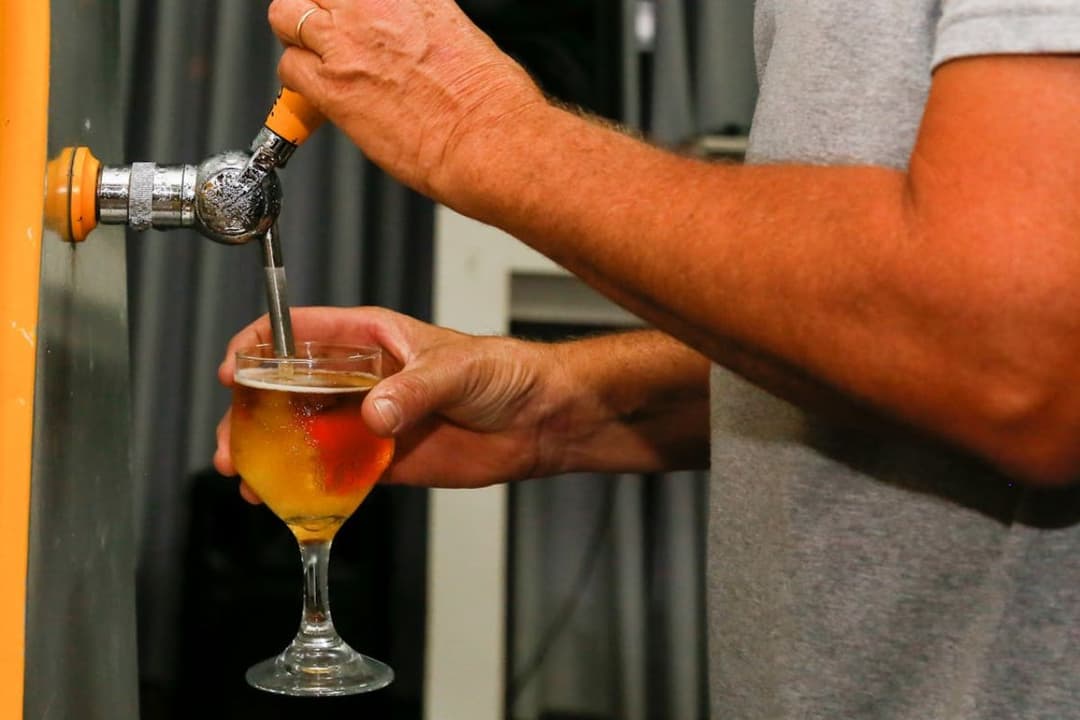
Le monde du vin a récemment connu un changement de rythme intéressant. Les petits restaurants et même les bars des stades se tournent désormais vers le vin en fûts. En partie parce que le service devient plus facile, et en partie parce que les clients apprécient une dégustation plus fraîche. Certains qualifient le vin en fût de « amélioration pratique », tandis que d'autres le considèrent comme un changement discret qui résout les problèmes habituels liés aux bouteilles. Vous connaissez la routine : problèmes de stockage, vin gaspillé et qualité inconstante.
De nombreux exploitants recherchent une configuration qui améliore les marges, le flux de travail et la durabilité. Un système de vin en fût ou un système de vin en fût tend à répondre à tous ces critères. Et si vous vous êtes demandé pourquoi tant de vignobles proposent désormais du vin en fût, ou pourquoi un distributeur de vin en fût apparaît de plus en plus sur les listes d'équipements de bar, ce guide vous éclairera. Nous passerons en revue les types de fûts de vin, les conseils d'achat et de vente, les prix et les tendances qui façonnent l'adoption des systèmes de vin en fût en 2025.
Aperçu du marché du vin en fûts
Le marché du vin en fûts connaît une croissance depuis des années, mais 2025 semble différent. Il y a une impulsion plus forte maintenant, et les acteurs de l'industrie peuvent la ressentir. Certains demandent, « Pourquoi tout le monde parle soudainement de cette configuration ? » La réponse réside dans un mélange de pressions simples et concrètes. Les établissements veulent des emballages de vin durables, la main-d'œuvre coûte cher, les salles de stockage se rétrécissent, et les villes ajoutent des règles concernant les déchets de verre.
Les caves élargissent leur approche. Elles lancent désormais des fûts de vin recyclables, des formats de fûts de vin réutilisables, et des vins conçus spécifiquement pour les programmes de distribution au verre. Du côté de l'hôtellerie, de nombreux opérateurs se tournent vers le vin au verre non pas comme une tendance, mais comme un moyen d'éviter les tracas quotidiens—comme jeter des bouteilles à moitié consommées ou gérer des versements irréguliers pendant les heures de pointe. Cette configuration permet de maintenir un service constant, ce qui est plus important qu'on ne le croit.
L'effet d'entraînement est évident. Les fournisseurs de fûts de vin, les distributeurs, les fabricants d'équipements et les producteurs spécialisés dans les fûts constatent tous une demande accrue. Vous remarquerez que les tendances du vin au verre sont mentionnées dans la plupart des rapports sur l'hôtellerie cette année, notamment à mesure que davantage d'établissements envisagent des emballages de vin en vrac, installent des systèmes de distribution de vin au verre commerciaux plus grands, et recherchent des moyens de réduire les déchets sans compliquer les opérations quotidiennes.
🍷 Que vous soyez un bar, un distributeur ou une cave, le vin en fûts ouvre de nouvelles opportunités commerciales. Torg vous aide à trouver des partenaires vérifiés prêts à développer la production ou l'approvisionnement en fûts. 👉 Inscrivez-vous dès aujourd'hui pour comparer les offres, simplifier l'approvisionnement et croître sur le marché en pleine expansion du vin au verre.
Pourquoi les vignobles, les bars et les consommateurs apprécient le vin en fût

Les gens ne passent pas à quelque chose de nouveau à moins que cela ne résolve de vrais problèmes. C'est la simple vérité. Le vin en fût gagne en popularité car il élimine de nombreuses petites frustrations qui s'accumulaient pendant le service.
Des versements plus frais et une meilleure stabilité en rayon
Ouvrez une bouteille, et l'oxygène commence immédiatement à altérer le vin. Il n'attend pas. Un fût de vin, en revanche, reste scellé tandis qu'un gaz doux pousse le vin à travers la ligne. Rien d'autre ne le touche.
Ce type de configuration permet au vin de conserver un goût propre et constant pendant une longue période, que ce soit quelques semaines ou plus, selon le système de fût de vin en place. Les établissements apprécient de ne pas avoir à jeter les restes, et les clients obtiennent un verre qui a toujours le bon goût.
Des marges bénéficiaires plus élevées et moins de gaspillage
Les chiffres sont faciles à constater dans la réalité. Vous gérez moins d'emballages, il y a peu voire pas de casse, le stockage devient plus léger et le gâchis diminue fortement. Chaque changement semble mineur en soi, mais l'impact global se manifeste rapidement dans les marges.
Les restaurants qui passent à un système de vin en fût remarquent souvent l'amélioration rapidement. Les coûts se stabilisent, les versements s'équilibrent, et l'équipe passe moins de temps à gérer les déchets liés au vin. C'est l'un de ces changements qui rapportent plus vite que prévu.
La durabilité comme véritable avantage commercial
De nombreux opérateurs souhaitent des programmes plus écologiques sans complications, et le vin en fût leur offre cela. Un fût de vin remplace environ 26 bouteilles. Cela réduit finalement la manipulation du verre et le poids du transport. Un fût de vin en acier inoxydable peut durer des années, tandis que les fûts de vin recyclables en PET ou en fibre soutiennent les objectifs écologiques avec moins d'effort.
C'est une manière simple d'intégrer la durabilité dans le service quotidien sans compliquer le flux de travail.
Un meilleur flux de travail pour les établissements fréquentés
Dans un bar bondé, ouvrir des bouteilles sans arrêt peut ralentir tout le monde. Quiconque a travaillé pendant une période de pointe sait à quelle vitesse le chaos s'installe. Avec un distributeur de vin en fût, la routine devient simple. Il suffit de tirer le robinet, de remplir le verre et de passer à la commande suivante.
Pas de marathons d'ouverture de bouteilles, pas de piles de verre à gérer, et pas de retards pendant les heures de pointe. Cela permet à l'équipe de garder le rythme et aux clients de rester satisfaits.
Quels sont les types de fûts de vin ?
Les lieux ne fonctionnent pas tous de la même manière, c'est pourquoi le monde du vin utilise plusieurs styles de fûts. Certains sont conçus pour un usage intensif et répété, tandis que d'autres privilégient une manipulation légère ou une distribution simple à sens unique.
Fût de vin en acier inoxydable
De nombreuses caves choisissent un fût de vin en acier inoxydable. Généralement lorsqu'elles recherchent quelque chose de robuste et durable. Il supporte un usage répété sans problème et maintient une pression stable tout au long du service. Il protège également le vin de l'oxygène et de la lumière, aidant ainsi à préserver la saveur là où elle doit être. Comme il fonctionne parfaitement avec la plupart des systèmes de vin en fût, c'est un choix courant pour les programmes de fûts à long terme.
Fûts de vin en PET
Les fûts de vin en PET remplissent un rôle plus flexible. Ils sont plus légers, se déplacent facilement et coûtent généralement moins cher que les options en acier. C'est pourquoi ils apparaissent souvent dans les expéditions d'exportation, les grands événements et les endroits où le retour d'un fût plus lourd n'a pas de sens. Beaucoup de ces formats en PET sont recyclables, ce qui convient bien aux marques visant un emballage de vin durable tout en gardant le transport simple et abordable.
KeyKeg et systèmes Bag-in-Keg
KeyKeg et d'autres systèmes de vin bag-in-keg suivent une structure de sac et de coque. Le gaz pousse à l'extérieur du sac, et non dans le vin, aidant le liquide à rester stable sans absorber quoi que ce soit. Ce design simple préserve la qualité du premier au dernier verre.
Ces formats sont également connus pour leur praticité. Étant donné qu'il s'agit d'options de fûts de vin à usage unique, il n'y a pas de nettoyage, pas de récupération, et aucun cycle de retour à gérer. Pour de nombreuses caves et lieux, cette facilité d'utilisation est une solution idéale.
Comment fonctionnent les systèmes de fûts de vin
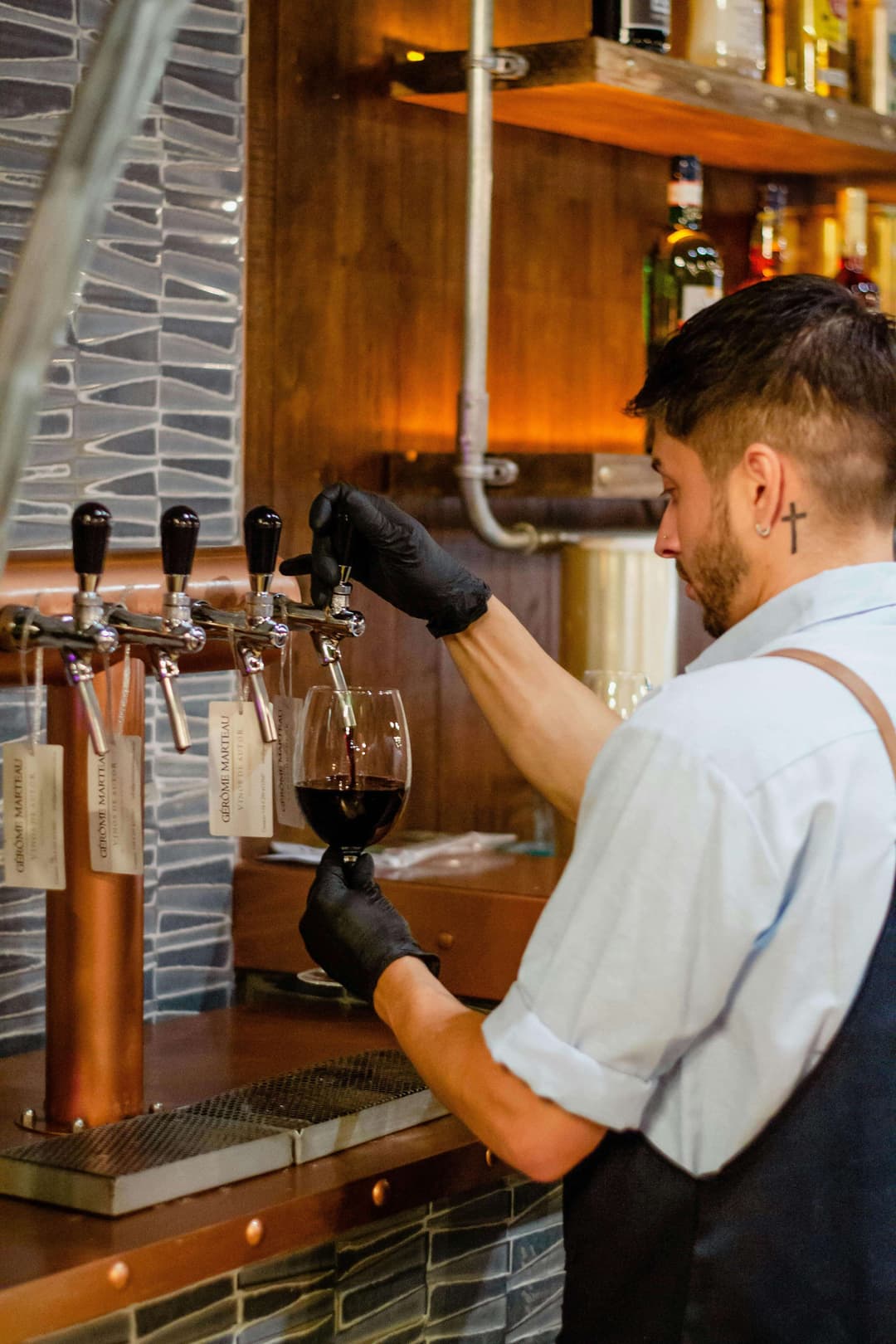
Un système de fût de vin peut sembler plus technique qu'il ne l'est réellement. L'installation se résume à quelques éléments qui fonctionnent ensemble : le fût, le gaz qui le pousse, le matériel de robinetterie et les conduites transportant le vin. C'est le cœur de tout le processus. Une fois que vous voyez comment chaque pièce s'assemble, le système paraît plus simple.
1. Le vin est placé dans un fût scellé
Les producteurs remplissent soit un fût de vin en acier inoxydable, un fût en PET ou un format de vin en sac dans un fût, selon le programme. Chaque fût reste scellé dès qu'il quitte la cave. Aucun air ne s'infiltre, ce qui est bien plus important qu'on ne le pense. Cet environnement scellé maintient le vin stable, protégé et prêt à être servi. Cette étape est très importante car l'oxygène modifie rapidement la saveur, et les fûts éliminent entièrement ce problème.
2. Le gaz pousse le vin hors du fût
Dans la plupart des installations, les établissements utilisent de l'azote ou un mélange d'azote pour créer la pression adéquate. Le gaz ne touche pas le vin dans de nombreux systèmes, en particulier dans les formats de sac dans un fût. Il ne fait que pousser par derrière, ce qui évite l'oxydation et préserve le caractère du vin du premier verre au dernier.
Cette étape est ce qui permet au vin en fût de conserver sa fraîcheur même après plusieurs semaines de service.
3. Le vin circule dans des conduites réfrigérées ou à température ambiante
Le vin passe ensuite par les conduites de service—réfrigérées pour les blancs et les rosés, à température ambiante pour les rouges. La température est stable, le flux est fluide et le vin conserve sa saveur prévue. Un système bien installé rend cette partie presque sans effort.
4. Le personnel actionne le robinet et sert
Lorsque le service commence, le processus devient simple. Le personnel actionne le robinet, sert le verre et passe à la commande suivante. Pas besoin de bouchons, de changements de bouteilles, et aucune interruption pendant les périodes de forte affluence. Dans une salle de restaurant pleine, ce genre de facilité peut valoir son pesant d'or.
Comment acheter du vin en fûts
Acheter du vin en fûts n'est pas compliqué, mais il est utile de prendre le temps de choisir le bon partenaire. Un fournisseur solide peut faire ou défaire votre programme. Pensez-y de cette façon : si le vin n'est pas constant, toute l'installation de la tireuse perd son intérêt.
Travaillez avec des fournisseurs ou distributeurs de fûts de vin fiables
Commencez par des fournisseurs de fûts de vin qui connaissent parfaitement les vins prêts pour les fûts. Ils comprennent la logistique, la manipulation et le fonctionnement de la production adaptée à l'azote. Un distributeur de fûts de vin fiable aide également avec les retours, les échanges et les vérifications de fraîcheur. Vous voulez quelqu'un qui soutient votre programme, pas quelqu'un qui vous laisse dans l'incertitude.
Vérifiez si les vins sont conçus pour les fûts
Les vins se comportent différemment une fois qu'ils sont mis en fût. Certains assemblages sont conçus avec le service en fût à l'esprit, ils supportent donc le faible oxygène et la pression constante sans perdre leur caractère. Ils restent équilibrés plus longtemps, ce qui n'est pas toujours le cas avec le vin en bouteille. Si vous voulez une sélection fiable de vins à la pression, c'est un détail que vous ne devez pas négliger.
Comparez l'acier inoxydable et les formats à usage unique
Votre emplacement joue un rôle important ici. Dans les villes denses, un fût de vin réutilisable, comme un format en acier inoxydable, convient bien car le circuit de retour est facile. Dans les zones plus étendues où les coûts de ramassage augmentent, un fût de vin à usage unique tel que le PET ou KeyKeg pourrait être une solution plus intelligente. Les deux options répondent à des besoins différents, il vaut donc la peine de considérer ce qui convient à votre exploitation.
Achetez du vin en fûts spécifiquement pour les restaurants et bars
De nombreuses caves produisent désormais des vins spécifiquement pour le service à la pression. Vous remarquerez des options marquées comme vin en fûts pour restaurants ou vin en fûts en gros pour les lieux qui servent de plus grands volumes. Ces éditions axées sur les fûts sont conçues pour circuler facilement dans une installation de tireuse, facilitant le service quotidien une fois qu'elles sont connectées au système.
Comment vendre du vin en fûts
Vendre du vin en fûts apporte un rythme différent par rapport aux bouteilles. Les acheteurs recherchent un service plus régulier, un flux de travail plus propre et une stabilité à long terme, ce qui modifie naturellement les discussions. Les domaines viticoles remarquent souvent ce changement dès qu'ils proposent des options en fût et entendent les exploitants poser des questions sur la performance du vin au robinet, sa stabilité et son soutien à leurs objectifs de durabilité.
Créer des SKU spéciaux pour la consommation sur place
De nombreux restaurants recherchent des vins qui tiennent bien pendant le service et assurent un débit régulier du début à la fin. Créer des assemblages uniquement pour les fûts vous permet de concevoir des vins spécifiquement pour une utilisation en fût, sans chevauchement avec votre gamme en bouteille. Certains acheteurs apprécient même d'avoir des SKU exclusifs pour les fûts, car ils ajoutent une touche distincte à leur liste de vins au verre.
Collaborer avec un distributeur solide
Un distributeur de vin en fût fiable est très important dans le processus. Il gère les aspects difficiles—les itinéraires, les retours, les collectes et la coordination—pour que vous n'ayez pas à jongler avec la logistique. Un partenaire solide sait également quels établissements développent leurs listes de vin au robinet et peut présenter votre produit aux bonnes personnes plus rapidement.
Promouvoir la durabilité auprès des acheteurs
Les équipes de l'hôtellerie se soucient plus que jamais de l'impact environnemental. Lorsque vous parlez de votre programme, mettez en avant les avantages des emballages de vin écologiques, que vous utilisiez des formats de fûts réutilisables ou des fûts de vin recyclables. Les acheteurs sont sensibles à des aspects comme le poids de transport réduit, la diminution des casse et l'absence de verre à usage unique. Ces détails influencent souvent la décision.
Offrir une formation et un soutien
Même les exploitants expérimentés apprécient les conseils. Un rapide aperçu de l'installation, de l'entretien et de la manipulation les aide à se sentir confiants pour servir votre vin au robinet. De nombreux domaines viticoles proposent des fiches de formation simples ou une courte démonstration, ce qui contribue grandement à maintenir le programme en bon état de marche. Un peu de soutien aujourd'hui prévient les problèmes de demain.
Tarification du vin en fût

Les prix du vin en fût varient d'un endroit à l'autre, bien que le modèle général soit facile à comprendre une fois que vous examinez les éléments mobiles. Un fût de 19,5–20L—environ l'équivalent de 26 bouteilles—se rapproche souvent du prix de gros par caisse. Certains établissements pourraient demander, « Pourquoi est-ce si similaire ? » mais rappelez-vous, les économies apparaissent généralement du côté du service, pas sur la facture.
Pour un fût de 20L, les vins se situent souvent entre 120 $ et 260 $, tandis que les sélections plus raffinées se rapprochent de 280–450 $. Sur les marchés européens, les fûts de gamme moyenne se situent généralement autour de 110 € à 240 €, avec certaines offres premium dépassant largement 300 €. Le prix final peut varier en fonction de l'endroit où il est vendu, de la manière dont le vin est fabriqué et de la demande pour ce style.
De nombreux facteurs influencent le prix :
- Type de fût — acier inoxydable, PET ou formats bag-in-keg
- Qualité de la vinification, en particulier la stabilité pour le service à la pression
- Volume commandé, car les grands comptes négocient souvent de meilleurs tarifs
- Logistique, y compris les itinéraires de livraison et les retours
- Coût des systèmes de vin en fût, qui peuvent aller de 900 à 6 500 $ USD selon la taille et le nombre de lignes
Les restaurants et les bars constatent généralement des marges plus fortes après être passés au vin en fût, car il n'y a presque pas de gâchis, pas de casse, et pas de bouteilles à moitié vides qui partent au rebut. Avec le temps, cette différence s'accumule, c'est pourquoi de nombreux exploitants privilégient les programmes de fûts même lorsque le prix initial semble similaire à celui du vin en bouteille.
Vin en fûts vs vin en bouteilles
Comparer le vin en fût et le vin en bouteille n'est pas une compétition, mais plutôt un choix pratique. Chaque établissement fonctionne différemment. Certains ont besoin de versements rapides, d'une fraîcheur constante et d'une configuration qui facilite le service, ce qui fait du format en fût un choix naturel pour leur flux de travail. D'autres se concentrent sur la présentation, le storytelling et les ventes au détail, ce qui place les bouteilles au centre. Les deux formats jouent des rôles différents, et c'est ce qui rend la décision pratique plutôt que dramatique.
Vin en fût
Avec le vin en fût, tout reste scellé jusqu'au moment où il est versé via un système de vin à la pression. Cette configuration maintient la saveur constante, limite le gaspillage et élimine la tâche répétitive d'ouvrir bouteille après bouteille. Les établissements apprécient la prévisibilité du service, en particulier pendant les périodes de forte affluence. L'aspect durable joue également un rôle important : les modèles de fûts de vin réutilisables et les fûts de vin recyclables réduisent considérablement la quantité de verre dans le flux de déchets.
Vin en bouteille
Les bouteilles séduisent pour différentes raisons. Elles soutiennent la tradition et le storytelling, que ce soit à travers l'étiquette, le millésime ou la présentation à table. De nombreux clients aiment encore choisir une bouteille, de la même manière qu'ils sélectionnent un plat ou une friandise préférée. Pour les établissements qui n'ont pas de place pour un distributeur de vin en fût, ou ceux qui ne visent pas un service à la pression, les bouteilles restent le choix pratique. Elles s'intègrent parfaitement aux étagères de vente au détail, aux cadeaux et aux listes personnalisées, ce qui les rend pertinentes dans toute l'industrie.
Réglementations sur le vin en fût et exigences en matière d'étiquetage
Les règles concernant le vin en fût varient d’un endroit à l’autre, c’est pourquoi les opérateurs vérifient souvent les détails avant de mettre en place un programme. Une région peut avoir des directives simples, tandis qu’une autre impose des contrôles plus stricts. Il est plus facile de traiter ces exigences comme une liste de vérification pratique qui permet de garder à la fois le lieu et le vin en bon état. Alors, que faut-il surveiller ?
- Normes de nettoyage et de désinfection des fûts : Chaque région définit ses propres attentes concernant le nettoyage, le remplissage ou la mise hors service d’un fût de vin. Les formats en acier inoxydable suivent souvent un cycle de retour et de nettoyage, tandis que les options de fûts de vin à usage unique ont des exigences différentes.
- Étiquetage du contenu en alcool, de l’origine des raisins et des allergènes : Le service au fût ne dispense pas d’un étiquetage approprié. De nombreuses régions exigent encore que le degré d’alcool, la variété de raisin et l’origine soient clairement indiqués sur les menus, les affichages des fûts ou les documents internes.
- Règles concernant les contenants réutilisables vs jetables : Certaines régions autorisent les boucles de fûts de vin réutilisables, tandis que d’autres limitent ou suivent les fûts de vin recyclables et les formats bag-in-keg. Le type de contenant peut modifier les documents nécessaires.
- Manipulation des gaz et sécurité de distribution : Étant donné que les systèmes de vin en fût utilisent de l’azote ou un mélange de gaz, les régulateurs établissent souvent des directives concernant le stockage des réservoirs, la pression des conduites et leur emplacement. Il est utile de vérifier ces points dès le début.
- Température et attentes en matière de stockage : Les règles de stockage s’appliquent que vous utilisiez un système de vin en fût commercial complet ou un distributeur plus petit. Les blancs et les rosés nécessitent généralement des conduites réfrigérées, tandis que les rouges ont une tolérance de température différente.
Certaines régions exigent des codes d’identification ou de suivi pour les systèmes de fûts de vin, en particulier lorsque les fûts de vin en acier inoxydable passent par un cycle de retour et de remplissage. Ces codes facilitent le suivi du parcours de chaque fût et la planification de l’entretien nécessaire.
Il est toujours judicieux de consulter d’abord les réglementations locales sur l’alcool avant de mettre en place un système de vin en fût. Les règles évoluent au fil du temps. Et connaître les dernières mises à jour concernant les réglementations et les exigences vous aide à éviter les problèmes de conformité.
Comment commercialiser le vin en fût
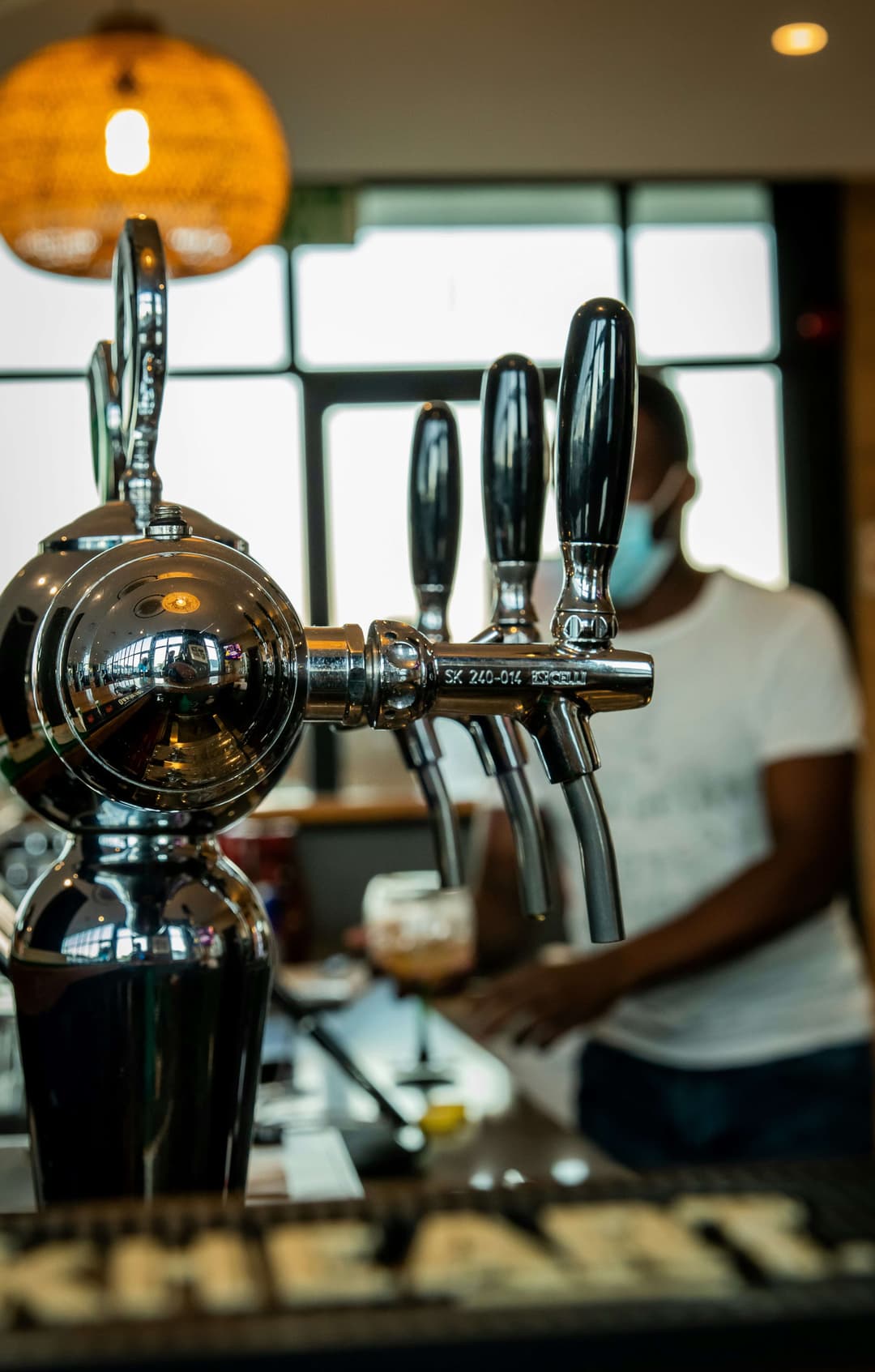
Susciter de l'intérêt pour le vin en fût revient souvent à montrer aux gens pourquoi ce format est logique. Lorsque les avantages sont présentés clairement et sans compliquer les choses, les invités et les acheteurs ont tendance à prêter attention. Quelques détails bien placés suffisent généralement à démarquer le programme.
- Mettez en avant l'angle de la durabilité : Mettez en avant votre utilisation d'emballages de vin écologiques, que ce soit une boucle de fûts de vin réutilisables ou des fûts de vin recyclables. De nombreux invités se soucient de la réduction des déchets plus qu'ils ne le disent ouvertement.
- Parlez de fraîcheur et de constance : Les gens apprécient de savoir que leur verre provient directement d'un fût scellé, et non d'une bouteille ouverte depuis hier.
- Ajoutez une section « vin en fût » à votre menu : Une simple étiquette attire l'attention et incite les invités curieux à essayer.
- Utilisez une signalétique petite et claire : Une courte note au bar ou sur la table peut expliquer comment fonctionne le système sans submerger personne.
- Proposez des dégustations rapides à partir du fût : Les invités qui goûtent les vins finissent souvent par commander un verre complet. C'est une victoire facile.
- Montrez l'équipement ou le processus lorsque c'est approprié : Mentionnez le système de fûts de vin ou l'utilisation de matériaux plus légers et écologiques. Cela donne aux clients quelque chose de concret auquel se rattacher.
- Collaborez avec des vignobles locaux proposant des programmes de fûts : Les promotions conjointes ou les fûts en édition limitée peuvent susciter de l'enthousiasme.
Le marketing est plus simple lorsque le message semble authentique. Mettez l'accent sur la fraîcheur, la saveur et la réduction des déchets—trois choses que les gens comprennent sans avoir besoin d'une longue explication.
Conclusion
L'élan derrière le vin en fût suggère qu'il devient une partie stable de l'industrie plutôt qu'une tendance passagère. De nombreux établissements souhaitent un service plus propre, moins de restes et des versements fiables, et le vin en fût répond à ces besoins sans nécessiter une grande refonte. Avec autant d'options—qu'il s'agisse d'un fût de vin en acier inoxydable, d'un format PET ou d'une configuration de vin en sac dans un fût—il est plus facile pour les entreprises de choisir ce qui correspond à leur style de service.
Si vous envisagez d'acheter du vin en fût, de vendre des sélections prêtes pour les fûts ou d'installer un système de robinet de vin commercial, comprendre comment fonctionne la catégorie vous donne un réel avantage. Alors que de plus en plus d'opérateurs recherchent des solutions efficaces et écologiques, le vin en fût continue de se démarquer comme une amélioration pratique et quotidienne plutôt qu'une idée passagère.
FAQ
1. Le vin est-il disponible en fûts ?
Oui. Le vin en fûts est désormais largement utilisé, en particulier dans les endroits où l'on sert beaucoup de vin chaque jour. De nombreuses caves conditionnent des vins spécifiquement pour un service à la pression dans les restaurants, bars, hôtels et espaces événementiels. Ce format permet des versements réguliers et fiables, ce qui le rend attrayant pour les opérations à fort volume.
2. Combien de temps le vin reste-t-il bon dans un fût ?
Avec le bon mélange de gaz et des températures stables, le vin en fûts peut rester frais pendant des semaines, voire plus longtemps. Comme le fût reste scellé, l'oxygène n'a jamais l'occasion d'altérer la saveur. C'est une des raisons pour lesquelles de nombreux établissements utilisent le vin à la pression lorsqu'ils souhaitent une qualité constante d'un service à l'autre.
3. Quels sont les avantages du vin en fûts ?
Un système de vin en fûts permet des versements plus frais, moins de gaspillage et un service plus rapide. Les exploitants mentionnent souvent à quel point il est utile d'éviter les bouteilles à moitié entamées, le verre cassé ou l'encombrement du stockage. L'aspect écologique compte aussi — les emballages de vin éco-responsables, l'acier inoxydable réutilisable ou les fûts de vin recyclables contribuent à réduire la consommation de verre.
4. Le vin en fûts est-il moins cher que le vin en bouteilles ?
Par portion, oui. Les économies se manifestent par une réduction des pertes, un stockage simplifié et des coûts d'emballage moindres. Les établissements gagnent également du temps pendant le service, car il n'y a pas de bouteilles à ouvrir en permanence. De nombreux bars et restaurants optent pour des systèmes de vin à la pression pour ce mélange d'efficacité et de contrôle des coûts.
5. Quel est le prix d'un fût plein ?
Un fût typique de 19,5–20L correspond souvent au prix de gros d'environ 26 bouteilles. Les vins de tous les jours se situent dans la gamme inférieure, tandis que les versions premium coûtent plus cher. Le prix final varie également selon qu'il s'agit d'un fût en acier inoxydable, d'une option en PET ou d'un format de vin en poche dans un fût.
Demander un devis de commande en vrac
Commande simple, tarification transparente, livrée directement à votre porte