



Pasta Market 2026: From Local Kitchens to a Global Industry
Explore the global pasta market from growth and supply chain insights to consumer behavior, innovations, and top suppliers picks.
200+ compradores confían en Torg para el sourcing







Pasta might look simple on a plate, but in the trade world, it’s a serious business. Buyers, retailers, and suppliers know how fast-paced this category moves. One season, you’re negotiating durum wheat prices. Then, the demand for gluten-free or legume pasta is skyrocketing. The global market keeps stretching, from small local mills to big export operations. The good news is, this only means more potential opportunities for the people in the food supply chain. In this piece, we’ll talk about what’s actually shaping the pasta market in 2026, where it’s growing, how consumer shifts are changing sourcing, and what smart distributors are doing to stay ahead.
The Pasta Market Overview
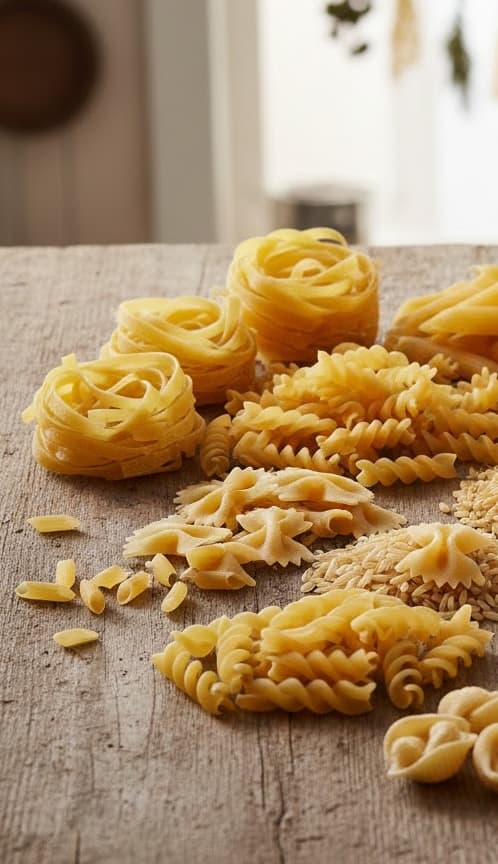
Pasta continues to hold its place as a reliable global staple while quietly picking up new relevance. The market stood at USD 26.53 billion in 2025, and it can move toward USD 27.42 billion in 2026, with projections pointing to about USD 36.85 billion by 2035, growing at a 3.34% CAGR.
What’s changing is how pasta is used. Foodservice operators and retailers are leaning into it for plant-based and flexitarian meals that cook fast and travel well. At the same time, demand is rising for high-protein, gluten-free, and clean-label options, pushing producers to rethink ingredients without breaking familiar formats.
Market Segmentation
Dividing the market into segments assists in realizing where value really resides.
- By product type: Dried pasta is the clear winner, no surprise there. It's simple to ship, keeps longer, and doesn't make logistics overly complicated. In fact, Mordor Intelligence states that dried pasta commanded approximately 71.32% of the world share in the previous years. That's a huge margin, and it's primarily because it has such scalability for wholesale and export.
- By segment: Good old-fashioned wheat-based pasta remains the favorite, but the market for alternatives is gaining ground. Varieties like gluten-free, organic, and legume-based are now experiencing more strong year-on-year growth. For pasta buyers, that translates to keeping pace with sourcing trends. For retailers, that translates to providing variety on the shelf.
- By geography: Europe remains the hub of pasta manufacturing. IMARC Group puts Europe with approximately 39.9% of global market share in 2024, and rightly so. Italy alone has both the scale of manufacturing and heritage brand reputation that continues to lead the world.
- By distribution channel: The growth of online food shopping and subscription solutions has transformed how pasta is sold and purchased. Retail networks exist side by side with direct-to-consumer channels now. It's not supermarkets only, anymore, B2B buyers are leveraging e-commerce distribution to reach smaller regional brands and private-label opportunities.
Regional Insights
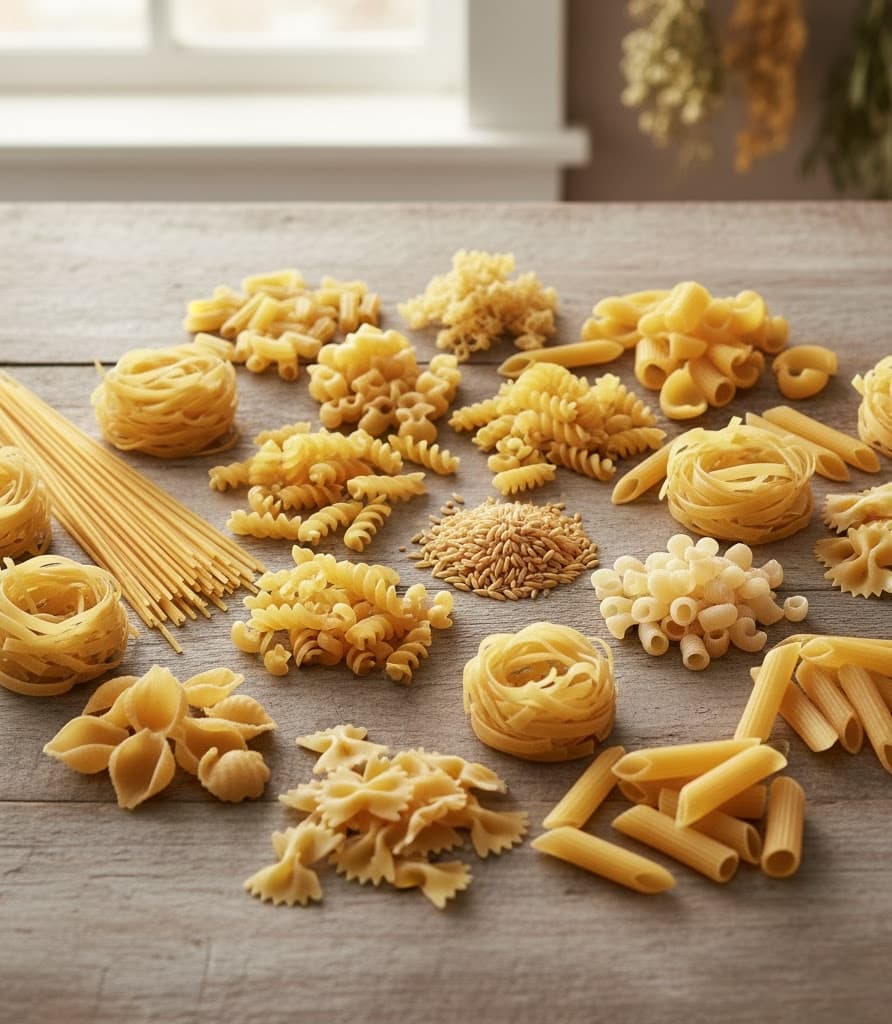
- European pasta output held steady, yet value moved. Production across Europe reached about 6.2 million tonnes, closely matching the prior year, although total market value climbed to roughly EUR 8.9 billion, reflecting pricing shifts rather than volume expansion.
- Italy remains the benchmark market. Average intake sits near 23.5 kg per person, keeping Italy at the center of global pasta standards, from quality cues to preferred shapes and textures.
- Recipe evolution drives differentiation. Italian pasta makers are refreshing ingredients rather than formats, adding gluten-free, organic, legume, ancient grain, and fortified options while keeping classic shapes that consumers already know and trust.
- The UK is quietly reshaping supply. Import substitution efforts are encouraging domestic pasta brands to use British-grown durum wheat, slowly building local capacity while reducing reliance on continental sourcing.
Supply Chain and Trade Insights
- The global supply chain for pasta remains busy, but slightly tense. Demand is stable, but raw material prices are fluctuating once more. Durum wheat (the primary ingredient in pasta) averages $250–$500 per metric ton, according to USDA ERS and international trade reports. Even a $100 change in price can move factory cost by about 5%.
- Italy is still the largest exporter, weighing in with approximately 4 million tonnes and exporting €4 billion of pasta in the previous years. Nevertheless, the suggested 91.74% U.S. anti-dumping tariff imposed on Italian pasta is compelling distributors to seek alternative supply routes from Turkey, North Africa, and Asia.
- Freight charges have softened but remain volatile. Drewry's World Container Index indicates rates at about $1,746 per 40-foot container, or about $85 per metric ton for dried pasta moving from Europe to the U.S.
- Private label is still leading the way as retailers seek more flexibility, quicker turnarounds, and lower MOQs, at the same time, they are branching out into niche lines such as organic or gluten-free pasta. On the other hand, Asia-Pacific markets are generating new demand, and buyers who remain aligned with suppliers, control their wheat risk, and diversify their sourcing will be in the best position for 2026.
Consumer Behavior and Leading Trends Sustaining Growth
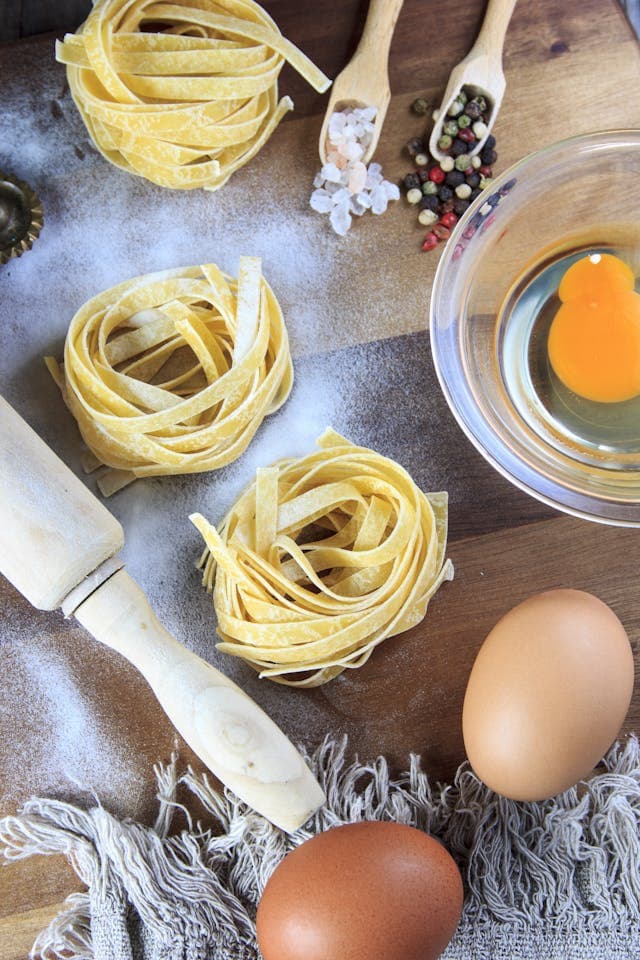
Consumer taste in pasta is evolving quickly. Comfort food remains popular, but consumers are now pursuing health, convenience, and narrative. Purchasers notice it as well, as calls for clean labels, gluten-free products, and handcrafted pasta continue to pressure suppliers to evolve.
Changing Consumer Preferences
Shoppers desire more than "just pasta and sauce." They are looking for health, diversity, and heritage value. Time-strapped lifestyles create demand for ready-meal or quick-cook forms. Health-conscious consumers choose whole-grain and legume pasta, which, Market Business Insights says, has risen by over 12% year-on-year. Premium and artisan formats (bronze-extruded or heritage wheat-based) resonate with those willing to pay premium. The internet introduces another layer of complexity: digital visibility now determines brand success.
Demand for Alternative Raw Materials
Legume, quinoa, buckwheat, and chickpea pasta are now becoming retail staples for health-focused stores. Shoppers today seek suppliers who can process these raw materials without sacrificing taste or texture. The organic pasta market is anticipated to grow ~9.8% CAGR through 2033. Essentially, alternative grains are becoming serious profit streams for distributors.
Premium & Artisanal Packaging
High-end brands of pasta are moving away from plastic bags to reusable tins, eco-pouches, and upscale gift packaging. Retailers like it because it maximizes shelf impact and perceived value. The artisan surge is on. The Guardian reported a rise in British makers utilizing regenerative grains and fashionable packaging. It is not merely about looks; it is about a story that includes communication that connects with environmentally aware and quality-oriented consumers.
Private Label and Value Chain Integration
Private-label pasta is stealthily changing the game. Retailers now cut deals directly with makers, deciding on everything from the grain to the font on the label. That control provides them with higher margins and more brand clout. Wholesalers, on the other hand, rely on suppliers able to handle rapid turnaround, lower MOQs, and tailored packaging. Essentially, private-label transactions are where much of the backroom innovation (and profitability) occurs in the 2026 pasta industry.
Opportunities in the Pasta Industry
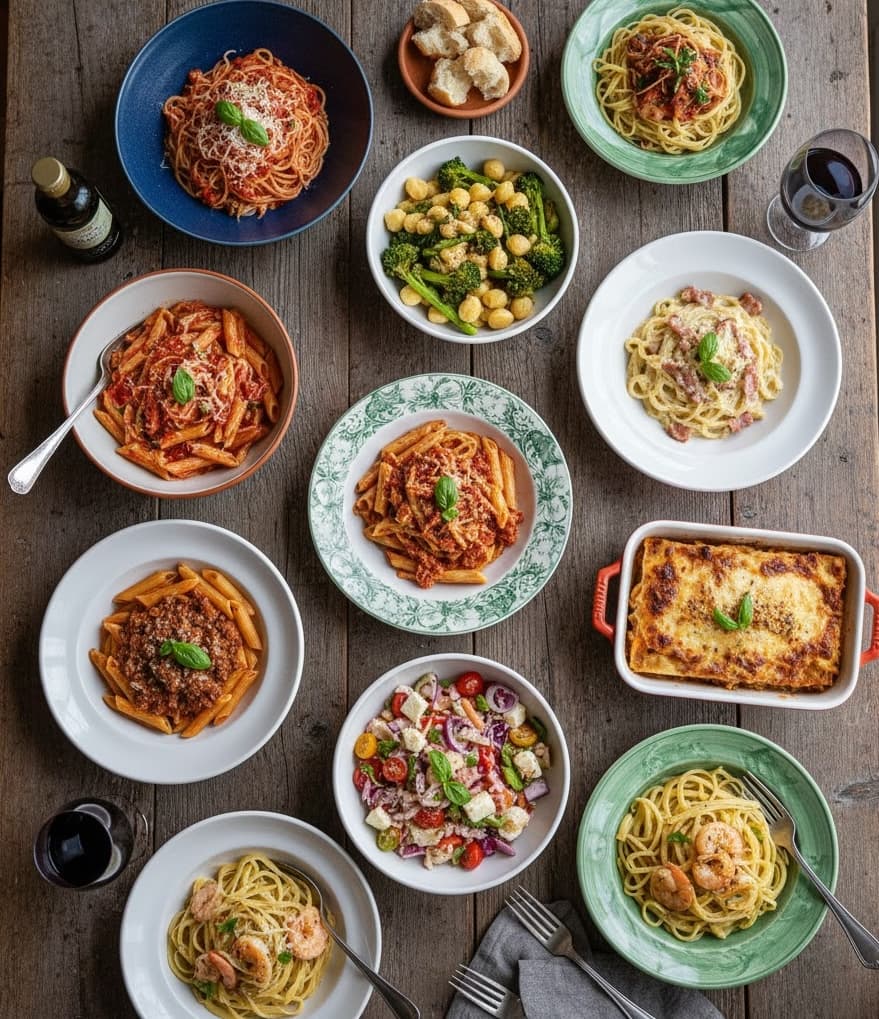
The following are some of the likely opportunities in the pasta industry for buyers and suppliers looking to occupy some space in this business.
Emerging Market Expansion
Pasta consumption is growing in Asia-Pacific, Latin America, and even certain parts of Africa. Growing incomes and changes in diet are propelling pasta from niche to mainstream. The early entrants with localised SKUs with small pack sizes, regional taste profiles, or value offerings can establish long-term bases. In effect, the next big wins will be realized in these emerging markets.
Sustainability and Ingredient Innovation
Pasta producers are adjusting behind the scenes. Ingredient sourcing is tightening, transport is getting leaner, and packaging choices are being reconsidered. These shifts are becoming standard practice rather than marketing points. As expectations rise, working with suppliers who build sustainability into daily operations increasingly shapes credibility, partnerships, and long-term positioning across the category.
Premium and Health-Driven Niches
Pasta is being chosen with more intention. Shoppers reach for options that balance familiarity with better nutrition, which lifts demand for varied formats. Keeping a mix of classic and upgraded lines helps steady sales, while products that offer improved ingredients often deliver stronger returns without losing everyday appeal.
E-commerce and Direct Distribution
Online grocery platforms are transforming the manner in which pasta retails, ships, and weighs. Trial bundles, subscription services, and smaller packaging are making online sales of pasta simpler to do. Data-driven forecasting retailers are able to reduce waste and enhance stock movement. In essence, pasta is no longer merely a shelf item and increasingly a fast-moving, digitally-friendly staple.
Torg's Top Choices of Pasta Suppliers
1. CASA BURATTI – Italy
Emilia-Romagna-based Casa Buratti produces authentic Italian pasta for foodservice and private labels. They blend traditional techniques with contemporary control systems (such as bronze dies and slow drying) to ensure quality consistency. Their offerings include stuffed, frozen, and fresh lines. Essentially, it is the sort of supplier that combines tradition with export scalability reliability.
2. PAPOTE – France
Papote approaches pasta with restraint and intention. Using French-grown durum wheat, the brand keeps batches small and production efficient. Renewable energy and recyclable packaging support its process, while the finished pasta feels modern yet familiar. That balance helps Papote resonate with specialty retailers looking for products that signal care, origin, and thoughtful sourcing.
3. PRODUCTOS ALIMENTICIOS GALLO SL – Spain
Pastas Gallo have been around Spanish kitchens for over seven decades and, clearly, their experience pays off. They have everything from whole wheat to gluten-free and organic versions, all produced with precision and consistency. Pastas Gallo provide the big retailers and distributors throughout Europe, demonstrating that tradition and scale can, in fact, go hand in hand.
Conclusion
The pasta market keeps moving forward without noise or drama. Demand holds because pasta fits busy routines, travels well, and adapts to changing diets. Growth comes from small shifts, cleaner labels, new grains, and plant-based options, and intelligent sourcing rather than sudden reinvention. Regional production and private-label programs continue to shape supply decisions, while pricing, sustainable sourcing, and wheat availability stay under watch. As new markets develop and eating habits settle into repeat patterns, pasta remains dependable. For those following the category, the signal is clear: steady planning, flexible sourcing, and thoughtful product updates matter more than chasing short-term trends.
Solicitar cotización de pedido al por mayor
Pedido simple, precios transparentes, entregado directamente a su puerta