



De Platos a Untables: El Crecimiento del Mercado de Queso Crema
Descubre el crecimiento continuo del mercado de queso crema. Aprende sobre la creciente demanda y los cambios regionales hacia tendencias emergentes, innovación y selecciones de los principales proveedores.
200+ compradores confían en Torg para el sourcing







Probablemente hayas observado cómo el queso crema sigue apareciendo en aún más líneas de productos, menús e incluso pedidos de exportación en estos días. No es algo nuevo, pero por alguna razón, su demanda simplemente sigue aumentando silenciosamente. Para compradores, distribuidores y proveedores por igual, eso equivale a una cosa: un movimiento que vale la pena monitorear. El mercado no está creciendo de la noche a la mañana, pero ha estado cambiando de manera significativa con nuevos diseños de empaques, sabores auténticos y cadenas de suministro. Entonces, ¿qué está sucediendo realmente detrás de todo esto? ¿Y cómo puedes involucrarte antes de que los estantes se vuelvan demasiado congestionados? Desmitifiquemos el mercado del queso crema desde una perspectiva de comercio y abastecimiento.
La escena del mercado: dónde se encuentra realmente el queso crema
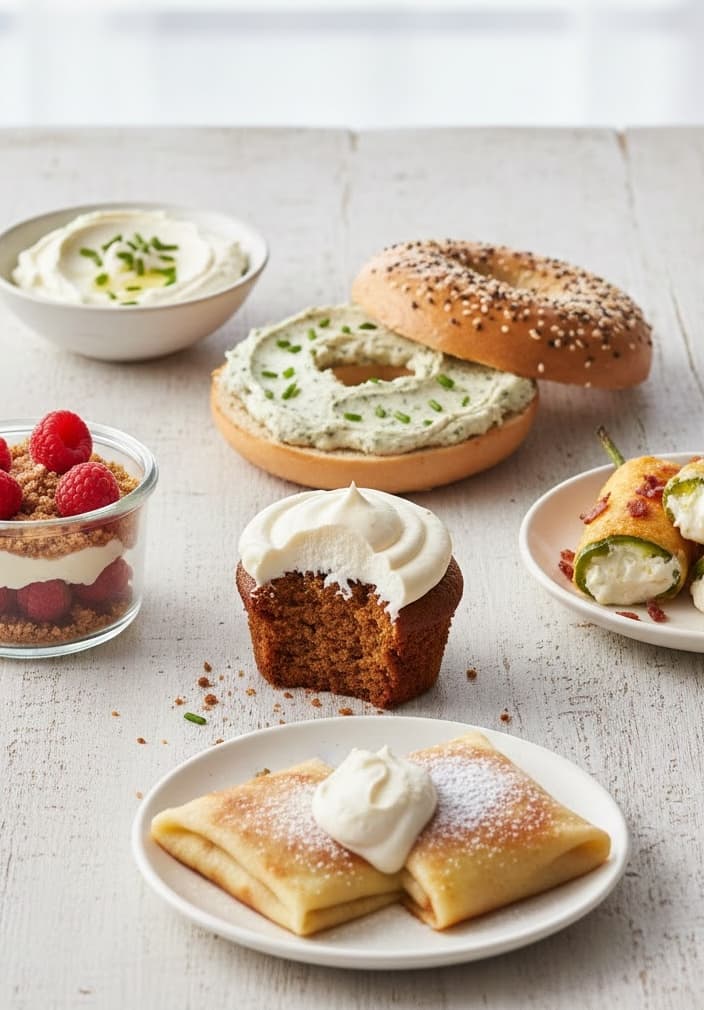
Si estás en el lado de la compra o distribución de productos lácteos, probablemente hayas notado que el queso crema está ocupando silenciosamente más espacio en los estantes y volumen de exportación. Es un ascenso constante y medido. El tipo de crecimiento que señala estabilidad en lugar de algo grande y puntual.
El mercado se sitúa cerca de USD 9,1 mil millones en 2025 y se espera que alcance aproximadamente USD 9,6 mil millones en 2026, antes de avanzar hacia unos USD 11,3 mil millones para 2035 con un CAGR de 5,9%. El impulso proviene de la frecuencia con la que el queso crema aparece ahora en platos salados, productos horneados, postres y recetas rápidas compartidas en línea. A medida que los untables recuperan relevancia cotidiana y nuevos usos siguen circulando, la demanda crece silenciosa pero consistentemente en todas las regiones y formatos.
Para mayoristas y compradores, esa es una historia. El queso crema no es una "tendencia pasajera"; es un maratón. El mercado se mueve lentamente, pero en la dirección correcta. La oportunidad está en la diferenciación: sabores, empaques o flexibilidad de abastecimiento. Los que están prestando atención hoy probablemente serán los líderes cuando la demanda se limite.
Desglose del mercado
- Por tipo de producto / sabor / formato: Cada producto tiene un nicho, ya sea natural vs. saborizado, lácteo vs. no lácteo, entero vs. bajo en grasa. Los untables saborizados y los paquetes de snacks también están avanzando debido a la conveniencia.
- Por uso final: Los untables para retail siguen siendo los líderes, pero los canales de panadería, confitería y servicios de alimentos son donde ocurre el verdadero crecimiento.
- Por región: Tu punto de origen es más crítico que nunca, ya que el riesgo de suministro, los costos de transporte y las preferencias de sabor regionales son factores importantes.
Según un estudio reciente, el queso crema representa casi la mitad de todo el mercado de quesos cremosos y blandos en el último año. Pero el cambio es claro. Las opciones no lácteas están cerrando la brecha rápidamente, con variedades de almendra, avena y coco integrándose naturalmente en las rutinas de compra de las personas.
Patrones regionales
Por región, el mapa de la industria parece un poco en las líneas esperadas pero también interesante.
- América del Norte sigue siendo fuerte, con la región comandando alrededor del 35–36% de la participación total en 2025.
- Europa se mantiene estable, sostenida por una infraestructura láctea establecida y la innovación en marcas privadas.
- Asia-Pacífico es donde está la acción, con el aumento de ingresos disponibles, la cultura de los cafés y el crecimiento de la panadería impulsando la demanda.
En términos de producción, los pesos pesados siguen siendo Alemania, EE.UU., Canadá, Francia y Nueva Zelanda. Son los exportadores dominantes debido a sistemas lácteos establecidos. Las regiones dependientes de las importaciones, como partes de Asia y Oriente Medio, continúan confiando en las importaciones de cadena de frío, por lo que los cambios en sus políticas comerciales y cadenas de suministro les afectan más.
Ten en cuenta que los untables lácteos como el queso crema son frágiles. Eso solo significa que las tarifas, las fluctuaciones de envío o incluso los cambios regulatorios a menor escala en el etiquetado pueden tener un efecto de onda expansiva en los precios. Para distribuidores y mayoristas, estar atentos a estas fluctuaciones comerciales ahora es parte del curso.
Desarrollos recientes en el mercado de queso crema
Los siguientes son algunos cambios reales en 2025 que merecen tu atención:
- Algunas marcas lanzaron productos de queso crema a base de plantas y sin lácteos para atraer a consumidores flexitarianos y veganos.
- Los tamaños de los envases están cambiando: tarrinas individuales, paquetes de snacks y sobres para servicios de alimentos ahora aparecen en pedidos de exportación.
- Innovación en sabores: esta área vio combinaciones experimentales y maravillosas, por ejemplo, untables con especias gourmet o sabores de postre que triunfan en las estanterías.
- Mercados emergentes: las empresas están avanzando más rápido en Asia-Pacífico y América Latina, donde los ingresos están aumentando y los hábitos alimenticios occidentales están ganando terreno.
- Reducción de ingredientes: con los precios de la grasa láctea siendo volátiles, algunos están reformulando o utilizando bases alternativas para mantener los márgenes intactos.
Perspectivas de la cadena de suministro y el comercio
Si está exportando cualquier tipo de producto lácteo al extranjero en 2025, probablemente perciba que la cadena de suministro está un poco más ajustada.
Precios de la leche y volatilidad en la producción
Los precios y el suministro de leche cruda están bajo presión. La proyección del Departamento de Agricultura de los Estados Unidos (USDA) sitúa las estimaciones del precio de la leche en alrededor de US $21.35 por quintal en 2025, una disminución respecto a estimaciones anteriores.
La producción aumentará modestamente en las principales regiones exportadoras, pero los costos de insumos (alimento, energía, mano de obra) siguen siendo especulativos. Como el queso crema depende en gran medida de la grasa y los sólidos de la leche, esta volatilidad reduce los márgenes. Por eso muchos fabricantes están comprando leche por adelantado o asegurando contratos simplemente para estabilizar los precios.
Primas de ingredientes e insumos alternativos
Las primas de ingredientes se están volviendo cada vez más complicadas. Por ejemplo, el aumento de alternativas vegetales a los lácteos ejerce una presión adicional sobre el abastecimiento de productos como almendra, avena o coco. El informe del Good Food Institute identifica que escalar dichas alternativas implica nuevas cadenas de suministro y bases de costos incrementadas.
Para los proveedores de untables con sabor que ofrecen variantes orgánicas o libres de lácteos, estos insumos de alta calidad se traducen en un aumento de costos o plazos de entrega extendidos. Es algo que los minoristas, mayoristas y compradores deben tener en cuenta.
Presiones en la cadena de frío y logística
La logística y la cadena de frío siguen siendo factores significativos de costo y riesgo. Refrigerar el producto desde la cosecha, pasando por el procesamiento, transporte y hasta el comercio minorista añade numerosas capas de costo y exposición.
A medida que la escasez de contenedores, el aumento de los costos de energía o regulaciones de sostenibilidad más estrictas afectan, los márgenes de la cadena de frío se reducen aún más. Algunos distribuidores están contrarrestando esto compartiendo la capacidad de flotas refrigeradas o consolidando almacenes para reducir costos.
Cambios en los canales y el comercio
Las dinámicas de los canales y el comercio están redefiniendo los roles de distribución. Los proveedores cada vez venden más directamente a grupos de servicios de alimentos, cadenas de QSR o grandes minoristas en lugar de usar canales de distribución puramente tradicionales. Eso requiere que los distribuidores de nivel intermedio sean solicitados para mayor flexibilidad, formatos más rápidos y opciones de marca privada. Al mismo tiempo, para la importación/exportación, los untables lácteos son sensibles a los aranceles, las cuotas cambiantes y las regulaciones de etiquetado.
Cumplimiento normativo
Los requisitos normativos y de etiquetado están aumentando. En mercados como EE. UU., la UE y ciertos países asiáticos, se pone mayor énfasis regulatorio en el "etiquetado limpio" y la terminología adecuada de "base vegetal". Esto requiere reformulación, certificación y tiempos de respuesta más rápidos para ser diferenciadores.
Hábitos del consumidor y tendencias clave que impulsan la expansión
Lo que realmente está impulsando la categoría de queso crema es más que solo los deseos de los consumidores. Es la forma en que los estilos de vida, los hábitos e incluso los canales están cambiando. Minoristas, mayoristas y distribuidores pueden aprender mucho al observar cómo las personas realmente usan y compran queso crema hoy en día.
La versatilidad gana – Más allá del bagel
El queso crema ya no juega en su propia liga. Está apareciendo en alimentos calientes, postres, salsas y pasteles. En todos lados donde cuentan la textura y la riqueza. Las cafeterías y las cadenas de comida rápida incluso lo ponen en hamburguesas, pizzas, dips y pasteles. Para los mayoristas, eso puede resultar en paquetes a granel, tarrinas con sabores y sobres convenientes que de repente se vuelven tendencia. La conveniencia del formato es la nueva ventaja.
Salud, Premiumización y Cambios hacia lo Plant-Based
Consumidores exigentes, pero en un sentido positivo. Están buscando "mejores" productos lácteos: ingredientes limpios, menos grasa o de origen vegetal. Solo el mercado estadounidense de queso crema no lácteo alcanzará los 221.8 millones de USD para 2030 con aproximadamente un CAGR del 10%. El sabor premium, las marcas artesanales y los distintivos orgánicos mantienen alto el valor en los estantes. Para los mayoristas, mantener un rango equilibrado de productos regulares y alternativos es esencialmente lo más inteligente que se puede hacer.
Dinámicas de Distribución y Canales
La forma en que el queso crema llega al cliente está evolucionando rápidamente. La demanda de foodservice está creciendo a medida que las cafeterías, cafés de postres y QSRs están comprando en mayores volúmenes. Mientras tanto, el empaque para retail continúa diversificándose: tarrinas para snacks, multipacks y tamaños familiares más grandes. Incluso algunas marcas están probando la entrega en línea y suscripciones. Las marcas privadas también están apareciendo, haciendo que la competencia sea más ajustada. Para los proveedores, la flexibilidad con los volúmenes y los tiempos de entrega es esencial.
Patrones de Consumo Regionales y Transformaciones Culturales
En Asia-Pacífico y América Latina, el queso crema está ganando popularidad, convirtiéndose en una parte importante de la cultura culinaria regional. Piensa en untables con sabor a matcha, panes con queso crema y frissons extranjeros. Market Research Future informa que estos mercados están ganando buen impulso con el crecimiento de los ingresos y la cultura de las cafeterías. Para los distribuidores, la adaptabilidad en tamaños de paquetes, sabores y alianzas locales puede ser la clave del éxito regional.
Oportunidades y Perspectivas Futuras
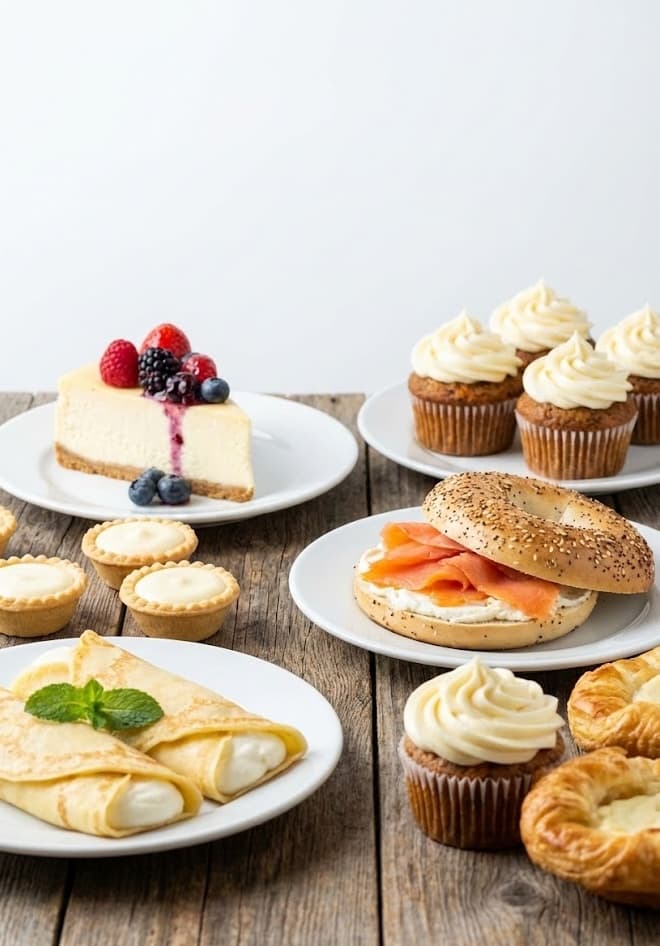
En el negocio del queso crema, aquellos que pueden leer las señales temprano y reconocer que el tiempo de espera ha terminado probablemente obtendrán más beneficios que aquellos que esperan a que las tendencias se "asienten". El futuro inmediato se trata de adaptación, abastecimiento más inteligente y reconocer el valor donde otros aún perciben riesgo.
Mercados Emergentes y Sabores Localizados
De alguna manera, la mayor oportunidad de crecimiento reside donde el queso crema sigue siendo nuevo. Toma el sudeste asiático, India y América Latina, por ejemplo. Los consumidores están experimentando, aplicando untables en pan, postres, incluso sushi. Sabores regionales como matcha, chile o queso crema de mango funcionan mejor allí. Es una fusión cultural correcta en lugar de impuesta.
Basado en Plantas / Alternativas Lácteas
Lo basado en plantas ya no es una tendencia; está en la lista de compras. Los quesos crema hechos de avena, almendra y coco están expandiendo espacio en los estantes porque los consumidores quieren "opciones" no restricciones.
Los mayoristas que ofrecen untables lácteos y no lácteos están esencialmente preparándose para el futuro. Se trata de satisfacer la demanda flexitariana, no de canibalizar lo antiguo, sino simplemente agregar nuevas vías para impulsar las ventas.
Innovación en Formato y Canal
Los formatos cambian más rápido de lo que algunos pueden seguir el ritmo. Tinas de snacks para viajeros, sobres para servicios de alimentos en cafeterías, paquetes más grandes para panaderías—todo está en movimiento. La cadena de suministro debe acomodar esa adaptabilidad. La distribución en línea también está aumentando. Si puedes sincronizar el empaque con la demanda del canal, no solo vendes más, también haces que la distribución sea más eficiente y los márgenes más sólidos.
Premiumización y Diferenciación de Marca
Los compradores pagarán un poco más por lo que "se siente" mejor con etiquetas limpias, ingredientes naturales e historias de lotes pequeños. El queso crema de alta gama ya no está limitado a las tiendas delicatessen de lujo; está en los estantes de los minoristas masivos. Para los distribuidores, ofrecer tanto niveles premium como económicos simplemente tiene sentido comercial. Expande el alcance, genera lealtad y mantiene tu catálogo fresco sin hacerlo demasiado complicado.
Principales proveedores de queso crema en Torg
1. LEHA GMBH / SCHLAGFIX – Alemania
Schlagfix es una de esas joyas ocultas que demuestra silenciosamente cómo lo basado en plantas puede ser absolutamente delicioso. Producen queso crema vegano y cremas para batir de primera calidad que no sacrifican textura ni sabor. Su énfasis en fuentes locales y sostenibilidad de alguna manera hace que cada producto se sienta más limpio y auténtico. Para los clientes que buscan incursionar en lo no lácteo, esta marca es una opción sólida y confiable.
2. LIVING TREE FOODS LTD. – Canadá
Living Tree Foods introduce un nuevo giro creativo a las opciones sin lácteos. Sus untables, raviolis y quesos crema veganos están cuidadosamente preparados y, sinceramente, simplemente saben genial. Los sabores son fuertes pero bien equilibrados, algo que permite al minorista diferenciarse de la competencia en pasillos saturados de espacio en estanterías. Para los distribuidores, es una línea que se vende sola: saludable, premium y visualmente contemporánea.
3. ALDON FOOD CORPORATION – EE. UU.
Aldon Food Corporation (también conocida como Don’s Prepared Foods) se centra en la frescura lista para comer. Hacen de todo, desde dips gourmet de queso crema hasta ensaladas y postres, todo preparado diariamente. Su enfoque en la consistencia y los ingredientes reales mantiene a los compradores regresando. Si estás atendiendo los mercados de foodservice o retail, sus untables de queso crema básicamente cubren todos los sabores imaginables.
Conclusión
La industria del queso crema, de alguna manera, es uno de esos barcos sólidos como una roca. No se apresura, se navega. Para clientes y proveedores, el juego no consiste en seguir la moda; se trata de identificar la consistencia y hacer mejores negocios. La demanda está creciendo discretamente en el sector de foodservice, exportaciones y segmentos basados en plantas. Quien mejor navegue el abastecimiento, la variedad de sabores y la competencia en la cadena de frío dominará el espacio. En esencia, no se trata de quién mueve más envases, sino de quién permanece estable, flexible y un paso adelante en un mercado que favorece el equilibrio sobre la velocidad.
Solicitar cotización de pedido al por mayor
Pedido simple, precios transparentes, entregado directamente a su puerta