



Cadena de suministro circular: beneficios, estrategias y ejemplos
Aprenda cómo las cadenas de suministro circulares reducen los residuos, reutilizan materiales y mejoran la sostenibilidad mientras reducen costos en toda su red de suministro.
200+ compradores confían en Torg para el sourcing






La mayoría de las cadenas de suministro fueron diseñadas para velocidad y volumen, no para longevidad. Para muchos líderes de operaciones, este modelo ha llegado a un punto crítico. La volatilidad de los materiales dificulta la planificación. Los costos de eliminación siguen aumentando. Las regulaciones de sostenibilidad impactan más que antes. Si los recursos son cada vez menos predecibles, entonces depender de un flujo unidireccional parece arriesgado.
Aquí es donde entra en juego la cadena de suministro circular. En lugar de perder productos al final de su vida útil, las empresas los recuperan mediante logística inversa, reacondicionan los componentes valiosos y luego reutilizan los materiales para la producción. Esto encaja dentro de la economía circular, donde los desechos son insumos para el siguiente ciclo. Es práctico, medible y está directamente vinculado a la sostenibilidad de la cadena de suministro.
En esta guía, verás cómo la adquisición circular, la gestión del ciclo de vida del producto y los sistemas de recuperación en circuito cerrado pueden transformar las operaciones. Básicamente, estrategias que ayudan a las empresas a construir resiliencia, no más desechos.
¿Qué es una cadena de suministro circular?
Una cadena de suministro circular es un enfoque sostenible para la gestión de la cadena de suministro que se centra en reducir residuos, reutilizar materiales y reciclar productos a lo largo de su ciclo de vida. Los componentes se reutilizan. Los materiales se reciclan. Algunos productos incluso se remanufacturan y se devuelven a los clientes. Nada se desecha a menos que no haya absolutamente otra opción.
También está profundamente arraigado en la idea de la economía circular que busca mantener los recursos en circulación durante el mayor tiempo posible. En un modelo de negocio circular, los materiales se tratan como activos, no como sobrantes. Un producto no "muere" cuando el cliente deja de usarlo. Comienza un nuevo ciclo — a través de la reparación, la renovación o el reciclaje. Es una mentalidad de ciclo cerrado anclada en la retención de valor.
Los modelos de cadena de suministro de economía circular se basan en pilares muy simples:
- Reducción de residuos en la cadena de suministro
- Reutilizar lo que se pueda reutilizar
- Extender la vida útil de los productos
- Construir logística de ciclo cerrado
Las empresas que adoptan esto se acercan más a una cadena de suministro de cero residuos, que es el objetivo final ideal para operaciones sostenibles. No es teoría, es práctico. Y apoya directamente las estrategias de sostenibilidad de la cadena de suministro sin complicar las operaciones.
Modelos de cadenas de suministro circulares vs. lineales
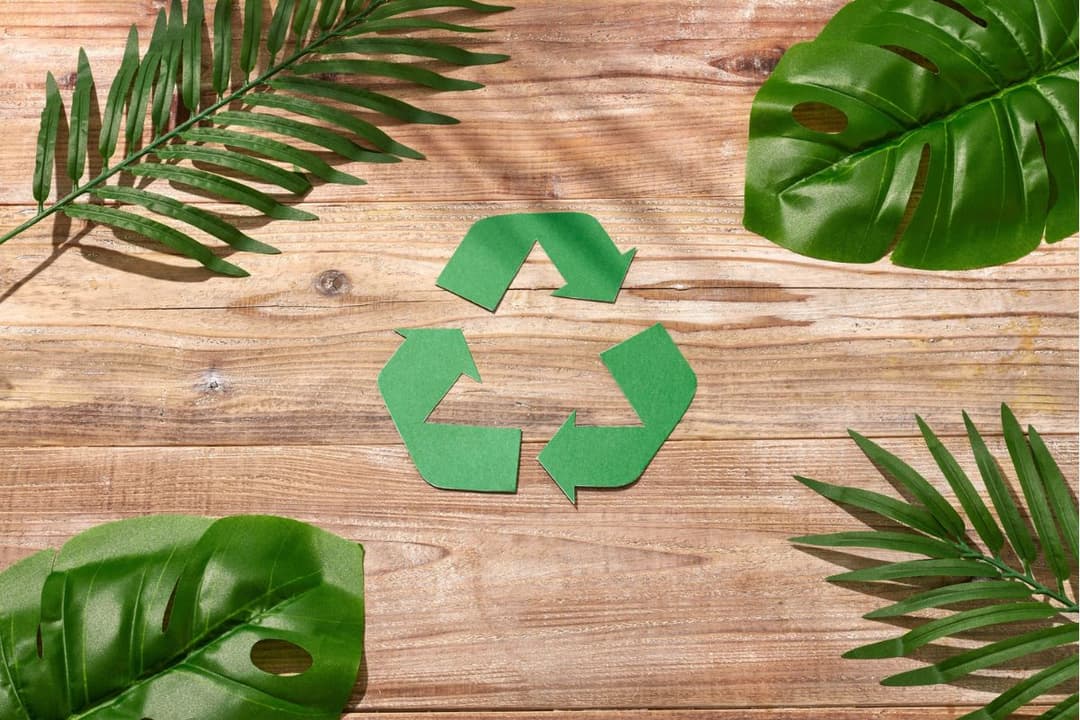
A diferencia de las cadenas de suministro lineales tradicionales, que siguen un modelo de "tomar, hacer, desechar", las cadenas de suministro circulares buscan mantener los recursos en uso durante el mayor tiempo posible, minimizar el impacto ambiental y mejorar la eficiencia de costos. Integran prácticas como la devolución de productos, la remanufactura, la renovación y el reciclaje para crear un sistema de circuito cerrado, ayudando a las empresas a alcanzar objetivos de sostenibilidad y resiliencia en la cadena de suministro.
Cadena de Suministro Circular (Modelo de Circuito Cerrado)
Ahora intenta imaginar este camino:
Fabricar → Usar → Devolver → Reparar / Reutilizar / Reciclar → Refabricar
Aquí, el producto no desaparece después de que el cliente termina de usarlo. Se devuelve a través de la logística inversa, se renueva, repara o desmonta. Los materiales vuelven a entrar en producción. Esto crea una cadena de suministro de circuito cerrado, también conocida como cadena de suministro regenerativa. El producto no solo termina su ciclo de vida. También comienza uno nuevo.
En una economía circular en la cadena de suministro, la pregunta cambia de:
- “¿Qué tan rápido podemos producir más?”
a:
- “¿Por cuánto tiempo mantenemos los recursos en circulación?”
Ese enfoque impulsa a las empresas a operar de manera más inteligente, no más intensiva. En lugar de depender de entradas nuevas interminables, trabajan con lo que ya existe en el sistema. Las organizaciones que sobresalen aquí reducen los desechos, disminuyen el riesgo de materiales y construyen una cadena de suministro que avanza constantemente hacia el desperdicio cero. Evidentemente, la economía circular y los modelos de cadena de suministro no solo son responsables ambientalmente, sino que también crean operaciones más inteligentes y adaptables.
Cadena de Suministro Lineal (Modelo Tradicional)
El modelo tradicional sigue un flujo familiar:
Tomar → Fabricar → Usar → Desechar
Se extraen materias primas. Se fabrica un producto. Llega al cliente. Luego, de alguna manera, casi con demasiada facilidad, termina en un vertedero o es incinerado. Este modelo ha sido estándar durante décadas porque parece sencillo. Pero los sistemas lineales dependen del acceso constante a nuevos recursos, y esa dependencia hace que las empresas sean vulnerables. La volatilidad de los recursos, las fluctuaciones de precios y las reglas de cumplimiento más estrictas hacen que el camino lineal sea costoso y arriesgado.
Básicamente, el modelo lineal se centra en el rendimiento, no en la longevidad. No fomenta la reutilización, la recuperación o la logística circular en la cadena de suministro. Todo lo que sale del almacén se convierte en el problema de otra persona.
Cómo funcionan las cadenas de suministro circulares
Un modelo de negocio de cadena de suministro circular mantiene los materiales en circulación en lugar de perder su valor después de un solo uso. En lugar de tratar los productos no utilizados como inventario sobrante o desechos, las empresas diseñan ciclos intencionales que reincorporan esos materiales a las operaciones. El objetivo no es almacenar más; es circular más. Los materiales regresan, se reconfiguran y avanzan nuevamente. Si algo aún puede aportar valor, no debería quedar inactivo. ¿Por qué desperdiciar lo que todavía funciona?
La logística circular dentro de las operaciones de la cadena de suministro permite que los materiales vuelvan a entrar en producción a través de diversas rutas, incluyendo:
- Reparación: Reparar o reemplazar componentes específicos para que un producto pueda seguir funcionando. Los clientes lo utilizan por más tiempo y no es necesario fabricar uno completamente nuevo.
- Reacondicionamiento: Devolver los productos usados a una condición "como nueva". Esto es común en equipos electrónicos e industriales donde la unidad principal aún funciona.
- Remanufactura: Utilizar piezas funcionales de productos antiguos para construir nuevas unidades. Esto reduce la necesidad de materias primas frescas.
- Reciclaje: Descomponer productos para que las materias primas puedan ser reutilizadas en la producción. Esto apoya la economía circular y acerca a las empresas hacia una cadena de suministro sin residuos.
Para que este ciclo funcione, las empresas dependen de la logística inversa, que es el proceso de recuperar productos de los clientes, distribuidores o puntos de recolección. En lugar de enviar los artículos a vertederos, las empresas redirigen los productos devueltos a su red interna para evaluación y recuperación.
Evidentemente, la logística inversa es el corazón de la gestión de la cadena de suministro circular. Sin ella, los materiales no pueden regresar, los ciclos no pueden reiniciarse y los principios de la economía circular permanecen en el papel en lugar de convertirse en parte de operaciones reales y sostenibles.
Características clave de una cadena de suministro circular
Una cadena de suministro circular no depende de la adquisición constante de nuevos materiales, sino de un ciclo continuo de recursos. Así, el valor permanece en el sistema por más tiempo.
Compras Responsables y Sostenibles
La adquisición circular es el proceso de obtener materiales de fuentes recicladas o renovables. También implica asociarse con proveedores que apoyan una cadena de suministro ecológica. Los equipos de compras ya no persiguen solo el precio más bajo, sino que evalúan si el material puede recuperarse más tarde para ser reutilizado dentro de un modelo de cadena de suministro circular. Se trata de seleccionar insumos que reduzcan los desechos y hagan que la gestión de la cadena de suministro sea más sostenible.
Diseño para Durabilidad y Reutilización
Los principios de la economía circular comienzan en la fase de diseño. Los productos se fabrican para durar más tiempo y ser desmontados fácilmente para reparación, actualización o reutilización. Básicamente, las decisiones de diseño determinan cuántas veces los materiales pueden circular. Cuando algo se crea pensando en la durabilidad, el camino hacia una cadena de suministro en bucle cerrado se vuelve mucho más alcanzable y práctico.
Utilización Optimizada de Recursos
Una red de cadena de suministro circular intenta utilizar menos materias primas. Las empresas aprovechan lo que ya tienen mediante una producción eficiente en recursos y un uso inteligente de la energía. El objetivo no es la complejidad; simplemente es hacer más con menos. Este enfoque aumenta la resiliencia de la cadena de suministro, ya que las operaciones dependen menos de mercados inestables de materias primas, lo que facilita mantener operaciones sostenibles.
Reducción de residuos y recuperación circular
En lugar de enviar los materiales sobrantes para su eliminación, las empresas los dirigen a flujos de recuperación para que puedan convertirse en insumos para una nueva producción. Esto reduce el volumen de los vertederos y respalda una cadena de suministro cero residuos. De alguna manera, los desechos se convierten en recursos utilizables. Es un cambio de tratar el exceso como basura a tratarlo como valor que aún está esperando ser desbloqueado.
Gestión del ciclo de vida del producto (PLM)
El PLM ayuda a las empresas a rastrear un producto, desde el diseño hasta la recuperación al final de su vida útil. Apoya la visibilidad de los componentes, la previsión de oportunidades de reutilización y la reducción de ciclos de producción innecesarios. Usar PLM convierte la gestión del ciclo de vida del producto en más que un sistema: se convierte en un habilitador de sostenibilidad que impulsa la sostenibilidad de la cadena de suministro. Básicamente, las empresas obtienen un mejor control sobre cada etapa del valor del producto.
Cadena de suministro inversa y logística de retorno
La logística inversa permite que los productos usados regresen al negocio en lugar de convertirse en residuos. Los artículos devueltos se inspeccionan, clasifican y redirigen para su reutilización, reparación o reciclaje. Esto crea un flujo logístico de circuito cerrado donde los productos no simplemente desaparecen después de su uso. Evidentemente, la logística inversa es esencial para la gestión de la cadena de suministro circular porque nada vuelve a entrar sin ella.
Beneficios de la cadena de suministro circular
Una cadena de suministro circular no intenta hacer más con más. Su objetivo es hacer más con lo que la empresa ya tiene. Menos desperdicio, más eficiencia y un uso más inteligente de los materiales. A continuación se presentan algunos de los beneficios principales de la cadena de suministro circular.
Reducción de carbono y minimización de residuos
Al mantener los productos y materiales en circulación, las empresas reducen los residuos en los vertederos y limitan la necesidad de extracción constante de materias primas. Esto reduce directamente las emisiones de carbono y permite un enfoque más ecológico de la cadena de suministro. Refuerza la gestión sostenible de la cadena de suministro y encaja naturalmente dentro de las prácticas de economía circular. Básicamente, cada artículo que mantienes en circulación se convierte en uno menos que necesitas volver a abastecer.
Ahorro de costos y optimización de recursos
La gestión de la cadena de suministro circular permite a las organizaciones reducir costos directos reutilizando componentes, remanufacturando unidades y recuperando materiales valiosos de las devoluciones. Las empresas no están comprando continuamente nuevos insumos. De alguna manera, el valor que antes se perdía se convierte en inventario utilizable. Esto conduce a un uso más eficiente de los recursos y operaciones sostenibles más sólidas a largo plazo.
Creación de empleo y reputación de marca
Las cadenas de suministro circulares abren nuevos roles en centros de reacondicionamiento, instalaciones de reciclaje, logística inversa y equipos de recuperación de materiales. Al mismo tiempo, operar dentro de una cadena de suministro de economía circular mejora la percepción de la marca. Los compradores —especialmente B2B— ahora evalúan la responsabilidad ambiental como parte de la selección de proveedores. Evidentemente, reducir los residuos mejora la reputación y la lealtad al mismo tiempo.
Ventaja competitiva a través de la sostenibilidad
Las empresas que practican un modelo de negocio de cadena de suministro circular están menos expuestas a los mercados volátiles de materias primas. Cuando ocurren interrupciones, no se detienen. Aprovechan los materiales recuperados que ya se mueven a través de su red, lo que estabiliza la producción y reduce la dependencia de proveedores externos. Como resultado, los márgenes se mantienen protegidos y la resiliencia de la cadena de suministro mejora. En este modelo, la sostenibilidad no se trata como un costo. De hecho, funciona como una ventaja competitiva integrada.
Cómo implementar la gestión de cadenas de suministro circulares
La transformación circular rara vez ocurre a través de proyectos masivos. Generalmente comienza con pequeños cambios operativos que se acumulan. Un equipo prueba un nuevo flujo de devolución. Otro intenta la logística inversa. De repente, el modelo circular se convierte en parte de cómo funciona el negocio. La idea es avanzar de manera constante, no perfectamente.
Diseñar para Durabilidad y Reutilización
Una forma práctica de apoyar una cadena de suministro circular es repensar el producto antes de que exista. Cuando los artículos se diseñan con partes modulares que se pueden abrir, intercambiar o reparar, no salen del sistema prematuramente. La alineación temprana entre ingenieros, diseñadores y compras evita que los productos se conviertan en activos de un solo uso más adelante. Básicamente, un diseño inteligente se convierte en un habilitador de la sostenibilidad de la cadena de suministro y evita el desperdicio innecesario de producción.
Integrar la Logística Inversa
La logística inversa es donde la circularidad se vuelve real. En lugar de dejar que los artículos usados desaparezcan, las empresas crean un camino estructurado para traerlos de vuelta. El sistema generalmente incluye un proceso de devolución del cliente, estaciones de inspección o clasificación, y socios especializados en reparación o reciclaje. Una vez que el camino existe, los materiales simplemente comienzan a encontrar su camino de regreso a la cadena de suministro de circuito cerrado.
Emplear Compras Circulares
Las decisiones de compras afectan en gran medida todo el ciclo de vida del producto. Las compras circulares prestan mucha atención a elegir proveedores y materiales que podrían regresar a la circulación más adelante. En lugar de comprar la opción más barata, las organizaciones evalúan los insumos en función de su potencial de reutilización, impacto en la sostenibilidad y compatibilidad con operaciones circulares. Evidentemente, la gestión de la cadena de suministro circular se facilita cuando se eligen los materiales correctos desde el principio.
5 mejores estrategias para crear una cadena de suministro circular
Una cadena de suministro circular se hace realidad cuando las decisiones operativas diarias la respaldan. No teoría. Acción. Estas prácticas guían a las empresas desde procesos unidireccionales hacia sistemas donde los materiales fluyen de manera constante y permanecen útiles.
1. Diseñar para Durabilidad y Reutilización
En lugar de crear productos que son difíciles de reparar, las empresas los diseñan para que las piezas puedan ser accesibles y manejadas fácilmente. Los componentes que se desprenden sin dañar el producto completo tienen muchas más probabilidades de ser reutilizados. Al facilitar la reparación, el producto permanece activo en el sistema en lugar de ser descartado prematuramente. Cuanto antes se considere la durabilidad, más fáciles se vuelven las logísticas circulares. Básicamente, el diseño determina hasta dónde pueden llegar los materiales.
2. Implementar Logística Inversa y Sistemas de Recuperación
Los productos devueltos necesitan dirección, no espacio de almacenamiento. La logística inversa construye esa ruta. Las empresas crean canales de devolución, puntos de inspección y flujos de recuperación para que los artículos usados vuelvan al sistema. De alguna manera, una vez que existe el circuito, los productos comienzan a regresar naturalmente en lugar de desaparecer. Es entonces cuando la gestión de la cadena de suministro circular se hace visible en el mundo real.
3. Usar Materiales Reciclados y Renovables
La circularidad funciona mejor cuando los materiales se eligen pensando en la recuperación futura. Seleccionar plásticos reciclados, metales recuperados o insumos renovables facilita el retorno de los materiales al proceso de fabricación. El beneficio no es solo ambiental, sino que también estabiliza el abastecimiento al reducir la dependencia de mercados impredecibles de materias primas.
4. Colaborar con Socios de la Cadena de Suministro
Las operaciones circulares requieren participación. Ninguna empresa controla cada pieza del circuito. Esto requiere que las empresas tengan un consumo colaborativo con proveedores, equipos de logística, reacondicionadores y socios de reciclaje para que los materiales utilizables no se pierdan del sistema. Esta colaboración —compartir datos, iniciativas conjuntas de recuperación y objetivos alineados— construye una red de cadena de suministro circular más fuerte en lugar de intentos aislados.
5. Aprovechar la Tecnología y la Innovación
La tecnología da estructura a los sistemas circulares. IoT muestra dónde están los productos y cómo se utilizan. La IA predice qué se puede reparar o recuperar. Blockchain confirma las decisiones de adquisición circular y los orígenes de los materiales. Básicamente, la tecnología mantiene el modelo de cadena de suministro circular responsable y rastreable. Reduce la fricción y facilita la repetición de los procesos circulares.
Métricas y KPIs de Cadena de Suministro Circular
La circularidad solo funciona si los números lo demuestran. En lugar de asumir que los recursos se están reutilizando, las empresas rastrean qué tan lejos viajan los materiales y con qué frecuencia regresan. Estas métricas revelan si el sistema está funcionando como una cadena de suministro circular o regresando silenciosamente a un modelo lineal.
Métricas Clave para Medir la Gestión de la Cadena de Suministro Circular
- % de Materiales Reciclados Utilizados en la Producción: Muestra cuánto del insumo de producción proviene de materiales reciclados o recuperados. Si ese número aumenta, la dependencia de la extracción de materias primas disminuye.
- % de Productos Devueltos o Reacondicionados: Refleja si la logística inversa es efectiva. Los productos deben volver a la circulación, no terminar acumulando polvo.
- Residuos Desviados del Vertedero: Indica cuánto material se redirige hacia la reutilización o el reciclaje en lugar de su eliminación. Menos residuos en vertederos generalmente significa una mejor recuperación circular.
- Reducción de Emisiones de CO₂: Rastrea cómo las operaciones circulares contribuyen a reducir las emisiones. Menos materiales nuevos = menor intensidad de producción.
- Tasas de Utilización de Activos: Mide qué tan eficientemente se utilizan los equipos, materiales y artículos recuperados. Mayor utilización significa menos valor inactivo.
Cuando estas métricas avanzan en la dirección correcta, esto significa que la gestión de la cadena de suministro circular realmente está funcionando.
Estudios de caso: Empresas exitosas de cadenas de suministro circulares
La adopción de la cadena de suministro circular generalmente comienza cuando una empresa se da cuenta de algo obvio: abastecerse constantemente de nuevos materiales es caro, impredecible e insostenible. En lugar de tratar los productos usados como desechos, las empresas de cadenas de suministro circulares los tratan como inventario que aún no ha sido procesado. Rediseñan el flujo, no al cliente. Estos ejemplos de cadenas de suministro circulares muestran cómo los materiales recuperados pueden reducir el riesgo de materiales, estabilizar el abastecimiento y fortalecer la cadena de suministro en general con el tiempo.
A continuación, se presentan empresas que demuestran que las cadenas de suministro de economía circular funcionan a escala.
1. Patagonia – Reparación como insumo de la cadena de suministro (Programa Worn Wear)
Patagonia trata las devoluciones de productos como activos, no como pasivos. A través de Worn Wear, las prendas usadas se recolectan, clasifican, reparan y revenden a un precio más bajo. Los artículos que no pueden ser revendidos se aprovechan para materiales y se utilizan para reparar otras prendas. En lugar de producir más inventario, Patagonia reactiva el inventario existente. La marca también capacita a los clientes para reparar productos por sí mismos, lo que mantiene la ropa circulando por más tiempo sin generar demanda de nueva producción. Este enfoque reduce la dependencia de la obtención de textiles vírgenes y convierte las actividades de reparación en ingresos.
2. IKEA – Logística inversa integrada en el diseño de productos (Iniciativa Circular 2030)
IKEA no trata la circularidad como una idea secundaria. En cambio, los ingenieros diseñan muebles para que las piezas puedan ser removidas sin dañar la estructura. Esa elección de diseño permite operaciones de recuperación y reacondicionamiento. Los muebles devueltos se evalúan y se dirigen a su siguiente propósito, ya sea reparados para reventa o desmontados para piezas. En lugar de comenzar desde cero con nuevos materiales, IKEA mantiene los productos circulando en un ciclo: diseño → uso → devolución → reacondicionamiento → recirculación. Cada artículo permanece activo en la red de cadena de suministro circular en lugar de salir después de la compra. El objetivo para 2030: cada producto fabricado con insumos renovables o reciclados.
3. Apple – Robótica como infraestructura de cadena de suministro inversa (Daisy + Liam)
Apple convierte las devoluciones de dispositivos en una fuente de materiales. Los iPhones devueltos se envían a robots (Daisy y Liam), que los desmontan y extraen componentes valiosos como cobalto y metales de tierras raras. Esos materiales se redirigen a nuevos dispositivos o flujos de suministro. Los beneficios son medibles: menor dependencia de materias primas, menores emisiones y menos riesgos de suministro vinculados a los mercados de materias primas. Apple no solo recicla, sino que automatiza la circularidad para hacerla repetible y escalable.
4. Loop (TerraCycle) – Sistema logístico de recarga para envases reutilizables
Loop trata los envases como parte de la infraestructura de la cadena de suministro en lugar de algo temporal. Los clientes reciben productos en contenedores duraderos, los devuelven cuando están vacíos y Loop los procesa para el siguiente ciclo. El contenedor funciona como inventario reutilizable, no como desecho. Este sistema funciona junto con los sistemas minoristas existentes, demostrando que la logística circular puede operar a escala con grandes marcas como Nestlé y PepsiCo.
Conclusión
Una cadena de suministro más inteligente no se trata de producir más. Se trata de diseñar sistemas donde los materiales no salgan de circulación después de un solo uso. Las empresas que eligen modelos circulares ven beneficios reales de la cadena de suministro circular, como menor riesgo de materiales, costos controlados y menos sorpresas cuando los mercados cambian. Básicamente, el valor permanece en el ciclo.
Los equipos que se unen o forman una coalición de cadena de suministro circular también avanzan más rápido porque el esfuerzo se comparte con proveedores, fabricantes y socios logísticos que trabajan hacia el mismo objetivo. El cambio no requiere perfección. Comienza con un paso simple: diseñar productos duraderos, establecer logística inversa y elegir materiales que puedan regresar.
Los líderes de la próxima década no serán aquellos que produzcan sin cesar. Serán los que mantengan los recursos funcionando por más tiempo.
Solicitar cotización de pedido al por mayor
Pedido simple, precios transparentes, entregado directamente a su puerta