



Matcha-Knappheit 2025: Globale Krise und beste Ersatzprodukte
Angesichts des Matcha-Mangels 2025? Erfahren Sie die Ursachen, Auswirkungen auf die Großlieferung und die besten Alternativen für Großabnehmer.
200+ Käufer vertrauen Torg beim Sourcing







Seit Ende letzten Jahres hören die Menschen immer wieder dieselbe überraschende Frage: Gibt es einen Matcha-Mangel, und wie ernst ist er? Einige bemerkten es zuerst, als ihre üblichen Dosen ausverkauft waren. Andere spürten es, als Cafés Schilder aufstellten, dass ihre Matcha-Getränke nicht verfügbar seien. Einige fragten sich sogar: „Passiert das nur hier, oder gibt es auch in Japan einen Matcha-Mangel?“
Wenn Sie im Foodservice, Einzelhandel oder in einem Bereich tätig sind, der mit Getränken verbunden ist, fragen Sie sich möglicherweise, was den Matcha-Mangel verursacht hat und wie lange dieser globale Matcha-Mangel anhalten wird. Und wenn Sie einfach nur eine ruhige Tasse am Morgen genießen möchten, suchen Sie wahrscheinlich nach guten Alternativen. Dieser Leitfaden erklärt die wahren Probleme hinter dem Matcha-Tee-Lieferengpass und was Sie in der Zwischenzeit verwenden können.
Übersicht über die Matcha-Industrie
Die Matcha-Industrie war schon immer ihre eigene Welt. Man kann nicht einfach irgendwo echten Matcha anbauen und hoffen, dass er gut wird. Er stammt von schattig gewachsenen Tencha-Blättern, die Zeit, Pflege und Menschen brauchen, die wissen, was sie tun. Dann kommen die Steinmühlen, die absichtlich langsam arbeiten. Deshalb genießen Regionen wie Uji, Nishio, Kagoshima und Shizuoka nach wie vor die meiste Anerkennung. Sie haben diesen Ruf über Jahrhunderte aufgebaut.
Als Matcha von Teezeremonien in Lattes, Desserts und sogar Hautpflegeprodukte überging, änderte sich die Nachfragekurve schnell. Manche nennen es Matcha-Marktwachstum, aber es fühlt sich eher wie eine Welle an, die nie zur Ruhe kam. Mehr Cafés, mehr Marken, mehr Rezepte. Und damit kam Druck auf Landwirte, Verarbeiter und Exporteure. Man kann sich schon vorstellen, wie dies mit dem aktuellen Matcha-Mangel und dem allgemeinen Rückgang der Matcha-Produktion zusammenhängt, den viele Produzenten erwähnen.
China und Korea haben mit ihren eigenen Stilen von Grünteepulver eingegriffen. Sie decken einen Teil des Bedarfs, sicher, aber die Idee von Premium-Matcha weist immer noch auf Japan hin. Das ist ein Grund, warum sich der Mangel an Premium-Matcha schwerer anfühlt als andere Engpässe. Wenn die globale Identität eines Produkts größtenteils mit einem Land verbunden ist, können selbst kleine Störungen Auswirkungen auf die gesamte Lieferkette haben.
Gibt es einen weltweiten Matcha-Mangel?
Es gibt einen weltweiten Matcha-Mangel, und bis 2025 wird die Auswirkung schwerer empfunden, als die meisten Teeimporteure oder Cafés darauf vorbereitet sind. Manche nennen es einen Japan-Matcha-Mangel. Andere sprechen über umfassendere Probleme in der Matcha-Lieferkette. Beide Punkte sind wahr. Bauern berichten von niedrigeren Ernte-Zahlen, und Händler warnen vor strengeren Zuteilungen. Es lässt einen fragen, „Gibt es überall einen Matcha-Mangel?“
Die Anzeichen sind ziemlich eindeutig. Hochwertige Farmen in Japan berichten von geringeren Erträgen und ungleichmäßiger Blattqualität. Importeure erwähnen Verzögerungen, die sich weit länger hinziehen als früher, was Lücken in der Versorgung schafft. Einige Lieferanten pausieren sogar neue Großhandelskonten, weil sie die neue Nachfrage nicht bewältigen können. Das allein zeigt, wie real der weltweite Matcha-Mangel geworden ist.
Auch große Ketten spüren es. Vielleicht haben Sie Leute über den Starbucks-Matcha-Mangel oder den Ippodo-Matcha-Mangel sprechen hören. Wenn Marken mit starker Kaufkraft beginnen, ihre Bestellungen anzupassen, wissen Sie, dass die Situation nicht isoliert ist.
Und ja, Matcha-Mangel betrifft US-Unternehmen, europäische Cafés und sogar kleine Online-Shops, die auf einen stabilen Bestand angewiesen sind. Egal, ob Sie eine Smoothie-Bar betreiben oder einfach eine Tasse zu Hause genießen, dieser Mangel betrifft Sie auf irgendeine Weise.
🌿 Versorgungsschocks wie der Matcha-Mangel 2025 unterstreichen die Notwendigkeit stärkerer Beschaffungsnetzwerke. Torg hilft Käufern und Lieferanten, schnell hochwertige Matcha und Alternativen zu finden und langfristige Lieferungen zu sichern. 👉 Jetzt registrieren und eine widerstandsfähigere Zutatenstrategie entwickeln.
Featured wholesale products


Matcha Culinary Grade Organic (Kyoto, Japan) 20kg
€525.00

Matcha Ceremonial Grade (China) 1kg
€100.00

Matcha Ceremonial Grade (Yame, Japan) 1kg
€200.00
Warum gibt es einen Matcha-Mangel?
Die Ursachen für den Matcha-Mangel im Jahr 2025 ergeben sich aus einer Mischung von Klimastress, steigender Nachfrage, begrenzten Anbaugebieten und Verzögerungen in der Lieferkette. Jeder Faktor verstärkt den nächsten. Wenn man das Gesamtbild betrachtet, werden die Engpässe, höheren Preise und Lücken im Bestand verständlicher.
Klimawandel und seine Auswirkungen auf Matcha-Tee-Farmen
Der Klimawandel beeinflusst schattig angebauten Tee. Plötzliche Hitze, kürzere Frühlinge und starker Regen stören das Wachstum und die Zeitplanung der Blätter. Bauern in Uji und Nishio berichten von unbeständigen Erträgen und schwächerem Tencha. Wenn das Basisblatt Schwierigkeiten hat, leidet hochwertiger Matcha. Es ist eine Erinnerung daran, wie empfindlich diese Pflanze sein kann, besonders wenn das Wetter nicht mitspielt.
Steigende weltweite Nachfrage nach Matcha
Die Nachfrage steigt schnell. Matcha findet sich jetzt in Lattes, Nahrungsergänzungsmitteln, Bäckereimenüs und sogar in trinkfertigen Dosen. Diese Nachfrage nach Matcha wuchs schneller, als die Farmen mithalten konnten. Cafés, die früher bescheidene Mengen bestellten, benötigen jetzt mehr. Marken wollen eine konstante Versorgung in großen Mengen. Es wirft die Frage auf: Wie skaliert man etwas, das Zeit, Können und sehr spezifische Anbaubedingungen erfordert?
Begrenzte geografische Produktion
Matcha hängt stark von den Hauptanbauregionen Japans ab. Man kann nicht einfach Felder anderswo anlegen und denselben Geschmack oder dieselbe Qualität erwarten. Diese enge geografische Fokussierung verwandelt kleine Störungen in globale Probleme. Wenn eine Ernte ausfällt, spürt es jeder. Es zeigt, wie der Matcha-Mangel direkt mit begrenzten Produktionszonen und der tiefen Expertise dieser Orte verbunden ist.
Lieferketten- und Arbeitskräfteprobleme
Probleme in der Matcha-Lieferkette fügen eine weitere Ebene hinzu. Importverzögerungen verlängern die Lieferzeiten. Qualifizierte Arbeitskräfte sind schwer zu finden, besonders für die sorgfältige Verarbeitung und das Steinmahlen. Mühlen können nur eine begrenzte Menge pro Tag produzieren. Auch die Frachtkosten steigen. Zusammengenommen führen diese Faktoren dazu, dass Matcha-Importverzögerungen zur Normalität werden, nicht zur Ausnahme. Deshalb leeren sich die Regale schneller, als sie wieder aufgefüllt werden.
Auswirkungen des Matcha-Mangels
Die Matcha-Knappheit betrifft jede Ecke der Branche. Cafés passen ihre Menüs an, Händler rationieren Bestände, und Verbraucher stehen vor leeren Regalen. Es ist überraschend, wie schnell diese Veränderungen eingetreten sind. Einige fragen sich, warum eine fehlende Zutat so große Auswirkungen haben kann. Aber wenn das weltweite Matcha-Angebot sinkt, erreicht die Kettenreaktion jeden, von Hobbybrauern bis hin zu großen Ketten.
Steigende Matcha-Preise
Die Preissteigerung bei Matcha ist eines der ersten Dinge, die den Menschen auffallen. Die Preise steigen online und im Geschäft, unabhängig von der Qualität. Einzelhändler versuchen, die steigenden Kosten zu erklären, doch der wahre Grund liegt in begrenzten Ernten und knappem Angebot. Wenn Rohblätter knapp sind, folgt alles andere. Das lässt Käufer fragen, „Wird dieser stetige Anstieg bald aufhören?“
Rückgang der Produktqualität
Qualitätsverluste werden immer häufiger. Einige Marken strecken das Angebot, indem sie niedrigere Qualitäten mischen, was zu einer matten Farbe und schwachem Aroma führt. Man könnte es sofort schmecken. Dies schürt auch Bedenken bezüglich gefälschtem Matcha, insbesondere auf großen Marktplätzen. Wenn die Nachfrage steigt und die Bestände knapp werden, öffnet dies die Tür für Produkte, die echtem Matcha überhaupt nicht ähneln.
Begrenzte Verfügbarkeit und ausverkaufte Artikel
Leere Regale und verzögerte Nachlieferungen verdeutlichen die Matcha-Knappheit. Selbst Starbucks hat Menüs angepasst oder Matcha-Getränke pausiert, während kleinere Cafés schneller ausverkauft sind. Online-Händler und Marken wie Ippodo verzeichnen eine hohe Nachfrage, was zeigt, dass das knappe Angebot jeden betrifft, von globalen Ketten bis hin zu lokalen Cafés.
Wie Unternehmen auf den Matcha-Mangel reagieren
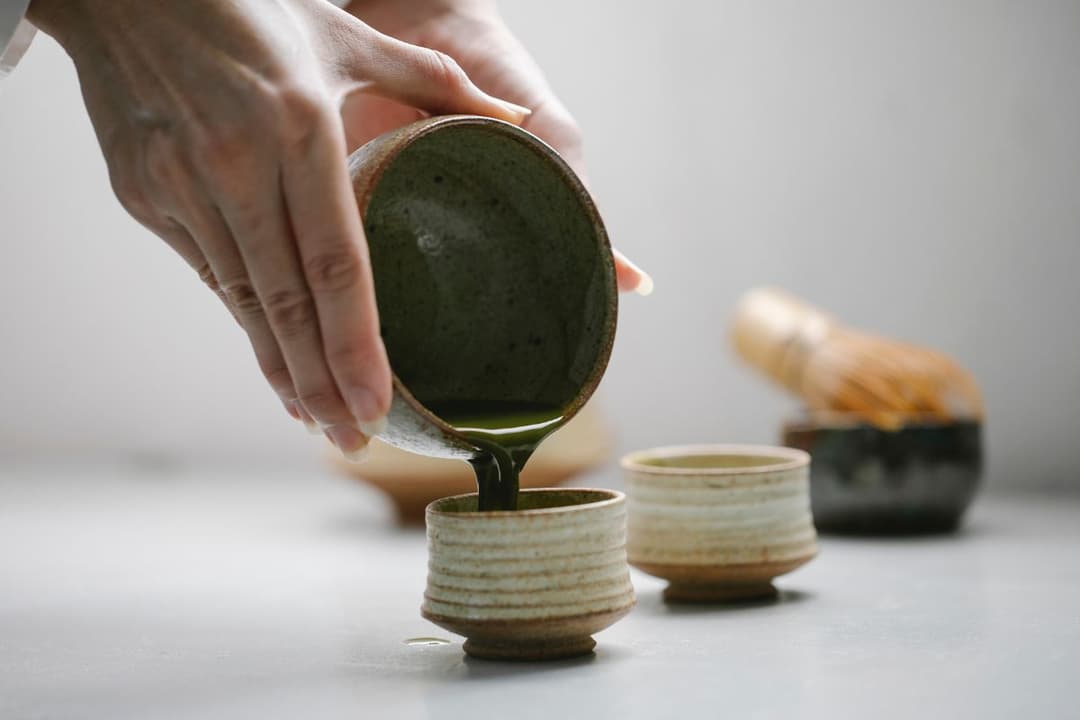
Unternehmen können den globalen Matcha-Mangel nicht länger ignorieren. Deshalb handeln sie schnell. Einige passen die Beschaffung an, andere überarbeiten Formeln, und manche überdenken ihre gesamte Lieferstrategie. Sie werden bemerken, dass Unternehmen neue Wege ausprobieren, nur um Matcha auf Speisekarten und Regalen zu halten. Es zeigt, wie weit sie gehen müssen, wenn die Nachfrage hoch bleibt und das Angebot weiter schrumpft.
Steigende Importe aus China und Korea
Da japanischer Matcha knapp ist, wenden sich viele Unternehmen China und Korea zu, um die Lücken zu füllen. Chinas größere Grüntee-Produktion hilft, Cafés und Einzelhändler zu beliefern, auch wenn der Geschmack leicht abweicht. Unternehmen nutzen auch Beschaffungsplattformen wie Torg, um schnell zuverlässige Matcha-Lieferanten zu finden und sicherzustellen, dass Großbestellungen trotz des anhaltenden globalen Mangels erfüllt werden.
Investitionen in neue Technologien für den Teeanbau
Produzenten in Japan testen Gewächshausbeschattungen, Bodensensoren und Frühphasen-Automatisierung, um die Erträge zu stabilisieren. Diese Werkzeuge beheben den Matcha-Mangel 2025 nicht sofort, aber sie stärken die Widerstandsfähigkeit. Es ergibt Sinn – wenn sich die Wetterbedingungen weiter ändern, brauchen die Farmen Unterstützung. Sie könnten sich fragen, ob diese Upgrades schnell genug skaliert werden können. Das ist noch unklar.
Markentransparenz und Maßnahmen zur Qualitätssicherung
Immer mehr Marken informieren über Herkunft, Matcha-Qualität und die Verarbeitung ihres Matchas. Das hilft, Bedenken hinsichtlich gefälschtem Matcha und inkonsistenten Mischungen zu zerstreuen. Zertifikate und Laborberichte erscheinen jetzt häufiger, fast wie Leitplanken für verwirrte Käufer. Mit wachsender Knappheit von Premium-Matcha wird klare Kennzeichnung zu einer einfachen Möglichkeit für Unternehmen, das Vertrauen zu bewahren.
Chinesisches Matcha vs. Japanisches Matcha
Die Matcha-Knappheit in Japan hat viele Käufer dazu gebracht, andere Quellen zu erkunden, und so kam chinesischer Matcha wieder ins Gespräch. Es ist interessant, wie schnell die Leute angefangen haben, die beiden zu vergleichen. Man hört Fragen wie: „Schmeckt es genauso?“ oder „Kann chinesischer Matcha japanischen Matcha während einer globalen Matcha-Knappheit ersetzen?“ Die Antworten hängen immer noch davon ab, was einem wichtig ist.
- Japanischer Matcha hat einen vertrauten Charakter, den die Menschen schnell erkennen. Der Geschmack ist geschmeidig, die Süße wirkt natürlich, und die leuchtend grüne Farbe zeigt, wie sorgfältig er angebaut und beschattet wurde. Diese Eigenschaften stammen von Beschattungsmethoden, die über Generationen hinweg verfeinert wurden. Wenn Landwirte über Qualität sprechen, erwähnen sie oft, wie Tencha-Blätter auf Schatten und sorgfältige Behandlung reagieren. Man kann sehen, warum japanischer Matcha zum Goldstandard wurde.
- Chinesischer Matcha hingegen deckt ein breiteres Spektrum ab. Einige Produzenten bieten starke, zuverlässige Chargen an, die sich gut für kulinarische Zwecke eignen. Andere verkaufen Pulver, die als Matcha gekennzeichnet sind, auch wenn sie nicht die gleichen Beschattungs- oder Mahlpraktiken anwenden. Deshalb schwankt die Qualität so stark. Man könnte heute eine großartige Charge erhalten und nächsten Monat eine enttäuschende. Aber aufgrund der globalen Matcha-Knappheit haben viele Cafés schließlich auf chinesischen Matcha zurückgegriffen, um zu vermeiden, Artikel von der Speisekarte zu nehmen. Und da die meisten Getränke mit Milch oder Süßungsmitteln gemischt werden, ist der Unterschied nicht groß genug, als dass Kunden ihn bemerken würden, was den Wechsel derzeit zu einer einfachen Wahl macht.
Der Vergleich geht nicht darum, dass eines immer „besser“ ist. Es geht mehr um den Zweck. Wenn Sie einen zeremoniellen Geschmack wünschen, sticht japanischer Matcha hervor. Wenn Sie etwas Vielseitiges und Erschwingliches benötigen, während die Matcha-Lieferkettenprobleme andauern, wird chinesischer Matcha zu einer praktischen Wahl. Und in einem Jahr, das von Schlagzeilen über die Matcha-Knappheit 2025 geprägt ist, zählt Praktikabilität mehr als früher.
Wie man hochwertigen Matcha erkennt
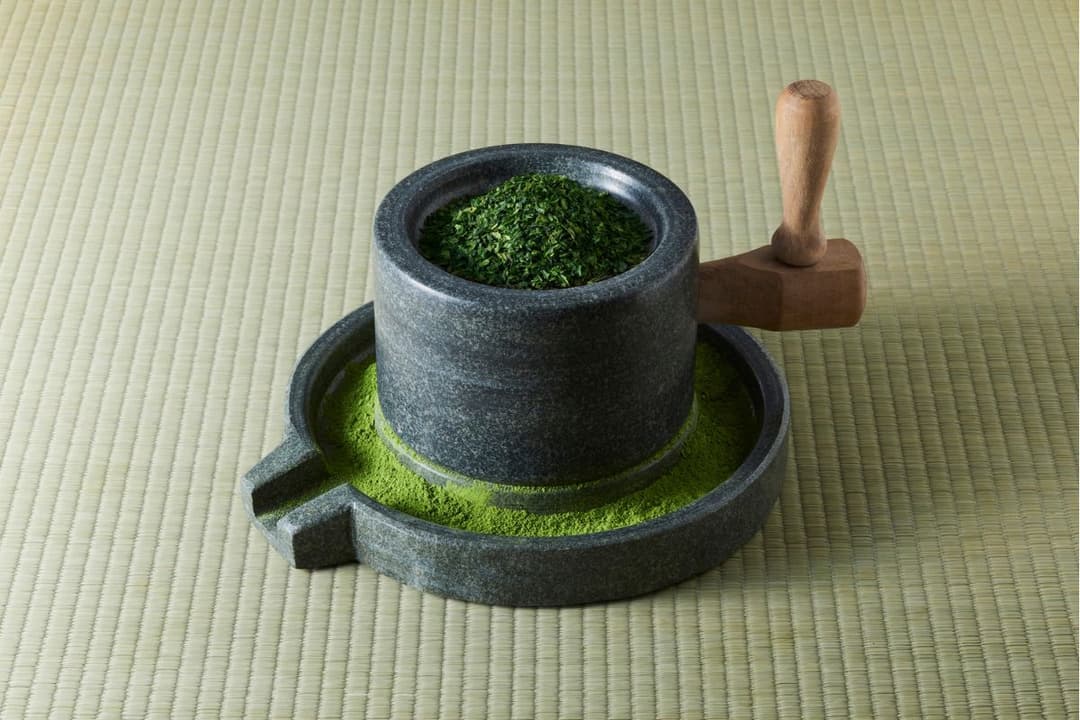
Da Matcha weltweit knapp wird, greifen die Leute nach allem, was sie im Regal sehen. Schwer, jemanden dafür zu beschuldigen, obwohl dies Risiken birgt, da in solchen Zeiten die Bedenken über gefälschtes Matcha schnell zunehmen. Ein wenig Bewusstsein kann viel bewirken, besonders in einer Zeit der Knappheit an Premium-Matcha, in der Qualitätsmängel leicht übersehen werden können, wenn man nicht aufmerksam ist.
Farb-, Aroma-, Textur- und Geschmacksindikatoren
Die Farbe spricht zuerst. Echter hochwertiger Matcha erscheint hell und lebendig, fast wie junge Blätter, die Sonnenlicht einfangen. Alles, was ins Bräunliche oder Olivgrüne tendiert, deutet normalerweise auf älteres Tencha oder schlechte Lagerung hin. Auch das Aroma ist wichtig.
Achten Sie auf:
- Helle, lebendige grüne Farbe
- Frisches, sauberes grasiges Aroma
- Seidige, feine Textur
- Ausgewogener Geschmack mit sanfter Bitterkeit und natürlicher Süße
Wenn Sie es trinken, fragen Sie sich: „Fühlt sich das ausgewogen an?“ Premium-Matcha trägt eine sanfte Bitterkeit, gefolgt von natürlicher Süße, nicht von einem harten, flachen Nachgeschmack.
Was „zeremonieller Grad“ wirklich bedeutet
Der zeremonielle Grad sollte Sorgfalt signalisieren – von der Blattauswahl bis zum langsamen Mahlen mit Steinmühlen. Doch bei einem globalen Matcha-Mangel wird der Begriff von einigen Marken gedehnt. Einige Unternehmen nutzen den Begriff, um die Preise zu erhöhen, auch wenn der Matcha die Eigenschaften nicht aufweist, die er haben sollte. Wenn der Duft oder die Textur nicht stimmt, merken Sie es sich. Das Etikett allein reicht nicht aus, um Qualität zu bestätigen, besonders wenn die Nachfrage hoch ist.
Matcha-Zertifizierungen, auf die Sie achten sollten
Zertifizierungen helfen, Pulver auszusortieren, die vorgeben, Matcha zu sein. Etiketten, die an japanische Agrarstandards, biologischen Anbau oder verifizierte Regionen gebunden sind, geben Ihnen klarere Signale während des Matcha-Mangels 2025.
Nützliche Kennzeichen sind:
- Japanische Agrar-Zertifizierungen (JAS, regionale Siegel)
- Biologische Zertifizierungen von vertrauenswürdigen Stellen
- Klare Herkunftskennzeichnung aus bekannten Matcha-Regionen
- Marken mit starkem Ruf und gleichbleibender Qualität
Sie decken nicht alles ab, aber sie helfen, falsch etikettierte oder nachgemachte Produkte zu vermeiden. Wenn Sie überall einen Mangel an Matcha-Grüntee sehen, ist es klug, sich auf jedes verlässliche Merkmal zu stützen, das die Authentizität bestätigt.
Beste Matcha-Alternativen während der Knappheit
Wenn der globale Matcha-Mangel Ihre Optionen einschränkt, hilft es zu wissen, was die Lücke sonst füllen kann. Manche Menschen suchen nach Geschmack, andere wollen einfach etwas, das sich in einem Latte vertraut anfühlt. Und da die Preistrends für Matcha weiterhin steigen, ist es keine schlechte Idee, Alternativen auszuprobieren.
Andere japanische Grüntees
Sencha, Gyokuro und Hojicha bieten eine gute Bandbreite, wenn Sie japanische Profile mögen. Jeder hat einen anderen Charakter, von der Helligkeit des Sencha bis hin zur Röstaromatik des Hojicha. Sie eignen sich für Lattes, Eistees und einfache heiße Aufgüsse. Und da sie nicht von denselben Matcha-Versorgungsengpässen betroffen sind, die Bauern und Verarbeiter treffen, bleibt das Angebot stabiler. Es ist ein sauberer Wechsel, ohne den japanischen Tee ganz zu verlieren.
Chinesisches Grünteepulver
Chinesisches Grünteepulver wird zu einer praktischen Option, wenn der Matcha-Mangel enger wird. Cafés schätzen es, weil es sich gut mischt und das vertraute grüne Getränk-Aussehen bietet. Der Geschmack ist anders, ja, aber machbar, besonders in Mischgetränken. Während des globalen Matcha-Mangels ist dies eine der einfachsten Alternativen, die man beschaffen kann, ohne das Budget zu sehr zu belasten.
Funktionelle Latte-Mischungen
Menschen greifen auf Moringa-, Spirulina-, Maca- und ähnliche Adaptogen-Mischungen zurück, wenn Matcha knapp wird. Sie liefern Energie und Farbe ohne großen Aufwand. Der Geschmack ist nicht Matcha, aber das ist Teil ihres Charmes. Sie bieten eine konstante Alternative, wenn die Knappheit an Premium-Matcha Ihr übliches Getränk schwer auffindbar oder zu teuer macht, um es täglich zu genießen.
Wann endet der Matcha-Mangel?
Unter der Oberfläche von knappen Beständen und steigenden Kosten liegt eine komplexe Situation, die sich nicht über Nacht umkehren wird.
Analysten sagen, dass es mindestens eine bis zwei stabile Erntesaisons braucht, damit Betriebe ihr Volumen wieder aufbauen können. Die Ernte 2025 zeigte geringere Erträge in Regionen wie Uji und Kagoshima. Unterdessen lässt die globale Nachfrage nicht nach. Einige Berichte erwarten, dass der Matcha-Markt trotz der Belastung weiter wächst.
Einige Branchenprognosen deuten auf Ende 2026 oder Anfang 2027 als möglichen Zeitpunkt hin, an dem sich die Verfügbarkeit verbessert. Das heißt jedoch nicht, dass „verbessert“ gleichbedeutend mit „zurück zur Normalität“ ist. Importeure erwarten eine schrittweise Rückkehr statt einer sofortigen Lösung. In der Praxis bedeutet dies gelegentliche Bestandslücken, unvorhersehbare Lieferzeiten und weitere Trends zu steigenden Matcha-Preisen.
Wenn Sie ein Café betreiben oder Matcha weltweit beziehen, ist es klug, für Volatilität in den nächsten 12–24 Monaten zu planen. Und für regelmäßige Genießer? Genießen Sie Ihre Tasse jetzt, aber erwarten Sie nicht, dass Ihre Lieblingsmarke bald wieder zu alten Preisen oder vollen Bestandslisten zurückkehrt.
Zukunftsausblick
Mit Blick auf die kommenden Jahre zeichnet die Marktanalyse für Matcha ein gemischtes Bild. Es gibt Raum für Wachstum, und das spürt man daran, wie die Nachfrage weiter steigt. Aber es lässt sich nicht leugnen, dass Klimastress, begrenzte Anbaugebiete und der Rückgang der Matcha-Produktion weiterhin die Prognosen für das Matcha-Angebot prägen. Man kann Anbauflächen erweitern, aber die Wetterbedingungen spielen nicht immer mit.
Eine Veränderung scheint klar: Der Markt wird sich weiter verbreiten. Chinesischer Matcha gewinnt an Sichtbarkeit, insbesondere während des globalen Matcha-Engpasses, und Matcha-Alternativen tauchen auf immer mehr Speisekarten auf. Es ist eine natürliche Reaktion, wenn ein Land den Großteil des Premium-Angebots trägt. Japanische Produzenten setzen ihrerseits verstärkt auf strengere Qualitätskontrollen, Nachhaltigkeitsarbeit und technologiebasierte Anbaumethoden, um die langfristige Produktion zu stabilisieren.
Der Engpass hat Schwachstellen in der japanischen Grünteeindustrie offengelegt, von Arbeitskräftemangel bis hin zu Engpässen bei der Verarbeitung. Aber auf gewisse Weise hat er auch längst überfällige Veränderungen ausgelöst. Wenn diese Anpassungen fortgesetzt werden—bessere landwirtschaftliche Werkzeuge, intelligentere Beschattungstechniken, verbesserte Logistik—könnte die globale Matcha-Lieferkette gestärkt daraus hervorgehen. Nicht sofort, aber im Laufe der Zeit, mit mehr Widerstandsfähigkeit im System.
Häufig gestellte Fragen
Gibt es wirklich einen Matcha-Mangel in Japan?
Ja, der Matcha-Mangel in Japan ist Realität, und die Anbauer haben offen darüber gesprochen. In mehreren Regionen gab es geringere Erträge, weil sich das Wetter zur falschen Zeit änderte und die Farmen nicht genügend Arbeitskräfte hatten, um die Beschattung und Erntepläne zu bewältigen. Wenn diese beiden Faktoren zusammenkommen, sinkt die Produktion schnell, und das wirkt sich auf die gesamte Lieferkette aus.
Warum ist japanischer Matcha momentan schwer zu finden?
Es gibt mehrere Gründe, die zusammenkommen. Die Erntemengen sind gesunken, die Nachfrage ist weiter gestiegen, und die Lagerkapazitäten in Schlüsselregionen blieben knapp. Hinzu kommen Verzögerungen bei Matcha-Importen, und die Lieferungen treffen langsamer als üblich ein. Bis die Bestellungen den Zoll oder Transit-Hubs passieren, ist ein Großteil des Bestands bereits von Cafés, Röstereien oder langfristigen Käufern reserviert.
Ist chinesischer Matcha besser als japanischer Matcha?
Sie erfüllen unterschiedliche Zwecke. Für zeremonielle Getränke bevorzugen viele weiterhin japanischen Matcha wegen seines sanften Profils. Chinesischer Matcha wird häufig in Backwaren und gemischten Getränken verwendet, da er zugänglicher ist und während des globalen Matcha-Mangels erschwinglich bleibt. Japanischer Matcha ist aus gutem Grund beliebt, aber chinesischer Matcha kann ebenfalls sehr vielseitig sein. Jede Sorte erfüllt unterschiedliche Anforderungen je nach Rezept.
Anfrage für Großbestellung
Einfache Bestellung, transparente Preise, direkt an Ihre Tür geliefert