



Karamellmarkt: Der Aufstieg von Premium-Karamellen mit Clean-Label
Premium-Karamell mit Clean-Label gewinnt an Bedeutung. Erfahren Sie, was das Wachstum antreibt, den Wechsel zu natürlichen Zutaten und wie neue Innovationen die Zukunft von Karamell gestalten.
200+ Käufer vertrauen Torg beim Sourcing







Der Karamellmarkt ist ein ziemlich interessanter Ort für Käufer und Großhändler. Die Nachfrage verschiebt sich von einfachem Rohstoff-Karamell zu hochwertigem Clean-Label-Karamell mit, ehrlich gesagt, einer Geschichte dahinter. Marken wollen einfachere Formeln. Sie wählen Produkte mit weniger Zusatzstoffen, etwas, das sauber genug ist, um es ohne Zögern auf das Etikett zu setzen. Einzelhändler achten auf Geschwindigkeit; sie benötigen Artikel, die sich schnell verkaufen, keine Ladenhüter. Und Hersteller? Karamellformate, die zu Backwaren, Snacks, Getränken und Milchprodukten passen. Jetzt beginnen sauberere Zutaten, Kaufentscheidungen zu beeinflussen, daher ist dies wichtig, wenn Sie das Sourcing verwalten. Dieser Leitfaden erläutert Marktrichtungen, echte Chancen und worauf Sie achten sollten, wenn Sie Lieferanten auswählen.
Marktlandschaft und wohin sie sich entwickelt

Karamell findet immer wieder neue Einsatzmöglichkeiten, was erklärt, warum sich der Markt ohne großes Aufsehen weiterentwickelt. Im Jahr 2025 wurde er mit 3,47 Milliarden USD bewertet, unterstützt durch eine stabile Nachfrage von Süßwaren-, Backwaren- und Getränkeherstellern sowie eine wachsende Vorliebe für aromatisierten und Premium-Karamell. Innovation hilft ebenfalls.
Karamell ist nicht mehr nur süß; es ist gesalzen, geschichtet oder wird mit Kaffee und Milchprodukten kombiniert, was seine Attraktivität erhöht. Die Verkaufsvolumen erreichten im Jahr 2025 etwa 1,28 Millionen Tonnen, was zeigt, wie tief es in Alltagsprodukten verankert ist. Entlang des gleichen Wachstumspfades wird prognostiziert, dass der Karamellmarkt im Jahr 2026 etwa 3,63 Milliarden USD erreichen wird, wobei die Volumen sich auf 1,34 Millionen Tonnen zubewegen, da Hersteller weiterhin vertraute Geschmacksrichtungen in neue Formate ausdehnen.
Segmentierungsübersicht
Manchmal hilft es, das Chaos zu vereinfachen, daher hier die Marktsegmentierung:
- Nach Quelle
Natürliche Zutaten sind bei Karamell gefragt. Käufer bevorzugen mittlerweile Clean-Label-Angaben: Laut einem Bericht von Mordor Intelligence waren ~68 % der Karamellzutaten in den vergangenen Jahren natürlich (nicht künstlich oder synthetisch).
- Nach Form
Flüssige und sirupartige Versionen führen weiterhin, hauptsächlich weil sie leicht in Getränke, Saucen und Backfüllungen integriert werden können. Pulverförmige Karamellformate wachsen jedoch schnell – tatsächlich sehr schnell –, da sie das Transportgewicht reduzieren und die Produktion vereinfachen.
- Nach Funktion / Anwendung
Karamell taucht überall auf: Färbung, Aromatisierung, Füllungen/Beläge, Glasurüberzüge, Inklusionen.
- Färbung nimmt den größten Anteil der Nutzung ein mit ~45,7 %.
- Süßwaren sind weiterhin ein riesiger Basismarkt, aber Getränke, Backwaren und Milchprodukte gewinnen zunehmend an Geschwindigkeit.
- Nach Region
Aus einer globalen Perspektive führt Nordamerika nun in der Gesamtnutzung und Herstellung von Karamellzutaten, während der asiatisch-pazifische Raum schnell aufholt, da die Einkommen steigen und westliche Desserts sich verbreiten, zusammen mit der Expansion von Gastronomieketten.
Zahlen erzählen eine Geschichte, und sie lautet, dass Karamell über die grundlegende Süße hinausgeht. Die Nachfrage verschiebt sich hin zu Premium-Karamell mit Clean-Label, das Einzelhändler sicher im Bereich „besser für dich“, Getränkeneuheiten, Backwareninnovationen und Eigenmarkenentwicklung platzieren können.
Regionale Einblicke
Länderbezogene Hinweise, die Sie umsetzen können:
- Brasilien, Produzent/Exporteur: Der Anker für Roh-/Weißzucker und Ethanol. Der ISO-Ausblick für Q3 zeigt eine verbesserte Verfügbarkeit bis Mitte 2025, wobei die Normalisierung der Frachtraten den Export unterstützt. Wenn Sie zuckergebundene Karamelleingaben absichern, ist das Zerkleinerungstempo in Brasilien Ihr früher Indikator.
- Indien, politikempfindlicher Exporteur/Importeur: Exportquoten der Regierung haben die Preisrichtung kürzlich zweimal umgekehrt. Januar-Genehmigungen drückten die Preise nach unten; später verlangsamte die steigende lokale Nachfrage die Lieferungen und stützte die globalen Preise. Wenn Ihre Lieferantenbasis indische Raffinerien umfasst, bauen Sie eine flexible Klauselregelung ein.
- EU - großer Verbraucher, Rübenakteur und wachsender Importeur: USDA prognostiziert Zuckerimporte der EU bei ~2,4 MMT im MY 2025/26 bei geringerem heimischen Output. Karamellhersteller, die Kunden in der EU beliefern, sollten mit einer engeren lokalen Versorgung und preisempfindlicheren Diskussionen über Weißzucker-Basen rechnen.
- China & SEA - Nachfragezentren; importabhängig: Branchen-Tracker zeigen, dass China aus Brasilien/Thailand bezieht und SEA weiterhin Roh-/Weißzucker für Getränke und Süßwaren zieht. Wenn Sie gebrauchsfertige Karamellsirupe in ASEAN verkaufen, behalten Sie die Frachtbewegungen innerhalb Asiens genau im Auge.
- Vereinigte Staaten: Großer Käufer mit Zollgeräuschen. Wir sehen Zollunsicherheiten, die sich auf die Landekosten verschiedener Lebensmitteleingaben im Jahr 2025 auswirken, mit Medien- und Think-Tank-Verfolgung von >50 Zollmaßnahmen. Falls Sie organische Clean-Label-Karamellprodukte an US-Käufer anbieten, denken Sie an die organischen Zuckerzoll-Effekte, die von der ISO hervorgehoben wurden.
Lieferkette & Handel
- Die Planung für 2026 beginnt mit Inputs, nicht mit Prognosen. Zucker-, Milch- und Maissirupkosten bewegen sich regional unterschiedlich, sodass Käufer sich stärker auf Vertragsstrukturen und Timing konzentrieren, während die steigende Karamellnachfrage in Entwicklungsmärkten leise Druck auf die vorgelagerten Bereiche ausübt.
- Stabilität schlägt überstürzte Entscheidungen im Jahr 2026. Statt die schnellsten Wege zu verfolgen, gleichen Produzenten die Produktion über mehrere Regionen hinweg aus, wobei die Asien-Pazifik-Region eine größere Rolle bei der Glättung der Versorgung und der Begrenzung von Störungen spielt, wenn sich politische oder logistische Rahmenbedingungen ändern.
- Produkt-Upgrades wirken sich auf die gesamte Lieferkette aus. In Nordamerika verändert der Trend zu Premium-, Clean-Label- und pflanzenbasiertem Karamell Rezepte und Volumina, was wiederum eine engere Koordination bei Zutaten, Lagerung und Produktionsplanung erzwingt.
- Compliance verlangsamt den Fluss. Strengere Vorschriften zu Zutaten und Rückverfolgbarkeit erhöhen den Papieraufwand und die Inspektionszeit, was die Zollabfertigung für Karamell-Zutaten, die in Süßwaren- und Backwarenlinien verwendet werden, verlängern kann.
- Asiens Appetit lenkt Handelswege um. Starke urbane Nachfrage nach karamellhaltigen Snacks und Getränken unterstützt höhere Exportvolumina aus den USA und Europa, mit Auswirkungen auf die Frachtplanung und die Verfügbarkeit von Kühlketten.
- Saisonalität treibt logistische Entscheidungen an. Während die Süßwarenvolumina steigen, planen Spediteure die Kapazitäten rund um Spitzenverkaufszeiten, was den Platz bis Mitte 2026 knapp hält und Käufer belohnt, die Transporte früher statt später sichern.
Verbrauchernachfragemuster und Trendtreiber
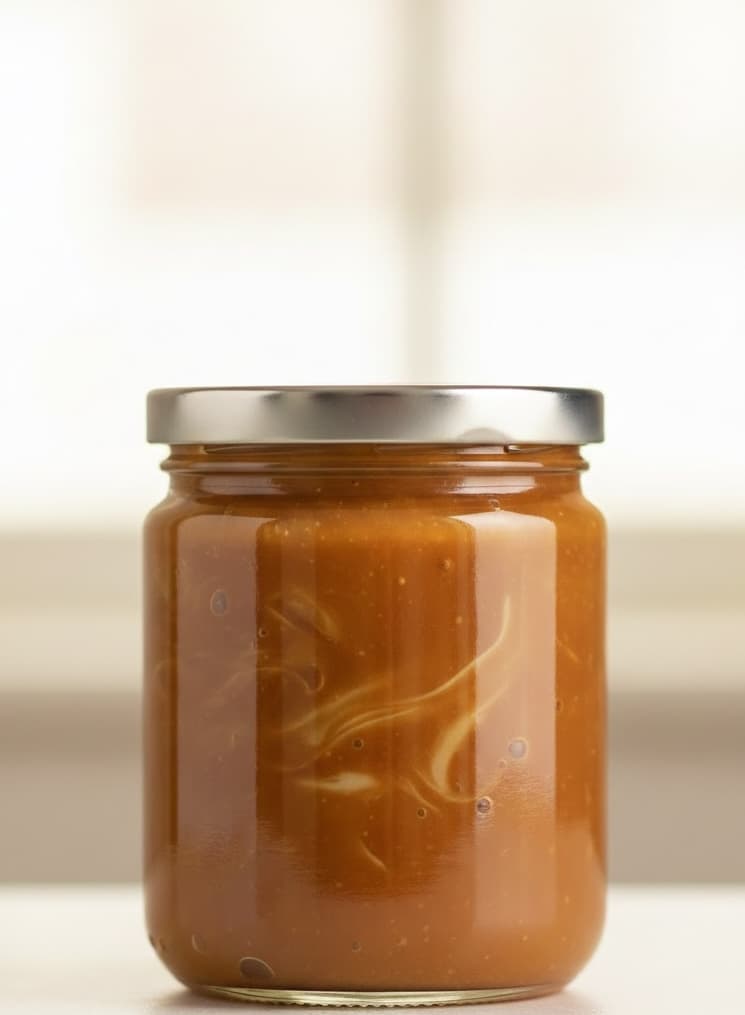
Die Nachfrage nach Karamell verändert sich. Käufer erkennen, dass Menschen nicht mehr nur Süße wollen; sie suchen nach etwas, das bewusst wirkt—Premium-Karamell mit Clean-Label, das in verschiedenen Kategorien Mehrwert bietet.
Premiumisierung & Genuss
Der Karamellkauf verschiebt sich von Impuls zu Absicht, wobei Käufer von intensiveren Geschmacksrichtungen wie gesalzenen, gerösteten oder pflanzlichen Saucen angezogen werden. Wenn der Geschmack bewusst wirkt, wird der Preis zweitrangig. Laut Future Market Insights fördern diese verfeinerten Profile genussvolle Käufe, wodurch Einzelhändler und Distributoren die Margen erhöhen können und durch wiederholte Nachfrage Loyalität aufbauen.
Clean-Label & Transparenz
Clean-Label-Karamell taucht immer häufiger in Beschaffungsanfragen auf, da Kunden einfach Zutaten wollen, die sie erkennen können. Laut Puratos bedeutet Clean-Label keine Zusatzstoffe, natürliche Farben und natürliche Aromen. Und natürliche braune Farbstoffe ersetzen heutzutage traditionelle Karamellfarben. Wählen Sie Clean-Label-Karamell—kein Ammonium, kein Sulfit—und Sie sind bereits einen Schritt voraus gegenüber Basis-SKUs.
Gesundheit & Ernährungsumstellungen
Mit weniger Zucker, ohne Milchprodukte, veganen und pflanzlichen Varianten reformulieren Marken jetzt Karamell. Persistence Market Research verzeichnet eine steigende Nachfrage nach natürlichem Karamell, das zu zuckerarmen, diabetikerfreundlichen und keto-freundlichen Produktreihen passt. Es ist Genuss ohne Kompromisse. Wenn Sie Distributor sind, wird das Angebot von zuckerreduzierten Karamellsaucen oder veganen Karamellfüllungen Ihr Portfolio relevant halten.
Multi-Kategorie-Anwendungen & kanalübergreifendes Wachstum
Heutzutage findet Karamell seinen Weg in Getränke, Backwaren-Toppings, Snack-Beschichtungen, pflanzliche Milchprodukte, RTD-Getränke und sogar herzhafte Glasuren. Vielfalt wird von Verbrauchern geschätzt. Laut Mordor Intelligence sind Getränke das am schnellsten wachsende Segment für Karamellzutaten, mit einer CAGR von fast 10,5 % bis 2030. Das Bedienen mehrerer Kategorien hilft Käufern, Risiken zu streuen und neue Volumenmöglichkeiten zu finden.
Chancen und Zukunftsausblick
Chancen im Bereich Karamell sind nicht vage. Es handelt sich um spezifische Veränderungen, die Käufer nutzen können, um erfolgreich zu sein. Das Wachstum tendiert zu saubereren Labels, Premiumformaten und klügeren Beschaffungsentscheidungen, die tatsächlich die Marge schützen.
Premium statt Volumen
Anstatt sich auf günstiges Volumen zu konzentrieren, wechseln Käufer zu Premium-Karamellformaten. Clean-Label-Karamell, Gourmetfüllungen und spezielle Texturen ermöglichen es, höhere Preise zu verlangen und diese zu rechtfertigen. Verbraucher zahlen für "bewussten Genuss". Premium-SKUs verkaufen sich im Grunde schneller und schaffen Loyalität. Volumen mag auf dem Papier groß aussehen, aber Premium bringt echte Marge. Frühzeitige Anwender profitieren am meisten.
Neue Endverbraucherkanäle
Karamell ist überall — Bäckerei, Eiskaffee, RTD-Getränke, Snacküberzüge, pflanzliche Milchprodukte, sogar Saucen. Wenn Sie Ihr Lieferantenportfolio über verschiedene Kategorien verteilen, reduzieren Sie die Abhängigkeit von einem Kanal. Einzelhändler mögen SKUs, die sich in mehreren Bereichen verkaufen. Karamell funktioniert hier, weil es gut mit Textur und Geschmack harmoniert. Einfache Logik: Mehr Kategorien bedeuten mehr Verkäufe.
Regionen-diversifizierte Beschaffung
Käufer erstellen jetzt regionen-diversifizierte Lieferpläne, anstatt sich auf eine einzige Quelle zu verlassen. Zuckerpreisschwankungen, Versandkosten oder überraschende Zölle können Ihre Gesamtkosten aus dem Gleichgewicht bringen. Sie absorbieren die Auswirkungen all dieser Dinge, wenn Sie Karamellzutaten aus mehreren Regionen beziehen; es ist im Grunde genommen eine Risikoversicherung. Importeure, die vorausplanen, vermeiden hektisches Handeln während Preisspitzen oder Handelsstörungen.
Clean-Label-Karamell als Wettbewerbsvorteil
Clean-Label-Karamell wird zu einer Spezifikationslinie und nicht zu einem "Nice-to-have". Wenn ein Produkt kein Ammonium, keine Sulfite und keine künstlichen Farbstoffe enthält, fühlen sich Käufer sicher, es ins Regal zu stellen. Transparenz stärkt Vertrauen. Verbraucher möchten Zutaten, die sie verstehen. Wenn Sie Clean-Label-Karamell anbieten, verkaufen Sie nicht nur Süße, sondern auch Glaubwürdigkeit.
Co-Entwicklung & Formulierungsunterstützung
Lieferanten, die bei der Rezeptentwicklung helfen, gewinnen mehr Projekte. Manchmal benötigt eine Marke eine einzigartige Viskosität oder ein schnelleres Schmelzen. Co-Entwicklung löst diese kleinen Probleme, die Markteinführungen blockieren. Wenn ein Distributor eine Marke mit technischem Support verbindet, wird er zu einem Partner und nicht nur zu einem Lieferanten. Und das führt irgendwie zu wiederholten Bestellungen und langfristigen Verträgen.
Torgs bestbewertete Karamelllieferanten
1. MRS TASTE – Brasilien
Mrs. Taste konzentriert sich auf Saucen und Sirupe, die genussvoll sind, ohne Schuldgefühle hervorzurufen. Sie entwickeln Produkte mit niedrigem oder keinem Kaloriengehalt, was sie zu wertvollen Partnern für Einzelhändler macht, die gesundheitsbewusste Käufer ansprechen möchten. Die Produktlinie umfasst Salatdressings, Barbecue-Saucen und aromatisierte Sirupe. Im Wesentlichen bieten sie "bessere Karamell-Optionen" an, die dennoch gut schmecken. Irgendwie machen sie gesund aufregend.
2. ALVIN CARAMEL COLOURS (INDIA) PVT. LTD. – Indien
Alvin Caramel Colours ist bekannt für Karamellfarbe, flüssigen verbrannten Zucker und Invertzucker. Sie beliefern Hersteller seit Jahrzehnten, was viel über ihre Zuverlässigkeit aussagt. Ihre Stärke liegt in Konsistenz und sicheren Färbeeigenschaften. Wenn Sie natürliche Karamellfarben oder eine Clean-Label-Ausrichtung benötigen, erfüllt Alvin diese Anforderungen. Käufer schätzen sie für ihre Erschwinglichkeit und zuverlässigen Lieferzeiten. Offensichtlich solide.
3. METAROM BENELUX SA – Belgien
Metarom entwickelt Gourmet-Karamelle, Geschmackslösungen und maßgeschneiderte aromatische Mischungen für Marken, die etwas Einzigartiges suchen. Sie verkaufen nicht nur Karamell; sie entwickeln es gemeinsam. Wenn eine Formel ein spezifisches Aroma, eine bestimmte Viskosität oder Textur erfordert, wird sie angepasst. Kurz gesagt, ideal für F&E-orientierte Käufer. Nachhaltigkeit und Clean-Label-Karamelle machen Metarom sehr attraktiv für Premium-Produktlinien.
Fazit
Der Karamellmarkt entwickelt sich weiter, und die frühen Anwender gewinnen. Clean-Label-Karamell, Premium-Formate und flexible Beschaffung sind keine Trends; sie sind heute tatsächliche Kaufanforderungen. Einzelhändler, Distributoren und Großhändler, die dies verstehen, können Karamell als Werttreiber positionieren, nicht nur als eine weitere Position auf der Preisliste. Im Grunde genommen liegt die Chance direkt vor uns. Marken suchen nach Karamell, das bewusst gestaltet ist, mit einfachen Etiketten, besserem Geschmack und vorhersehbarer Lieferfähigkeit. Wenn Sie Lieferanten wählen, die Co-Entwicklung unterstützen, mehrere Formate anbieten und die Dokumentation bewältigen können, bleiben Sie der Konkurrenz voraus. Der Markt verlangsamt sich nicht. Er entwickelt sich weiter. Und offenbar entwickeln sich die klügsten Akteure mit ihm.
Anfrage für Großbestellung
Einfache Bestellung, transparente Preise, direkt an Ihre Tür geliefert