



Top B2B-Verpackungstrends und Einblicke für 2025
Entdecken Sie die neuesten B2B-Verpackungstrends, die Lieferketten im Jahr 2025 prägen. Erfahren Sie, wie Innovation und Nachhaltigkeit zu intelligenterem Sourcing und stärkeren Partnerschaften führen.
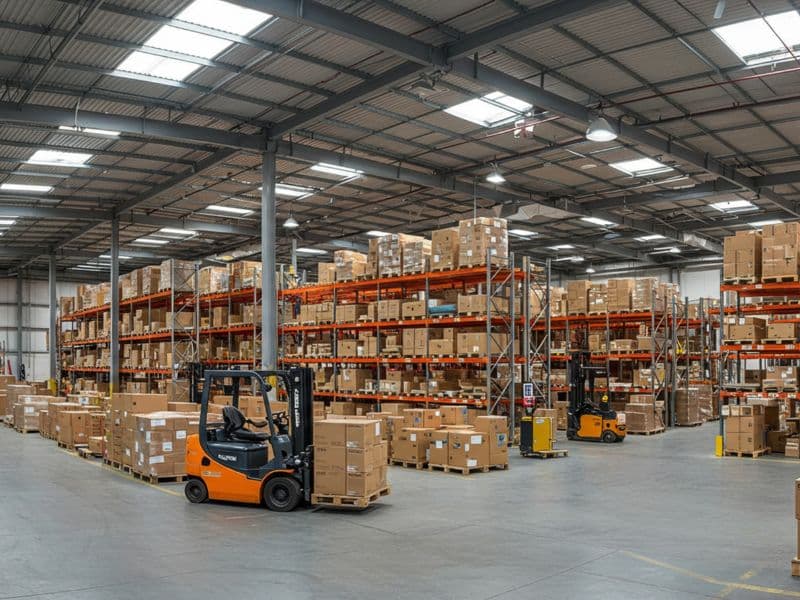
200+ Käufer vertrauen Torg beim Sourcing







Wenn Menschen Verpackungen erwähnen, denken die meisten an Konsumgüter. Sie wissen schon, die bunten Schachteln in den Regalen oder die schöne Tasche, die Sie dazu bringt, etwas zu kaufen, obwohl Sie es eigentlich nicht brauchen. Aber es gibt eine andere Form von Verpackung, die nicht immer Aufmerksamkeit erregt, und das ist die Business-to-Business-Verpackung.
Heutzutage gibt es nachhaltigere B2B-Verpackungen, die aus recycelten oder wiederverwendbaren Materialien hergestellt werden. Ganz zu schweigen von der intelligenten B2B-Verpackung, die Sendungen in Echtzeit überwacht. Die Branche bewegt sich hin zu klügeren, umweltfreundlicheren und kostensparenden Lösungen.
In diesem Artikel werden wir die wichtigsten B2B-Verpackungstrends untersuchen, die die Branchen im Jahr 2025 bestimmen. Wir werden über Innovationen in der Industrie-Verpackung sprechen, warum B2B-Verpackungen in verschiedenen Branchen wichtig sind und effektive Möglichkeiten zur Senkung der Versandkosten durch verbesserte Strategien diskutieren. Wenn Sie in der Logistik, im Gesundheitswesen, im Foodservice oder in der Fertigung tätig sind, könnten diese Erkenntnisse die Art und Weise, wie Sie Verpackungen in Ihrem Unternehmen handhaben, revolutionieren.
Was ist B2B-Verpackung?
B2B-Verpackung, oder Business-to-Business-Verpackung, beschreibt einfach, wie Unternehmen Produkte verpacken und transportieren, wenn sie an andere Unternehmen verkaufen. Es ist nicht dasselbe wie diese kleinen Schachteln, die man in Einzelhandelsgeschäften findet. Vielmehr geht es um Haltbarkeit, Sicherheit und Effizienz.
Angenommen, es gibt eine Fabrik, die Tonnen von Stahlrollen exportiert und sich nicht um bunte Designs kümmert. Was sie benötigen, sind robuste Paletten, die nicht brechen. Ein Pharmaunternehmen, das Impfstoffe über Grenzen hinweg versendet? Sie sind auf temperaturempfindliche Behälter angewiesen, damit nichts verdirbt. Das ist die Realität der B2B-Verpackung. Pragmatismus, der die Lieferketten am Laufen hält.
Der Wert von B2B-Verpackung zeigt sich auf so viele verschiedene Arten. Sie schützt Produkte vor Schäden, eliminiert unnötige Kosten und sorgt für die Einhaltung von Vorschriften. Und wenn sie richtig durchgeführt wird, spart Verpackung nicht nur Geld, sondern schafft tatsächlich Vertrauen zwischen Unternehmen. Niemand möchte weiterhin mit einem Partner zusammenarbeiten, dessen Produkte beim Versand beschädigt wurden.
B2B- vs. B2C-Verpackung
Verpackungen sehen auf den ersten Blick nicht wirklich anders aus. "Eine Schachtel ist eine Schachtel", wie das Sprichwort sagt. Aber wenn man genauer hinsieht, ist der Unterschied zwischen Business-to-Business- und Verbraucher-Verpackungen ziemlich groß. Die Ziele, die Kosten und sogar die Schwerpunkte sind unterschiedlich.
- Nehmen wir zum Beispiel den Zweck. B2C-Verpackungen sind darauf ausgelegt, die Aufmerksamkeit auf einem Einzelhandelsregal zu erregen oder ein Unboxing-Video im Internet cool wirken zu lassen. Im Gegensatz dazu geht es bei B2B-Verpackungen darum, Produkte sicher, unbeschädigt und gemäß den Versandvorschriften zu liefern. Regalattraktivität spielt in diesem Fall keine Rolle, Geschwindigkeit und Zuverlässigkeit jedoch schon.
- Ein weiterer großer Unterschied ist das Volumen. Unternehmen, die Massensendungen, schwere Geräte oder empfindliche Komponenten handhaben, benötigen Verpackungen, die robuster und eher maßgefertigt sind. Man kann industrielle Ausrüstung oder Medikamente nicht einfach in die gleiche Art von Schachtel werfen, die man für Turnschuhe verwenden könnte.
- Und dann gibt es noch die Kostenempfindlichkeit. Im Verbraucherbereich ist Verpackung häufig ein Bestandteil der Marketingkosten. Marken sind bereit, zusätzliches Geld für Hochglanzoberflächen oder innovative Drucke auszugeben, wenn dies den Umsatz steigert. Aber im B2B-Bereich beeinflusst Verpackung direkt die Margen und Versandkosten. Ein falsch gewähltes Material oder eine überdimensionierte Schachtel können die Versandkosten schnell in die Höhe treiben.
- Schließlich gibt es noch die Nachhaltigkeit. Beide Seiten stehen unter Druck, umweltfreundlicher zu werden, aber die Anforderungen im B2B-Bereich sind höher. Wenn man Waren per LKW oder Container transportiert, spart die Abfallreduzierung nicht nur Geld, sondern auch einen erheblichen Teil der Kosten. Deshalb erhalten nachhaltige B2B-Verpackungen und umweltfreundliche Industrie-Verpackungen mehr Aufmerksamkeit als je zuvor.
Die Erkenntnis hier ist, dass Unternehmensverpackungsstrategien im B2B-Bereich an industrielle Realitäten angepasst werden müssen. Ideen aus Verbrauchermärkten zu übernehmen, reicht nicht aus. Unternehmen benötigen Verpackungen, die im großen Maßstab funktionieren, niedrige Kosten aufrechterhalten und dennoch grüne Verpackungslösungen für Unternehmen ermöglichen, die Wert auf ihre Umweltbilanz legen.
B2B-Verpackungstrends, die die Branche prägen
Unternehmen erkennen zunehmend, dass Verpackungen buchstäblich bestimmen können, wie reibungslos oder mühsam ihre Abläufe verlaufen. Deshalb läuft die Branche auf Hochtouren, und einige Trends beginnen sich abzuzeichnen. Diese B2B-Verpackungstrends prägen bereits das Jahr 2025 und werden wahrscheinlich den Kurs für die nächsten zehn Jahre bestimmen.
1. Nachhaltigkeit & umweltfreundliche Materialien
Wenn Verpackungen nicht nachhaltig sind, hinken sie hinterher. Kunden, Regierungsbehörden und sogar Mitarbeiter fordern nachhaltige B2B-Verpackungen, und Unternehmen können sich nicht länger herausreden. Deshalb gibt es immer mehr grüne Industrieverpackungen, die aus recyceltem Karton, biologisch abbaubaren Kunststoffen und sogar kompostierbaren Folien hergestellt werden.
Kompostierbare Behälter tauchen im Lebensmittelservice auf, und pflanzliche Folien gelangen in Einzelhandels-Lieferketten. Die Transformation erfolgt nicht nur, um auf einem Unternehmensbericht attraktiv zu wirken. Unternehmen sparen Geld, indem sie Abfall reduzieren und Entsorgungskosten minimieren. Und Kunden interessiert das. Sie sind eher bereit, Geschäfte mit Lieferanten zu machen, die nachweisen können, dass sie Geld in grüne Verpackungslösungen investieren.
📦 Suchen Sie nach Verpackungen, die den neuesten B2B-Trends entsprechen? Entdecken Sie verifizierte Lieferanten auf Torg, die innovative, nachhaltige und kosteneffiziente Lösungen liefern.
Anfrage für Großbestellung
Einfache Bestellung, transparente Preise, direkt an Ihre Tür geliefert
2. Intelligente & Vernetzte Verpackung
Technologie ist nicht mehr nur eine nette Ergänzung; sie wird zunehmend in die Verpackung selbst integriert. Intelligente B2B-Verpackungen sind eine aufkommende Realität. Sensoren, QR-Codes und RFID-Tags werden in Verpackungen integriert, sodass Unternehmen Sendungen in Echtzeit überwachen können.
Stellen Sie sich eine Medikamentenschachtel vor. Anstatt sie zu versiegeln und darauf zu vertrauen, dass sie kalt beim Kunden ankommt, können Unternehmen jetzt sicherstellen, dass die gesamte Kühlkette beim Transport des Produkts überprüft wird. Oder stellen Sie sich Logistikanbieter vor, die in Echtzeit überprüfen können, ob eine Palette beim Beladen beschädigt wurde. Dieses Maß an Transparenz minimiert Konflikte, eliminiert Verluste und ermöglicht es Unternehmen, präzisere Vorhersagen zu treffen. Im Wesentlichen wird Verpackung zu einem Datentool, anstatt nur ein Behältnis zu sein.
3. Automatisierung & Verpackungseffizienz
Automatisierung ist zum Rückgrat der industriellen Verpackung geworden, ohne dass es jemand bemerkt hat. Dinge, die früher futuristisch wirkten, wie automatisierte Kartongrößenmaschinen oder robotische Palettierer, sind mittlerweile überall. Sie sind günstiger, schneller und viel zuverlässiger als manuelle Arbeit.
Der Nutzen ist mit weniger Fehlern, schnellerem Durchlauf und reduzierten Arbeitskosten erheblich. Das meinen Unternehmen, wenn sie den Vorteil der Automatisierung in der industriellen Verpackung beschreiben. Es geht nicht unbedingt um Geschwindigkeit; es geht darum, Zuverlässigkeit in die Lieferkette einzubauen, sodass Produkte pünktlich und ohne Rücksendungen ankommen.
4. Anpassung & Verpackung nach Bedarf
Anpassung war früher etwas, mit dem Einzelhandelsmarken prahlten, aber es schleicht sich in den B2B-Bereich ein. Warum? Weil überdimensionierte Verpackungen teuer sind. Das Versenden eines teilweise gefüllten Kartons ist nicht nur verschwenderisch, sondern verursacht auch Gebühren für das Volumengewicht.
Deshalb wechseln Unternehmen zu Verpackungsmaschinen nach Bedarf, die Kartons auf die genau benötigte Größe zuschneiden. Die Vorteile summieren sich schnell: mehr Lagerfläche, niedrigere Versandkosten und ein kleinerer CO2-Fußabdruck.
5. Kreislaufwirtschaft & Wiederverwendungsmodell
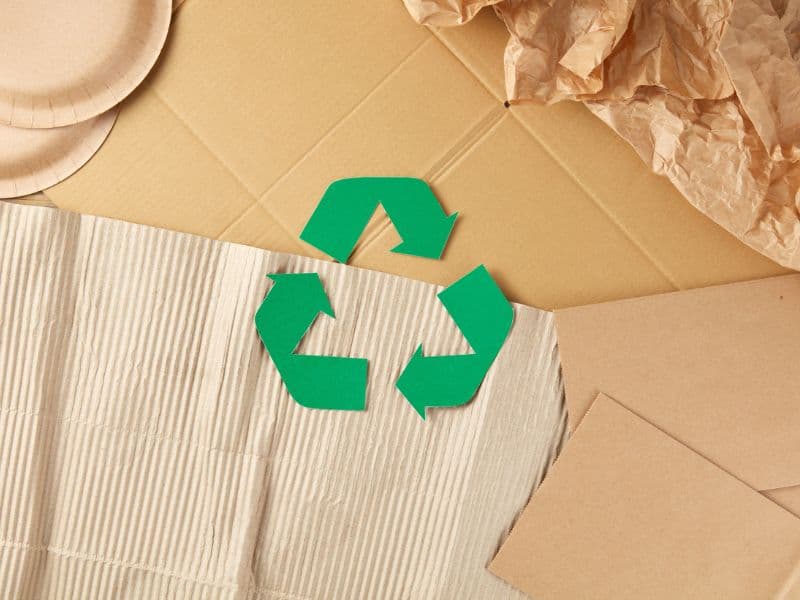
Das Konzept der Kreislaufwirtschaft wird im Bereich Verpackung immer beliebter. Anstatt Einwegverpackungen herzustellen, entwickeln Unternehmen Systeme, in denen Verpackungen und Behälter wiederholt recycelt werden können. Rückführbare Kunststoffbehälter, Palettenpools und Metallfässer gehören mittlerweile zum täglichen Verpackungsalltag von Unternehmen.
Das ist auch gut für die Umwelt. Wiederverwendung spart langfristig Kosten. Ein Behälter, der robust genug ist, um dutzende Reisen zu überstehen, amortisiert die Kosten für jede Lieferung. Für Unternehmen, die nach Möglichkeiten suchen, nachhaltige B2B-Verpackungsziele zu erreichen, erfüllen Wiederverwendungssysteme sowohl die Kosten- als auch die Umweltanforderungen.
6. Verpackung unter regulatorischen und compliance-bedingten Vorgaben
Pharmazeutika, Gastronomie und Chemikalien sind Branchen, die sich keine Nachlässigkeit bei Vorschriften leisten können. Verpackungen in diesen Branchen werden durch strengere Compliance-Standards neu definiert. Etiketten müssen eindeutig sein. Materialien müssen zugelassen sein. Verschlüsse müssen manipulationssicher sein.
Neue Verpackungslösungen aus dem Industriesektor stellen sich der Herausforderung. Compliance-Tags mit RFID, manipulationssichere Verschlüsse und rückverfolgbare Verpackungskonfigurationen beschleunigen Audits und halten Lieferungen innerhalb der regulatorischen Vorgaben. Es ist einer dieser Bereiche, in denen Verpackung mehr Notwendigkeit als Wahl ist, aber wenn sie gut umgesetzt wird, fördert sie dennoch Vertrauen und Glaubwürdigkeit.
Branchenspezifische B2B-Verpackungsinnovationen
Jede Branche hat ihre eigenen Verpackungsbesonderheiten. Was für die Gastronomie funktioniert, funktioniert nicht für Elektronik, und Pharma-Verpackungen sehen ganz anders aus als das, was man in der Fertigung sieht. Deshalb entstehen Innovationen in der Industrie-Verpackung sektorweise, getrieben von Vorschriften, Produktempfindlichkeit und Kundenerwartungen. Werfen wir einen Blick darauf, wie verschiedene Branchen Verpackungen im Jahr 2025 neu denken.
Verpackungen für Gastronomie & Getränke
Hier sind Frische und Sauberkeit entscheidend. Wenn die Verpackung die Lebensmittel nicht sicher hält, versagt das gesamte System. Deshalb sind Vakuumverpackungen, isolierte Boxen und wiederverwendbare Lieferbehälter überall zu finden.
Aber bei Sicherheit hört es nicht auf. Es gibt einen starken Trend zu nachhaltigen B2B-Verpackungen in dieser Branche. Restaurants, Großhändler und Getränkeunternehmen setzen auf kompostierbare Tabletts, pflanzenbasierte Folien und recycelbare Kartons. Einige Lieferanten haben sogar geschlossene Kreislaufsysteme, bei denen Kisten und Flaschen gesammelt, gewaschen und wiederverwendet werden. Es ist eine kosteneffiziente Möglichkeit, auf die wachsende Nachfrage nach umweltfreundlichen Verpackungslösungen für Unternehmen zu reagieren, die sich um die Umwelt kümmern.
Verpackungen für Pharmazeutika & Gesundheitswesen
Dies ist wahrscheinlich die strengste Verpackungsdisziplin überhaupt. Vorschriften sind umfangreich, und das aus gutem Grund. Medikamente, Impfstoffe und medizinische Geräte erfordern manipulationssichere, temperaturempfindliche und sterile Verpackungen. Kurz gesagt, ein Versagen ist keine Option.
Hier wird intelligente B2B-Verpackung unverzichtbar. QR-Codes, RFID-Chips und Datenlogger ermöglichen es Unternehmen, eine Sendung vom Labor bis zum Krankenhaus zu verfolgen. Die Integrität der Kühlkette kann jetzt in Echtzeit überprüft werden, ein Wendepunkt für die Sicherheit. Selbst kindersichere Verschlüsse und sterilisierte Blisterpackungen sind Vorteile der industriellen Verpackung, da sie Leben retten und Vertrauen sichern.
Verpackungen für E-Commerce & Logistik
E-Commerce hat nicht nur für Verbraucher, sondern auch für den Großhandel Fahrt aufgenommen. Und hier kommt der Haken: Waren gehen schnell und in großen Mengen, daher muss die Verpackung ein Gleichgewicht zwischen Geschwindigkeit, Kosten und Sicherheit finden. Unternehmensverpackungslösungen im E-Commerce drehen sich typischerweise um Automatisierung. Passgenaue Boxen, Wellpappe-Einsätze und leichte, aber robuste Materialien schützen Waren, ohne die Versandkosten zu erhöhen.
Auch Automatisierung zählt. Verpackungsmaschinen können Tausende von Boxen an einem einzigen Tag verpacken, ohne einen Takt zu verpassen. Offenbar wollen Kunden eines am meisten: Zuverlässigkeit. Wenn Verpackungen alles tun, um Rücksendungen zu reduzieren, Versandkosten zu sparen und die Abwicklung zu beschleunigen, sind alle zufrieden.
Verpackungen für Industrie & Fertigung
Dies ist das Schwerlast-Ende des Spektrums. Denken Sie an Maschinen, Autoteile oder Rohstoffe. Normale Boxen reichen hier nicht aus. Stattdessen finden Sie verstärkte Holzkisten, wiederverwendbare Großbehälter und sogar Metallgehäuse.
Eine der größten Veränderungen im Jahr 2025 ist der Übergang zu nachhaltigen Industrie-Verpackungen in dieser Branche. Unternehmen stellen fest, dass Wiederverwendungszyklen wie Palettenpools oder wiederverwendbare Stahldrums nicht nur sinnvoll sind, sondern langfristig wirtschaftlich. Die Verpackung mag robust und funktional erscheinen, aber was dahinter steckt, ist ein Plan zur Abfallreduzierung und Effizienzsteigerung im großen Maßstab.
Verpackungen für Elektronik & Technologie
Elektronik ist empfindlich, wertvoll und zerbrechlich, daher ist Verpackung Teil des Produkts selbst. Antistatische Folien, stoßdämpfende Schaumeinsätze und Feuchtigkeitskontrollpakete sind mittlerweile alltäglich. Verpackungen umfassen sogar manipulationssichere Siegel für zusätzliche Sicherheit.
Hier ist der Wert von B2B-Verpackungen offensichtlich. Eine defekte Leiterplatte oder Servereinheit ist nicht nur ein Produktverlust. Es kann zu Geschäftsverlusten, Garantieansprüchen und Kundenärger führen. Exportvorschriften sind ebenfalls streng, daher müssen Unternehmen sicherstellen, dass jede Verpackung vor Verlassen der Fabrik den Anforderungen entspricht.
Beste Verpackungsstrategien zur Senkung der Versandkosten
Der Versand wird nicht günstiger. Gaspreise, Arbeitskräftemangel und Veränderungen in den Lieferketten im Ausland treiben die Kosten in die Höhe. Dennoch ist die Verpackung eines der wenigen Stellschrauben, die Unternehmen tatsächlich unter Kontrolle haben. Wie Sie Produkte verpacken, kann den Unterschied zwischen Überausgaben und einem schlanken, effizienten Geschäft ausmachen. Dies sind einige Unternehmensverpackungsstrategien, auf die sich Unternehmen im Jahr 2025 verlassen, um Geld zu sparen.
1. Verpackung in der richtigen Größe
Nicht nur wirken übergroße Kartons verschwenderisch, sie kosten tatsächlich mehr. Spediteure berechnen mittlerweile nach Volumengewicht, sodass halbvolle Kartons teuer sein können. Die Lösung? Verpackung in der richtigen Größe.
Mehrere Unternehmen wechseln zu On-Demand-Verpackungsmaschinen, die maßgeschneiderte Kartons direkt vor Ort herstellen. Das Endergebnis sind weniger Füllmaterialien, niedrigere Versandkosten und weniger verschwendeter Lagerplatz. Und mal ehrlich, wer möchte nicht den Versand von „Luft“ landesweit eliminieren?
2. Leichte Materialien
Gewicht zählt. Der Austausch schwerer, weniger haltbarer alter Verpackungen gegen leichtere, haltbarere Alternativen reduziert direkt die Frachtkosten. Es gibt verstärkte Wellpappe statt Holz oder robuste recycelte Kunststoffe statt Metall.
Dies ist vielleicht der praktischste Vorteil industrieller Verpackungen. Sie verändern nicht Ihr Produkt, sondern lediglich die Art und Weise, wie Sie es verpacken. Die Kosteneinsparungen summieren sich schnell, insbesondere beim Versand per LKW oder Container.
3. Wiederverwendbare Verpackungssysteme
Einwegverpackungen sind in vielen B2B-Umgebungen überholt. Immer mehr Unternehmen investieren in rückführbare Kisten, Palettenpool-Programme und wiederverwendbare Großbehälter. Die anfänglichen Kosten erscheinen auf den ersten Blick möglicherweise höher, aber wenn man diese Kosten auf Dutzende von Fahrten aufteilt, sinken die Kosten pro Versand erheblich.
Es ist auch ein Gewinn für die Nachhaltigkeit. Wiederverwendung unterstützt umweltfreundliche Initiativen für industrielle Verpackungen ohne Deponieabfall. Im Grunde genommen ist es eine dieser fast unbekannten Situationen, in denen Geld sparen und umweltfreundlich sein Hand in Hand gehen.
4. Automatisierung für Effizienz
Manuelle Verpackung hat ihre Grenzen. Sie ist langsamer, weniger konsistent und anfällig für Fehler. Deshalb nimmt die Automatisierung in der hochvolumigen Business-to-Business-Verpackung zu. Automatisierte Geräte können Produkte schneller versiegeln, etikettieren und stapeln, als es ein menschliches Team jemals könnte.
Der Vorteil liegt auf der Hand: reduzierte Arbeitskosten, reduzierte Rücksendungen aufgrund von Verpackungsfehlern und verbesserte Lieferkettenintegrität. Es ist eine weitere Funktion, bei der Verpackung eine strategische Investition statt eines Kostenfaktors darstellt.
5. Intelligenteres Design für den Transport
Die fünfte dieser Strategien, die normalerweise übersehen wird, ist das Überdenken der Verpackung für den Versand. Palettengroße Maße, stapelbare Behälter und zusammenklappbare Kartons ermöglichen eine bessere Logistik zu geringeren Kosten. Wenn Pakete einfach stapelbar im LKW- oder Containerraum sind, sparen Unternehmen Platz und maximieren jede Lieferung.
Diese Strategie steht in direktem Zusammenhang mit der Zukunft der B2B-Verpackung, in der Design, Kosteneffizienz und Nachhaltigkeit aufeinandertreffen.
Fazit
Verpackung im B2B-Bereich versteckt sich nicht mehr im Hintergrund. Sie ist zu einem der Aspekte geworden, die tatsächlich beeinflussen können, wie effizient, nachhaltig und kosteneffektiv ein Unternehmen wirklich ist. Wenn man darüber nachdenkt, berührt Verpackung inzwischen alles, wie Effizienz, Compliance, Reputation und sogar das langfristige Vertrauen der Kunden.
Die Zukunft der B2B-Verpackung geht tatsächlich in Richtung intelligenter, umweltfreundlicher und strategischer Verpackung. Unternehmen setzen auf grüne Industrieverpackungen, testen wiederverwendbare Behälter und investieren in intelligente Verpackungen für B2B, die ihnen eine verbesserte Sichtbarkeit und Kontrolle bieten. Und es scheint, dass die Belohnung mehr wert ist als nur „grün werden“. Es sind tatsächliche Einsparungen, reduzierte Verzögerungen und eine größere Zuverlässigkeit der Lieferkette.
Jede Branche hat ihre eigenen Verpackungsagenda. Der Foodservice erfordert Frische. Die Pharmaindustrie erfordert Compliance. Der E-Commerce erfordert Schnelligkeit und Schutz. Die Schwerindustrie erfordert Robustheit und Wiederverwendbarkeit. Aber unabhängig von der Branche bleiben die zugrunde liegenden Treiber konstant: Effizienz, Zuverlässigkeit und Nachhaltigkeit.
Unternehmen, die diese B2B-Verpackungstrends tatsächlich übernehmen, positionieren sich besser. Sie reduzieren Abfall, optimieren Versandkosten und erfüllen die wachsende Nachfrage nach umweltfreundlichen Verpackungslösungen für Unternehmen. Am wichtigsten ist, dass sie Kunden und Partnern zeigen, dass Verpackung Teil ihrer Unternehmensstrategie für Erfolg ist.