



Mercato dello yogurt: vendite in aumento di yogurt aromatizzato e da bere
Esplora il fiorente mercato dello yogurt che copre dimensioni, segmenti, tendenze dei consumatori, innovazioni e come sfruttare la prossima ondata di convenienza salutare.

200+ acquirenti si fidano di Torg per l'approvvigionamento







Il mercato dello yogurt sta cambiando rapidamente, con questo cambiamento che ha un impatto maggiore sulle decisioni di approvvigionamento rispetto a quanto inizialmente indicato dai titoli sui "trend dei consumatori". Per i rivenditori, acquirenti, distributori e grossisti, lo yogurt è diventato un ingresso pratico nel segmento della convenienza salutare. Una categoria semplice che ora si estende dai formati da bere agli yogurt a base vegetale, SKU ad alto contenuto proteico e prodotti senza lattosio. In altre parole, lo yogurt è diventato un prodotto molto flessibile che può essere posizionato su più scaffali e a diversi punti di prezzo. Infatti, la vera domanda sarà chi può ottenere una fornitura redditizia e gestire lo stock in modo efficiente. Questo articolo analizza il mercato dello yogurt da un punto di vista commerciale e di approvvigionamento: chiaro, diretto e utile.
Panoramica del mercato globale e del panorama commerciale
Lo yogurt continua a mantenere il suo posto come alimento quotidiano piuttosto che una moda passeggera. Nel 2025, il mercato si attesta a circa 78,1 miliardi di USD, per poi crescere gradualmente fino a circa 110,8 miliardi di USD entro il 2035, con un tasso di crescita annuale del 3,6%.
Lo yogurt probiotico sta anche passando da un prodotto di nicchia a una presenza regolare nel reparto latticini. Si prevede che il segmento passi da circa 33,9 miliardi di USD nel 2026 a circa 72,9 miliardi di USD entro il 2036, con un tasso di crescita annuale del 8%.
La storia qui è la costanza. Lo yogurt si adatta alle routine della colazione, agli spuntini veloci e ai pasti leggeri, mantenendo la domanda stabile. Con l'evoluzione dei formati e le preferenze che cambiano leggermente, la categoria cresce silenziosamente, sostenuta dall'abitudine, dall'accessibilità e dall'ampio appeal tra gruppi di età e regioni.
Per gli acquirenti e i rivenditori, questo tipo di crescita significa una cosa: più domanda, sì, ma anche maggiore pressione sulla differenziazione dei prodotti, sull'efficienza dei costi e sulle decisioni di approvvigionamento. Non puoi semplicemente mettere in vendita qualsiasi yogurt e aspettarti che venga acquistato. Lo spazio sugli scaffali ora favorisce gli SKU che offrono un chiaro "perché" con alto contenuto proteico, etichetta pulita o praticità.
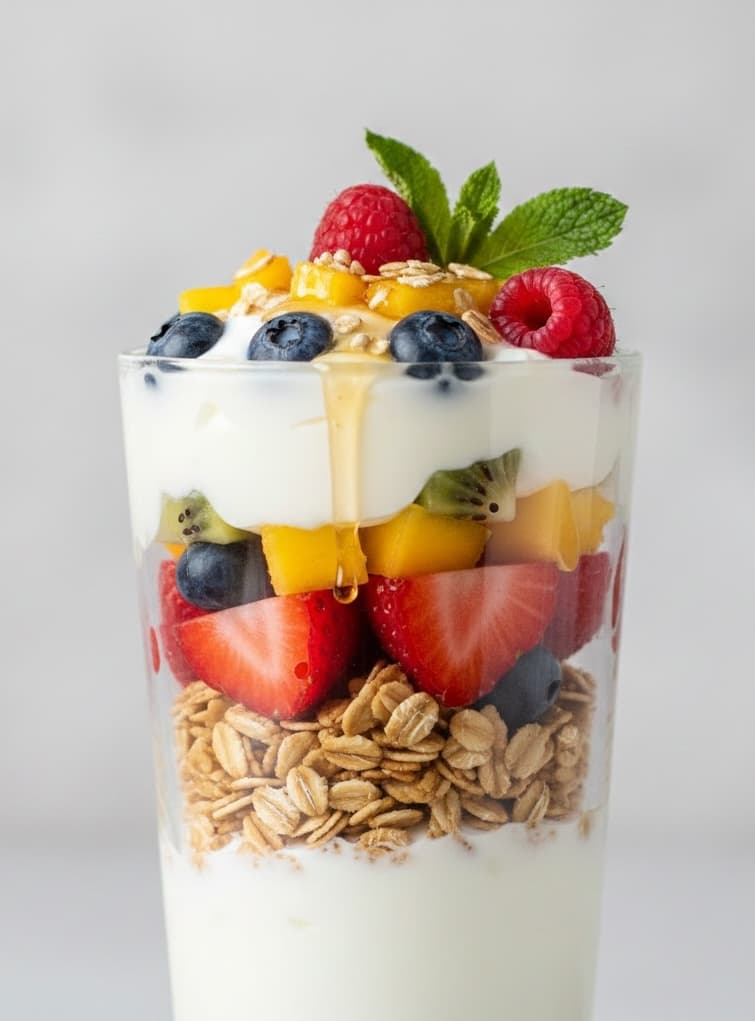
Segmentazione del mercato
Per pianificare la tua gamma di prodotti, devi comprendere come è suddiviso il mercato dello yogurt. Non è più una grande categoria unica. È una raccolta di segmenti più piccoli con esigenze diverse.
Per tipo di prodotto
- Yogurt da cucchiaio
- Yogurt da bere / shot di yogurt
- Yogurt a base vegetale: mandorla, avena, cocco, soia
- Yogurt greco
- Aromatizzato versus naturale
Per gusto / profilo
Gli yogurt aromatizzati rappresentano una grande fetta delle vendite nel mercato globale, e la fragola continua a essere la preferenza di gusto principale.
Per esigenza del consumatore / beneficio dichiarato
- Alto contenuto proteico
- Probiotici / salute intestinale
- Etichetta pulita, basso contenuto di zucchero
- Botanico
- Senza lattosio
Fondamentalmente, lo yogurt è diventato un prodotto per il benessere, non solo un latticino.
Per canale di distribuzione
- Supermercati e negozi di convenienza dominano ancora
- Ma i canali online stanno crescendo rapidamente, soprattutto per SKUs di yogurt premium e di nicchia.
Vorrai categorizzare strategicamente gli SKUs come rivenditore o grossista. Invece di chiamare tutto "yogurt", li posizionerai come: drinkables ad alto contenuto proteico, a base vegetale o senza lattosio per acquirenti sensibili alla dieta; yogurt aromatizzati a valore aggiunto per il commercio al dettaglio di massa. Apparentemente, lo yogurt non è più una categoria; è un ecosistema completo.
Approfondimenti regionali (Principali paesi produttori, importatori, esportatori)
- Su scala regionale, lo yogurt si comporta come un obiettivo mobile. I mercati non crescono allo stesso ritmo e la domanda non segue una logica unica. Europa detiene ancora la fetta più grande, rappresentando oltre il 33,6% del mercato globale dello yogurt negli ultimi anni.
- Europa vince essenzialmente su questo fronte grazie alla sua solida base di produzione lattiero-casearia e alla profonda penetrazione dello yogurt al cucchiaio e dello yogurt greco. Francia, Germania e Paesi Bassi rimangono i principali hub di esportazione.
- Poi c'è l'Asia-Pacifico, che non solo cresce ma accelera; paesi come Cina, Giappone, India e Sud-est asiatico guidano il volume poiché gli yogurt si allineano con una mentalità di "snack + salute". Un rapporto indica che il mercato dello yogurt indiano è destinato a crescere a circa il 9,8% CAGR in avanti, significativamente più alto rispetto all'Europa.
- Le tendenze di consumo negli Stati Uniti mostrano yogurt greco e funzionali in crescita, con yogurt funzionali in aumento del 18% anno su anno e le varietà greche che rappresentano circa 46% delle vendite di yogurt negli Stati Uniti per volume.
- Mentre l'Europa guida nella produzione, c'è l'Asia che guida nel momentum, mentre gli Stati Uniti primeggiano nell'innovazione.
Per i distributori nelle Filippine o in qualsiasi parte del Sud-est asiatico, tenete presente che:
- Capacità della catena del freddo
- Regole di importazione per yogurt lattiero-caseari rispetto a quelli a base vegetale
- I produttori locali si stanno espandendo più velocemente che mai
A quanto pare, anche una categoria ad alta domanda necessita di una logistica adeguata per prosperare.
Approfondimenti sulla catena di approvvigionamento e sul commercio
Sourcing dello yogurt nel 2026 sembra camminare su una linea sottile. La domanda continua a crescere, ma la catena di approvvigionamento è delicata, i produttori di latticini e a base vegetale reagiscono rapidamente ai cambiamenti di costo, ai problemi della catena del freddo e alle interruzioni del commercio regionale.
- Secondo l'OECD-FAO Agricultural Outlook, gestire i latticini non sta diventando più semplice. L'aumento dei costi dei mangimi e dell'energia sta spingendo i prezzi verso l'alto e rendendo le regole di produzione più rigide. I latticini freschi (quelli utilizzati per lo yogurt) richiedono una gestione più attenta rispetto ai latticini lavorati. Necessitano di trasporto e stoccaggio a temperatura controllata, il che aumenta i costi operativi per i distributori e gli importatori.
In altre parole, sta diventando sempre più costoso mantenere lo yogurt freddo.
- I problemi della catena del freddo oggi non sono solo un rischio logistico ma influenzano direttamente la durata di conservazione e i tassi di deterioramento. La guida sottolinea che i rivenditori e i grossisti ora chiedono ai fornitori il monitoraggio della temperatura in tempo reale e persino la tracciabilità tramite codice QR. È semplice: gli acquirenti vogliono evitare stock danneggiati e margini persi, anche se con un tocco hi-tech.
- Un altro aspetto: le catene del freddo non sono più economiche. A causa dell'aumento dei prezzi globali dell'energia, la refrigerazione e il trasporto refrigerato rappresentano ora uno dei principali fattori di aumento dei costi per le spedizioni di latticini.
- Chiaramente, la domanda di catene del freddo non mostra segni di rallentamento. Il mercato della logistica della catena del freddo sta vivendo una crescita aggressiva in categorie come le bevande a base di yogurt e gli yogurt probiotici. Le bevande a base di yogurt, in particolare, necessitano di temperature stabili durante il trasporto dall'impianto al rivenditore.
- Nel frattempo, i mercati statunitensi ed europei stanno registrando un aumento degli abbonamenti diretti al consumatore per lo yogurt—un suono piuttosto casuale, ma che comunque influisce sui distributori. Quando i marchi vendono direttamente al consumatore, i rivenditori vedono una rotazione più lenta in negozio, il che inevitabilmente significa una migliore previsione. Questo è evidenziato nel PCE Food & Agriculture Business, secondo cui la pianificazione della catena di approvvigionamento oggi si orienta verso la produzione basata sulla domanda.
- Lo yogurt a base vegetale aggiunge un'altra dimensione. Ciò significa che importare yogurt a base di avena, mandorla o cocco può incontrare diverse classificazioni tariffarie a seconda dell'ingrediente base.
In altre parole, uno yogurt a base di cocco non viene trattato allo stesso modo alla dogana rispetto a uno yogurt a base di latticini. In qualche modo, un SKU può passare più velocemente e costare meno in dazi rispetto a un altro a causa dell'origine dell'ingrediente.
Cosa vogliono i consumatori: comportamento, motivazioni e cambiamenti nei canali
La categoria dello yogurt funziona perché si muove. Le persone vogliono qualcosa di veloce, sano e flessibile. E lo yogurt si adatta perfettamente a questo compito senza passaggi extra.
Driver di Salute e Benessere
Oggi, la maggior parte dei consumatori cerca un beneficio reale dallo yogurt piuttosto che semplici promesse vaghe. Le alte proteine, i probiotici, la salute intestinale, il basso contenuto di zuccheri e le dichiarazioni di etichetta pulita sono i principali trigger di acquisto per loro. Le intuizioni di Glanbia Nutritionals' continuano a rivelare che la domanda di proteine e etichette più pulite continua a crescere. MarketsandMarkets registra anche una crescita costante nei formati di yogurt proteico legati al fitness, al recupero e alla nutrizione quotidiana. Gli acquirenti che fanno scorta di SKU funzionali solitamente ottengono margini migliori.
Cambiamenti di Formato e Convenienza
Le persone prendono lo yogurt perché non le rallenta. Piccole bottiglie. Cucchiai monoporzione. Multipack che funzionano praticamente ovunque, come il frigorifero dell'ufficio, la borsa della palestra e persino il portabicchieri dell'auto. Si prevede che lo yogurt da bere catturerà circa il 73,5% della quota di prodotto nel 2025. Più è facile da aprire e mangiare, più velocemente l'inventario si muove attraverso i canali di convenienza.
Etichetta Pulita, a Base Vegetale e Sostenibilità
Lo yogurt a base vegetale è passato da "forse" a una certezza. Gli acquirenti si aspettano di vedere avena, mandorla o soia come predefiniti, poiché questi sembrano più leggeri e responsabili. Il rapporto sulle tendenze dello yogurt negli Stati Uniti di Evidnt mostra una chiara crescita nell'espansione a base vegetale, yogurt premium e fermentazione funzionale come il kefir. I rivenditori possono guadagnare insistendo su imballaggi riciclabili.
Cambiamenti nei Canali e nei Demografici dei Consumatori
Alcuni clienti più giovani non acquistano yogurt come fanno alcuni più anziani. I contenitori familiari vanno bene. Online, premium, ad alto contenuto proteico, senza lattosio e yogurt a basso contenuto di zuccheri oggi hanno semplicemente avuto prestazioni migliori. Gli abbonamenti diretti al consumatore e la spesa online influenzano il modo in cui gli acquirenti pianificano i livelli di stock e le rotazioni. Ignora questi cambiamenti e lo sentirai sullo scaffale. Adatta il tuo assortimento e la tua strategia di distribuzione.
Opportunità e prospettive future
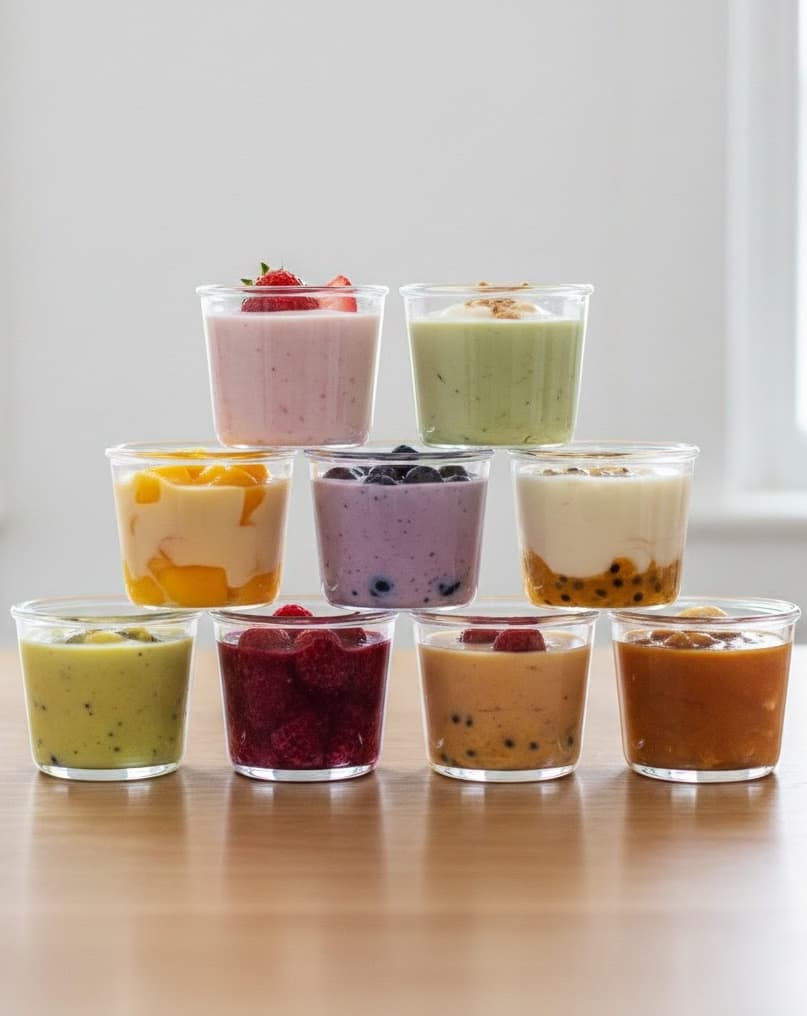
Questa categoria continua a cambiare. Nulla rimane fermo a lungo. Una stagione, un formato prende piede; la successiva, i margini calano o i fornitori cambiano direzione. Una strategia di approvvigionamento che funzionava due anni fa potrebbe sembrare obsoleta ora. Gli acquirenti devono adattarsi più rapidamente, perché il mercato dello yogurt premia il movimento, non l'esitazione.
Yogurt ad alto contenuto proteico e funzionale
Lo yogurt ad alto contenuto proteico non è più un'idea di nicchia. È considerato carburante: proteine, probiotici, supporto intestinale, recupero muscolare. L'idea è piuttosto semplice: i prodotti con benefici quantificabili si vendono più rapidamente. Gli SKU contenenti 20-30g di proteine si muovono diversamente rispetto ai vasetti generici perché i consumatori riescono in qualche modo a giustificare il prezzo. Per i rivenditori, significa un livello premium senza bisogno di marketing aggressivo. In breve, lo yogurt funzionale offre protezione dei margini.
Alternative vegetali allo yogurt
Lo yogurt vegetale risolve problemi reali. Clima caldo? Scarsità di forniture di latte? Crescente numero di consumatori flessitari? Le alternative vegetali soddisfano tutte queste esigenze. Yogurt di avena, mandorla e cocco spesso hanno liste di ingredienti più pulite—semplici e dirette. Questo li rende più facili da spiegare e posizionare. Invece di lottare per un posto affollato nel reparto latticini, i rivenditori possono posizionare questi SKU nelle sezioni benessere, nei negozi naturali o persino spingerli tramite e-commerce dove i consumatori li cercano attivamente. Meno resistenza, più portata.
Formati premium e praticità "on-the-go"
I consumatori non aspettano più la colazione. Lo yogurt è diventato portatile. Confezioni più piccole, yogurt da bere, formati mousse, bicchieri con mix di frutta—si comportano come snack. Si adattano a micro-mercati, caffè, distributori automatici e negozi di convenienza senza bisogno di promozioni pesanti. Stai vendendo velocità, non yogurt. Questi SKU si muovono rapidamente perché le persone li prendono senza pensarci troppo. La praticità equivale praticamente alla velocità di vendita.
Crescita nei mercati emergenti
La domanda sta accelerando nell'Asia-Pacifico e in America Latina. Il mercato dello yogurt in India sta crescendo molto rapidamente e, pertanto, rappresenta un'opzione interessante per l'approvvigionamento o le partnership iniziali. Nei mercati dove la penetrazione dello yogurt è in aumento, è facile testare nuovi sapori, consistenze o SKU locali. Muoversi per primi offre contratti migliori, prezzi più vantaggiosi e meno concorrenza.
Canali online e SKU pronti per l'abbonamento
L'e-commerce ha cambiato il flusso dell'inventario: i consumatori si abbonano al loro yogurt preferito come al caffè o alle vitamine. Questo rende la domanda più prevedibile per i grossisti e riduce la pressione sugli scaffali nei negozi. I formati direct-to-consumer permettono anche ai rivenditori di sperimentare con minimi più piccoli e prezzi flessibili. In qualche modo lo yogurt è diventato un "acquisto ripetuto di lifestyle". L'imballaggio deve solo essere adatto alla spedizione e facile da conservare.
Fornitori di yogurt altamente valutati su Torg
1. Laiteries H. Triballat — Francia
Rians non cerca di reinventare lo yogurt; semplicemente lo fa bene. Cinque generazioni nel settore lattiero-caseario danno loro un senso della qualità che non si può fingere. Il loro approccio è semplice: latte fresco, fermentazione paziente e consegna refrigerata. Nessuna ingegnerizzazione eccessiva. Il risultato? Un gusto premium che genera ordini ripetuti. Gli acquirenti li apprezzano perché i prodotti si vendono senza bisogno di spinte di marketing drammatiche. Fondamentalmente, poco sforzo, rapido turnover.
2. Olympus Dairy Deutschland GmbH — Germania
Olympus funziona come un ponte tra la tradizione mediterranea e la produzione moderna. Gestiscono tutto, dallo yogurt greco all'halloumi, alla feta e ai prodotti a base di noci. Il vantaggio maggiore non è la varietà. È la coerenza. Texture liscia, durata di conservazione prevedibile, sapore stabile. I rivenditori apprezzano i prodotti che non li sorprendono. In qualche modo, Olympus riesce a soddisfare sia i mercati premium che i canali sensibili al prezzo contemporaneamente. Se hai bisogno di yogurt greco che performa, questo fornitore è affidabile.
3. Boermarke — Paesi Bassi
Boermarke è specializzata in alternative vegetali ai prodotti lattiero-caseari. Non complicano troppo le cose. Il loro yogurt, formaggio e persino gelato sono disponibili come private label o sotto il loro marchio. I sapori sono familiari e facili da comprendere, quindi i clienti non esitano nell'acquisto. Sembra un passaggio semplice, non una grande decisione di stile di vita. Questo conta quando si introducono prodotti vegetali in un mercato che si sta ancora adattando alle alternative. Le persone scelgono Boermarke perché l'onboarding non si trasforma in un lungo processo tecnico. Sostenibilità senza drammi. Gusto senza confusione.
Conclusione
Lo yogurt continua a guadagnarsi un posto nell'alimentazione quotidiana. Appare in colazioni veloci, spuntini facili e pasti più leggeri, contribuendo a mantenere costante la domanda. La crescita deriva più dalla varietà che dal volume. Linee ricche di proteine, opzioni a base vegetale e texture migliorate ampliano l'appeal senza cambiare le abitudini. La vendita al dettaglio rimane il pilastro delle vendite, mentre i canali online influenzano la scoperta e la prova. Con le preferenze che si diffondono tra fasce d'età e regioni, lo yogurt appare meno come un singolo prodotto e più come un formato alimentare flessibile. La categoria premia i fornitori che rimangono coerenti, si adattano a piccoli cambiamenti e mantengono le offerte chiare e facili da scegliere.
Richiedi preventivo per ordine all'ingrosso
Ordine semplice, prezzi trasparenti, consegnato direttamente a casa tua