



5 tipi di barrette snack, tendenze e principali fornitori di barrette snack
Esplora il mondo delle barrette snack, comprese le loro diverse tipologie, benefici per la salute, tendenze e come lanciare il tuo prodotto di barrette snack.
200+ acquirenti si fidano di Torg per l'approvvigionamento







Snack bars have evolved into more than pocket-sized snacks. They're defining how individuals snack, power workouts, and even substitute meals when life is hectic. From sports figures consuming protein bars post-workout to parents sneaking in nutritious snack bars into lunches, demand is varied and increasing daily. Companies notice too—retailers want the greatest snack bars on their store shelves, and business owners are looking at homemade snack bars or private label options to fill unique consumer demands.
This article shows what makes snack bars so popular, the benefits they bring, the different types available, and how new brands can launch in this market. We’ll also highlight top suppliers in 2025 and explore the key trends driving this fast-moving category.
What Are Snack Bars?
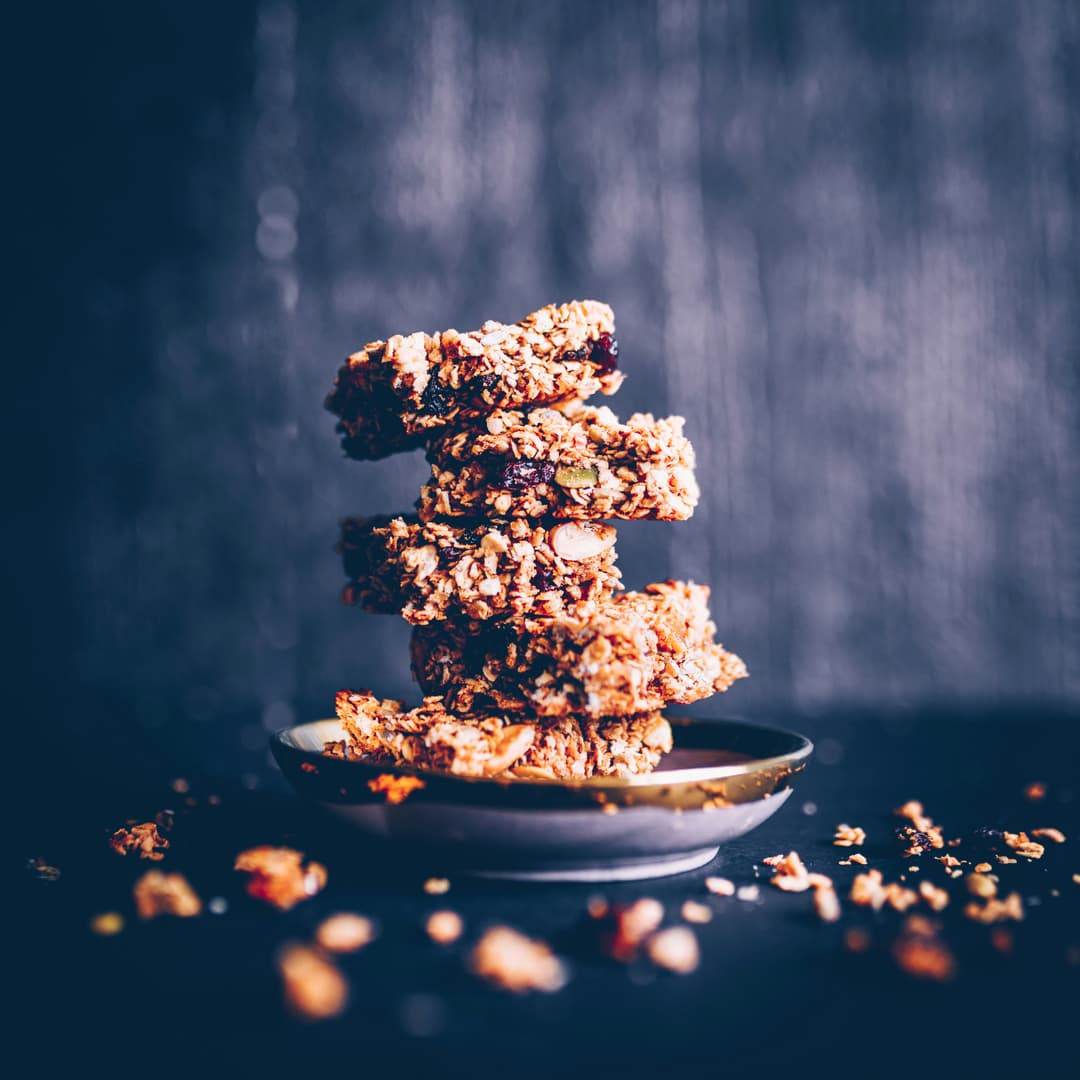
At their core they are small, instant foods made with ingredients like oats, nuts, seeds, and dried fruit. But they’ve branched out so far from the old fashioned granola bar you might remember from your childhood. Now, there are protein-fortified choices for the gym rat, energy bars for distance athletes, meal replacement bars for executives on the go, and even a kid version that simplifies after-school munchies.
The interesting thing about them is how they align with contemporary dining. Individuals desire snacks that are convenient, balanced, and—preferably—nutritious. Snack bars provide that in a manner that comes across as effortless by integrating taste with nutrition. That's when snack bars deliver. They're not merely convenience foods. They're flexible solutions that suit the way people actually live, work, and travel through the day.
Benefits of Snack Bars
Snack bars aren't simply taking over grocery store shelves due to glitzy packaging. They've endured because they actually resolve common issues for individuals with widely varying lifestyles. From college students with something to grab between classes to working professionals dashing late to a meeting, these little bars provide a great deal of value in an easy package.
Convenience & Portability
How many times have you gone hungry on your commute or while running some errands? Having a snack bar in your bag means you don’t have to eat fast food or skip a meal altogether. No refrigeration, no prep, no mess. Just unwrap and eat. And parents love how they fit in a lunchbox and provide kids with a steady supply of energy without the extra hassle.
Nutritional Benefits
Today's top snack bars are no longer about calorie content alone; they're about intelligent nutrition. Some of the healthier snack bars unite protein for satisfaction, fiber for digestion, and vitamins from nuts, fruits, or seeds. There are even brands that take it further with plant proteins, probiotics, or superfoods high in omega. These are more than a snack, they're miniature doses of nutrition designed to meet today's health objectives.
Portion Control & Diet Support
One such underappreciated advantage is portion control. As opposed to tearing open a big bag of chips, a snack bar is pre-portioned. For anyone who counts macros, calories, or is simply trying not to eat too much, it counts. Homemade snack bars can also be customized for particular dietary requirements, such as lower sugar, higher protein, or allergen-free.
Pre- or Post-Workout Fuel
Fitness buffs regard snack bars as routine fare. Pre-workout, an energy bar provides rapid carbs for stamina. Post-workout, protein bars assist in faster muscle recovery. Not surprising that many gyms fill shelves with the top-performing snack bars for performance-oriented consumers. They're not merely snacks, they're functional products that power active lives.
Are Snack Bars Healthy?
Snack bars have become a convenient go-to option for busy lifestyles. They’re marketed as healthy, energy-boosting, and sometimes even as meal replacements. But are snack bars really healthy?
The answer is: it depends on the ingredients and your health goals. Some snack bars are packed with protein, fiber, and healthy fats, while others are little more than candy bars in disguise.
Pros
- Instant solution to sneaking in protein, fiber, and vitamins in the midst of a hectic day.
- Helps with hunger pangs when you don't feel like grabbing chips or cookies.
- Can be customized: weight-loss oriented, muscle-repairing, or just constant energy.
- Lightweight and simple to store—ideal for commutes, offices, or travel.
Cons
- Some snack bars are as loaded with sugar as chocolate bars.
- Depending on them too much can crowd out nutritious, whole meals.
- A tiny bar can pack an unexpected calorie wallop.
- Additives and fillers cut the quality and long-term value.
So, are snack bars good for you? It depends on the bar you're eating and how you're using it. For thoughtful eaters, they're an easy friend. For the less conscientious, they can be a sugar trap in foil wrapper.
Types of Snack Bars
What started with a few chewy granola bars has grown into a full category for every lifestyle, diet, and age range. Each category of snack bars is for a purpose: to fuel a workout, as a meal substitute, or as a healthier snack for kids.
Granola Bars
Granola bars are the old school. Made with oats, nuts, seeds, and a bit of honey or maple syrup they give instant energy and some fiber. They’re lighter than most so they can be a staple for mid morning or mid afternoon cravings. Some companies even re-engineered them with dark chocolate, superfood powders, or dried fruit mixes for added variety. 👉 Find granola bar manufacturers here
Protein Bars
Protein bars are made for those who are pursuing muscle recovery or a satisfying snack that keeps one full for hours. Generally higher in protein content and lower in sugar, such bars are a hit with gym enthusiasts and anyone following high-protein diets. Aside from whey and soy, many newer bars now incorporate plant-based proteins such as pea or hemp to benefit vegan consumers seeking the best snack bars that continue to deliver on taste and nutrition. 👉 Find protein bar manufacturers here
Energy Bars
Energy bars are all about delivering quick, long lasting energy. They’re made with quick burning carbs, nuts, and possibly functional additions like caffeine, electrolytes, or adaptogens. These are carried by runners, cyclists, and people who go on long hikes because they’re light but give a performance boost. Unlike protein bars, their primary function is energy, not muscle repair. 👉 Find energy bar manufacturers here
Meal Replacement Bars
The star players of the category are meal replacement bars. They’re more calories, more protein, and may have added vitamins and minerals to mimic a meal. These work well for working professionals who can’t sit down to lunch or for travelers stuck on the road. Convenient, yes, but in this category, healthy snack bar options mean clean ingredients over simply calorie-dense fillers.
Kids' Snack Bars
Kid oriented snack bars are designed with smaller portions, softer textures, and less complicated ingredient lists. Parents love them for lunch boxes or after school snacks because they hit the balance of taste and nutrition without the sugar. Most brands focus on whole grains and natural flavorings to win over the picky kid and the health conscious parent. You can even make your own snack bars for kids, with recipes that are nut free or creative flavors that replicate desserts without the added sugar.
🚀 Looking to enter the booming healthy snack market? With Torg, you can source high-quality ingredients, connect with reliable suppliers, and scale your snack bar business faster. Sign up for free and browse thousands of snack bar suppliers!
How to Launch a Private Label Snack Bar
The snack bar market is saturated, but in turn, the demand is good. For new companies, private labeling gives them a way to get into this market without having to establish factories and individually source all ingredients. It is about strategy, understanding what kind of snack bars to sell, the right partners, and establishing a brand that in fact connects with consumers.
Find Your Niche
Not every snack bar targets the same consumer. Some buyers demand healthy snack bars with natural sweeteners, while others prefer high-protein versions to be consumed during exercise. Demand for kid-oriented and even do-it-yourself snack bars–type products with clean, simple ingredients is also increasing. Identifying the audience early on dictates all else, from flavor profiles to prices.
Choose a Manufacturing Partner
Private label manufacturers and co-packers are experts at taking ideas and making them into end products. A good partner assists in recipe formulation, raw material sourcing, quality assurance, and adherence to safety regulations. Well beyond manufacturing, the appropriate manufacturer provides scalability, meaning that as orders increase, the supply continues to match.
👉 Partner with TORG today and transform your snack bar idea into a market-ready product with the right suppliers and manufacturers by your side.
Branding & Packaging
In a snack bar market as crowded as this, it’s all about first impressions. Most shoppers scan shelves quickly so packaging has to convey instantly the value: “plant-based protein”, “low sugar”, or “made with oats and nuts”. Eco-friendly wrappers and minimalist designs appeal to modern consumers, especially those who want the best taste and responsible sourcing.
Distribution Channels
Sales are no longer just in supermarkets. Yes, snack bars are in gyms, cafes, vending machines, and online platforms now. Direct-to-consumer businesses have become super successful because they allow brands to control pricing, communication, and customer connection before they go into retail.
Marketing & Consumer Engagement
After the product is created, the hard work starts: persuading individuals to purchase it. Storytelling comes into play here. By featuring homemade snack bars made with family recipe-inspired flavors or characterizing a bar as the standard fuel for sports competitors, tapping into consumer values translates to loyalty. Social media promotions, influencer collaboration, and even sample give aways can assist emerging brands in winning through the clutter.
Bringing a private label snack bar to market is not simply about placing another bar on the shelf. It's about defining a product that satisfies particular needs and distinguishing itself in an oversaturated category.
7 Best Snack Bar Suppliers in 2025
The snack bar industry is expected to continue to expand as consumers seek healthier, convenient, and functional foods. For distributors, retailers, and private labels, the right supplier is a difference-maker. Top snack bars are not just about flavor—they're about repeatable quality, creative recipes, and scalable manufacturing. Below are seven top suppliers driving the market in 2025.
1. SNACK & BACK CP GMBH – Austria
Snack & Back CP GmbH is most famous for its versatility in snack bar manufacturing. From muesli bars to cream filled bars, they do both indulgence and function. They also have sustainable packaging which makes them very attractive to eco friendly brands. Their customisation is one of their biggest strengths, allowing companies to create personalised healthy snack bars to suit consumer needs. 👉 Contact supplier
2. ELIT-P LTD. – Bulgaria
Elit-P is not just a manufacturer of snack bars—it's an international supplier of bread, baked goods, confectionery, nuts, and protein-based products. Its snack bar range consists of muesli and functional bars that address the sports nutrition and wellness markets. Having a presence in markets around Europe, Asia, and the Americas, it offers extensive distribution opportunities. The firm also focuses on private label solutions, halal accreditation, and functional foods that resonate with evolving consumer trends. 👉 Contact supplier
3. H. & J. BRÜGGEN KG – Germany
Brüggen has made a name for itself with cereals and muesli but has also ventured into healthy snack bars. Being a top private label producer, it is relied upon by retailers globally to offer consistent quality. Its strengths in extrusion technology guarantee that the company's snack bars are of high standards, which is why they are a safe bet for companies who want to introduce their own range of best snack bars as private labels. 👉 Contact supplier
4. CREATIVE NATURE LTD – United Kingdom
Creative Nature is the only company in the industry that offers products for people with allergies and dietary requirements. Their snack bars are nut free, dairy free, and gluten free, as inclusive as possible without compromising on flavour. They are famous for their innovative products like Magibles which make snacking fun for kids and adults alike. For brands in the market for the "free-from" category, Creative Nature is among the best suppliers to look to in 2025. 👉 Contact supplier
5. IWINEX LTD. – Hungary
Trading under the Sunvita brand, Iwinex deals in fruit snack bars with a strong appeal to health-conscious consumers. Their range includes Fruit Bars, Superfood Bars, and Organic Fruit Bars all of which are free from added sugars and artificial additives. Plugged into the healthy snack bars category they are the perfect partner for retailers who want to stock guilt free products that are still full of flavour and nutrients. 👉 Contact supplier
6. BALARAMA – France
Balarama has established its ground as a market leader of organic and sports-oriented snack bars. They have cereal bars, protein bars, and fruit based products all made with quality and nutrition in mind. Balarama’s health focused innovation makes them a strong contender for brands that target athletes, wellness groups, and eco-conscious consumers. 👉 Contact supplier
7. LORAMA FOODS – United Kingdom
Lorama Foods has more than 30 years of experience, and their innovation meets tradition. Cakes and traybakes are their traditional achievements, and they have ventured into retail snacking bars as well as vegan-friendly snacking options. They are versatile in their strengths—producing products that suit regular snackers and providing large-scale wholesale markets as well. For companies looking to reconcile indulgence with health, Lorama offers a balanced solution. 👉 Contact supplier
Snack Bar Trends and Insights
The snack bar market has changed. Gone are the days of plain granola bars. Today the shelf is packed with healthy snack bars, high protein bars, functional combinations, and even gourmet upmarket products. For retailers and brands alike, staying on top of these trends is key to being relevant.
- Plant-Based Ingredients – Classical whey protein is being replaced by plant-based options like pea, hemp, and rice protein. These bars are no longer niche; they are mainstream. The appeal goes beyond vegans; flexitarians and health conscious consumers are buying into the lower calorie, earth-friendlier protein sources.
- Low-Sugar & Natural Sweeteners – Consumers are flipping packages over and reading labels. A honey or date sweetened bar tastes healthier than one loaded with refined sugar. Companies using natural sweeteners are gaining consumer trust.
- Functional Additions – Snack bars are becoming multitaskers. Probiotics for digestive health, collagen for the skin, or adaptogens for stress support are appearing in recipes. It's food intersecting with wellness in a very functional manner.
- Sustainable Packaging – More and more consumers now think about how a product is packaged. Compostable or recyclable packaging gives value to environmentally aware consumers wanting guilt-free munching.
- Personalization – Diet bars are now trending. Keto, paleo, gluten-free, or allergen-free snack bars provide consumers with the option of taking just what suits their way of life.
- Premium Flavors – Flavors are becoming daring. Matcha, turmeric, dragon fruit, and chai blends are appearing, making snack bars taste more like treats than they do compromises.
- E-commerce Expansion – Home-made snack bars and specialty brands have found it easier to reach more individuals through online shopping. Direct sales to consumers enable small firms to accumulate loyal customers without requiring shelf space in large grocery stores.
These changes show how snack bars have gone from a quick bite on the go to something personal, convenient, or even enjoyable. Brands that get these trends will stand out in a crowded market.
Conclusion
Snack bars are no longer just backup snacks anymore. Now they’re actually part of daily consumption through busy schedules, power workouts, or as a meal replacement. Lifestyle changes like faster routines, more focus on health, and need for variety must have contributed to their growth. And now with just a click of a mouse you can find everything from chocolate coated snack bars to oat bars, nut bars, and superfood bars.
For companies, the opportunity is huge. The growth in plant based proteins, reduced sugar recipes, and sustainable packaging means you can innovate and tap into special interest groups. Let's say a mum looking for kid-friendly lunchbox alternatives or a cyclist needing quick energy, both can be catered for by the right bar.
For daily snackers, the brightest strategy is label reading and selecting products that align with individual goals. Homemade snack bars created in small batches or large-scale protein bars from international suppliers, the ultimate victory is discovering a snack that drives without concession.
FAQs
1. When is the best time to eat a snack bar?
Snack bars are a good fit nearly anywhere in the day. A between-Zoom-call bite, pre-workout fuel, or something that aids muscles after exercise—any time is good. Consider them as a versatile snack that will adapt to your schedule.
2. Can snack bars replace a meal?
Some of them are designed for that, particularly meal replacement snack bars loaded with protein, fiber, and nutrients. But they shouldn't be depended on too much—whole meals with fresh ingredients will always provide better balance and variety.
3. What’s the difference between protein bars and energy bars?
Protein bars are more like muscle repair kits—high-protein and designed for recovery. Energy bars are quicker carbs to get you by, ideal for long runs, cycling, or any long-endurance activity.
4. Are snack bars good for weight loss?
Snack bars can support weight loss if they are high in protein and fiber, low in added sugar, and made with whole food ingredients. Choose nutrient-dense bars to stay full longer and avoid unhealthy cravings.
5. Which snack bars are kid-friendly?
Kid-friendly snack bars get it simple: less sugar, more tender texture, and natural ingredients. Most brands even offer smaller sizes so they're an easier fit in lunchboxes and after-school munching.
Richiedi preventivo per ordine all'ingrosso
Ordine semplice, prezzi trasparenti, consegnato direttamente a casa tua