



Sauce Market 2026: Innovation Meets Sustainability
Explore the dynamic global sauce industry’s market size, leading sauces, shifting consumer appetites, supply chain pressure, and top manufacturers.
200+ acquirenti si fidano di Torg per l'approvvigionamento







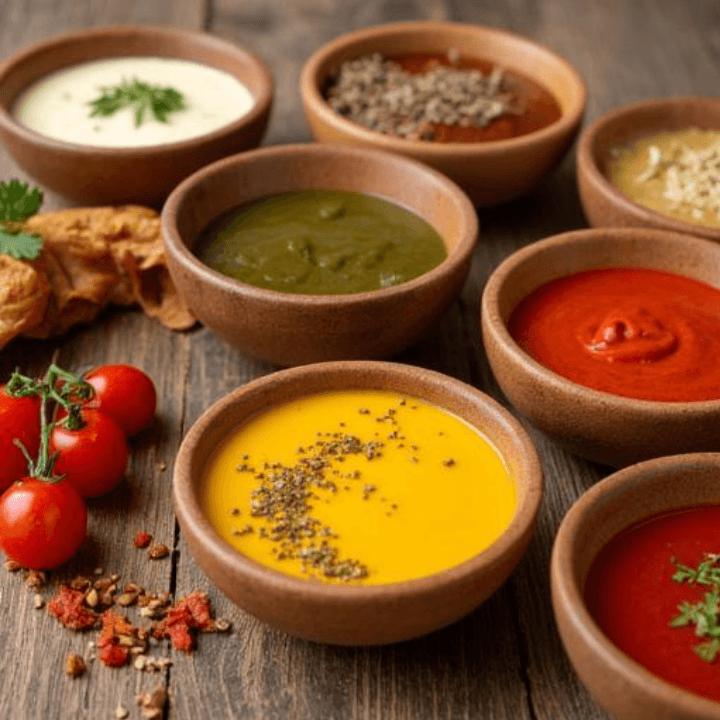
You know when one great sauce can take a basic meal and make it just hit differently? That's what is happening here on a global level. The sauce market has quietly evolved to become one of the most dynamic segments in food production. It's no longer ketchup and soy sauce but innovation, culture, and variety compacted in a jar. Consumers, retailers, and distributors are observing it happen in real time. Basically, the sauce market is where flavor meets strategy. In this piece, we’ll dig into what’s shaping it with trends, demand shifts, new suppliers, and the ideas cooking up behind the scenes.
Market Size, Growth, and Predictions
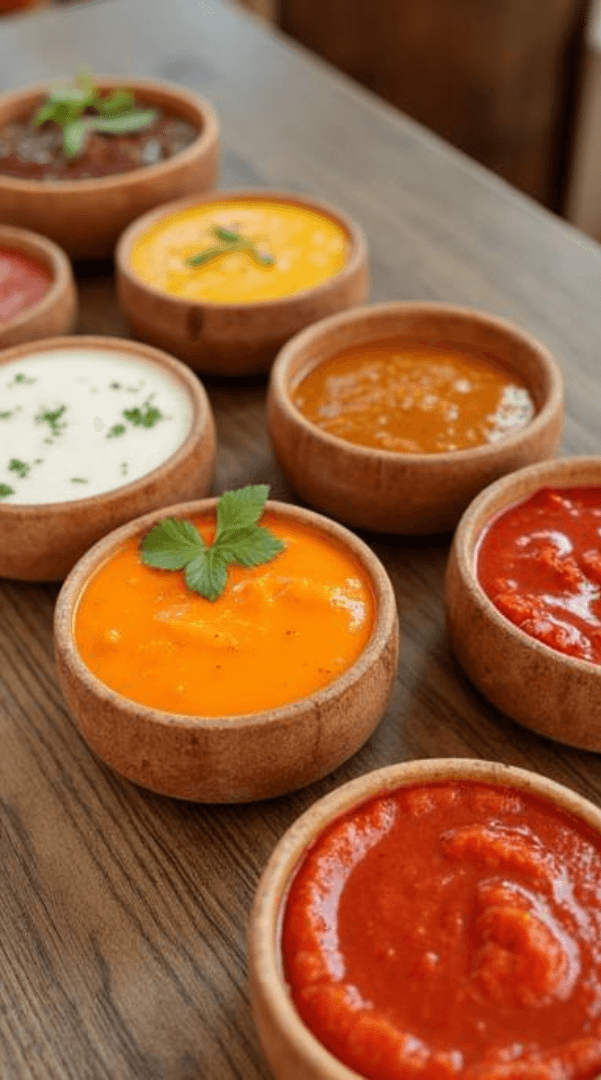
Sauces and condiments are becoming everyday essentials rather than add-ons. The market stood at USD 183.55 billion in 2025, steps up to USD 193.46 billion in 2026, and is expected to reach about USD 310.57 billion by 2035, tracking a 5.4% CAGR. Growth follows practical habits. People want flavor without extra steps, and as menus rotate across cuisines, demand spreads across more sauces, more often, and across more eating occasions.
Narrowing in on sauces alone shifts the picture. The global sauce market is valued at about USD 65.5 billion in 2025 and, following a 6.42% CAGR, is projected to reach roughly USD 69.7 billion in 2026. Momentum continues beyond that, with the market expected to expand to around USD 114.7 billion by 2034, reflecting stronger growth than earlier outlooks suggested.
Looking specifically at sauces meant for cooking, the pace stays solid. The global culinary sauces market reached about USD 53.95 billion in 2025 and is projected to edge up to roughly USD 55.9 billion in 2026, before climbing to nearly USD 69.92 billion by 2032 at a 3.7% CAGR. Growth is tied to more home cooking, wider interest in ethnic and premium flavors, and stronger retail and e-commerce reach, which together lift both volumes and average prices.
Clearly, sauces as a segment are not showing any signs of slowing down in the near future. Surprisingly enough, growth is not uniform with hotter sauces and gourmet cooking sauces outpacing established categories such as table ketchup and mayonnaise.
Market Segmentation
So, how is the whole market segmented? It's really fairly complex:
- By taste profile: Sauces now span familiar bases and bolder global notes, moving easily from mild and creamy to savory, spicy, or herb-forward, with premium blends adding complexity without overwhelming everyday meals.
- By how they’re used: Most demand centers on sauces meant for cooking, supported by staples kept at the table. Dips fill the gaps, especially where snacking and casual eating are common.
- By point of sale: Large retail stores still carry the bulk of volume, while foodservice and convenience formats play supporting roles. Online grocery keeps expanding as reordering becomes routine.
- By formulation style: Products range from classic recipes to cleaner, lighter, and plant-based options that fit changing dietary preferences.
Another interesting factor in all this is packaging. A recent study had estimated that the global market for sauce & condiment packaging to reach around USD 27.87 billion in 2026. And it's expected to keep growing at a rate of around 4.5% CAGR over the next 5 years. Meanwhile, glass bottles are still the go-to for premium sauces, but flexible pouches and sachets are very much on the rise, especially in Asia and Africa where consumers are after single-serve and low-cost products.
Regional Powerhouses
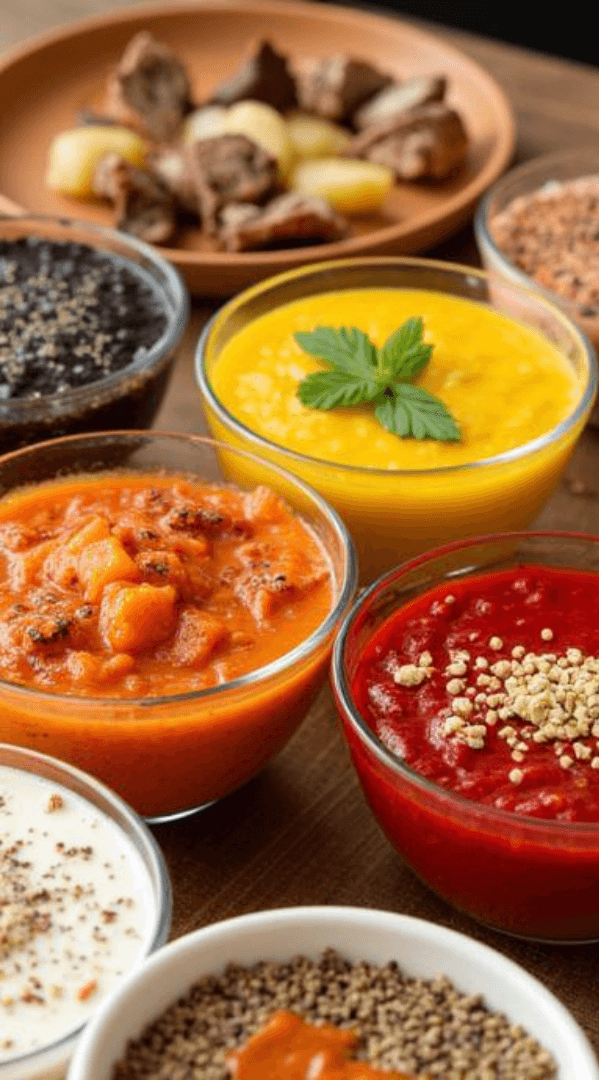
- When we're discussing "global sauces," Asia Pacific is a powerhouse. Previously, the region held ~35.2% market share of the sauces, dressings & condiments market. China's the force behind much of that with soy, chili pastes, condiments.
- On the specialty side, pesto is fascinating. The world pesto sauces market is expected to grow by USD 1.12 billion in 2025-2029 (CAGR ~4.9%). That implies greater regional herb sauce supply will be important.
- In other parts of Latin America, their market for sauces is projected to reach USD 22.9 billion in 2030 at a growth rate of ~4.7% annually.
- Growth in North America’s sauces and condiments hasn’t been flashy. It’s been steady, meal by meal. Market value rose from about USD 88 billion to nearly USD 108 billion in recent years. Table sauces anchor demand, while hot sauce keeps edging up, driven by everyday taste preferences, not short-lived trends.
- And consider soy sauce itself: its world market was ~USD 59.13 billion in 2025, with projections to come to USD 74.45 billion by 2030 (CAGR 4.8 %). For its ubiquity, that's a firm column in the sauces universe.
Current Events in the International Sauce Industry
Volatility in raw ingredients
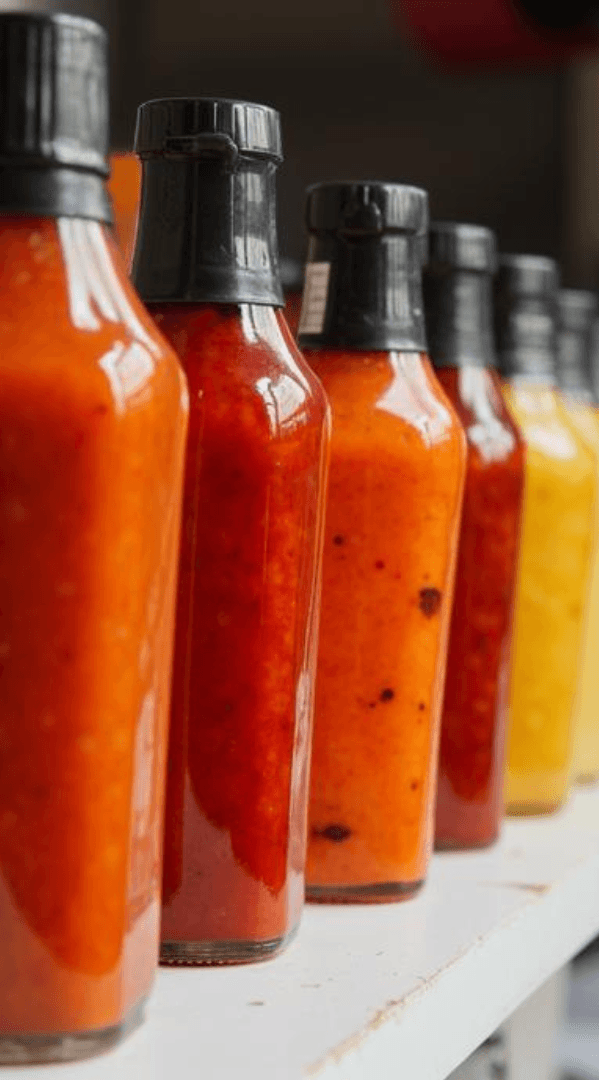
Prices for oils, herbs, nuts, these are still going around. For instance, a recent supply chain analysis review mentions "commodity price volatility, ingredient shortages, and changing tariffs" as major forces for food makers.
Also, in the wider sauces & condiments category, price instability among oils and fats (such as palm, sunflower) is highlighted as having ripple effects throughout sauce formulations.
Even for pesto (as a narrower example), olive oil and nuts were particularly mentioned as cost-pressure factors.
Supply chain friction
Port delays and logistics chokepoints are not dissipating. In current supplier remarks, global transportation delays and container price jumps are isolated as persistent threats.
Domestically, certain sauce suppliers indicate bottlenecks at seaports such as Los Angeles and Savannah have caused shipments to be delayed, prompting them to convert more toward domestic or local sources.
New flavor introductions & regional blends
Brands are going in on flavor discovery. At the Summer Fancy Food Show, a number of sauce brands launched globally inspired combinations (fermented chili sauces, cross-cultural blends) and short ingredient statements.
In fact, a trend piece even refers to the previous year as "the year of the sauce," noting how more consumers are receptive to strong, "global" sauce concepts.
Private label push
Retailers are doubling back on private labels. A report on store brands says that today's shoppers are demanding top-notch ingredients, eco-friendly packaging, and the company wants to be transparent about where their ingredients come from. It's setting a pretty high bar for the manufacturers they work with.
Sustainability pressure
It's also worth noting that more and more customers are really starting to care about packaging. In a recent survey, a whopping 54% of the people who took part said they deliberately bought products because of their packaging in the last 6 months.
And in packaging policy spheres, there’s been a tide of legislation and reform initiatives on reporting, material prohibitions, and design requirements.
Supply Chain & Trade Insights
Inputs (herbs, tomatoes, oils, etc.)
The sauces & condiments industry continues to experience tension from fluctuations in oil & fat prices. A recent blog observes that palm oil, coconut oil, and sunflower oil experienced dramatic price increases, putting sauce manufacturers under pressure.
Similarly, in the broad food-ingredient space, M&A, consolidation, and specialization among botanical and herb ingredient companies are ongoing in 2026.
Logistics & cold / ambient storage
Certain components of sauces (e.g. fresh herb blends or semi-processed) will still need to be handled cold, and this is cost-increasing. In the meantime, ambient sauces are the shipping leaders but are not isolated from container & port cost drivers. This is consistent with overall supply chain trend reports.
Since tariffs, food-safety regulation, and labeling requirements vary by country, cross-border sauce importers are hedging compliance risk extensively even in 2026.
Risk mitigation & strategic responses
Numerous buyers are geographically diversifying to cushion delays. Some manufacturers are reconsidering "near-shoring" in order to minimize transit risk. Such measures are elaborated upon in supply chain reporting in the recent year.
Additionally, R&D teams and flavor houses are being brought in as collaborators—assisting in the creation of stabilizers, alternative formulations or extracts to cut on volatile raw materials.
Consumer Behavior and Top Trends Fueling Expansion
Individuals are purchasing sauces differently these days. They're preparing differently as well. What was once a minute flavor booster now stands as a declaration of culture, wellness, and ease. Let's demystify it a little bit and observe what is actually fueling this change.
Increasing demand for international and fusion flavors
Sauce shelves now reflect broader curiosity. Shoppers move between regions in a single trip, picking up different flavors week to week. Younger buyers lead this habit, favoring rotation over loyalty. As a result, retailers that refresh assortments quickly and keep variety flowing tend to capture attention and repeat traffic more easily.
Health, clean label, and transparency
People are, like, more conscious now. They're reading labels and steering clear of anything with too much of a chemical or generic taste. "No preservatives," "organic," "low sodium," these are no longer fads, these are new normals. Folks just want to know where it comes from and what goes into it. Apparently, transparent brands with actual ingredients are getting the trust game hands down.
Convenience and ease of use
Time is short, and nobody has time for finicky cooking anymore. Ready-to-eat sauces, single-serve sachets, heat-and-pour packs just make sense. Convenience is luxury somehow these days. Families crave flavor without hassle, particularly in small kitchens or fly-by weekday meals. And with meal kits and web stores thriving, these convenient sauces are entering more and more homes daily.
Opportunities and Future Outlook
Sauces are moving with the market, not against it. How they’re produced, packaged, and brought to shelves matters more now, and opportunity favors brands that adapt quickly without losing their identity.
Private Label and Contract Manufacturing
As margins shrink, retailers want flexibility. Private label sauces give them room to experiment without heavy upfront costs. Contract manufacturing makes that possible. For smaller brands, partnering replaces large investments, shortens time to shelf, and allows growth without carrying the risk of owning production too early.
Niche, Premium, and Regional Flavors
Growth often lives between mass and luxury. Consumers want flavor with meaning, not excess. Regional sauces, small-batch profiles, and culturally rooted recipes hit that sweet spot. When distributors spot these early, they can scale demand beyond borders. Timing matters, but so does restraint. Overproducing too fast can dilute what makes the product special.
Sustainability, Ingredient Traceability, and Packaging
Sustainability now shows up in buying decisions without much debate. People scan labels, notice packaging, and move on. Brands that make responsible choices easy to understand stay in the basket. And those that overexplain fall behind. At this point, sustainability isn’t a story. It’s part of how products are judged.
Technology, R&D, and Shelf-Life Innovation
Behind the scenes, technology is reshaping sauces. Better preservation methods extend shelf life while keeping taste intact. That balance matters for exports and eCommerce. R&D investments now focus on stability, safety, and consistency. Add traceability tools, and brands can prove quality instantly. Innovation here isn’t flashy, but it quietly unlocks new channels.
Emerging Markets and Local Manufacturing
Urban growth in emerging regions is changing demand patterns. Convenience matters more, and local tastes shape formats quickly. Local manufacturing shortens supply chains and keeps pricing accessible. Early partnerships help brands learn faster and adapt. Those who invest before markets mature gain distribution strength that’s hard to replicate once competition crowds in later.
Torg's Top Suppliers of Sauces
1. NAM DUONG INTERNATIONAL FOODSTUFF CORPORATION – Vietnam
With decades of experience behind it, Nam Duong blends heritage recipes with practical packaging that fits modern kitchens. Its range spans everyday sauces and seasonings designed for consistent results. That mix of familiarity and ease keeps the brand relevant for shelves and professional kitchens seeking dependable Vietnamese flavors.
2. NYS FOOD PROCESSORS – USA
This team is essentially the backbone of New York's food sector. They link brands, provide industry knowledge, and keep processors in the know about what's new. Members have access to good manufacturing support, dependable equipment, and assurance programs. From artisanal pasta to small-batch sauces, NYS transforms local food concepts into actual, marketable products.
3. SOLUTIVE – France
Solutive is all about clean-label ingredients that simply perform. They focus on natural stabilizers, emulsifiers, and thickeners—ideal for sauces requiring texture with no synthetic additives. Their solutions, Mixeo and Stabeo, are applied in ice creams, vegan foods, bakery products, and naturally, creamy or plant-based sauces. Essentially, they introduce French accuracy into natural food innovation.
Conclusion
The global sauces market keeps expanding because it fits how people cook and eat today. Sauces save time, add flavor quickly, and travel easily across cuisines and occasions. Growth is steady rather than explosive, shaped by everyday use, wider flavor rotation, and dependable retail reach. Cooking sauces anchor volume, while premium and regional profiles lift value. Emerging markets add momentum as urban habits change and local production improves access. For those watching this space, the outlook stays practical. Focus on consistency, adaptable formats, and clear positioning, and the category continues to reward long-term planning over short-term bets.
Richiedi preventivo per ordine all'ingrosso
Ordine semplice, prezzi trasparenti, consegnato direttamente a casa tua