



I 10 più grandi paesi produttori di riso nel 2025
Descubra los mayores países productores de arroz, su papel en el comercio global y cómo compradores y proveedores pueden conectarse con socios confiables en el mercado del arroz.
200+ acquirenti si fidano di Torg per l'approvvigionamento







Rice is the staple of daily meals for over half of the world's population. In Asia's bustling cities to Africa's rural towns, rice is at the forefront of food security, culture, and survival. Such is the reason why rice production is among the highest priorities in world agriculture. The biggest rice producing nations determine how billions of people eat, trade, and plan ahead.
For growers, growing rice is part of the tradition and their way of life. For governments, it is stability and feeding the population. And for traders, the international rice trade is a lifeline that connects Asia's huge producers with those areas that can't produce enough to satisfy demand. This article closely examines who tops the world's rice production, the amount of rice being produced every year, and what drives the rice industry ahead in spite of setbacks such as climate change, increasing consumption, and resource pressures.
Overview of Global Rice Trade
Rice is a staple food for more than half of the world’s population and plays a vital role in global food security. The global rice trade is a dynamic and essential component of the agricultural economy, with approximately 9–10% of total rice production entering international markets annually. Unlike other grains such as wheat or maize, rice is predominantly consumed in the country where it is produced, making the international trade segment relatively small but highly strategic.
Asia dominates both rice production and trade. Major exporters include India, Thailand, Vietnam, Pakistan, and Myanmar. India has consistently been the largest rice exporter in recent years, accounting for over 40% of global exports. These countries primarily export long-grain rice varieties such as basmati and non-basmati rice, catering to different market demands.
On the import side, countries in Africa, the Middle East, and Southeast Asia are significant buyers. Nigeria, China, the Philippines, and Iran are among the top importers. Many of these nations rely on imports due to limited domestic production capacity, population growth, or changing dietary preferences.
The global rice trade is influenced by several factors, including climate conditions, government policies, trade restrictions, currency fluctuations, and food security concerns. For example, export bans or tariffs imposed by major producers during poor harvest years can disrupt global supply and drive up prices.
Additionally, the rice market is sensitive to geopolitical events and global economic trends. Climate change also poses a long-term risk, as rice is water-intensive and vulnerable to extreme weather.
While rice trade involves a small share of global production, its impact is significant in stabilizing food supplies across regions. Ensuring open and predictable trade flows remains crucial for meeting the nutritional needs of growing populations worldwide.
Top 10 Largest Rice Producing Countries
Rice is cultivated nearly everywhere, yet few countries dominate the global rice market. Some produce rice solely for consumption within their own countries, whereas others have established themselves as the biggest exporters of rice of excellent quality. Let's see the top 10 producing countries and how each contributes to global production.
China
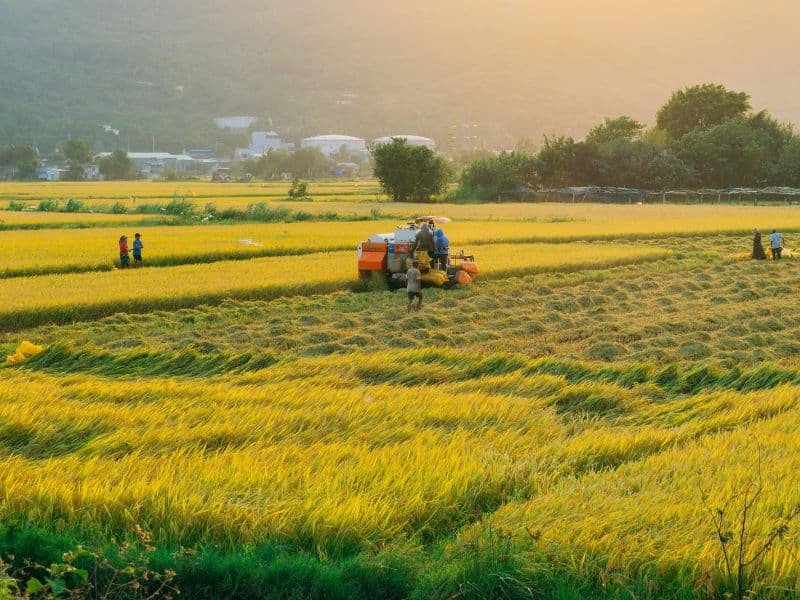
China produces the most rice annually, and year after year it remains the largest rice producing country in the world. To put it into perspective, China leading this industry means hundreds of millions of metric tons of rice are harvested each year. Walk through rural regions of southern China and you’ll see endless paddies, supported by modern farming techniques, advanced irrigation, and high yielding varieties of seeds. But even as it produces that much, China only ships small amounts abroad because its own citizens eat most of what is produced. Since over half of Asia's population relies on rice, keeping its own people fed comes first.
Richiedi preventivo per ordine all'ingrosso
Ordine semplice, prezzi trasparenti, consegnato direttamente a casa tua
India
India ranks second in the production of rice worldwide, but the purpose it serves is equally vital. Unlike China, India not only grows rice for its massive home market but is also among the biggest exporters. Millions of metric tons are exported to Africa, the Middle East, and beyond annually. One particular variety—Basmati—has become globally famous, particularly from areas such as Punjab and Haryana. Talk to any rice trader, and they'll inform you India is one nation that balances consumption with trade more than most.
Bangladesh
Bangladesh constructed its rice sector gradually, using much of its irrigation schemes and hybrid seeds to drive up production. Bangladesh grows rice every year at very high rates, but nearly all of their rice remains in-country. Rural village families and urbanizing cities rely on it every day, so barely any is left for export. In this case, rice is not merely an export commodity—but a pillar of national food security.
Indonesia
Indonesia is also a big player in Asia. Rice is produced to meet domestic needs but production can go up and down due to climate change. Irregular rain and weather changes have made it harder to secure the yield. But with government intervention and investment in irrigation, Indonesia has been able to level out its harvest. Rice is not just a staple here but also a lifeline for millions of families.
Vietnam
Vietnam is always within the top five producers, but it stands out as one of the world's largest exporters. Its premium rice and high yielding varieties go far—and wide—to Africa, the Middle East, even to South Korea where specific types of grains are needed. If you follow the global rice trade lines, you'll nearly always find Vietnam in the middle, producing enough to nourish its citizens and ship millions of tons worldwide.
Thailand
Thailand is widely known for its scented jasmine rice. Though it produces less than such giants as China or India, it has made itself a name as one of the world's biggest exporters. Thai rice is export-driven, and revenues from trade account for most of its agricultural economy. From Bangkok streets to the northeast rice fields, rice is a national icon and a traded commodity.
Myanmar
Myanmar continues to grow rice each year in huge quantities, despite political and economic challenges in its agriculture. Myanmar has, for decades, been regarded as one of Asia's heritage rice growers. Farmers depended upon rich areas and monsoon rains, and though exports won't keep up with Thailand or Vietnam, rice continues to be at the heart of Myanmar's countryside economy.
Philippines
The Philippines has enhanced rice production. Modern farming techniques and government initiatives have boosted production. But still, the country imports rice to meet the demand-supply gap. Being an exporter and importer of rice simultaneously indicates the difficulty in balancing production with a rising population.
Pakistan
Pakistan is globally famous for its Basmati rice. Although its total production amounts are lower compared to India, Pakistan exports good amounts of rice annually, particularly to the Middle East. The Indus River supplies important irrigation for the country's rice-producing areas. Merchants usually emphasize Pakistan's capability to deliver high quality rice varieties that suit global demand.
Japan
Japan grows rice for itself, not for export. Its production may not be as big as China or India but it specializes in premium short-grain varieties like Japonica. Ask any Japanese family about rice and they’ll tell you that it's part of their culture. Though small in volume compared to other countries, the emphasis on taste, and texture makes Japanese rice highly valued at home and abroad.
Global Rice Production Trends and Statistics
Global Rice Production Trends and Statistics Rice is not just planting and harvesting. It's a story of history, technology, weather, and politics. Looking at global rice production, there's a story that originated thousands of years ago in Asia and continues today with billions of people relying on it to live. Understanding these trends explains why some countries produce rice in massive quantities and others can’t keep up with demand.
Historical Rice Production Growth
Rice had its beginnings in Asia and was cultivated in centuries of small, labor-based systems. It used natural rainfall and old seeds, meaning yields were low. With growing populations came the need to produce more rice. The big turning point was in the mid-20th century during the Green Revolution. High-yielding varieties, new irrigation techniques, and better fertilizers changed everything. Suddenly, China and India could harvest rice every year in quantities never seen before. Whole regions that previously struggled with food scarcity began generating enough not only to feed their citizens but also to stabilize food security. It's not an overstatement to say that these innovations saved millions of lives.
Regional Production Patterns
In the modern era, Asia leads the world in rice production, with close to 90% of the rice being harvested globally. China, India, and Indonesia are the leaders, with rice being produced in hundreds of millions of metric tons. Here, rice is not merely a food article. It is the basis of meals consumed every day.
Production is, however, no longer confined to Asia. There has been a consistent increase in rice farming as consumers increasingly move their diets in the direction of rice from old staples such as cassava or millet. Nigeria, for instance, has put much investment into local rice production to reduce imports. South America is also involved, with nations such as Brazil trying out advanced agricultural methods in order to increase output. These areas don't compare to China dominating world production, but their expansion indicates the way in which demand is spreading far beyond Asia.
Rice Production Forecasts and Projections
Down the road, the USDA Foreign Agricultural Service forecasts that worldwide production will keep increasing. More nations are using high yielding varieties and sustainable irrigation systems, keeping production levels tight. But here's the hitch: climate change. Warmer weather, surprise floods, and droughts are hitting farmers everywhere. Sea level rise is threatening rice growing areas in countries like Vietnam and Bangladesh and irregular rainfall is ruining harvests in Africa.
But despite all these threats innovation in agriculture offers hope. Drought resistant seeds, smart irrigation systems, and better farming practices are helping countries to adapt. Estimates say even with the challenges we will still produce enough rice to feed the growing population. The question is whether these production volumes will be uniformly distributed across regions—or whether a couple of producing nations will still be bearing most of the burden.
Popular Rice Varieties by Region
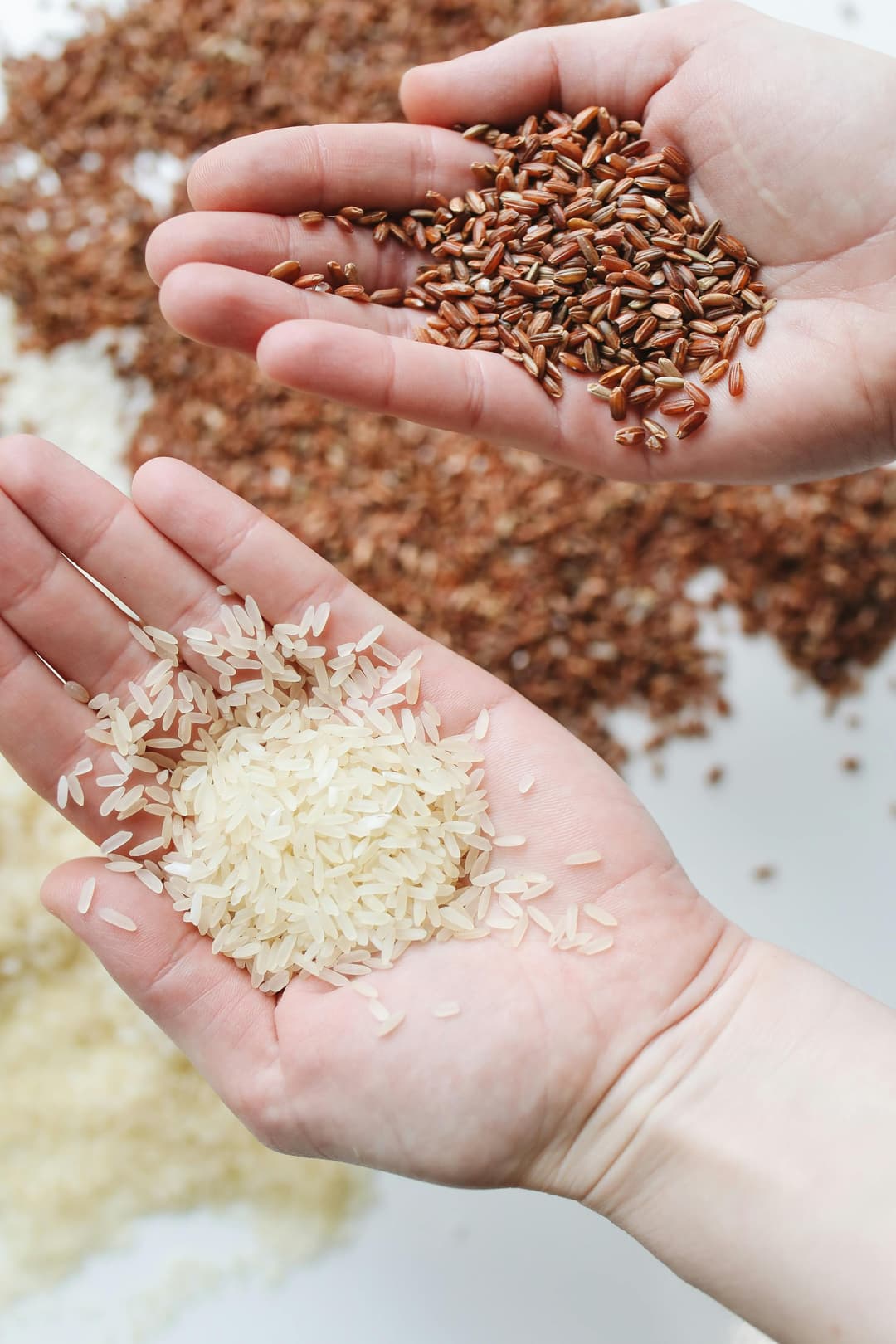
Rice is different everywhere. It varies with culture, climate and tradition. That grain on your plate in India may be entirely different in appearance, smell and taste from the one on Japanese or African plates. And that’s what makes it so wonderful: each region has its own special varieties that come with a history in every mouthful.
- Basmati (South Asia) – The “queen of fragrance,” Basmati is long and narrow and grown in India and Pakistan. It’s the star of biryanis and special occasion meals, with nutty aroma wafting through kitchens. Lighter, non-Basmati varieties like Sona Masoori are staple meals for millions.
- Jasmine Rice (Southeast Asia) – Vietnam and Thailand have this soft textured, slightly sticky rice with a mild floral scent. It’s perfect for stir-fries, curries, and barbecue meats. The kind of rice that absorbs flavour so well.
- Japonica Rice (East Asia) – Short-grain Japonica rice is the staple in Japan and South Korea. It’s super sticky so easy to pick up with chopsticks and perfect for sushi rolls, rice bowls, and bento boxes. Locals say no meal is complete without it.
- African Local & Hybrid Varieties – Africa has its own local varieties and hybrid varieties for high yield and climate resistance. These are not just crops, they’re a lifeline for communities to adapt to harsh growing conditions.
- Carolina Gold & Arroz Criollo (Americas) – In the USA, long-grain Carolina Gold is a Southern heritage item. Throughout Latin America, local varieties such as arroz criollo prevail, influenced by regional meals that unite families.
What is interesting is that rice is not only a matter of taste—it propels trade as well. Nations such as India and Thailand construct export economies around high-grade grains like Basmati and jasmine, while others concentrate on producing enough for their own citizens to eat first.
Factors Influencing Rice Production by Country
Rice yield by country is not merely about seeding a field. Success in a harvest really depends on a combination of natural factors, technology, and policy-level decision-making. Some countries can produce rice with relative ease due to their climate, while others have had to devise creative workarounds in order to make it a reality.
Climate and Geography Requirements
Rice is a thirsty crop, so it does its best growing in places where heat and rain get along. That is why Southeast Asia produces more rice than anywhere else on the planet — in places like Thailand, Vietnam, and Myanmar, the monsoon rains create natural paddies ideal for growing. Compare that to areas of Africa, where small farmers have to work with errant rain and their only hope for survival is drought-resistant hybrids. Geography plays a part as well. Flat, arable plains such as those in the Mekong Delta or the Ganges Basin are rice-growing behemoths since they can support extensive irrigated fields.
Agricultural Technology and Innovation
But climate is not everything. In areas where nature in itself is not sufficient, agricultural technology has transformed the game. Nations that spend money on advanced irrigation systems, mechanization, and better seed varieties tend to gain an edge. For instance, the Philippines has increased yields over the past few years by using high-yield hybrid rice. In the United States, precision farming and high-technology milling technology make American long-grain rice competitive on the world market. Even small-scale farmers are being hit — some now employ the use of mobile apps to monitor weather patterns and determine the optimal time to plant.
Government Policies and Support
Offstage, government policies usually determine whether rice industries thrive or collapse. India's minimum support price system ensures farmers a decent return, instilling confidence among them to cultivate rice year in and year out. China, however, transformed its whole rural economy by land reforms and massive investment in irrigation, making the nation the world's number one producer. Conversely, countries with limited subsidies or infrastructure backing tend to find it difficult to maintain production levels even when demand is increasing.
In the end, rice production by nation is primarily a balancing act among nature, innovation, and politics. A farmer's harvest is not so much about the dirt beneath their feet. It's also about whether the rain falls when it's supposed to, whether they can pay for new technology, and whether their government considers rice a priority crop.
Economic Impact of Rice Production
Rice isn't simply what is consumed on a daily basis. It's actually the pillar of most national economies. For certain nations, it's not just a matter of putting food on plates but putting money in government treasuries too. Consider Thailand and Vietnam, for instance. Their rice export earns them billions of dollars annually, making the grain one of their most expensive commodities traded in the international market.
But it goes deeper than trade. In India and China, rice is about food security and life. Millions of families rely on cheap rice as their daily staple and rural communities rely on growing it to live. In fact, whole villages grow, exchange, and even celebrate rice in local festivals. It’s as much a part of the culture as the economy.
The ripples of rice cultivation are huge. It employs farmers who sow and harvest, millers who clean the grain, truckers who transport it, and dealers who sell it in crowded markets. Across Asia, Africa, and the world, rice cultivation supports livelihood at every level of society.
And here's the clincher: whenever rice production rises, economies are better off. But when there's a flood, drought, or price surge, millions of people suffer, not merely farmers, but countries. That's why governments monitor rice so closely. It's an economic asset and instrument of social stability.
Rice Industry Challenges and Opportunities
The rice industry stands at a fork in the road. It's feeding billions, yes. But it's also failing to keep pace with a world that's changing quicker than farmers can respond.
Challenges the rice industry is facing:
- Climate pressures – Rising sea levels are engulfing prime land in countries such as Bangladesh and Vietnam, while extended droughts are affecting yields in areas of Africa. Farmers have a joke that they can't choose whether to purchase additional irrigation pumps or boats—but the reality is, it's no joke.
- Water dependence – Rice is one of the most water-hungry crops. In areas where water shortage is increasing, this presents a challenging task for small farmers as well as big producers.
- Fluctuation in prices – From the rural Indian farmer to the West African trader, unexpected alterations in rice prices can make all the difference between gain and loss—or a meal on the plate or going hungry.
- Soil degradation – Repeated rice cultivation tends to deplete the soil of nutrients, making it more difficult to sustain yields in the long term.
But where there are issues, there are also opportunities. And rice, as such a global staple crop, doesn't lack means by which to get stronger.
Opportunities shaping the future of rice:
- Premium quality rice varieties – From Thailand's fragrant jasmine rice to Asia's nutrition-packed red and black rice, consumers are seeking more than plain white rice. Specialty and premium rice create new markets for exports.
- Improved seeds and farming methods – Drought-tolerant varieties and hybrid seeds are allowing farmers to cope with unpredictable weather.
- Sustainable irrigation – Nations are trying out alternative wetting and drying (AWD) and reducing water use without sacrificing yields.
- Farming technology – Drones, satellite imaging, and AI assisted crop monitoring are moving from trial to adoption, giving farmers real time information on soil health and water levels.
- Growing global demand – As rice based diets spread in Africa, Middle East, and even in some Western countries, new opportunities are emerging for exporters.
In short, the rice industry is weighing huge opportunities and huge risks. If it takes the leap of innovation and sustainability, rice will not only be a staple. It will be a solid economic and cultural foundation for future generations.
Future of Global Rice Production
The future of international rice production is set to be exciting and unpredictable. The demand is not waning. If anything, it is increasing as populations expand and diets change. China, India, and Vietnam will keep leading the way, but that is just the beginning. Africa, with its rising agricultural investments and untapped resources, is potentially the next great frontier in rice production. Nigerian and Senegalese farmers, for instance, already are trying out better seeds that produce more under difficult circumstances.
But balance is the true challenge. Climate change is rewriting everything, with floods in one area and droughts in another. Farmers are under pressure to hold output steady while preserving ecosystems and safeguarding water. Technology and more intelligent practices are coming to the rescue with precision farming, sustainable irrigation, and hybrid rice strains are offering farmers a fighting chance.
Concurrently, the expectations of consumers are also changing. It's not merely small quantities anymore; it's quality. From aromatic jasmine rice to nutrient-dense black rice, consumers are demanding greater diversity, and industry is responding. If nations can balance innovation and sustainability, the rice sector will continue to be one of the soundest pillars of food security globally.
5 Best International Rice Suppliers
Looking for reliable international rice suppliers? The global market has producers with decades of experience and strong reputations. Here are five of the best rice suppliers to consider if you’re sourcing rice at scale.
1. TAN THANH AN CO., LTD – Vietnam
Tan Thanh An Co., Ltd is a reliable rice supplier in Vietnam. They offer long grain, glutinous, and broken rice with consistent quality. The company is committed to customer satisfaction, ensuring every shipment meets international standards. Their strong reputation makes them a dependable partner for global rice buyers.
2. EAM HENG LONG RICE MILL (SARABURI) CO., LTD. – Thailand
Inter Rice Thailand, officially Eam Heng Long Rice Mill, is a trusted Thai rice exporter. They specialize in Jasmine, Basmati, and specialty rice. With an emphasis on sustainability, their products are packaged to maintain freshness. Known for premium quality and ethical sourcing, they meet diverse customer demands across global markets.
3. ASHOKA RICE MILLS PVT LTD – India
Ashoka Rice Mills Pvt. Ltd. is a leading Indian exporter of high-quality rice. Their wide range includes Basmati, Long Grain, Pusa 1121, Sharbati, parboiled, and steam rice. With decades of experience, they deliver pure, aromatic, and premium rice that has earned trust from buyers worldwide for consistent excellence.
4. NORDIC FOOD PARTNERS A/S – Denmark
Nordic Food Partners is synonymous throughout Scandinavia with organic rice and dry foods. Long-grain organic rice, basmati, and special grains are among their offerings, all filled with sustainability. They also provide beans, lentils, and other staples for the pantry, establishing them as a go-to partner for companies interested in environmentally friendly sourcing.
5. NOUVELLE RIZERIE DU NORD SA – France
Established in 1867, Nouvelle Rizerie Du Nord has a rich heritage of offering superior rice supply. Their product list includes Surinam rice, Basmati rice, Thai Jasmine rice, and other international varieties. With an emphasis on quality and consistency, they support food businesses in Europe that require volume and reliability.
Conclusion
Rice became the foundation of food security for billions and the backbone of the global economy. Major rice producing countries like China, India, and Indonesia feed their own people and shape the global rice trade. Thailand and Vietnam have built entire export industries around premium rice varieties, connecting their farms to plates around the world.
Yes, there are threats to come like climate change, water scarcity, and changing diets already putting pressure on farmers. But that’s not all. Rapid technological changes from better seeds to smarter irrigation are arming producers to stay ahead of the demand. Governments are also putting in place more robust support systems for rural communities.
Ultimately, rice is more than mere food. It's resilience, culture, and commerce in one grain that continues to define international agriculture.
FAQs
1. Which country produces the most rice?
China is the world’s largest rice producer, harvesting over 200 million metric tons annually. With vast farmland and advanced farming techniques, China dominates global rice production, followed closely by India. Together, they account for more than half of total rice output worldwide.
2. How much rice does China produce annually?
China produces over 200 million metric tons of rice each year, making it the largest rice producer in the world. This massive output supports China’s huge population and ensures food security, while also contributing significantly to global rice supply alongside India and other key growers.
3. Which countries export the most rice?
India, Thailand, and Vietnam lead rice exports. From Thailand's fragrant jasmine rice to India's renowned Basmati, these nations provide quality rice to African, Middle Eastern markets and more.
4. What challenges do rice producers face?
Rice producers are grappling with difficult times such as climate change, water shortages, and changing eating habits. Most are shifting gears by adopting new farming methods to match demand.
5. What are the different types of rice produced globally?
Globally, rice is produced in many varieties, but the main types are long-grain rice (like basmati and jasmine), medium-grain rice (such as arborio and japonica), and short-grain rice (sticky or sushi rice). Each type differs in texture, aroma, and use, serving diverse culinary traditions worldwide.