



Perché il mercato delle spezie indiano è in crescita nel 2025?
Esplora l'ascesa del mercato delle spezie indiano, le sue previsioni di crescita, il comportamento dei consumatori, le spezie principali e l'innovazione.
200+ acquirenti si fidano di Torg per l'approvvigionamento







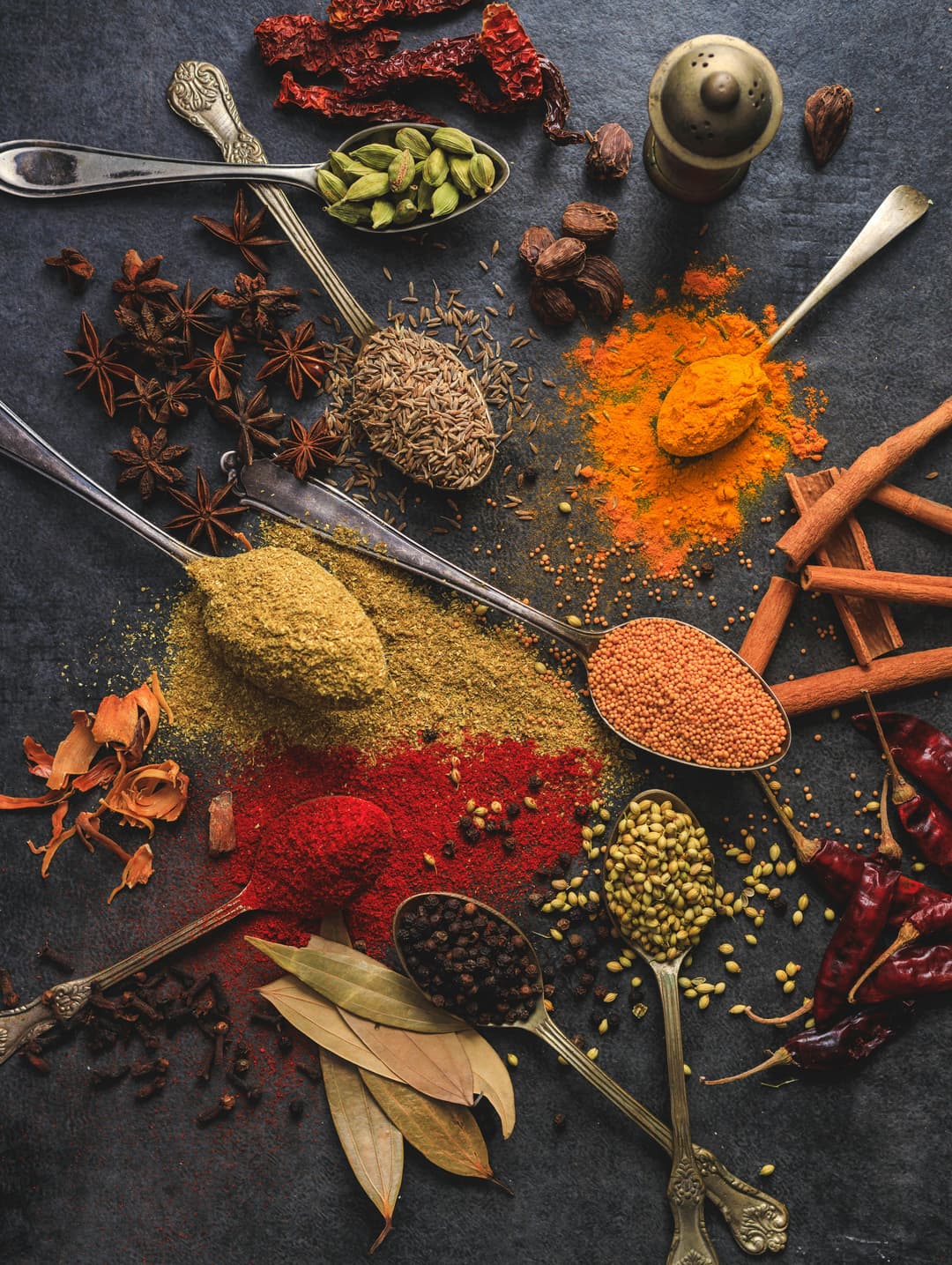
L'industria delle spezie indiane è una di quelle che non rallenta mai. Continua a sorprendere anno dopo anno. Si può praticamente sentire il profumo dell'opportunità, sai? Dai colossali scambi di esportazione alle miscele locali che si esauriscono sugli scaffali digitali, le spezie indiane stanno ridefinendo il modo in cui il mondo consuma e commercia. Per chi cerca di acquistare, distribuire e vendere, il mercato delle spezie indiane è molto più di una semplice categoria, è una miniera d'oro che aspetta solo di essere scoperta. Daremo un'occhiata più da vicino a dove sta andando il mercato, quali tendenze stanno guidando la domanda e quali fornitori meritano attenzione.
Panoramica del mercato globale delle spezie indiane
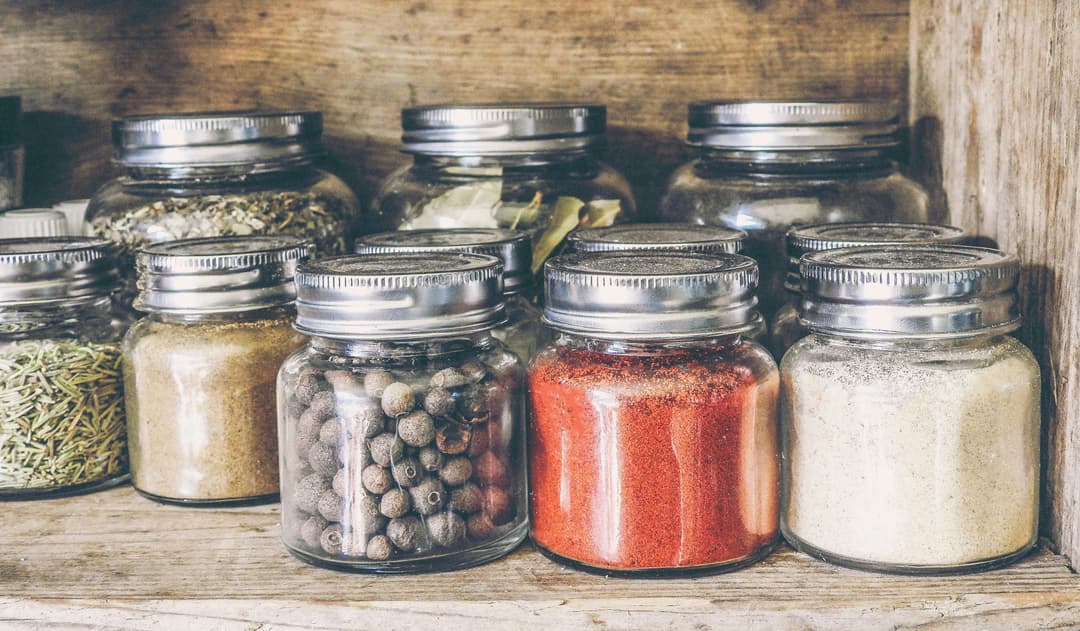
La domanda di spezie indiane non sta rallentando in alcun modo. Sta crescendo costantemente in tutti i continenti, trainata da cambiamenti nelle abitudini alimentari, espansione del commercio globale e una crescente predilezione per ingredienti originali e naturali. Persistence Market Research stima che il mercato globale delle spezie crescerà da 16,4 miliardi di USD nel 2025 a circa 24,2 miliardi di USD entro il 2032, con un CAGR intorno al 5,7%. È un bel miglioramento.
Allo stesso tempo, se si guarda più da vicino all'industria delle spezie indiane, le prospettive sembrano ancora più promettenti. È stato riportato che il segmento delle spezie in India aumenterà da 8,41 miliardi di USD nel 2024 a 17,04 miliardi di USD entro il 2033 con un forte CAGR di circa 8,16%.
Ora, naturalmente, non tutti sono esattamente sugli stessi numeri. Alcune società di ricerca forniscono cifre leggermente inferiori. Si prevede che il mercato delle spezie indiane aumenterà da 7,42 miliardi di USD nell'anno 2024 a 10,41 miliardi di USD entro l'anno 2030, e rappresenta comunque un ottimo CAGR di circa 5,8%.
Sul fronte domestico, è altrettanto entusiasmante. Il mercato indiano si attestava a 200.643,7 crores di INR nel 2024 e si prevede che raggiungerà 513.253,9 crores di INR entro il 2033 con un CAGR di circa 10,56%. Non è solo grazie alle esportazioni, anche il consumo interno sta crescendo rapidamente. Alimenti confezionati, punti vendita di ristorazione e aziende di spezie online stanno alimentando un consumo domestico maggiore che mai.
Segmentazione del Mercato
Per Tipo di Prodotto
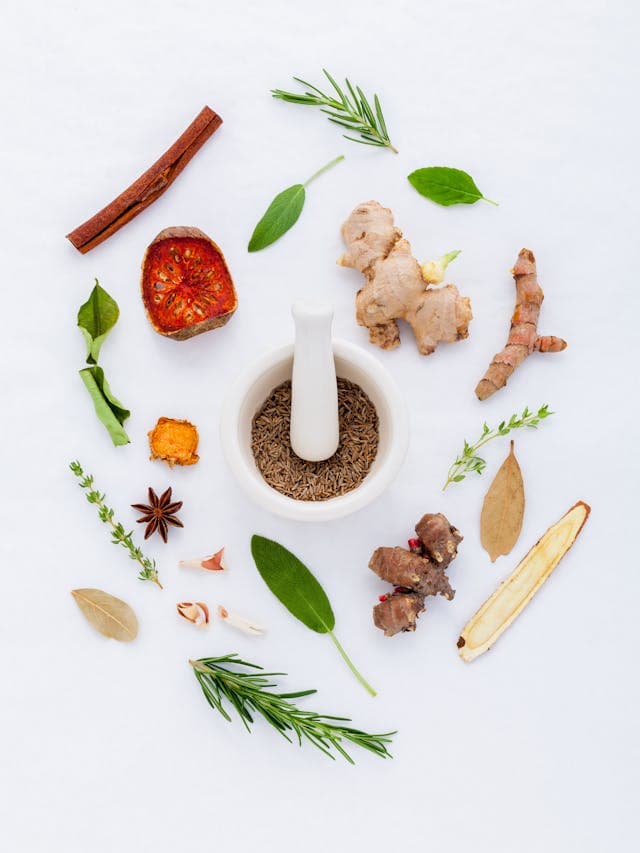
- Le spezie sono disponibili in tutte le forme e dimensioni. L'industria è solitamente segmentata in spezie intere (come curcuma, cumino, cardamomo, coriandolo), spezie macinate o in polvere, miscele e mix di spezie, e oleoresine o estratti.
- Tutte vengono utilizzate per scopi diversi. Ad esempio, le oleoresine sono utilizzate dai grandi attori alimentari per aromatizzazioni uniformi, mentre le spezie miscelate e in polvere dominano i banchi al dettaglio e i mercati di esportazione.
Masala pronti all'uso e spezie miscelate si stanno espandendo a un ritmo più elevato rispetto a quelle tradizionali, grazie alla maggiore comodità e urbanizzazione. I consumatori urbani, in particolare nei mercati esteri come gli Stati Uniti e l'Europa, preferiscono miscele che offrono autenticità insieme alla facilità.
Per Natura
Si nota anche un'altra distinzione netta tra biologico e convenzionale. Il segmento biologico, sebbene più piccolo in termini di produzione complessiva, ha margini più elevati e continua a crescere a un ritmo più alto. La certificazione biologica e le affermazioni di sostenibilità stanno diventando importanti slogan di marketing per gli esportatori che vendono a mercati orientati alla salute come Europa e Giappone.
Per Canale di Distribuzione
- Come le spezie arrivano dai campi alle tavole è altrettanto cruciale. Il mercato si divide in quattro canali principali:
- Commercio all'ingrosso per trasformatori alimentari industriali
- Supermercati e negozi etnici confezioni supermercati di dimensioni al dettaglio
- Vendita diretta al consumatore e piattaforme di e-commerce/online
- Catene di approvvigionamento per servizi di ristorazione e B2B per hotel e ristoranti
Ciò che è notevole è quanto rapidamente stia crescendo l'e-commerce. Siti come Amazon India e siti specializzati come SpicesIndia.net stanno ora ospitando centinaia di fornitori confermati. I rivenditori che tradizionalmente dipendevano dai grossisti stanno vendendo sempre più online ai clienti.
Per Utilizzo Finale
La questione è che le spezie non sono più solo per cucinare a casa. Sono protagoniste in tutti i tipi di alimenti trasformati, snack, salse, condimenti e persino nutraceutici al giorno d'oggi.
Man mano che il confine tra alimentazione sana e cibo regolare inizia a sfumare, questa è una buona notizia per i fornitori di curcuma, cannella o zenzero. Questo cambiamento è un motivo in più per loro di essere coinvolti nella creazione di formulazioni orientate alla salute.
Per essere chiari, il mercato industriale all'ingrosso è ancora molto avanti, ma sta diventando sempre più difficile ignorare il numero di marchi premium per consumatori che lo stanno raggiungendo. Questo è in parte dovuto ai gusti che cambiano e agli stili di vita migliorati ma anche alla popolarità globale del cibo indiano.
Approfondimenti regionali: principali esportatori e importatori
L'India è il più grande produttore ed esportatore mondiale di spezie, fornendo a più di 180 nazioni e contribuendo approssimativamente al 40% della produzione mondiale di spezie.
Nel periodo finanziario 2024–25, l'India ha esportato 17,99 lakh tonnellate di spezie per un valore di circa ₹39.994,48 crore (circa USD 4,72 miliardi), secondo Indian Spices Board. Si tratta di un aumento del 17% nella quantità di esportazione rispetto all'anno precedente, un miglioramento notevole che riflette una maggiore produzione e una crescente domanda globale.
Principali importatori di spezie indiane
I principali mercati di esportazione dell'India rivelano un quadro inequivocabile dei gusti internazionali per il sapore:
- Stati Uniti – Importazioni aumentate di ~15% anno su anno
- Cina – Principalmente per oleoresine e peperoncino rosso
- Vietnam – Spesso utilizzato come punto di riesportazione
- Emirati Arabi Uniti (EAU) – Principale centro di consumo e riesportazione per il Medio Oriente
- Africa, Regno Unito, UE, Bangladesh e Sri Lanka – Domanda costante alimentata dalla diaspora e dall'espansione della produzione alimentare
Infatti, gli Stati Uniti hanno importato spezie indiane per un valore di USD 711 milioni nel 2024–25, rispetto ai USD 619 milioni dell'anno precedente (IPPStar). È un'indicazione evidente di una crescente penetrazione del mercato.
Eventi recenti nel mercato delle spezie indiano
Statistiche recenti indicano che il volume del commercio globale di spezie è cresciuto quasi del 259% dal 2005 al 2024, secondo S&P Global. Ma, come per la maggior parte delle industrie in rapida crescita, ci sono problemi che ribollono sotto la superficie.
- I prezzi dei trasporti sono nuovamente aumentati nel 2025. Sono stati implementati controlli di qualità più rigorosi e gli acquirenti nei paesi importatori richiedono una completa tracciabilità dai loro fornitori. Gli acquirenti sono costretti a diversificare le fonti e consolidare le partnership con esportatori verificati.
- Un aspetto affascinante quest'anno proviene da Unjha, Gujarat, il famoso centro del cumino in India. L'area è stata presentata alla Vibrant Gujarat Regional Conference (ottobre 2025) per il suo ruolo nelle esportazioni di spezie. Solo Gujarat esporta quasi l'80% dei semi di spezie dell'India, mentre il distretto di Mehsana ha esportato spezie per un valore di oltre ₹3.995 crore in 101 paesi (The Times of India).
- E c'è un altro risvolto in questa storia, tuttavia. Un recente rapporto Reuters ha mostrato che il 12% dei campioni di spezie indiane non ha superato gli standard di sicurezza nel 2024, e questo ha spinto i regolatori di Hong Kong, Singapore e UE a intensificare davvero il loro impegno. La conformità e la trasparenza ora non sono un'opzione ma una priorità.
Approfondimenti sulla catena di fornitura e sul commercio
Il percorso di una spezia dal campo al piatto è straordinariamente complesso. Tipicamente attraversa diversi livelli:
agricoltori → centri di raccolta → lavorazione primaria (pulizia, essiccazione, selezione) → valorizzazione (macinazione, miscelazione, sterilizzazione) → confezionamento/test → logistica/distribuzione per esportazione.
Qui emergono le maggiori opportunità e le sfide più grandi:
- Produzione frammentata: Le spezie sono prodotte principalmente da piccoli agricoltori, e mantenere una qualità costante è difficile. Gli aggregatori e le cooperative stanno colmando questa lacuna.
- Fluttuazioni climatiche: Monsoni imprevedibili o siccità possono influenzare le catene di fornitura, in particolare per colture come cumino, peperoncino e curcuma.
- Bassa valorizzazione: Gran parte delle esportazioni continua a riguardare prodotti grezzi o leggermente lavorati. C'è un enorme potenziale non sfruttato nell'esportazione di miscele di spezie, oli ed estratti, che hanno margini più redditizi.
- Trasporti e logistica: I costi di spedizione e la congestione portuale sono stati un problema persistente per molto tempo, soprattutto in periodi economici difficili.
- Conformità e certificazione: I paesi esportatori di spezie stanno diventando molto più severi riguardo alle tolleranze sui residui, alle etichette e alla documentazione. Oggigiorno non si può più fare a meno delle certificazioni ISO, HACCP, Biologico, Halal e Fair Trade.
- Trasformazione digitale: Alcuni esportatori stanno diventando più intelligenti. Stanno utilizzando la blockchain per la tracciabilità e sensori IoT per monitorare i livelli di umidità quando le merci sono immagazzinate, azioni che rassicurano gli acquirenti stranieri e minimizzano le perdite.
- Tracciabilità Le aziende che investono in tecnologia non solo stanno migliorando la conformità, ma anche formando migliori relazioni con i distributori stranieri. Gli acquirenti di oggi vogliono informazioni oltre al sapore, prove che ciò che ricevono sia pulito, sicuro e equo.
Tendenze dei consumatori e principali fattori di crescita
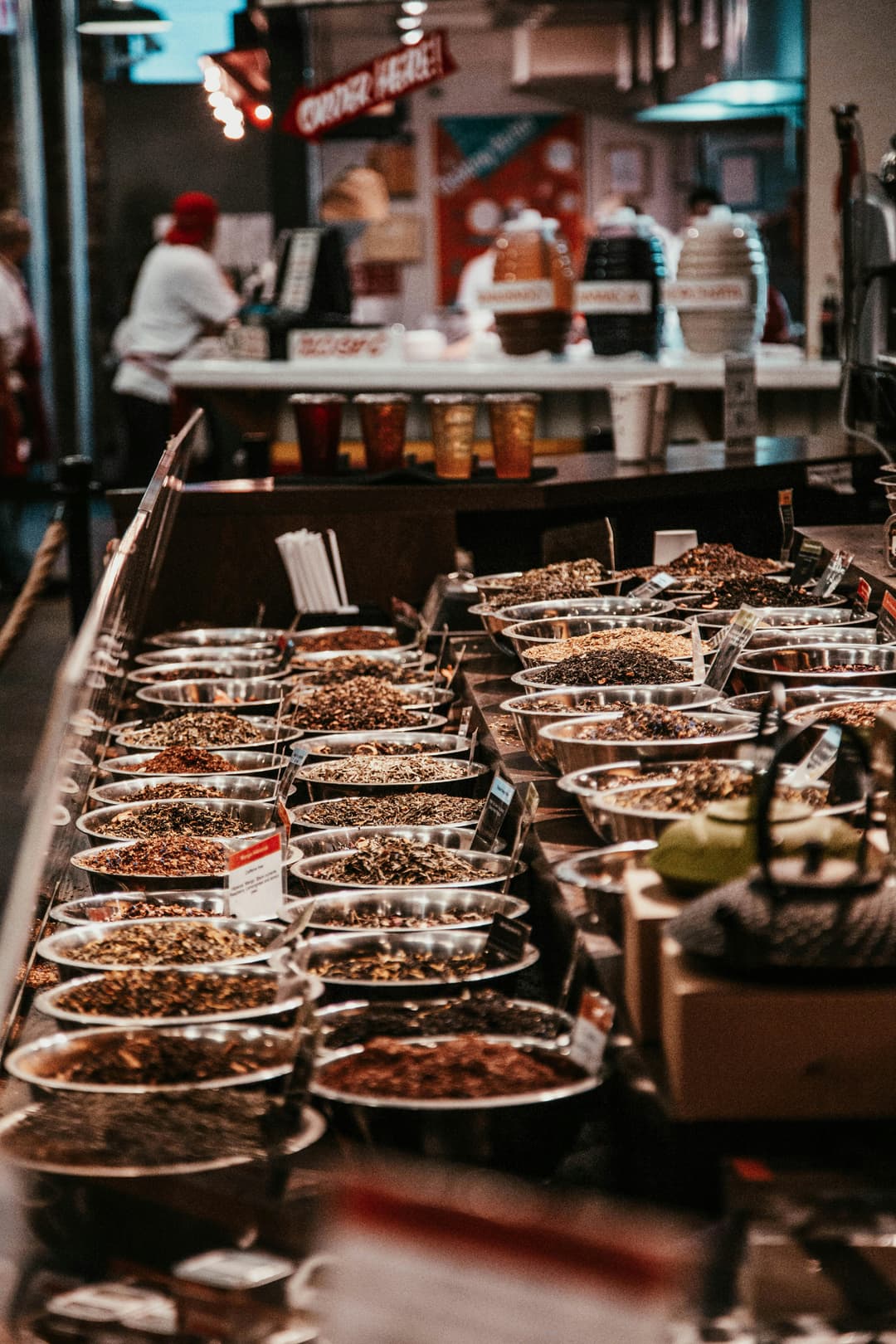
Sapere cosa motiva gli acquirenti di spezie di oggi fornisce un'idea migliore di dove il mercato si stia effettivamente dirigendo. I gusti sono cambiati rapidamente, gli individui sono più interessati alla narrazione di ciò che consumano. Di seguito sono riportati i principali cambiamenti dei consumatori che influenzano il mercato delle spezie indiane nel 2025.
Autenticità, Tracciabilità e Richiesta di Etichette Pulite
I consumatori sono sempre più interessati a ciò che c'è nel cibo che acquistano, da dove proviene e come è stato trattato, tanto che ora chiedono "Chi lo ha effettivamente prodotto?" o "È stato curato?" Questo desiderio spinge esportatori e rivenditori a farsi avanti con etichettature trasparenti, dati di origine e garanzie di assenza di residui. Le spezie tracciabili e con etichetta pulita non sono più un lusso. Sono norme attese.
Salute, Benessere e Posizionamento Funzionale
Il movimento per la salute sta creando una grande influenza su come gli individui percepiscono le spezie indiane. La curcuma è considerata un miracolo nella lotta contro l'infiammazione, lo zenzero per rafforzare il sistema immunitario e la cannella per mantenere il cuore al massimo della salute. Tutte queste spezie si stanno ora diffondendo rapidamente in integratori mainstream, tè e alimenti funzionali. Gli acquirenti stanno iniziando a vedere le spezie come un mezzo sano per ottenere un vantaggio sulla salute, non solo come qualcosa per insaporire il cibo nel piatto.
Cucine Fusion e Sapori Etnici
Le cucine globali stanno sperimentando più che mai. I masala indiani e altri mix locali sono diventati un fenomeno. Dal garam masala ai fiocchi di peperoncino per chi ama i sapori coreani e mediorientali, la domanda di sapori più intensi continua a crescere. Le cloud kitchen, i ristoranti e i cuochi casalinghi sono tutti alla ricerca di profili di spezie autentici con la comodità moderna.
Crescita dell'E-commerce e Vendite Dirette al Consumatore
Lo shopping online è il nuovo scaffale delle spezie. Le persone scoprono nuovi marchi mentre leggono ricette o guardano video di ricette. I proprietari dei negozi ora costruiscono relazioni dirette con i clienti tramite siti di e-commerce, offrendo prodotti biologici in piccoli lotti o abbonamenti mensili di spezie. Questa relazione diretta offre ai venditori più feedback e ai clienti un'esperienza più fresca e intima.
Spezie indiane più popolari
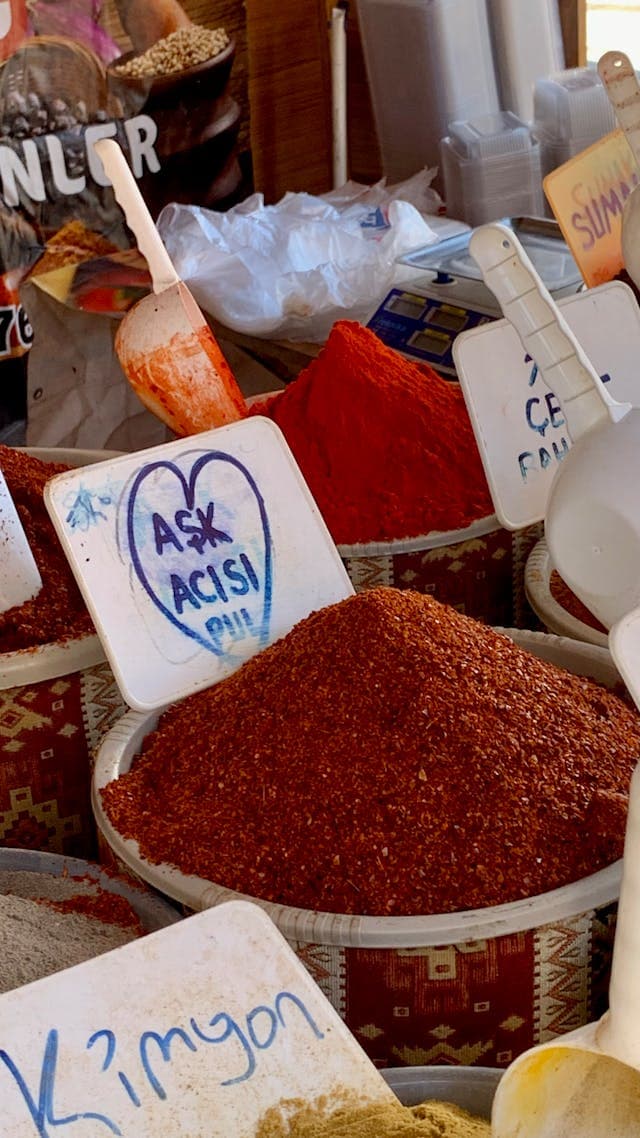
Il paniere di spezie dell'India è enorme, ma alcune rimangono costanti nella domanda e nella capacità di esportazione. Questi non sono semplici ingredienti. Sono motori economici, influenzando il modo in cui l'India esporta e commercia e il modo in cui il mondo mangia.
Curcuma
La curcuma rimane l'oro dell'export indiano. È apprezzata per il colore, il sapore e il contenuto di curcumina. Non solo per cucinare, ora è uno standard nelle bevande di benessere, nella cura della bellezza e negli integratori. I consumatori vogliono curcuma biologica ed estratti ad alto contenuto di curcumina per la purezza e i benefici per la salute. La domanda di curcuma tracciabile e priva di residui è in aumento.
Peperoncino Rosso / Capsicum
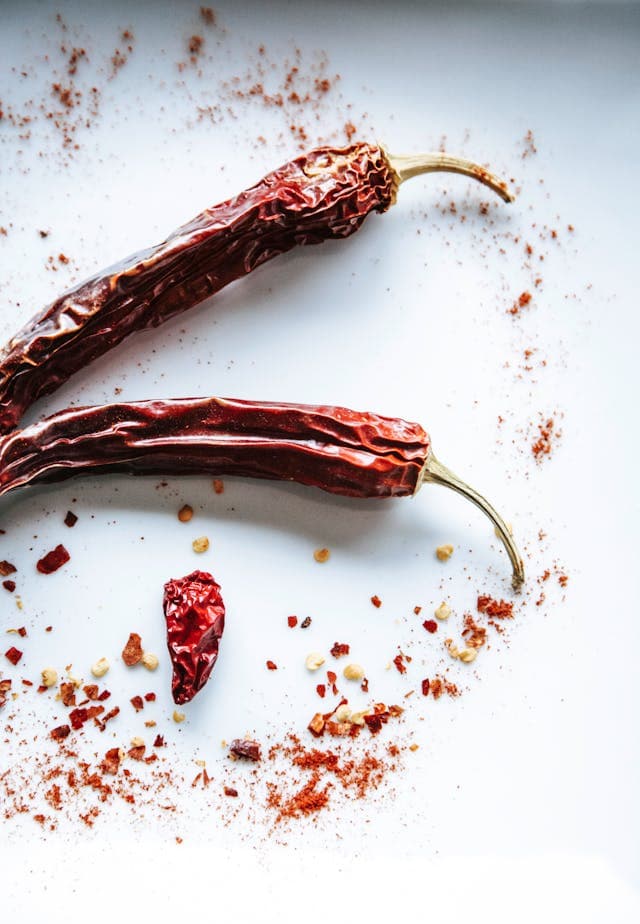
Quando si pensa al calore delle spezie, l'India è il primo luogo che viene in mente. Il peperoncino rosso guida le esportazioni in forme intere e in polvere. È anche predominante per la produzione di oleoresina. La piccantezza sostenuta, il colore (valore ASTA) e la bassa umidità sono enfatizzati dagli importatori in nazioni come Cina e Vietnam. Il prezzo e la resa delle colture tendono a guidare l'attività commerciale a breve termine.
Cumino (Jeera)
Il cumino continua a essere una spezia fondamentale per i mix alimentari e di spezie internazionali. L'India domina l'offerta internazionale, ma i recenti aumenti delle tariffe, come la tassa di importazione del 25% imposta dagli Stati Uniti (The Times of India), preoccupano gli esportatori. Alcuni stanno cercando mercati alternativi o coprendo i costi per rimanere competitivi attraverso le fluttuazioni commerciali.
Cardamomo, Pepe e Altre Spezie di Alto Valore
Il cardamomo e il pepe nero sono una classe a sé stante. Queste spezie di alto livello sono guidate da clima, suolo e coltivazione di precisione. I cambiamenti climatici o i cali di produzione possono far variare i prezzi dall'oggi al domani. Spezie con Indicazione Geografica (IG), come il pepe nero con marchio IG e il cardamomo di origine singola proveniente da Kerala e Karnataka, stanno creando interesse nei mercati specializzati all'estero.
Miscele di Spezie e Mix Ad Alto Valore Aggiunto
Le miscele di masala e le spezie pronte stanno andando a ruba. I consumatori vogliono una scorciatoia per un gusto autentico senza sacrificare la qualità, quindi, le miscele preconfezionate come garam masala, biryani masala e persino mix per paneer tikka stanno diventando assoluti best seller e in crescita. Anche gli esportatori le preferiscono poiché offrono margini più alti e riconoscimento del marchio rispetto alle esportazioni di spezie grezze.
Opportunità e prospettive future
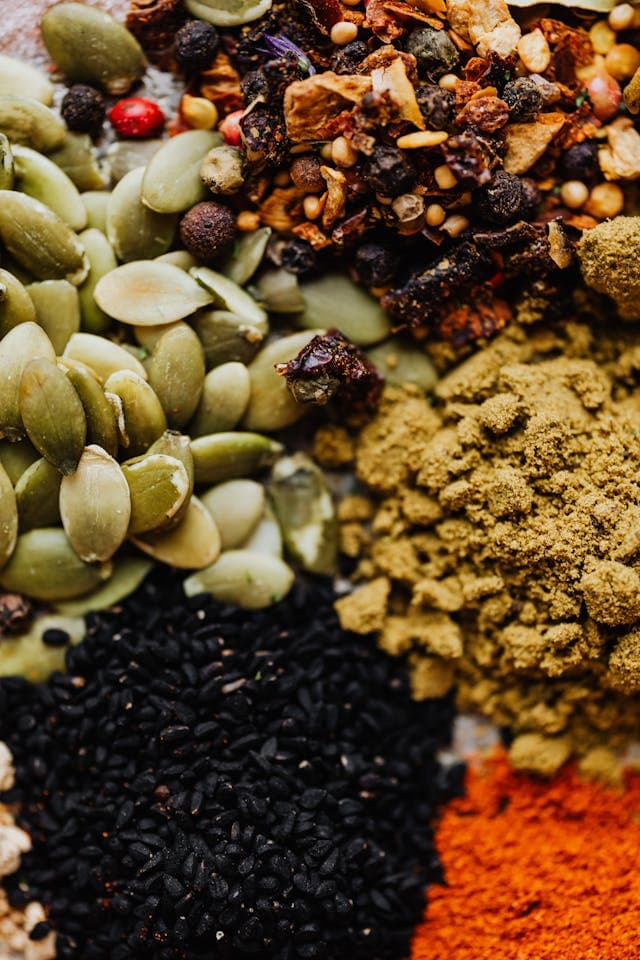
Il commercio di spezie indiano è giunto al punto in cui la crescita dipenderà dalla velocità con cui gli attori si adatteranno. Da fonti più pulite a una logistica intelligente, gli anni a venire metteranno alla prova chi è pronto a soddisfare la domanda globale in evoluzione.
Linee Premium, Biologiche e Clean-Label
I clienti oggi desiderano semplicità, non complessità. Stanno optando per gamme di spezie biologiche, prive di residui e clean-label che siano sicure e affidabili. La curcuma biologica o il peperoncino senza pesticidi, che sono categorie ad alto margine, stanno guadagnando terreno. Le aziende che possono tracciare la loro filiera (dal campo allo scaffale) si differenzieranno automaticamente e guadagneranno la fiducia degli acquirenti internazionali attenti ai valori.
Valore Aggiunto e Costruzione del Brand
Vendere spezie grezze va bene, ma non è più sufficiente. Si tratta di creare valore, masala di marca, oli infusi ed estratti di spezie funzionali. Distributori e grossisti che collaborano con trasformatori che offrono confezioni moderne e miscele innovative avranno un vantaggio evidente sia nei mercati di esportazione che in quelli al dettaglio.
Diversificazione dei Mercati
La dipendenza dagli acquirenti occidentali è troppo elevata. Adeguamenti tariffari o rigorose regolamentazioni sui residui possono destabilizzare i margini in una notte. Ecco perché espandersi in nuovi territori (Africa, America Latina e Sud-est asiatico) è logico. Questi mercati sono affamati di sapori indiani, crescono in modo affidabile e presentano generalmente meno barriere regolamentari per gli esportatori che vi entrano.
Integrazione di Tecnologia e Innovazione Agricola
L'agricoltura e la tecnologia stanno finalmente camminando mano nella mano. Sistemi di essiccazione rapida, tracciamento IoT e tracciabilità blockchain aiutano a mantenere la qualità delle spezie riducendo le perdite. Aggiungi coltivazioni intelligenti per il clima e classificazione automatizzata, e avrai una filiera più snella e affidabile, esattamente ciò che gli acquirenti internazionali stanno ora richiedendo.
Localizzazione Strategica della Filiera
Gli esportatori stanno adottando un approccio locale su scala globale. Stabilendo piccoli centri di lavorazione o miscelazione vicino ai principali poli di domanda, possono rispondere più rapidamente, ridurre le spese di spedizione e sviluppare linee di prodotti per i gusti locali. Questo tipo di integrazione a monte non solo fa risparmiare tempo, ma rafforza le relazioni commerciali a lungo termine.
Principali fornitori di spezie indiane da Torg
1. ASHAPURA EXPORTERS – India
Ashapura Exporters è tra i più affidabili esportatori di spezie e legumi dell'India. Con solide radici agricole e decenni di esperienza nell'esportazione, hanno stabilito una buona reputazione per affidabilità e correttezza. La loro lista di prodotti comprende curcuma, peperoncino rosso, cumino, coriandolo, cardamomo e frutta secca, tutti confezionati igienicamente e spediti puntualmente ai clienti internazionali in cerca di garanzia di qualità.
2. MANAN SPICES – India
Manan Spices fonde tradizione e autenticità dal 1981. Con le sue miscele di spezie dal sapore unico, una varietà di spezie macinate e alcune straordinarie frutte secche, l'azienda porta un tocco di amore casalingo nella cucina quotidiana. Hanno costruito una reputazione concentrandosi su spezie naturali e creando miscele finemente perfezionate, quindi non sorprende che i grossisti che vogliono portare un gusto dell'India sui mercati internazionali si rivolgano a loro.
3. BHRIGUKAR OVERSEAS – India
Bhrigukar Overseas conosce bene le spezie, le erbe e i prodotti secchi indiani. Tutti rispettano i più elevati standard di qualità internazionali. Sono riusciti a combinare approvvigionamento sostenibile con processi all'avanguardia per valorizzare la vera profondità dei loro prodotti. Che si tratti di servizi di ristorazione, rivenditori o semplicemente forniture all'ingrosso, la loro gamma di spezie offre un viaggio attraverso le diverse terre agricole dell'India, ricche di sapore fresco e fragrante, pronte per le cucine di tutto il mondo.
Conclusione
Il commercio di spezie indiane sta evolvendo rapidamente, ma le sue fondamenta rimangono solide. Il valore si basa ancora sulla tradizione, ma la leadership ora è nelle mani degli innovatori. Coloro che riconoscono quell'equilibrio prospereranno: acquirenti, grossisti e rivenditori. I prossimi anni premieranno gli investimenti in approvvigionamento più sostenibile, packaging intelligente e catene di approvvigionamento aperte. I mercati possono cambiare, ma il gusto non passa mai di moda. Dalla curcuma al peperoncino, le spezie sono molto più che semplici ingredienti. Sono storie, reti commerciali e relazioni internazionali. Il segreto ora è allinearsi con buoni fornitori, rimanere agili e mantenere la qualità al centro di ogni spedizione. È così che avviene la crescita autentica.
Richiedi preventivo per ordine all'ingrosso
Ordine semplice, prezzi trasparenti, consegnato direttamente a casa tua