



Il nuovo boom del gelato: crescita premium e salutare
Il gelato premium e più salutare sta vivendo un momento di successo. Scopri come il mercato del gelato si evolverà nel 2026 e le informazioni di mercato che devi conoscere.

200+ acquirenti si fidano di Torg per l'approvvigionamento







Il gelato sta cambiando. Non nel senso sensazionale di "disruption del settore", ma nel senso funzionale, con dollari sul tavolo. Acquirenti e rivenditori osservano sempre più domanda per secchi premium, imballaggi a base vegetale e dolci surgelati più salutari. Alcuni marchi enfatizzano le proteine. Altri enfatizzano etichette pulite. Gli amanti dei dessert desiderano indulgenza, ma desiderano anche autonomia. I rivenditori ne sono consapevoli e riorganizzano lo spazio nei congelatori di conseguenza. In sostanza, la domanda si sta spostando verso valore e unicità. E il momento è giusto. La categoria è in crescita, i margini stanno migliorando e i fornitori stanno introducendo nuovi formati più rapidamente che mai. Se rivendi o acquisti gelato, questa guida ti permette di vedere dove sta realmente avvenendo la crescita.
Fondamenti di mercato e prospettive di crescita
Il gelato continua a evolversi senza perdere il suo fattore di comfort. Nel 2026, il mercato globale dovrebbe attestarsi a circa 125,42 miliardi di USD, per poi salire costantemente verso circa 152,96 miliardi di USD entro il 2031, crescendo a un CAGR del 4,05%. Ciò che spinge questa crescita è un cambiamento nelle aspettative. Le persone vogliono ancora indulgere, ma controllano anche le etichette. Questo mix sta guidando l'interesse per formati più leggeri, aggiunte funzionali e ricette attente agli allergeni. Di conseguenza, i produttori stanno andando oltre i classici latticini, sperimentando nuove basi e consistenze, mantenendo l'esperienza abbastanza familiare da tornare per un altro assaggio.
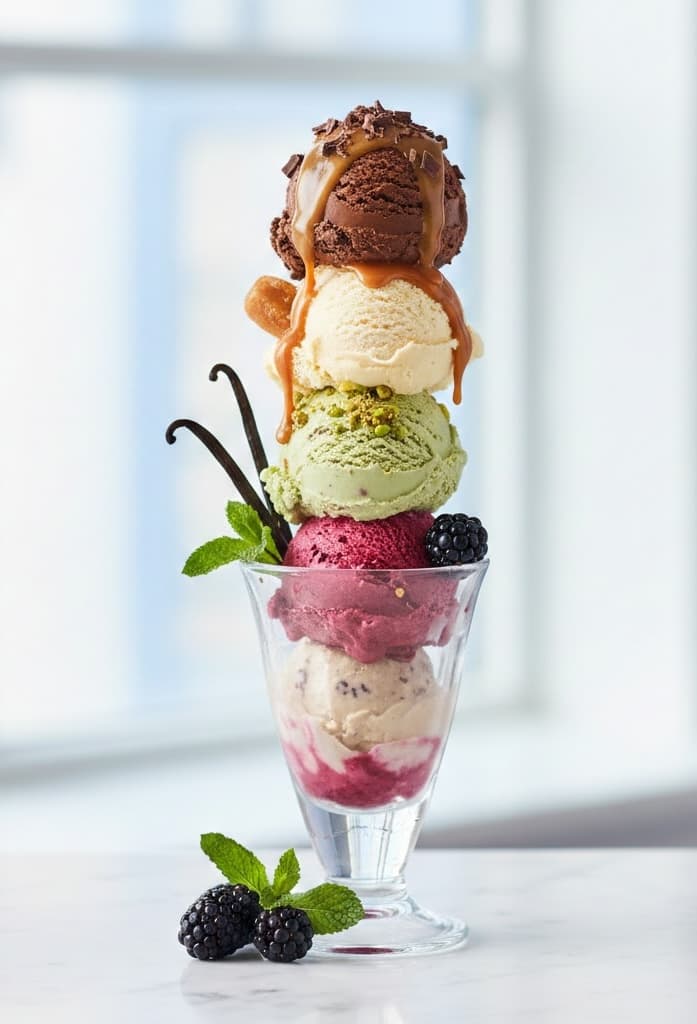
Segmentazione del mercato
Se segmenti la categoria, puoi osservare quali formati e tipi di prodotti si vendono più rapidamente.
Per formato di prodotto:
- I gelati a stecco sono in cima. Rappresentano circa 33,41% del fatturato mondiale negli ultimi anni.
- I gelati a stecco si muovono rapidamente perché sono porzionati, facili da esporre e semplici da sistemare. Ai rivenditori piacciono. I consumatori li prendono al volo. Tutte le parti ne beneficiano.
Per tipo:
- Il gelato tradizionale a base di latte e acqua domina ancora il 96,5% del mercato, ma non sottovalutare la parte vegetale.
- I tipi vegani e a base vegetale stanno crescendo con un CAGR di ~9,7% tra il 2024 e il 2030.
- In sostanza, il gelato a base vegetale rimane una piccola parte del freezer, ma indubbiamente il più veloce. Gli operatori dei negozi che offrono anche solo una o due SKU sotto "meglio per te" tendono a vedere gli acquisti di prova diventare acquisti ripetuti.
Per canale di distribuzione:
- Il retail guida con una quota di mercato del 78,6%. Anche il servizio di ristorazione cresce, ma chiaramente il vero turnover avviene ancora nei negozi di alimentari e nei punti vendita di convenienza.
- Per grossisti e distributori, questo significa un messaggio chiaro: puntare su formati che hanno un buon aspetto nei freezer, vaschette, barrette monoporzione e confezioni multiple.
Approfondimenti regionali: dove la domanda è in aumento
Zoomando sulla geografia, la tendenza è evidente. Alcune aree acquistano più gelato, altre ne producono di più, e altre stanno appena scoprendo i formati premium e salutistici. Essenzialmente, ciò si traduce in margini di crescita.
- Nord America
Con il 30,87% delle entrate globali nel 2025, la regione si basa sulla routine. Circa il 73% dei consumatori mangia gelato settimanalmente, spesso di notte, mantenendo volumi costanti. Ampia distribuzione, tradizioni delle gelaterie, lanci stagionali, e linee premium e a base vegetale rafforzano la domanda. - Asia-Pacifico
La regione guida la crescita con un CAGR del 6,15% fino al 2031. Gli stili di vita urbani in Cina e India aumentano il consumo, mentre il settore della ristorazione, le vendite online, i sapori localizzati e il miglioramento delle catene del freddo permettono ai marchi di scalare più rapidamente. - Europa
La crescita rimane moderata e guidata dalle politiche. Standard rigorosi su etichettatura, sicurezza e sostenibilità orientano il design dei prodotti, mentre Germania, Italia e Paesi Bassi si affidano a stili artigianali e al consumo premium legato al turismo. - America del Sud e Medio Oriente / Africa
Le lacune nella catena del freddo rallentano ancora l'espansione, tuttavia città come Brasile e UAE mostrano crescenti importazioni e una domanda più attenta alla salute. I progressi dipendono dagli aggiornamenti logistici e dai graduali cambiamenti nelle abitudini di acquisto.
Questo dice qualcosa. Questi mercati non stanno più perseguendo il volume. Cercano qualità, storytelling e ingredienti che risuonino con il consumatore contemporaneo.
Essenzialmente, è la tua opportunità di posizionare SKU salutistici, sapori premium o formati vegani in mercati che stanno dinamicamente ridefinendo i loro scaffali freezer.
Catena di approvvigionamento 2026: Catena del freddo, importazioni di ingredienti e vincoli reali
Il gelato respira e muore nella logistica. Sembra drammatico, ma è un dato di fatto. Una catena del freddo compromessa rovina la consistenza, crea cristalli di ghiaccio e danneggia il marchio prima che raggiunga il retail. È qui che grossisti e distributori vincono o perdono davvero.
Sempre più marchi stanno importando mentre la domanda cresce nei mercati del Sud-est asiatico e delle Filippine.
- latte vegetale (avena, cocco, mandorla)
- ingredienti premium (cioccolato gourmet, pistacchi, noci tostate)
- miglioramenti al packaging (contenitori in cartoncino, confezioni in foglio stampato)
Chiaramente, questi richiedono una logistica più rigorosa.
La domanda di gelato premium a livello mondiale ha rivelato vulnerabilità nella stabilità della catena del freddo. La consistenza si degrada quando la temperatura varia. Stabilizzanti e aggiornamenti di processo stanno ora venendo impiegati dall'industria per permettere ai prodotti di sopportare distanze più lunghe.
E sì, ciò impatta i margini. Perché ogni volta che la temperatura sale, qualcuno perde denaro.
Entro il 2026, i maggiori ostacoli non saranno più solo i tempi di consegna delle importazioni. Saranno:
- Disponibilità di spazio freezer nel retail
- Coerenza della temperatura della catena del freddo dal porto al negozio
- Ottimizzazione del formato SKU per l'efficienza del trasporto (le barrette si trasportano meglio dei contenitori)
Un marchio può avere i migliori ingredienti vegetali al mondo, ma quando la catena del freddo fallisce, il cliente vede solo frammenti di ghiaccio, non il vero valore del prodotto.
Per chi si occupa di distribuzione o approvvigionamento, chiedete ai fornitori domande dirette come:
"Avete informazioni su come il vostro prodotto si comporta sotto variazioni di temperatura?"
"Qual è il tempo massimo suggerito fuori dal freezer durante lo scarico?"
Queste non sono domande banali. Queste garantiscono il vostro profitto.
Cosa guida la domanda e i cambiamenti comportamentali
La domanda sta cambiando poiché le persone desiderano dessert che abbiano un gusto premium ma coerenti con i modelli di consumo contemporanei. Questo influenza quali SKU si vendono più rapidamente. Essenzialmente, essere consapevoli di questi cambiamenti consente agli acquirenti di selezionare fornitori migliori ed evitare prodotti a bassa rotazione.
Premiumisation e indulgenza si incontrano con l'esperienza
I consumatori non si limitano più a "mangiare" il gelato; desiderano qualcosa di speciale. Barrette multistrato, colori vivaci e mix con texture stanno vincendo. Secondo Barry Callebaut, il 67% dei consumatori preferisce più gusti e il 53% è attratto da formati forti e visivamente accattivanti. Per i consumatori, questo si traduce in: inventariare SKU con strati, inclusioni e confezioni di alta gamma invece di semplici vaschette.
Migliore per te, a base vegetale e etichette pulite
Il gelato vegano e senza lattosio continua a guadagnare slancio. ITAC Professional evidenzia l'espansione nei formati vegani e a basso contenuto di zuccheri. I consumatori cercano anche etichette più pulite e meno ingredienti artificiali citando la domanda di meno zucchero e benefici funzionali. Essenzialmente, stoccare fornitori che offrono basi di avena, mandorla o cocco, insieme a versioni arricchite di proteine o a ridotto contenuto di zuccheri.
Sostenibilità, approvvigionamento etico e confezionamento
La sostenibilità è sempre più collegata alla percezione del valore. Secondo uno studio arXiv, i consumatori pagano un premium quando comprendono che la produzione aderisce a migliori standard di benessere. Per il gelato, questo significa approvvigionamento etico dei latticini, confezioni riciclabili o prodotti a base vegetale che riducono l'impronta ambientale. Gli acquirenti diventano più potenti selezionando fornitori che possono dimostrare queste affermazioni, ciò aiuta a facilitare prezzi premium oltre alla fiducia dei rivenditori.
Formati pratici e da asporto
I pacchetti monoporzione sono di moda. I formati impulso e barre stanno tornando perché tutti sono di nuovo in giro. I rivenditori hanno bisogno di un rapido turnover; i distributori desiderano una maggiore efficienza dei congelatori. Mini vaschette, bastoncini e barrette singole soddisfano entrambi. In effetti, questi formati facilitano la prova e minimizzano i ritardi dei consumatori, in particolare negli SKU di alta gamma.
Prospettive di crescita nel segmento dei gelati
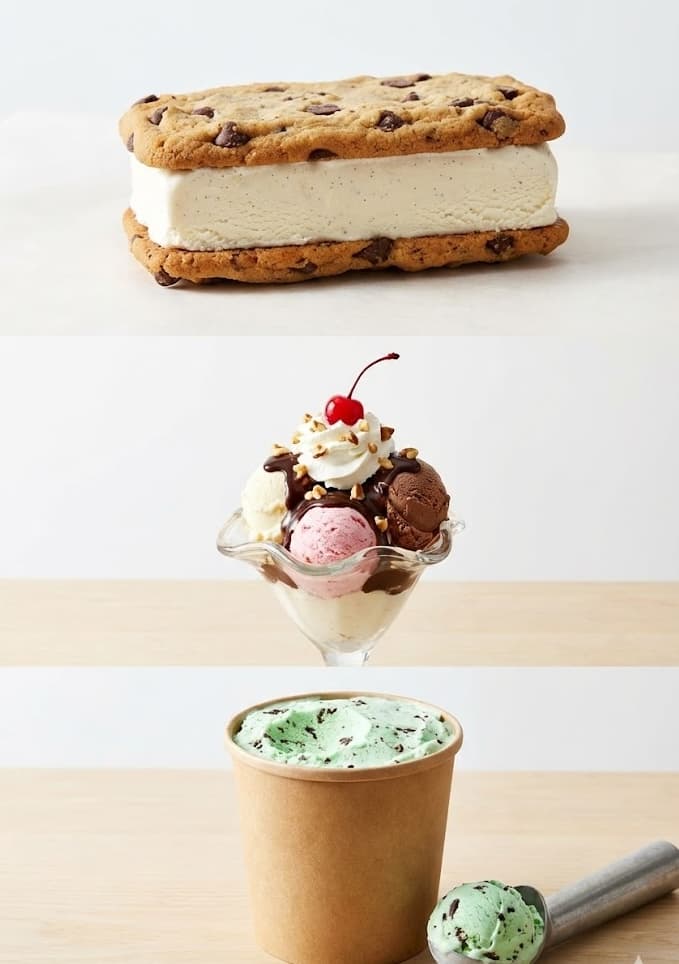
Le opportunità si stanno sviluppando rapidamente. Il gelato premium e salutare non è più una tendenza, sta diventando una strategia di approvvigionamento. Se sei un distributore o un acquirente, questa parte dell'articolo ti aiuta a identificare dove si verifica realmente la crescita.
Premiumizzazione nei mercati emergenti
I mercati dell'Asia Pacifico, del Sud-est asiatico e dell'America Latina rimangono relativamente poco serviti nel gelato premium o salutare. La domanda sta aumentando con la crescita del reddito disponibile e i clienti si orientano verso prodotti indulgenti. Essenzialmente, gli importatori che possono portare per primi SKU premium hanno il controllo degli scaffali. I dati indicano che l'Asia Pacifico rappresenta una quota di entrate globali.
Crescita dei prodotti vegetali e salutari
Il gelato vegetale non è più una moda passeggera. I dati indicano che i dessert surgelati senza latticini e funzionali stanno crescendo fortemente. ITAC cita la domanda dei consumatori per proteine, meno zucchero e etichette con ingredienti puliti. Per l'approvvigionamento, si traduce nel portare forme a base di avena, mandorla o cocco. Questi SKU hanno tipicamente un margine premium e distinguono il tuo portafoglio.
Formati monoporzione e da impulso
I bastoncini e le barrette monoporzione stanno aumentando di nuovo. Barry Callebaut afferma che i formati da impulso stanno tornando di moda con i consumatori che trascorrono più tempo fuori casa. Questi SKU si vendono più rapidamente, occupano meno spazio nel congelatore e riducono l'ostacolo alla prova. Apparentemente, sono più semplici da ruotare e vendere, il che li rende più facili da gestire per i distributori.
Opportunità per private label e marchi propri
I supermercati ora sviluppano le proprie gamme premium o salutari. Comandano margini premium o salutari con formati vegetali, etichette pulite e sapori distintivi. Essenzialmente, il private label consente il controllo dei prezzi e il posizionamento. Verso il 2026 e oltre, l'innovazione dei marchi propri aumenta nelle gamme surgelate, in particolare dove i consumatori richiedono esclusività.
Sostenibilità e valore dell'approvvigionamento
Le persone osservano come viene prodotto il gelato, il latte proveniente da fonti etiche, il cibo pulito, i contenitori riciclati. Un recente sondaggio dimostra che i consumatori sono disposti a pagare di più se esistono benessere o sostenibilità. Per i grossisti, acquistare da fornitori che hanno trasparenza aperta nella sostenibilità non è solo etico; aiuta con prezzi premium e fedeltà dei rivenditori.
I migliori fornitori di gelato di Torg
1. DOXO INGREDIENTS, INC. — Filippine
Doxo Ingredients consente ai piccoli esercizi alimentari di espandersi fornendo mix per gelati economici e set di prodotti pronti all'uso. Fondamentale per il loro business è la convenienza, il gusto uniforme e il rapporto qualità-prezzo. L'aspetto chiave è che si può praticamente ottenere tutto questo in un unico pacchetto, come polveri, combinazioni e persino kit di avvio aziendale. Dispongono anche di tè al latte e sciroppi aromatizzati, semplificando l'approvvigionamento inter-categoria.
2. PURE ICE CREAM CO. LLC (Kwality) — Emirati Arabi Uniti
Kwality produce gelati e prodotti lattiero-caseari negli Emirati Arabi Uniti dal 1977. Offrono vaschette di alta qualità, bastoncini monoporzione e alternative ai sapori locali. In qualche modo combinano tradizione con innovazione adattiva, permettendo ai distributori di accedere ai mercati tradizionali e di alta gamma. Producono anche paneer e verdure surgelate, ampliando l'approvvigionamento per spedizione.
3. TORRE SA (Cooperlat Torre) — Grecia
Torre SA vanta oltre 40 anni di esperienza con latticini e gelati. Producono formati di gelato individuali e per famiglie, creme e dessert surgelati. Il loro punto di forza è l'affidabilità con gusto costante, esportazioni stabili e una solida prontezza commerciale. Per i responsabili acquisti che necessitano di formati di gelato premium di produzione europea, Torre è una scelta ideale.
Conclusione
La categoria del gelato non sta rallentando. Piuttosto, sta diventando più intelligente e creativa. I formati premium e più salutari stanno passando da "nicchia interessante" a business affidabile e ripetibile. I pagatori e i distributori che agiscono rapidamente, selezionando prodotti a base vegetale, inclusioni premium e partner robusti per la catena del freddo, raccoglieranno i frutti di margini più alti e rotazioni più rapide. Fondamentalmente, l'opportunità è davanti a voi. Il mercato si sta espandendo. Le persone stanno sperimentando. I rivenditori devono avere qualcosa di nuovo sugli scaffali. Quando trovi fornitori pronti per l'esportazione e ti concentri su formati di reale valore, non segui semplicemente la tendenza, ma la anticipi.
Richiedi preventivo per ordine all'ingrosso
Ordine semplice, prezzi trasparenti, consegnato direttamente a casa tua