



Il mercato del latte aromatizzato previsto a raggiungere presto i 100 miliardi di dollari
Scopri l'industria globale del latte aromatizzato. Dalle dimensioni del mercato, i principali attori e le tendenze emergenti ai flussi commerciali e ai principali fornitori.
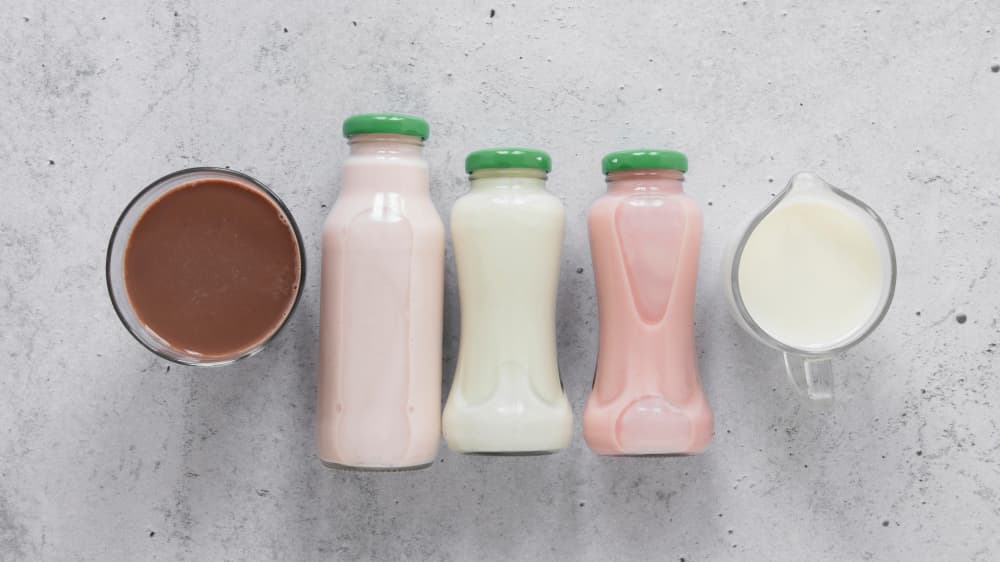
200+ acquirenti si fidano di Torg per l'approvvigionamento







Il latte aromatizzato ha fatto molta strada da quando era una delizia per bambini. Ora è una linea di prodotti mondiale che attraversa i corridoi dei supermercati, i caffè e i distributori automatici. È conosciuto da noi, ma in continua evoluzione. Alcuni acquirenti lo considerano una categoria stabile, mentre altri lo vedono come un campo minato di innovazione. Perché? Perché il latte aromatizzato è adatto sia per il piacere che per la salute. I consumatori ora desiderano qualcosa di saporito ma non pesante, dolce ma non stucchevole. Fornitori e distributori stanno prendendo nota di ciò, osservando come il gusto, il packaging e l'origine influenzano la domanda. Questo articolo chiarisce cosa sta realmente accadendo nell'industria del latte aromatizzato e dove si sta dirigendo.
Approfondimenti sul mercato globale del latte aromatizzato
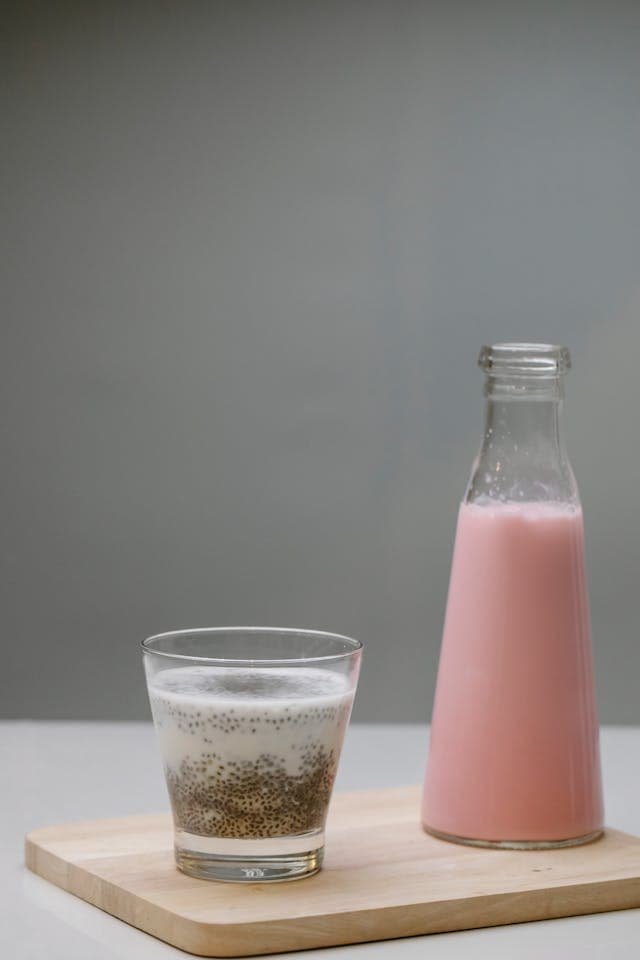
Il mercato del latte aromatizzato è cresciuto costantemente e non di poco. Diversi rapporti indicano ora una solida curva in crescita che non ha mostrato segni di rallentamento. Un rapporto valuta il valore del mercato a 54,8 miliardi di USD nel 2023, con proiezioni che raggiungeranno circa 97,8 miliardi di USD entro il 2033. Si tratta di un CAGR piuttosto sano del 5,96% su un periodo di 10 anni, secondo GlobeNewswire. Una previsione leggermente più ottimista afferma che dal 2025 al 2033 potremmo vedere un tasso di crescita del 7,18%, con il mercato che potrebbe espandersi da 55,11 miliardi di USD fino a un impressionante 102,86 miliardi di USD - Renub lo ha nel radar. Dall'altra parte, però, c'è una stima più conservativa di Mordor Intelligence che dice che stiamo guardando a una crescita di circa 5,23% nello stesso periodo.
Vari analisti, varie cifre, ma la storia è la stessa: il latte aromatizzato si sta espandendo più rapidamente di molte categorie tradizionali di latticini. Ma perché? Per una cosa, i consumatori stanno inseguendo la convenienza. Bevande pronte al consumo e fortificate coprono questa esigenza. Aggiungi queste tendenze al movimento attuale verso il valore aggiunto nei latticini, poi i miglioramenti che stiamo vedendo nelle infrastrutture della catena del freddo, e in cima a tutto ciò, un packaging davvero sofisticato che può estendere la durata di conservazione. Tutti questi fattori stanno lavorando insieme in perfetta armonia per mantenere il mercato in movimento.
Segmentazione del mercato: chi beve quale latte aromatizzato?
Sapere chi compra cosa è metà della battaglia. La base di consumatori del latte aromatizzato è ampia ma si divide in gruppi distinti, ognuno con un diverso set di abitudini e preoccupazioni.
- Bambini / Ragazzi.
Il segmento più fedele in assoluto. Cioccolato, fragola e vaniglia dominano le scatole del pranzo e i distributori automatici. Oltre al gusto, i genitori apprezzano il calcio e le vitamine extra. In poche parole, è comfort in un cartone. - Adolescenti / Giovani Adulti.
Qui, la novità e l'immagine sono in primo piano. Considera matcha, caramello salato, mango o latte aromatizzato al caffè. Confezioni eleganti, portabilità e sapori alla moda mantengono questo gruppo coinvolto. - Adulti / Consumatori Attenti alla Salute.
Questo segmento si sta espandendo fortemente. Cercano opzioni a basso contenuto di zucchero o proteine, mix probiotici, versioni senza lattosio o persino opzioni "plant-forward" a base di avena o mandorle. La salute viene prima, il sapore subito dopo, ma entrambi sono comunque importanti. Tuttavia, questo mercato è più piccolo e un segmento di nicchia piuttosto costoso. Questi clienti vogliono più di una semplice bevanda. Vogliono alcuni benefici extra, come collagene, vitamine o persino formule che migliorano l'umore, ad esempio. Questi prodotti possono comandare prezzi più alti e sono certamente attraenti per i rivenditori che si rivolgono a clienti focalizzati sul benessere. - Attraverso i canali, i prodotti pronti da bere (RTD) guidano il commercio mondiale. Le opzioni in polvere o da miscelare sono disponibili, ma la convenienza domina. Anche i livelli di prezzo sono importanti: i pacchetti di valore per il mercato di massa coesistono con confezioni premium in vetro, a seconda dei consumatori target.
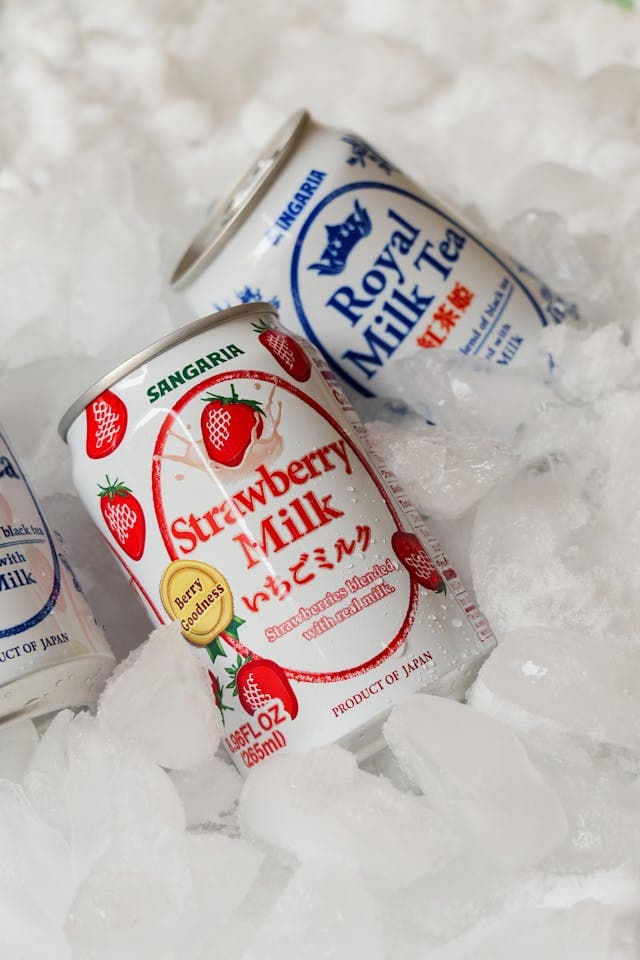
Geografie: Centri di produzione, commercio e importazione
Il latte aromatizzato non viene né prodotto né consumato uniformemente in tutto il mondo. Ci sono alcune nazioni che producono in grande quantità e altre nazioni che importano per soddisfare le loro esigenze. Approfondiamo ulteriormente.
- Asia-Pacifico è oggi la forza trainante, con la quota più grande del mercato mondiale del latte aromatizzato. Tra queste, Cina, India e Sud-est asiatico sono importanti motori di crescita. Insieme a redditi in aumento, urbanizzazione e popolazioni giovani alimentano la domanda di latte aromatizzato confezionato.
- Nord America ha ancora ampio margine di crescita nel mercato. La regione ha consumato ben 3,26 miliardi di litri nel 2024 e le proiezioni sono promettenti per un salto a 5,01 miliardi di litri entro il 2033. Si tratta di un CAGR del 4,69% secondo il gruppo IMARC. È anche un margine piuttosto sano. La forte presenza di marchi, la cultura delle bevande lattiero-casearie aromatizzate e la disponibilità diffusa durante tutto l'anno mantengono la categoria in uno stato stabile.
- Europa svolge il doppio ruolo di essere un produttore e una grande area commerciale. Le normative di sicurezza dell'UE, i sussidi e le politiche per il latte influenzano la produzione, il confezionamento e la distribuzione del latte aromatizzato. Il sistema integrato del blocco facilita la distribuzione transfrontaliera.
- E poi c'è la questione dei corridoi commerciali. Il latte aromatizzato, come prodotto, richiede stoccaggio e trasporto sicuri. Alcuni esportatori utilizzano la lavorazione UHT e il confezionamento asettico per garantire la stabilità a scaffale. Un esempio è Dana Dairy (Europa), che produce latte aromatizzato UHT in confezioni tetra da 200 ml con una durata di 11 mesi, perfette per il trasporto a lunga distanza e il commercio estero.
- Sullo sfondo, politiche e dinamiche della catena di approvvigionamento stanno riorganizzando il flusso del latte aromatizzato. L'ingresso nel mercato è regolato da dazi all'importazione, limiti di residui lattiero-caseari e leggi sulla sicurezza alimentare. Blocchi commerciali regionali come ASEAN e UE stanno rendendo molto più facile per le aziende commerciare oltre confine e, allo stesso tempo, gli aggiornamenti alle strutture di stoccaggio della catena del freddo nei mercati emergenti stanno aiutando a ridurre gli sprechi e a creare nuove opportunità per introdurre il loro prodotto in nuovi mercati.
Tipi popolari di latte aromatizzato commercializzati a livello globale

Con il latte aromatizzato, ogni regione ha una preferenza e ogni acquirente immagina qualcosa di diverso. Alcuni mercati optano per sapori di comfort; altri cercano la novità. Di seguito sono riportate le principali categorie che alimentano il commercio tra gli scaffali, dai supermercati ai distributori automatici.
Latte al Cioccolato
Il cioccolato è in testa. È la base delle vendite di latte aromatizzato sia in termini di volume che di ricavi. Renub, GlobeNewswire, e Mordor Intelligence riportano tutti la sua supremazia. Perché? Il cacao è un favorito universale. È confortante, decadente e sicuro. I marchi iniziano con esso e si espandono verso varianti di moka o cioccolato fondente.
Latte Aromatizzato alla Frutta / Bacche
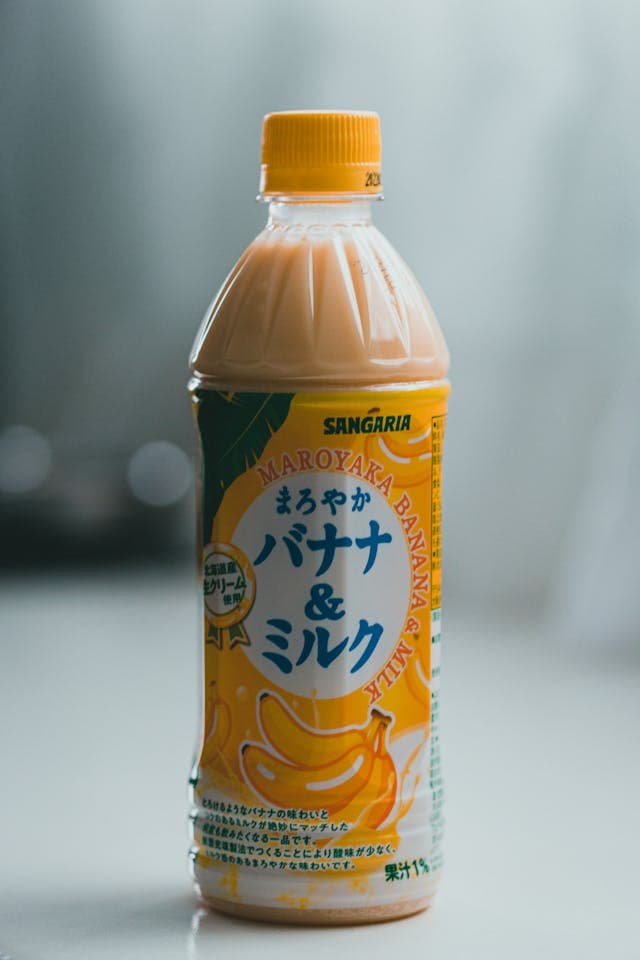
Fragola, banana e mango tendono a dominare questa lista. Le infusioni fruttate sono rinfrescanti e colorate, e attraggono bambini e adolescenti. Alcuni di questi sapori sono locali, come il mango in India, ad esempio, o il litchi nel Sud-est asiatico. Tan Do Beverage ha effettivamente una categoria dedicata al latte alla frutta, fondendo sapori tropicali con il latte cremoso.
Vaniglia, Caramello e Altri Sapori Cremosi
Quando un marchio deve allontanarsi dal cioccolato senza perdere il pubblico, è qui che si rivolge. Vaniglia e caramello sono sicuri, versatili e in qualche modo premium. Riconciliano dolcezza con una finitura cremosa. La maggior parte dei distributori globali rende il latte aromatizzato alla vaniglia un SKU indispensabile in tutte le liste di prodotti.
Latti Aromatizzati Speciali / Funzionali
Queste sono le nuove versioni del latte aromatizzato. Sono fortificati, più leggeri e più intelligenti. Proteine, probiotici, basi vegetali come mandorla o avena, persino opzioni senza zucchero stanno scuotendo gli scaffali. Gli acquirenti attenti alla salute li vedono. I rivenditori li offrono per rispondere alla crescente domanda di sapore e funzionalità in una sola bevanda, collegando l'eredità casearia alle tendenze del benessere.
Tendenze che alimentano il mercato del latte aromatizzato
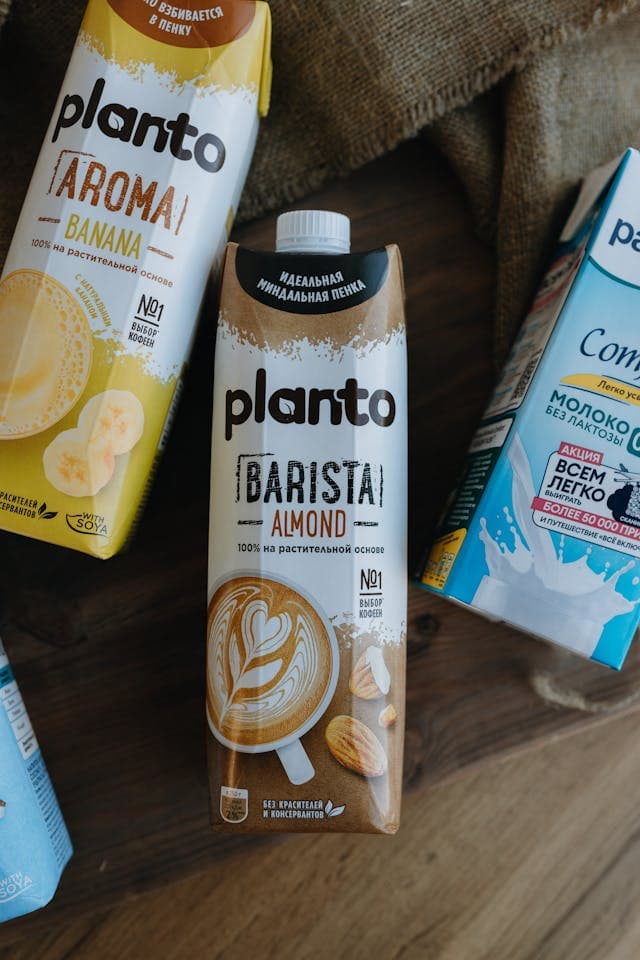
Il latte aromatizzato sta innovando ulteriormente, grazie ai cambiamenti nello stile di vita e a una produzione più intelligente. Queste sono le grandi tendenze che stanno già scuotendo il mercato e alterando la mentalità di produttori, consumatori e distributori riguardo a questa categoria in rapida crescita.
Salute, Fortificazione e Ristrutturazione dello Zucchero
Sono diventati investigatori delle etichette. Sono curiosi di sapere cosa contiene ogni bevanda. I marchi ora riducono il contenuto di zucchero, utilizzano stevia o frutto del monaco e introducono vitamine o proteine per l'equilibrio. Questo movimento verso alimenti più puliti e migliorati attrae gli adulti che cercano qualcosa di appetibile ma utile, prova che indulgenza e salute possono coesistere nella stessa bottiglia.
Alternative Lattiero-casearie a Base Vegetale e Ibride
Le bevande lattiero-casearie dominano ancora la scena, catturando l'89% delle vendite mondiali, ma stanno guadagnando terreno. Latte di mandorla, avena e anacardi non sono più fuori dai sentieri battuti. Si stanno fondendo con le bevande aromatizzate mainstream. I marchi mescolano proteine del latte e vegetali per ridurre il lattosio e i grassi ma non quella ricca sensazione al palato che i consumatori adorano.
Innovazione nel Packaging e Stabilità dello Scaffale
Il packaging al giorno d'oggi può essere un vantaggio per il business. I marchi stanno diventando molto intelligenti nel massimizzare la durata di conservazione del latte. Molti stanno utilizzando cartoni asettici, bottiglie non refrigerate e persino rivestimenti con prodotti speciali che distruggono eventuali batteri presenti. Questo consente loro di ridurre i costi di refrigerazione e di portare il loro prodotto in più paesi, in particolare quelli con climi caldi. Il risultato è che il latte rimane fresco più a lungo e viaggia ancora più lontano.
Esperimenti di Gusto e Adattamento ai Sapori Locali
C'è molto di più nel mondo del latte rispetto al semplice cioccolato e fragola. Matcha, caramello salato, caffè, mango e persino pandan. È un nuovo mondo là fuori nello sviluppo del prodotto. La creazione di sapori localizzati li aiuta ad accedere ai gusti regionali e a differenziarsi. Tokyo e Toronto potrebbero amarlo oggi, ma domani potrebbe essere un fallimento, eppure questo è il gioco. Testare, adattare e ottenere la giusta proporzione di gusto.
E-commerce, Vendita Diretta al Consumatore e Logistica della Catena del Freddo
Le scatole in abbonamento e la consegna di generi alimentari online hanno trasformato il modo in cui il latte aromatizzato viene consegnato alle famiglie. Le aziende D2C sono in grado di vendere in tutto il paese senza intermediari al dettaglio. Con una migliore logistica della catena del freddo, le bevande a base di latte sensibili alla temperatura rimangono fresche più a lungo. I piccoli produttori ora possono spedire in sicurezza, il che significa che distributori e rivenditori hanno più scelta per approvvigionarsi a livello mondiale.
Sostenibilità e Etichetta Pulita
La sostenibilità non è più un discorso di PR ma un requisito di accesso. Le aziende sono impegnate a riorganizzare le loro linee di produzione per utilizzare cartoni riciclabili, cacao equo e solidale e, soprattutto, etichette che siano chiare e trasparenti. E sai perché? Perché i consumatori chiedono che i produttori dicano loro cosa c'è realmente nel prodotto invece di nascondere tutte le cose brutte. I rivenditori ora preferiscono fornitori che si qualificano in base ai criteri ESG, poiché l'approvvigionamento responsabile è ciò che vende. Il messaggio è chiaro: se non è pulito o tracciabile, è fuori.
Crescita di Opportunità nel Latte Aromatizzato
Si stanno aprendo nuove strade per il latte aromatizzato. Più acquirenti, più canali, più varietà di prodotti. Chi sta guadagnando? Dove dovresti puntare? Ecco alcune delle opportunità in questo mercato:
Mercati emergenti come motori di crescita
L'espansione della classe media in Asia-Pacifico, Africa e America Latina alimenta il consumo di latte aromatizzato premium e fortificato. I redditi urbani e in aumento rendono questi prodotti capaci di penetrare nei mercati secondari delle grandi città. Catene del freddo migliorate e ampliamento della distribuzione consentono ai distributori di crescere più rapidamente, accedendo a nuovi segmenti di consumatori nel 2025–2026.
Linee premium e edizioni limitate
I marchi catturano latte aromatizzato premium, biologico o in edizione limitata come lanci stagionali, sapori artigianali e collaborazioni con influencer che generano urgenza. I rivenditori affermano che tali SKU sono forti nei corridoi specializzati. Le edizioni limitate consentono anche di testare i prezzi e raccontare storie senza influire sugli SKU principali, rendendoli perfetti per i lanci regionali e i picchi di domanda alimentati dai social media.
Canali B2B — Ristorazione, Scuole, Distributori automatici
Saresti sorpreso dalle opportunità costanti per il latte aromatizzato nei settori della ristorazione, scuola, distributori automatici e catering istituzionale. Dal lato positivo, acquistare in grandi quantità, avere una durata di conservazione decente e avere accordi di co-packing con marchio rendono tutto più facile per ottenere il massimo valore per il tuo denaro. I programmi alimentari scolastici sono interessati a aromi fortificati e a basso contenuto di zucchero. Per quanto riguarda gli operatori di distributori automatici, preferiscono il tipo a lunga conservazione con confezionamento UHT o asettico. Questi canali possono essere un volume garantito per grossisti e produttori.
Ingredienti per latte aromatizzato e co-branding
Quei produttori di ingredienti sono in grado di fornire ogni sorta di prodotti inclusi concentrati di aromi, isolati proteici, probiotici, emulsionanti e sistemi dolcificanti che permettono ai marchi di portare rapidamente sul mercato i loro latti aromatizzati. E quando collabori con un'altra azienda (ad esempio, un'azienda di cioccolato che collabora con un partner caseario), può davvero aumentare la consapevolezza del consumatore e dividere a metà il costo del marketing. Al momento, la ricerca e sviluppo sugli ingredienti si concentra sulla creazione di aromi naturali e sistemi "clean-label" per soddisfare le richieste dei rivenditori e per tenere il passo con i regolatori.
Produzione Private Label / White-Label
I rivenditori si stanno sempre più orientando verso il latte aromatizzato private label per gestire prezzi e margini. I CMO offrono produzioni white-label, formulazioni elastiche e accordi di confezionamento che consentono ai rivenditori di testare i mercati rapidamente. L'espansione dei private label segue le tendenze di convenienza; Research and Markets riferisce che i private label sono cresciuti nel 2025. Questa strada può ridurre i tempi di consegna e preservare i margini dei rivenditori.
Principali fornitori di latte aromatizzato su Torg
1. Zhejiang Liziyuan Food Co., Ltd. – Cina
Zhejiang Liziyuan Food Co Ltd è uno dei principali attori della Cina quando si tratta di innovazione nel settore lattiero-caseario. Si stanno facendo un nome producendo latte aromatizzato di alta qualità, bevande a base di latte acido e bevande arricchite con proteine, oltre a una gamma di prodotti a base di cocco che riscuotono successo tra i consumatori attenti alla salute. Ciò che li distingue è che ogni prodotto trova il giusto equilibrio tra gusto e valore nutrizionale, quindi che tu sia un rivenditore o un distributore, puoi essere sicuro di ottenere qualità costante e una gamma decente di opzioni per soddisfare tutte le moderne esigenze di sapore nelle bevande.
2. Tofu-Fusion Private Limited – India
Tofu-Fusion Private Limited sta anche cambiando il posto del latte a base vegetale nella vita quotidiana. Sono particolarmente orgogliosi delle loro innovazioni nella soia. Il loro latte aromatizzato è disponibile in una varietà di gusti deliziosi come Cioccolato, Kesar Badam, Vaniglia e Fragola. E sì, fanno anche il non aromatizzato per chi lo preferisce semplice. La loro enfasi? Bevande sane e ricche di proteine che combinano benessere e comfort, ideali per espandere i mercati a base vegetale in Asia e oltre.
3. Tom Parker Creamery – Regno Unito
Nel frattempo, Tom Parker Creamery sta aggiungendo un tocco moderno alla tradizionale produzione lattiero-casearia britannica. Da oltre un secolo (dal 1921 per essere precisi), l'azienda familiare produce latte cremoso ricco di vitamine, insieme a alcune incredibili varianti di gusto come Fragole e Panna, Cioccolato e il loro premiato Banana Fudge Milk. Il fatto che siano un'operazione dal produttore alla bottiglia significa che i loro prodotti sono sempre freschissimi, motivo per cui grossisti e caffetterie sono così interessati al marchio.
Considerazioni finali
Il latte aromatizzato sta cambiando più velocemente di quanto la maggior parte delle persone pensi. Non è più solo un drink trascurato che rimane a raccogliere polvere nell'angolo del frigorifero di un supermercato per bambini. Sta iniziando a emergere come una categoria intelligente e altamente redditizia che le persone che fanno acquisti oggi prendono sul serio. Il segreto è sapere come entrare in azione. Identificare un buon fornitore, determinare ciò che i tuoi clienti vogliono realmente e fare un test pilota prima di espandersi. Monitorare nuovi sapori e concetti di packaging e controllare gli ingredienti, poiché saranno quelli che faranno la differenza in questo mercato. Alla fine, la chiave del successo riguarda tutto il tempismo, il gusto e la fiducia. Questa è la santa trinità di cui ogni rivenditore deve essere consapevole.
Richiedi preventivo per ordine all'ingrosso
Ordine semplice, prezzi trasparenti, consegnato direttamente a casa tua