



Mercato del caffè Arabica 2026: la domanda premium supera l'offerta
Esplora il fiorente mercato del caffè Arabica: dimensioni, tendenze, dinamiche della catena di approvvigionamento e approfondimenti pratici per rivenditori, grossisti e distributori.
200+ acquirenti si fidano di Torg per l'approvvigionamento







Probabilmente avrai notato come le aziende, dai caffè ai torrefattori all’ingrosso, continuano a parlare di Arabica in questi giorni. Il mercato sta cambiando, i prezzi si stanno spostando e, in qualche modo, la domanda continua a crescere. Per acquirenti e fornitori, questo è sia entusiasmante che complicato. Non stai più solo inseguendo chicchi. Ora stai anche monitorando origini, rapporti meteo e rotte commerciali che cambiano da un giorno all’altro. Essenzialmente, l’Arabica è ora lo standard di qualità, e sapere come tenere il passo è cruciale. In questo articolo, analizzeremo cosa sta realmente alimentando il boom, chi lo sta guidando e come puoi essere un passo avanti nell’approvvigionamento o nella fornitura nel 2026.
Dove si trova il commercio di caffè Arabica
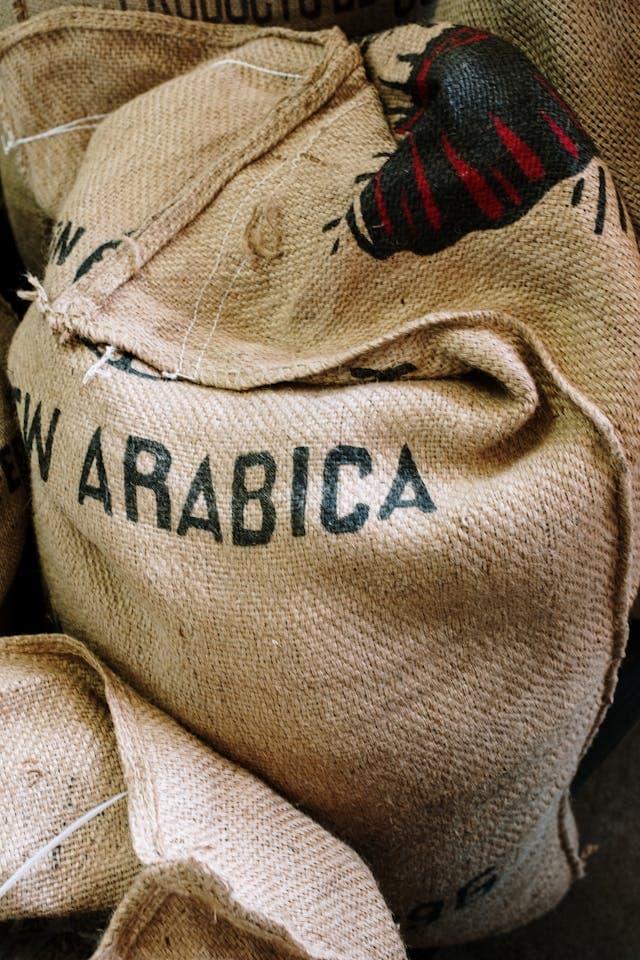
Il caffè Arabica non sta semplicemente "performando bene." Si sta espandendo in modi che attirano l'attenzione di acquirenti e fornitori. Puoi quantificarlo nei numeri, ma puoi anche percepirlo nel modo in cui il commercio opera oggi. I prezzi si traducono più rapidamente. I contratti durano più a lungo. Tutti desiderano una fonte stabile. Essenzialmente, l'Arabica è diventata la valuta accettata del commercio del caffè, e ciò sta cambiando il modo in cui gli accordi vengono siglati oltre confine.
Nel 2025, il mercato globale del caffè si attesta intorno a 256,3 miliardi di USD, per poi continuare la sua crescita costante verso circa 381,5 miliardi di USD entro il 2034, seguendo un CAGR del 4,5%. Con questo ritmo, il 2026 è previsto raggiungere circa 267,8 miliardi di USD.
Avvicinandoci al tema, il segmento del caffè Arabica continua a superare le aspettative. Dataintelo stima che il mercato dell'Arabica crescerà fino a 53,6 miliardi di USD entro il 2032 con un CAGR di circa 5,5%. Questo significa semplicemente che la domanda di chicchi di Arabica di alta qualità e tracciabili sta aumentando a un ritmo più veloce di quanto l'offerta possa mantenere. Per gli acquirenti di caffè e i grossisti, ciò significa grosso modo un campo di gioco più ampio con più mercato da conquistare, ma con più concorrenza da affrontare.
Segmentazione del mercato
Più lo si esamina da vicino, il commercio dell'Arabica si divide lungo linee precise:
- Origine (Brasile, Colombia, Etiopia, Guatemala, Kenya)
- Grado (specialty vs. commerciale)
- Formato (chicchi verdi, tostato, istantaneo, miscele)
- Utilizzo finale (vendita al dettaglio, caffetterie, ospitalità, servizio di ristorazione)
- Distribuzione (commercio diretto, cooperative, piattaforme di sourcing online)
La tostatura di qualità dell'Arabica riservata alle caffetterie boutique e ai marchi di vendita al dettaglio di alta gamma genera i margini più alti. Al contrario, il commercio di chicchi verdi continua a essere il pilastro dei grandi acquirenti e distributori. In qualche modo, più il mondo abbraccia i suoi pour-over e flat white, più questi due segmenti si legano strettamente. Gli acquirenti all'ingrosso che cercano volume necessitano di flussi costanti di chicchi verdi, e i torrefattori premium utilizzano gli stessi canali per trovare lotti tracciabili e consistenti.
Approfondimenti regionali: principali produttori, importatori ed esportatori
La mappa dell'offerta di Arabica non è cambiata significativamente, ma le dinamiche al suo interno sì. Il Brasile rimane supremo, producendo circa 40% di tutta l'Arabica mondiale. Colombia, Etiopia e i paesi dell'America Centrale, tuttavia, sono ancora in crescita, soprattutto per i chicchi di alta qualità.
La Colombia, ad esempio, ha raccolto quasi 13,2 milioni di sacchi negli ultimi anni. Allo stesso tempo, le esportazioni etiopi stanno guadagnando favore tra gli acquirenti di specialità grazie alla reputazione della nazione per profili di sapore complessi.
Nel commercio internazionale, l'International Coffee Organization (ICO) ha riferito che le spedizioni di Arabica nel periodo di dodici mesi fino a giugno 2025 sono state circa 85,66 milioni di sacchi, leggermente più che nel ciclo precedente. Europa e Nord America continuano ad essere grandi importatori, ma l'espansione in Asia è impossibile da ignorare, soprattutto in Cina e Corea del Sud, dove la cultura dei caffè di lusso ha preso il volo con facilità.
Per gli acquirenti di caffè, ciò significa una cosa: la competizione per lotti di alta qualità continuerà a intensificarsi. Coloro che stabiliscono ora relazioni dirette e affidabili di approvvigionamento avranno potere negoziale in seguito, quando il mercato cambierà di nuovo.
Approfondimenti sulla catena di approvvigionamento e sul commercio
- Il clima detta le regole prima dei contratti. Le irregolarità delle piogge nelle principali aree di coltivazione del Brasile mantengono gli inventari scarsi, quindi i prezzi dell'Arabica reagiscono rapidamente, e gli acquirenti si preparano al 2026 con mappe meteorologiche aperte e il rischio di approvvigionamento in mente piuttosto che con ipotesi consolidate.
- La volatilità dell'offerta potrebbe sostenere i prezzi. Gli analisti notano che le risposte lente agli shock dell'offerta, le piantagioni invecchiate e i rischi di produzione potrebbero mantenere i prezzi dell'Arabica elevati o sostenuti per tutto il 2026, piuttosto che lasciarli calare rapidamente.
- Le vecchie decisioni politiche influenzano ancora gli scaffali di oggi. I cicli contrattuali e gli inventari acquistati sotto le precedenti norme tariffarie statunitensi continuano a filtrare nel sistema, quindi il sollievo sui prezzi è lento, e le strategie di approvvigionamento nel 2026 rimangono prudenti piuttosto che opportunistiche.
- La produzione è irregolare. La produzione di Arabica in Brasile ha registrato calo significativi nei cicli recenti a causa di modelli meteorologici irregolari, che restringono i volumi esportabili, mentre alcune previsioni indicano una possibile ripresa nei cicli futuri con il miglioramento delle condizioni.
- Le tendenze globali dell'offerta influenzano le scelte di inventario. I rapporti prevedono un modesto aumento complessivo della produzione nel 2026, ma il sistema rimane sensibile agli shock, il che significa che gli acquirenti e i torrefattori potrebbero mantenere più scorte di sicurezza o contrattare per consegne flessibili.
- Tracciabilità e sostenibilità modellano i flussi commerciali. Nei mercati, crescono le richieste di trasparenza sull'origine e report ambientali, aggiungendo livelli alla certificazione, alla pianificazione logistica e alla documentazione di esportazione per il caffè Arabica nel 2026.
Cambiamenti e sviluppi attuali nel mercato del caffè Arabica
Di seguito sono riportati alcuni sviluppi nel settore Arabica che un acquirente o fornitore dovrebbe seguire.
- Stanno aumentando le vetrine digitali e tecnologiche. Il caffè, insieme ad altri settori della ristorazione, sta guadagnando visibilità in esposizioni globali come SIGEP World 2026, dove strumenti digitali e nuove attrezzature sono evidenziati come fattori chiave di crescita.
- Gli eventi dal vivo del settore espandono i legami commerciali. World of Coffee Dubai 2026 è previsto per gennaio, attirando coltivatori, esportatori, torrefattori e marchi, il che spesso porta a nuove collaborazioni di fornitura e opportunità di esportazione.
- Le discussioni sui rischi di fornitura influenzano l'innovazione. Le persistenti preoccupazioni per la siccità e il clima variabile hanno spinto acquirenti e produttori a esplorare strategie di approvvigionamento e produzione più resilienti per mantenere attiva la catena Arabica.
- I cambiamenti regionali di fornitura modellano il focus sulla qualità. La forte raccolta recente della Colombia è accompagnata da previsioni di contrazione, spingendo i commercianti a perfezionare l'approvvigionamento di qualità e a bilanciare gli inventari in modo più accurato.
- I modelli di prezzo innescano modifiche operative. I futures Arabica rimangono sensibili alle notizie su raccolti e clima, e questa azione sui prezzi porta gli acquirenti a regolare contratti, stoccaggio e strategie di copertura anticipata fino al 2026.
- Gli eventi culturali locali sul caffè aumentano l'interesse per l'esportazione. La seconda edizione dell'International Coffee Festival in India evidenzia l'espansione dei mercati domestici e può stimolare nuove idee di commercio regionale e di prodotto.
Comportamento dei consumatori e tendenze chiave
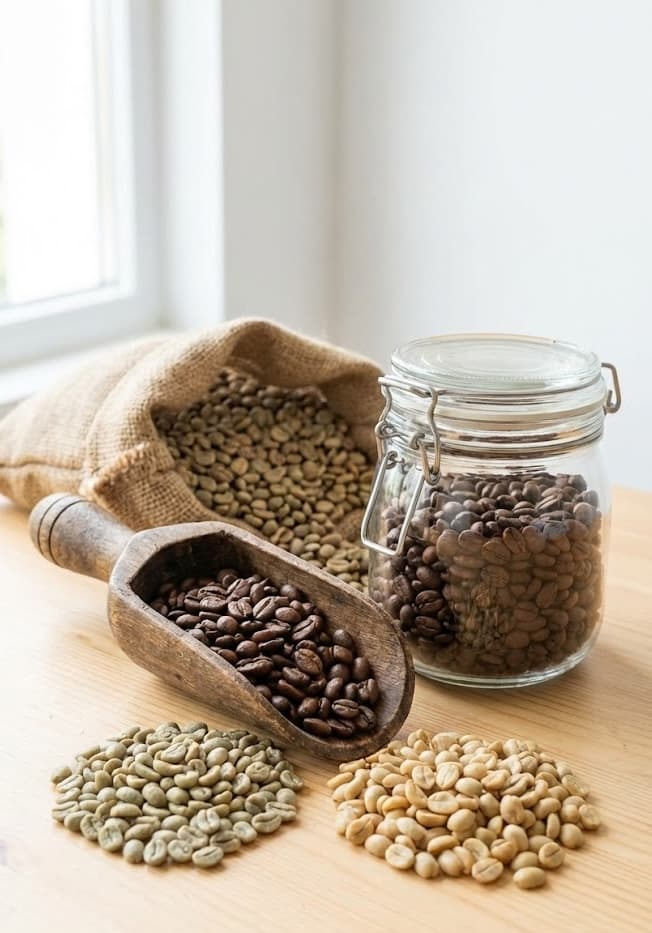
Per avere un'idea di dove sta andando il mercato dell'Arabica, basta osservare come i consumatori acquistano e preparano il caffè. Le preferenze sono cambiate, le pratiche sono cambiate, e i modelli di domanda ora rivelano più sulla narrativa generale di qualsiasi grafico dei prezzi.
Premiumizzazione del Consumo di Caffè
Si preoccupano di più di ciò che mettono nella loro tazza. Desiderano un sapore più pulito, chicchi tracciabili e qualcosa di personale. In qualche modo, l'Arabica è diventato lo standard per tutto ciò. Per gli acquirenti, significa che la storia è importante quanto la qualità. Un sacchetto di chicchi non è più semplicemente un prodotto ma un pezzo di cultura, processo e origine, combinati.
Crescita dei Canali Fuori Casa e Specializzati
I produttori specializzati e le caffetterie stanno prosperando di nuovo, insieme ai bar. Le attrezzature domestiche hanno accelerato nel periodo 2020–2023, ma i bar hanno rubato di nuovo la scena. Il mercato del caffè fuori casa di oggi è stimato intorno a US $376,7 miliardi, mentre il consumo domestico ammonta a US $96,45 miliardi, secondo GourmetPro. Chiaramente, è lì che si trova la maggior parte dell'Arabica premium.
Sostenibilità, Tracciabilità & Approvvigionamento Etico
I clienti ora pongono domande più difficili come dove è stato coltivato, chi lo ha toccato, il commercio era equo? Le certificazioni non sono una scelta; sono uno standard. Essenzialmente, i fornitori con tracciabilità e approvvigionamento equo per supportarsi vincono più clienti a lungo termine. I rivenditori hanno bisogno di forniture con una narrativa responsabile, e l'Arabica, con il suo status premium, si trova al centro di quella trasformazione.
Diversificazione delle Origini & Formati
Nessuno desidera più dipendere da una sola regione. I problemi climatici del Brasile hanno insegnato a tutti la vulnerabilità della catena. Pertanto, gli acquirenti stanno mescolando origini con America Centrale, Africa Orientale, persino Asia, e sperimentando con micro-lotti o Arabica biologico. Non si tratta solo di novità; è anche un modo per diversificare il rischio e creare un portafoglio più agile e resistente alle future recessioni.
Opportunità e prospettive future
Il commercio di Arabica sta cambiando rapidamente, e con esso c'è spazio per crescere per chi sa dove guardare. Chi riesce ad anticipare i segnali in anticipo sarà avanti, non limitandosi a reagire al prossimo movimento dei prezzi. Ecco dove si stanno sviluppando le opportunità più realistiche.
Margini Premium e Leva sulla Qualità
Arabica rimane dove ci sono i guadagni. Porta con sé storia, sapore e credibilità. In poche parole, se puoi offrire qualità costante (insieme alla certificazione), otterrai premi premium che i blend a basso costo possono solo sognare. Controllo di qualità doppio, consistenza nel cupping e approvvigionamento trasparente permetteranno ai grossisti di distinguersi quando tutti gli altri stanno lottando per contratti di fornitura.
Diversificazione delle Origini e Riduzione del Rischio
Dipendere troppo da Brasile o Colombia ora è rischioso. Siccità, esportazioni ritardate e politiche locali possono invertire i prezzi da un giorno all'altro. Quindi, le persone si stanno rivolgendo ad altre fonti come Etiopia, Honduras, Uganda, Arabica delle alture del Vietnam. In qualche modo, le origini più piccole stanno decollando rapidamente. Chi stabilisce relazioni precoci lì godrà sia della manovrabilità dei prezzi sia del potere narrativo nel tempo.
Prodotti a Valore Aggiunto e Opzioni Personalizzate
Non si tratta più solo di vendere "chicchi verdi". I clienti oggi vogliono microlotti tracciabili, tostatura a marchio privato, imballaggi ecologici o certificati elettronici di origine. Queste piccole cose fanno una differenza enorme nella chiusura degli accordi. I servizi a valore aggiunto aiutano sostanzialmente i grossisti a fare il salto da trader a partner, ed è ciò che porta continuamente contratti a lungo termine.
Creare Resilienza nella Catena di Fornitura
Il futuro di Arabica dipende da chi può rimanere solido quando il mercato trema. Investimenti in stoccaggio, relazioni a lungo termine con gli agricoltori e contratti a termine non sono più opzionali. Sono l'unico metodo per rimanere nel gioco. Alcuni distributori stanno persino sperimentando modelli logistici condivisi. Apparentemente, chi mantiene il flusso stabile vince, anche se la fornitura globale fluttua.
Sostenibilità come Motore Principale del Business
Le catene di caffè e i rivenditori desiderano una fornitura responsabile. Fair-trade, Rainforest Alliance e certificati biologici non sono loghi ma fattori di fiducia. E le persone sono felici di pagare un piccolo premio per quella fiducia. I fornitori che integrano la sostenibilità in ogni fase del commercio (dal trasporto alla fattoria) non stanno semplicemente seguendo una moda; stanno guadagnando lealtà in un mercato instabile.
I fornitori di caffè Arabica più apprezzati di Torg
1. GRANCHELLI ALIMENTAÇÃO – Brasile
Con sede in Brasile, la specialità di Café Granchelli risiede nell'esportazione di caffè 100% Arabica, raffinato e costantemente affidabile. Esportano Icatu Amarelo, Ouro Verde, Obatã, Mundo Novo e altri caffè speciali. Camminano sul filo tra tradizione e precisione per creare profili di sapore conformi agli standard mondiali senza mai sacrificare quel carattere brasiliano ben equilibrato, ricco e inconfondibilmente morbido.
2. GALANTE COLD BREW – Colombia
Galante Colombian Coffee non vende solo chicchi di caffè. Imbottigliano arte. Dal 100% Arabica colombiano alla lenta estrazione a freddo, si sono assicurati di padroneggiare l'arte della preparazione. La loro linea, come Sparkling Cold Brew e Coffee Cherry Tea, è la prova che innovazione e autenticità possono effettivamente andare di pari passo. È caffè professionale per persone che vogliono qualità ma che amano ancora un tocco di novità.
3. FAHEM GENERAL TRADING PLC – Etiopia
Fahem General Trading PLC opera in un affascinante crocevia tra esportazione di caffè e agricoltura. Famosi per l'Arabica etiope di grado A, sintetizzano coltivazione tradizionale con lavorazione adattabile per vari mercati. In qualche modo, riescono a rendere ogni lotto identico in consistenza, aroma e pulizia. Per i clienti che cercano Arabica tracciabile, coltivato ad alta quota ma con un tocco locale, Fahem è da tenere in considerazione.
Conclusione
Il mercato dell'Arabica è chiaramente in una nuova fase. È più veloce, più stretto e in qualche modo più personale. Per acquirenti, grossisti e distributori, questo non è solo un altro ciclo di prezzi alti e rese basse. È un cambiamento nel modo in cui il caffè viene valutato, commerciato e affidato. Non stai più semplicemente acquistando chicchi; stai curando storie, tracciabilità e qualità su cui i tuoi clienti possono contare. Coloro che comprendono l'armonia tra tempismo di mercato, apertura dei fornitori e aspettative dei consumatori saranno in una posizione vincente. L'Arabica sta diventando un gioco lungo dove la saggezza prevale sulla velocità. I giocatori più attenti stanno già assicurandosi origini, creando relazioni robuste e utilizzando piattaforme B2B per rimanere avanti. Il mercato si sta trasformando rapidamente, ma il vero vantaggio appartiene a chi pianifica con maggiore saggezza.
Richiedi preventivo per ordine all'ingrosso
Ordine semplice, prezzi trasparenti, consegnato direttamente a casa tua