



The Global Potatoes Industry: From Soil to Supply Chain
Explore the global potato industry from farming to supply chain. Learn market trends, trade insights, and innovations driving growth in 2026.
200+ acheteurs font confiance à Torg pour l'approvisionnement







From the soil of small farms to factory plants and frozen shelves, potatoes just manage to link farmers, traders, and world buyers in a single long chain. The market may look simple on the outside, but if you follow where every shipment is headed, things become fairly complicated. Indeed prices still fluctuate, crops rot, logistics constrict, and yet prices continue to rise. For those in retail, wholesale, or sourcing, potatoes aren't merely another commodity; they're an indicator of how global food trade evolves. This article distills it down including the market trends, consumer shifts, recent developments, and where astute suppliers are at now.
The Potato Market Landscape
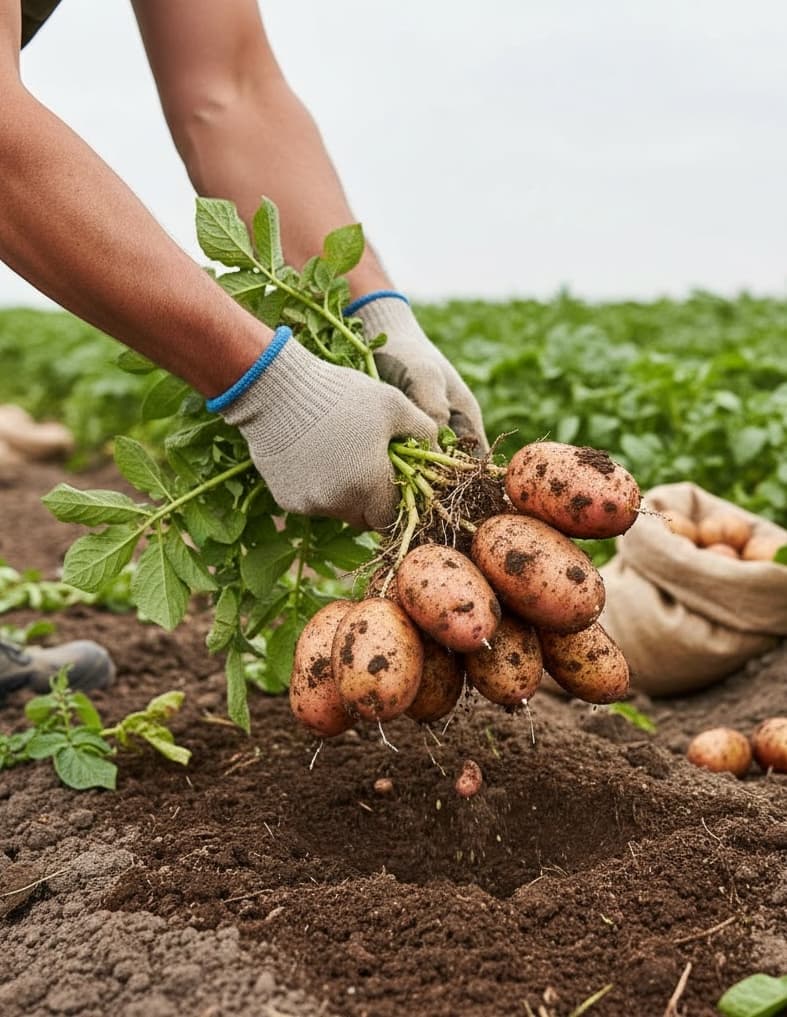
The potato market is one of those sectors that humbly keeps the world nourished and trade wheels rolling as potatoes remain one of the most dependable food crops, even as the market shifts around them. Valued at roughly USD 120 billion in 2025, the category is expected to rise to about USD 124.46 billion in 2026 and approach USD 149.38 billion by 2031, growing at a 3.72% CAGR.
What’s driving that growth is scale, not hype. Frozen processing demand keeps climbing, quick-service chains keep expanding, and growers adopt climate-smart practices to protect yields. At the same time, weather risk and regulatory pressure continue to stir price movement, keeping the market active rather than static.
Market Segmentation
Here’s where things start to split. The potato market is layered as not everything that comes out of the ground ends up on a dinner plate.
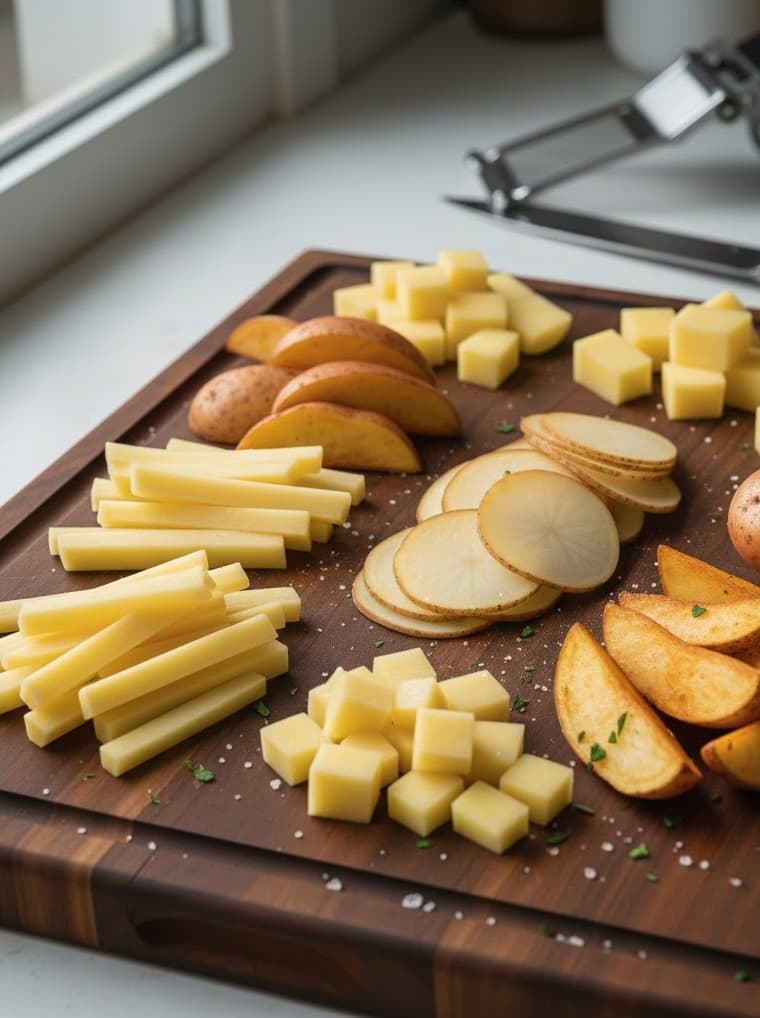
- By product form: you’ve got your fresh potatoes, frozen processed (fries, wedges), dehydrated products (flakes, granules), and industrial derivatives like potato starch or flour.
- By application: it varies from home food preparation and foodservice to snack production and industrial applications. Potato starch, for example, isn't only in food, but also in adhesives, paper, and textiles.
- By region: growth rates vary significantly. Western Europe remains stable, yet Asia-Pacific is accelerating, powered by population growth and rapidly increasing processed food consumption.
So what's the implication? For wholesalers and retailers, it's not good enough to say you're in the potato trade, you have to be specific about which slice of the market you are serving. Are you dealing with frozen exports? Fresh imports? Starch for industry? Each one has its own pricing rationale, shelf-life risk, and logistics challenge.
Regional Insights: Production, Trade, & Supply Chain
- Asia-Pacific
With 50.18% of global consumption in 2025, Asia-Pacific anchors demand. China’s 95.6 million-ton crop and India’s expanding processing capacity keep volumes moving, while McDonald’s China plans 10,000 outlets by 2028, reinforcing fries demand. Growth continues to hinge on cold storage, logistics, and aeroponic seed rollout, backed by Asian Development Bank programs. - Africa
Africa leads growth at a 5.08% CAGR through 2031. Nigeria raised yields 18% through irrigation, Kenya lifted certified seed use from 5% to 18%, boosting yields 22%, and South Africa aims to double frozen-fries output by 2026. Egypt’s Red Sea hubs attract processors, though infrastructure remains the key constraint. - Europe / Russia
Weather cut Russia’s 2024 harvest by 14.5% to 7.3 million tons, exposing climate risk. Future stability rests on regenerative practices and heat-tolerant potato varieties, shaped by evolving EU agricultural policies.
And then there's logistics, which remains uncertain. Freight prices are moving targets, and tariff movements can turn trade margins on their head overnight. Purchasers and distributors are beginning to tie up early commitments and diversify supply to sidestep shortages. Some are even experimenting with dual-region supply, one origin for stability and the other for agility. It makes sense.
Evidently, the potato market in 2026 feels somewhat like a balancing act. You’ve got stable demand, but rising operational risks. You’ve got price opportunities in processed formats, but tighter supply in raw crops. For most buyers, the strategy now is actually simple: plan ahead, watch your regions, and don’t rely on one single supplier. The market is constantly changing, quietly but clearly.
Recent Market Shifts & Innovations
Following are some on-time, real-life developments, exactly the sort of news purchasers and vendors need to monitor:
- Buying standards are tightening. More potato contracts now factor in how crops are grown, with buyers asking for clearer proof around land use, biodiversity protection, and traceable reporting rather than relying on price alone.
- Europe is working through excess supply. A strong harvest shifted the balance quickly, softening spot prices and sending surplus potatoes into feed, compost, and secondary channels instead of fresh or processing lines.
- Storage is becoming a competitive lever. Processors are adding frozen and cold-storage capacity ahead of 2026, giving them more room to manage timing, quality, and swings in demand without rushing product to market.
- Industry focus is moving offline, together. Early-January events like Potato Expo 2026 pulled the sector into one place, centering conversations on logistics, sustainability, and how to stay profitable under tighter margins.
- Sweet potatoes are changing trade flows. Rising European interest is pulling more volume from origins like Egypt, broadening export options and easing reliance on traditional potato varieties.
For buyers and suppliers, this means a few things: pay close attention to processing capacity increases (particularly in the emerging world), terms of contract for supply (since raw production is coming under pressure), and quality/regulatory standards (particularly in exports). And "fresh tubers only" is perhaps too specific since value-added (flakes, frozen, processed) is where a lot of activity is.
Shifting Demand: What's Driving Growth
Things move markets for a reason. Sometimes it's trends. Sometimes it's social, environmental, or simply practical pressure. The potato market is experiencing all that at the same time. You can actually see how trends, supply, and trade have altered the way people produce, process, and consume potatoes.
Convenience Food Explosion
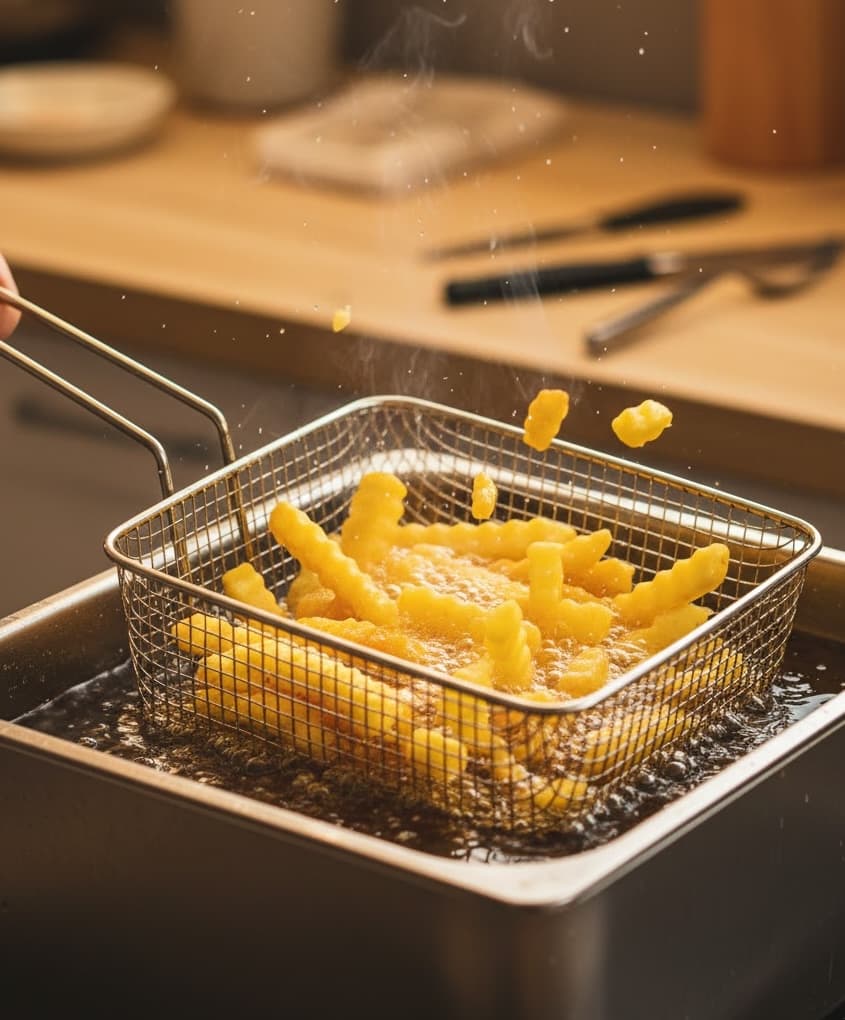
Individuals don't actually have much time these days. Everyone demands something instant, meaning ready, trustworthy, and simple to store. And that's the reason frozen fries, potato wedges, and even instant mashed flakes are silently taking over shelves. The processed potato market, as reported by industry analysts, is poised to reach USD 47.7 billion by 2034, led primarily by quick-service food and export-ready snack foods.
It's the eyes of the buyers that witness this firsthand, as processed formats travel quicker, last longer, and provide better margin than raw tubers that deteriorate too quickly. Distributors don't get paid for selling more potatoes, it's getting the right kind sold. In some way, fries are becoming as vital in commerce as grains used to be.
Health, Variety, and Clean-Label Focus
Customers, particularly in mature markets, are very picky. They read packages. They care whether a product is baked rather than fried, or whether it's organic. Some even seek out traceable-origin potatoes or gluten-free potato flour for health-conscious choices.
Health-led products and clean ingredients are not the niche anymore, but the norm. In short, the push for transparency is compelling suppliers to reconsider the way they plant and harvest their crops. As a wholesaler, tagging something as "locally sourced" or "non-GMO" is no longer a marketing label, but an invitation to top prices.
Globalisation of Taste & Export Growth
You must have observed that fries are ubiquitous these days. In Indian small towns to African city cafés, Western-style potato snacks are making rapid strides. Why? Simply because fast-food companies and snacking cultures have globalised.
As reported by The Times of India, India's processed potato exports jumped 450% to Southeast Asia in the recent year. That represents a transformation that illustrates how emerging regions are not only consuming, but also exporting.
Therefore, for distributors, this counts significantly. Exterior markets such as Asia and Africa are becoming growth poles, while Europe and North America remain forerunners in innovation and technology. The gist is being integrated with both, production and demand diversification is occurring, and trade flows are no longer one-way.
Industrial & Non-Food Applications
This particular use tends to go unnoticed. Potatoes are no longer just for eating. Derivatives such as starch, flour, and granules are now being utilized in adhesives, packaging materials, fabrics, and even biodegradable plastics.
Essentially, the potato has become a low-key industrial player. When bioplastics and paper substitutes began trending, potato starch became its new limelight. To consumers, this creates totally new channels for trade, not only for foodservice, but manufacturing as well. A bit of a shocker, but it's moving quickly.
Those who recognize this double demand (food and not food) can put themselves at the forefront, dealing with grocery customers and industrial purchasers alike.
Sustainability & Supply-Chain Transparency
Procuring today is like tiptoeing on eggshells. All buyers demand evidence, where did it come from, who produced it, what protocols were used? Potatoes, being such a large agricultural produce, are now subject to that same level of scrutiny.
Consider Europe, for instance. Le Monde covered a leading fry manufacturer under the microscope for environmental and labor practices. It was an awakening. Buyers asked more questions, and requests for certification began to increase.
For distributors, it is simple: confirm before shipping. Traceability systems, suppliers that are ESG compliant, and QR codes for tracking at the farm level are becoming the norm. It's no longer about image; it's about risk mitigation.
Essentially, the era of "trusting the shipment" is coming to an end. Wholesalers and retailers are all being held responsible for the upstream segment of the chain. So, if you consider it, sustainability isn't a moral to-do list. It's a form of insurance against negative publicity, contract failures, or snapped supply lines.
Top International Potato Suppliers on Torg
1. YANTAI NEW-SPRING TRADING CO., LTD. – China
Yantai New-Spring Trading Co., Ltd. essentially controls the market for frozen vegetables and processed potatoes in China. They have established a strong reputation selling IQF potatoes (roasted, fried, or fresh) to several areas. In some way, they have found a middle ground between scale and quality, providing dependable cold-chain solutions that come up to global buyer expectations.
2. UWC FOODS PRIVATE LIMITED – India
UWC Foods is one of those companies that go quietly about dominating their niche. They do dehydrated potato and onion products such as flakes, powders, slices, you get the point. Flexible order sizes and reliable supply are possible thanks to their arrangement in India, which is a big plus for distributors. Clearly, flavor and shelf life are maintained through their processing techniques.
3. IDAHO NATURAL AND ORGANIC FOODS, LLC – USA
Idaho Natural and Organic Foods simply keeps it straightforward: organic, clean, and ready to export. Headquartered in the middle of U.S. potato country, they provide fries, sweet potato slices, and vegan starters. Their non-GMO range is in line with today's sustainability and transparency agendas, making them a top choice among responsible global shoppers.
Final Thoughts
The potato business, in some way, is an old tale retold anew. Growth isn't anything extreme, but it's consistent, and that very much counts. Buyers and sellers who conform to lower margins, cleaner origins, and wiser logistics are the ones who are keeping up. Essentially, value now resides in the details: processing, traceability, and relationships that truly work. The market continues to move, quietly but steadily, as people increasingly demand processed and sustainable products. Clearly, those who think ahead of harvest time will be the winners. So, if you are in this business, don't look at the soil, the real opportunities lie in how you transport it.
Demander un devis de commande en vrac
Commande simple, tarification transparente, livrée directement à votre porte