



Marché du lait sans lactose : demande croissante pour une digestion facile
Le marché du lait sans lactose se développe à mesure que la demande de produits laitiers faciles à digérer augmente. Découvrez les tendances de croissance, les moteurs de consommation et les perspectives d'approvisionnement mondial.
200+ acheteurs font confiance à Torg pour l'approvisionnement







Le lait sans lactose n'est plus seulement un produit spécialisé. C'est désormais une demande mondiale, en particulier avec la population de consommateurs intolérants au lactose qui ne cesse d'augmenter. Ensuite, il y a aussi ceux qui préfèrent simplement le lait sans lactose. Cela entraîne essentiellement des volumes récurrents, et sous les yeux attentifs des acheteurs, fournisseurs et détaillants, ils ont immédiatement pris note. Les consommateurs se tournaient fréquemment vers des produits laitiers qui semblaient plus légers et plus faciles à digérer, et une fois qu'ils trouvaient le produit parfait répondant à leurs besoins, ils ne revenaient jamais en arrière. Ce type de dynamique renforce les marges et réduit les risques liés aux stocks.
Alors, d'où vient la demande, et qu'est-ce qui rend certains fournisseurs plus fiables que d'autres ? Dans les sections suivantes, nous examinerons la croissance du marché, les opportunités d'approvisionnement et l'évaluation des fournisseurs pour les marques de distributeur ou la distribution en gros.
Surveiller la croissance et le commerce pour répondre à la demande mondiale
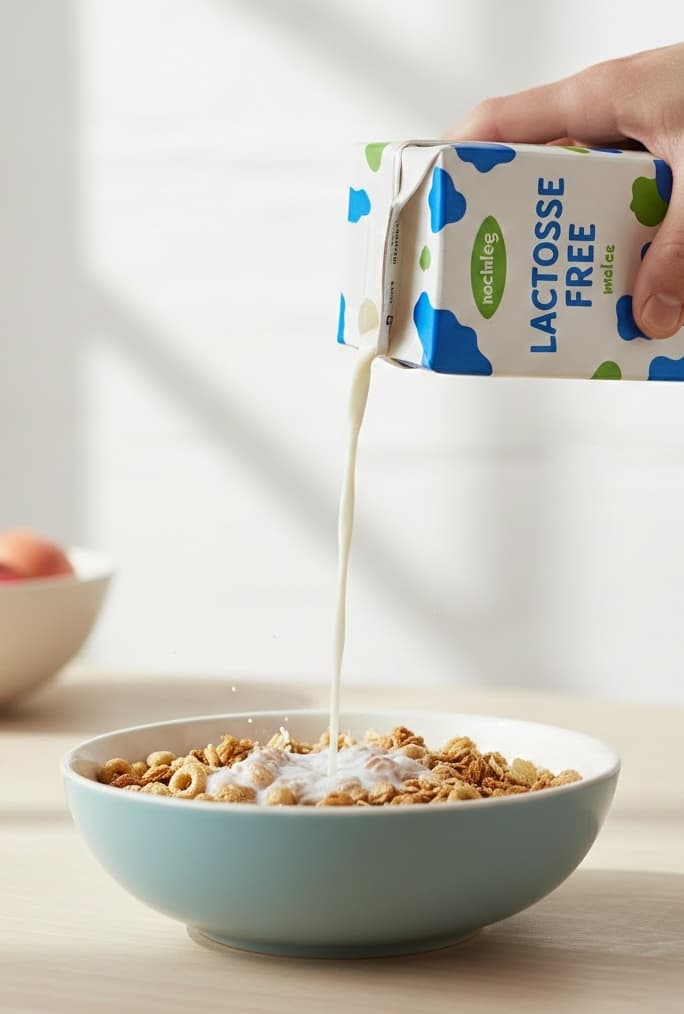
Certaines catégories évoluent lentement, mais le lait sans lactose ne semble pas vouloir attendre. La sensibilisation à l'intolérance au lactose stimule la demande. Les consommateurs recherchent des produits laitiers faciles à digérer tout en conservant le goût du lait. Cela modifie les décisions d'achat, les prévisions, et plus important encore pour le grossiste, ce qui finit dans les contrats de distribution à long terme.
Les détaillants et les distributeurs ne "testent" plus le lait sans lactose. Ils le stockent avec intention.
Le marché a atteint 13,80 milliards USD en 2026 et est en passe d'atteindre 21,64 milliards USD d'ici 2031, avec une croissance de 9,41 % CAGR. Une partie de l'histoire est liée à la biologie, puisque l'intolérance au lactose touche plus de personnes qu'on ne le pense. Cependant, la technologie joue également un rôle discret. Le traitement amélioré de la β-galactosidase a réduit l'écart de goût, permettant au lait de se verser, sentir et se consommer comme le lait ordinaire. Ce changement est crucial. Lorsque le goût cesse d'être un compromis, les habitudes évoluent. Les consommateurs n'ont plus l'impression de "se contenter", et une fois cette barrière franchie, l'adoption devient durable.
Segmentation du marché
Le lait sans lactose ne se limite pas à un seul SKU. Il se divise en formats adaptés à différents canaux :
Types de produits
- lait entier sans lactose
- écrémé / faible en matières grasses
- aromatisé (vanille, chocolat, mélanges pour barista)
- lait biologique sans lactose
Distribution
- supermarchés & hypermarchés
- cafés / restauration
- magasins de proximité
- plateformes de vente en ligne
Secteurs d'utilisation finale
- commerce de détail (produits ménagers)
- fabrication F&B (produits prêts à boire, smoothies, boissons RTD)
- nutrition spécialisée (formule infantile, hôpitaux, soins aux personnes âgées)
Les acheteurs apprécient la segmentation car elle offre de la flexibilité. Un détaillant peut proposer du lait UHT longue conservation pour les zones éloignées et du lait frais pour les magasins alimentaires à haute fréquence. Un distributeur peut fournir du lait sans lactose de qualité barista pour les cafés.
Aperçus régionaux – Production, Commerce et Demande
Les clusters de production de lait sans lactose où l'infrastructure laitière est solide — pensez aux bassins laitiers matures, à la logistique d'exportation et aux transformateurs capables de réaliser des étapes d'enzyme ou de filtration à grande échelle. En gros, là où le lait standard circule, les lignes sans lactose peuvent s'ajouter.
Principaux hubs de production et d'exportation (et pourquoi ils comptent) :
- États-Unis — Les données de vente au détail montrent que les marques sans lactose et réduites en lactose (Fairlife, Lactaid) se développent rapidement, ce qui, en fait, attire davantage de capacité de transformation dans cette catégorie et influence les exportations de produits laitiers à valeur ajoutée. Axios a même rapporté une croissance à deux chiffres (~14% en glissement annuel) pour le lait sans lactose/réduit en lactose l'année dernière, signalant une demande soutenue pour des produits laitiers premium et faciles à digérer.
- Allemagne — Le plus grand producteur de lait de consommation de l'UE, avec des réseaux coopératifs solides et une forte utilisation, ce qui en fait une plateforme naturelle pour les SKU sans lactose destinés à l'intra-UE et aux exportations proches. Eurostat confirme que l'Allemagne a dominé la production de lait de consommation de l'UE ces dernières années.
- Pays-Bas — Une puissance exportatrice avec des procédés avancés et une proximité des principaux ports. Les produits laitiers néerlandais maintiennent une part notable du commerce mondial ; ZuivelNL et OEC montrent tous deux que les Pays-Bas figurent parmi les principaux exportateurs de lait.
- Nouvelle-Zélande — Logistique d'exportation de classe mondiale et échelle ; les transformateurs peuvent produire des lignes UHT et spécialisées qui se transportent bien. Le post de l'USDA à Wellington note que les exportations de produits laitiers néo-zélandais ont augmenté avec la Chine comme client clé.
Conclusion : les États-Unis et l'Europe dominent le développement de produits (y compris le lait sans lactose premium et adapté aux baristas), tandis que la Nouvelle-Zélande et les Pays-Bas restent très efficaces pour déplacer les produits laitiers finis à travers les frontières. Ce mélange, manifestement, maintient le pipeline stable pour les marchés dépendants des importations.
Marchés d'importation à la croissance la plus rapide (ce que les acheteurs observent sur le terrain) :
- Chine — Toujours un grand acheteur de produits laitiers, bien que les importations de lait liquide fluctuent avec la capacité locale de production UHT. Le rapport de l'USDA à Pékin indique que la Chine « importe principalement du lait UHT », avec des dynamiques 2024–2025 liées à une production locale accrue et une consommation stable. Pour les formats sans lactose, les lignes longue conservation restent attractives pour l'approvisionnement transfrontalier.
- Philippines — Marché laitier fortement dépendant des importations ; les données gouvernementales montrent que le pays source la grande majorité de ses produits laitiers à l'étranger. Cette réalité, en fait, soutient les placements de produits UHT sans lactose pour le commerce de détail et de proximité national.
- Indonésie — La demande augmente ; l'USDA à Jakarta note des importations plus fortes de SMP et de lactosérum en 2024 et pourrait monter en puissance jusqu'à aujourd'hui. Les signaux politiques (par exemple, le programme national de repas gratuits) indiquent une utilisation accrue des produits laitiers au fil du temps, ce qui, d'une certaine manière, se répercutera probablement sur les formats sans lactose à mesure que les cafés et le commerce moderne se développent.
- Émirats arabes unis / GCC — La croissance démographique, le tourisme et la restauration stimulent les volumes de produits laitiers ; la région dépend des importations pour de nombreuses catégories tout en développant la transformation locale. Les analystes de marché prévoient une croissance régulière jusqu'en 2034, ce qui maintient les produits laitiers UHT et à valeur ajoutée — y compris sans lactose — à l'ordre du jour pour les acheteurs.
Pourquoi l'adoption est rapide en Asie-Pacifique :
L'intolérance au lactose est plus répandue en Asie de l'Est et du Sud-Est. Les références cliniques et génétiques décrivent des taux très élevés de non-persistance de la lactase — souvent 70–90% dans les populations d'Asie de l'Est — ce qui, en gros, signifie que les produits sans lactose répondent à un besoin existant plutôt que d'essayer d'en « créer » un.
Perspectives sur la chaîne d'approvisionnement et le commerce (2026)
La chaîne d'approvisionnement pour le lait sans lactose exige bien plus que simplement « le produire et l'expédier ». Les acheteurs et distributeurs se concentrent désormais sur la logistique, le format, la marge et la fiabilité des fournisseurs. Et oui, certains changements simples ont un impact significatif.
Formats à durée de conservation prolongée (UHT, cartons stables à température ambiante)
- De nombreux marchés cibles n'ont pas de chaînes du froid ultra-fiables, ou les coûts de transport sont élevés. Produire du lait sans lactose sous forme UHT ou en cartons stables à température ambiante permet aux grossistes d'expédier plus loin, de stocker plus longtemps et de réduire les risques de détérioration. En fait, une analyse note : « la majorité du lait sans lactose est actuellement produite sous forme de lait UHT et stockée à température ambiante dans les supermarchés pendant jusqu'à 3 mois. »
- De plus, un article récent dans Dairy Foods Magazine met en lumière comment les innovations dans le lait sans lactose + UHT facilitent une entrée plus large sur le marché.
- Pour les acheteurs : vérifiez si votre fournisseur propose à la fois des formats réfrigérés et ambiants. Dans certaines régions émergentes, le format ambiant est obligatoire.
Transformation régionale pour réduire les risques liés à l'expédition
- L'incertitude du commerce mondial, les coûts de transport élevés et les tarifs fluctuants signifient que les distributeurs préfèrent de plus en plus des centres de transformation régionaux. Cela implique de s'approvisionner auprès d'installations proches du marché cible, ou au moins auprès d'exportateurs spécialisés dans des formats optimisés pour l'expédition.
- Un récent rapport de marché indique qu'au cours de l'année écoulée, les entreprises renforcent leurs chaînes d'approvisionnement domestiques, acquièrent ou investissent dans des usines régionales pour gérer la production sans lactose et éviter les goulets d'étranglement liés à l'expédition.
- Cette approche réduit également le temps de mise sur le marché et offre un meilleur contrôle des délais, particulièrement important pour les acheteurs de marques propres et les commandes répétées.
Fabrication de marques propres pour améliorer les marges
- Les détaillants recherchent l'exclusivité, de meilleures marges et un changement plus rapide des références. Ainsi, beaucoup se tournent vers des options de lait sans lactose sous marques de magasin ou accords de marques propres.
- Et cela signifie que les fournisseurs doivent offrir une fabrication flexible, des tailles de lots plus petites, plusieurs formats et des délais plus rapides. Si vous êtes un acheteur ou un distributeur : demandez les quantités minimales de commande, les options de personnalisation et les délais d'exécution.
La chaîne du froid reste importante, surtout pour les versions réfrigérées
- Oui, les formats ambiants réduisent certains risques, mais de nombreux formats premium restent réfrigérés (lait barista, lait sans lactose aromatisé, versions riches en protéines). Ceux-ci nécessitent une bonne infrastructure de chaîne du froid. Une étude sur le lait UHT sans lactose au Brésil souligne la complexité technique du traitement et du stockage.
- Par conséquent, les distributeurs doivent cartographier les risques liés à la chaîne du froid (temps de distribution, conditions d'entrepôt, fiabilité des réfrigérateurs locaux) s'ils s'approvisionnent en formats réfrigérés. L'érosion des marges ou la détérioration peuvent tuer l'accord.
Changement des habitudes de consommation à l'origine de la hausse
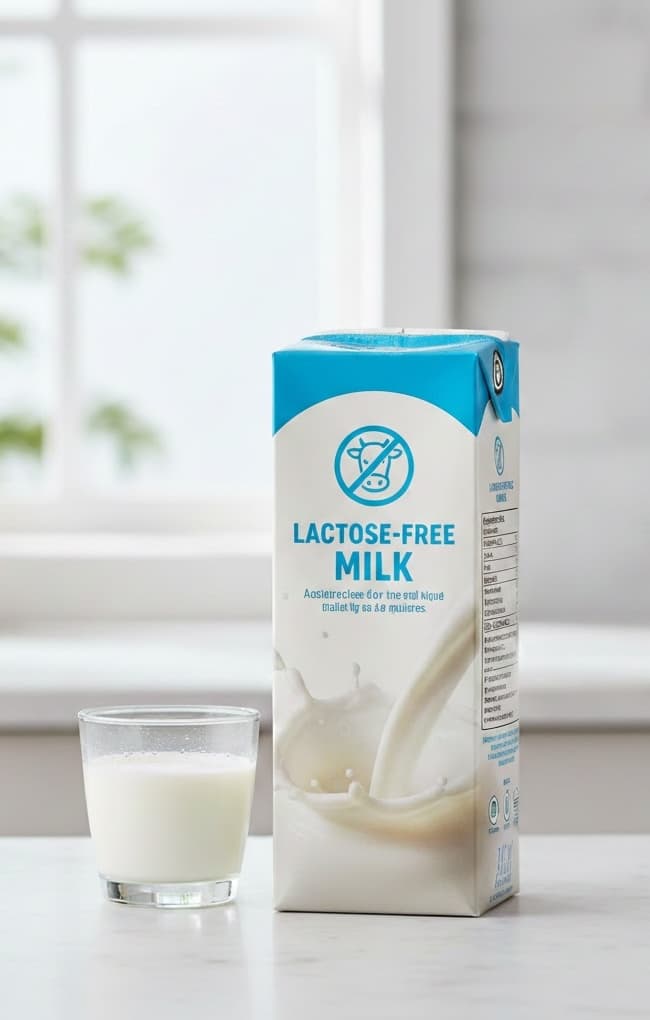
Les consommateurs sont devenus plus intentionnels avec les produits laitiers. Ils ne se contentent plus de prendre ce qui se trouve sur l'étagère ; ils comparent les étiquettes, observent comment ces produits les font se sentir et choisissent ce qui soutient la digestion et le confort quotidien.
Des décisions axées sur la santé plutôt que sur la fidélité à une marque
Ils changent souvent de marque car les clients achètent en fonction de la réaction de leur corps ces jours-ci, et non par habitude. Ils lisent désormais les listes d'ingrédients, vérifient les étiquettes pour des allégations digestives et privilégient les produits qui évitent l'inconfort. La plupart des sensibilités au lactose sont légères, donc beaucoup de personnes passent au lait sans lactose au lieu d'abandonner complètement les produits laitiers. Tout ce dont ils ont besoin, c'est de garder le même goût sans se sentir ballonnés.
Préférence pour les produits alimentaires "faciles à digérer"
Les consommateurs optent pour des aliments qui semblent plus légers. Le lait sans lactose correspond à cet état d'esprit, permettant aux gens de profiter des vrais produits laitiers sans problèmes de ventre. Contrairement au lait végétal, il conserve la texture familière, les protéines naturelles et une performance fiable pour cuisiner, faire mousser le café et la vapeur. Il se situe parfaitement au milieu : le goût traditionnel des produits laitiers avec un confort supplémentaire.
Transition du commerce de détail vers des aliments bien-être premium
Le lait sans lactose est placé sur des étagères premium et dans des refroidisseurs spécialisés car la catégorie fonctionne bien, même à des prix plus élevés. Les consommateurs ont montré qu'ils sont prêts à payer plus pour des produits liés au bien-être et au soutien digestif. La promesse "facile pour l'estomac" entraîne un roulement plus rapide, et les détaillants le considèrent comme un SKU essentiel plutôt qu'un produit de niche.
Le commerce électronique accélère les achats d'essai
Le lait sans lactose se vend rapidement en ligne car les consommateurs l'essaient une fois et, apparemment, restent fidèles. Les plateformes numériques facilitent les réapprovisionnements, et les options d'abonnement augmentent les achats répétés. La commodité joue un rôle énorme : cliquez une fois et faites-vous livrer sans chercher dans les rayons. Pour les distributeurs, la demande en ligne est un signal de fidélité forte au produit et de réapprovisionnements prévisibles.
Où se trouvent réellement les opportunités de croissance
La catégorie du lait sans lactose passe d'une « idée intéressante » à un moteur de revenus pratique. Les acheteurs qui agissent tôt peuvent obtenir de meilleurs prix, des SKU exclusifs et une priorité d'approvisionnement avant que la concurrence ne s'intensifie.
Partenariats en marque propre
Les détaillants veulent une marque qui leur appartient, pas seulement quelque chose à revendre. Le lait sans lactose en marque propre leur permet de rivaliser avec les grandes marques tout en protégeant leurs marges. Les acheteurs obtiennent un contrôle sur les prix, un délai de mise sur le marché plus rapide pour les nouveaux SKU, et plus de liberté pour tester des formats comme le lait barista ou les variantes aromatisées. En gros, la marque propre permet aux détaillants de développer la catégorie et de fidéliser les clients sans courir après les promotions des marques nationales.
Demande croissante dans la restauration
La restauration s'oriente vers le sans lactose car cela résout un problème sans modifier les menus. Cafés, bars à smoothies, chaînes de thé au lait, boulangeries, tous veulent cette option. Lorsqu'un produit fonctionne aussi bien pour les boissons chaudes que froides, il devient un « choix par défaut » facile. Pour les distributeurs, les commandes répétées se font naturellement. Moins de persuasion, plus de volume. Le canal de la restauration stimule discrètement une demande à long terme.
Expansion dans les marchés émergents
De nombreux marchés émergents ont des taux élevés d'intolérance au lactose et une culture croissante des cafés. Lorsque le lait sans lactose arrive en rayon, l'adoption est rapide car le besoin existe déjà. Les acheteurs qui entrent tôt obtiennent un meilleur accès aux distributeurs, tandis que les fournisseurs bénéficient d'une rotation rapide et de réassorts réguliers. La demande n'est pas basée sur une tendance mais plutôt sur un besoin physiologique. Cela rend la croissance plus prévisible et même évolutive.
Produits longue conservation pour l'export
Le lait sans lactose UHT et en poudre réduit le stress lié à la logistique de la chaîne du froid. Les exportateurs apprécient ces formats car ils voyagent plus loin et se conservent plus longtemps sans altérer la qualité. Les importateurs les aiment car les risques liés aux stocks diminuent. Lorsque les coûts de fret fluctuent, les SKU longue conservation offrent une marge de manœuvre. C'est un changement simple qui ouvre des régions avec une infrastructure de réfrigération limitée et une forte demande.
Variantes saisonnières et aromatisées
Les saveurs en édition limitée et les boissons saisonnières génèrent des marges plus élevées et encouragent les achats répétés. Les détaillants peuvent intégrer le lait sans lactose dans des tendances comme les shakes protéinés, les boissons des fêtes ou les boissons de style café. Les SKU saisonniers permettent également aux distributeurs de tester la demande sans engagements lourds. Ces articles « temporaires » deviennent souvent permanents car les ventes restent fortes, prouvant que les consommateurs sont prêts à payer pour des expériences premium.
Principaux fournisseurs de lait sans lactose sur Torg
1. LAIT BIOLOGIQUE – USA (Horizon Organic)
Au lieu de privilégier le volume, Horizon se concentre sur la qualité. Leur lait sans lactose provient de vaches élevées en pâturages, puis subit un traitement minimal pour préserver les nutriments. Les acheteurs apprécient Horizon car la marque bénéficie déjà d'une forte reconnaissance, ce qui réduit les efforts d'éducation ou de marketing. Lorsqu'un produit se vend sur la confiance, le placement devient plus facile et les cycles de réapprovisionnement sont généralement plus rapides.
2. LACTAVISA – Espagne
Lactavisa est conçu pour la fiabilité. Ils produisent du lait UHT et sans lactose avec une longue durée de conservation, ce qui simplifie la distribution — en particulier pour les marchés où la chaîne du froid n'est pas toujours idéale. Leur processus est efficace, cohérent et adapté à l'exportation. Les acheteurs choisissent Lactavisa lorsqu'ils ont besoin d'un approvisionnement prévisible et de formats standards qui s'intègrent directement dans le commerce de détail ou la restauration sans nécessiter de reformulation.
3. SANJEEVANI AGROFOODS PRIVATE LIMITED – Inde
Sanjeevani adopte une approche légèrement différente en opérant dans une optique d'agriculture biologique. Leur lait sans lactose provient d'un écosystème agricole qui produit également du ghee, du miel et des céréales. Pour les acheteurs, cela signifie qu'un seul fournisseur peut couvrir plusieurs catégories à étiquette propre. La valeur ne réside pas seulement dans le lait ; c'est la traçabilité et l'histoire qui l'accompagnent, ce qui aide les détaillants à instaurer la confiance en rayon.
Conclusion
La montée du lait sans lactose montre quelque chose de plus grand qu'une tendance. Lorsque les gens choisissent des produits qui leur conviennent mieux au quotidien, des chaînes d'approvisionnement entières se transforment. Les acheteurs et les distributeurs ne recherchent plus la nouveauté ; ils choisissent des articles qui se vendent rapidement et se répètent bien. Le lait sans lactose correspond à ce modèle. La catégorie combine confort, options de longue durée de conservation et fort potentiel de marque de distributeur. Il fonctionne dans les vitrines réfrigérées des magasins, les cafés et même les programmes d'exportation. La croissance découle de la praticité, pas du battage médiatique. Et lorsqu'un produit résout constamment un problème réel (la digestion), la demande reste généralement stable. L'opportunité est maintenant simple : sécurisez des fournisseurs fiables avant que tout le monde ne le fasse.
Demander un devis de commande en vrac
Commande simple, tarification transparente, livrée directement à votre porte