



El mercado de bebidas sin azúcar experimenta una rápida expansión hacia 2026
Descubra el mercado de bebidas sin azúcar de rápido crecimiento. Conozca las tendencias clave, información sobre la cadena de suministro y encuentre los principales proveedores listos para abastecimiento mayorista.
200+ compradores confían en Torg para el sourcing






Las bebidas sin azúcar están apareciendo en todas partes. Los compradores pueden verlo por sí mismos: más etiquetas de "cero azúcar", "sin azúcar añadido" y "menos azúcar" están apareciendo en las tiendas de varios mercados. La tendencia no es accidental. Está impulsada por consumidores que buscan bebidas más saludables sin sacrificar el sabor. Para quienes las venden, distribuidores y proveedores, la categoría es más que una moda pasajera. Es una oportunidad de negocio evidente con margen para crecer. Las marcas están reformulando, están apareciendo nuevos proveedores y las cadenas de suministro están avanzando rápidamente. En esencia, el mercado está en movimiento, y si compras bebidas, este es un espacio que no querrás perderte.
Dónde se encuentra el panorama de bebidas sin azúcar
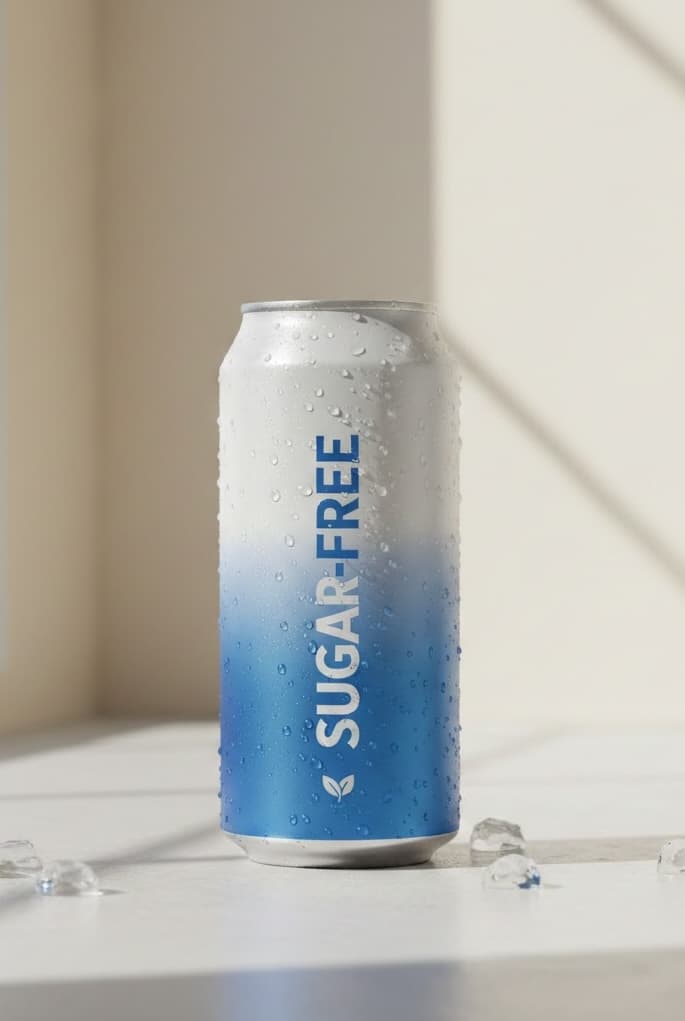
Las bebidas sin azúcar ya no son una opción secundaria en la estantería. El mercado alcanzó aproximadamente USD 20,41 mil millones en 2025 y se espera que aumente a cerca de USD 21,63 mil millones en 2026, con proyecciones que apuntan hacia USD 36,55 mil millones para 2035, creciendo a una CAGR del 6%. Lo que está detrás del cambio es la elección cotidiana. Más personas están reduciendo el consumo de azúcar sin renunciar al sabor, a menudo debido a preocupaciones de salud a largo plazo como el control de peso y el manejo de la glucosa en sangre. A medida que cambian los hábitos, las bebidas sin azúcar se acercan más al mercado principal en lugar de permanecer en un nicho.
Entonces, según cómo determines "sin azúcar" o "cero azúcar", y qué mercados/canales consideres, hay cierta variación. Pero claramente el crecimiento es fuerte. El punto principal para consumidores y distribuidores: la demanda está aumentando, y invertir en esta categoría hoy podría dar frutos en el futuro.
Segmentación del mercado
Así es como realmente se ve la segmentación en acción:
- Por tipo de producto: Las bebidas carbonatadas (refrescos) lideran dentro de las bebidas sin azúcar. Por ejemplo, la categoría de "refrescos" tuvo una participación significativa en 2025 en un informe. Pero otros tipos de productos también están en aumento, incluyendo bebidas energéticas, aguas saborizadas y bebidas sin gas reposicionadas para bajo/cero azúcar.
- Por canal de distribución: El comercio minorista tradicional (supermercados/hipermercados) sigue siendo importante. Pero el comercio minorista en línea / e-commerce ya está ganando terreno. Ejemplo: En un estudio sobre alimentos y bebidas sin azúcar, el segmento en línea tuvo la mayor participación de ingresos y se espera que continúe liderando.
Entonces, si eres un proveedor/distribuidor: piensa no solo en "qué producto" sino también en "dónde se vende".
Perspectivas regionales y dinámicas comerciales
Los ángulos regionales son muy importantes cuando se busca abastecimiento de bebidas sin azúcar, los flujos de exportación, los centros de producción y la regulación difieren. A continuación, se presenta un desglose de las regiones clave:
América del Norte
- El liderazgo en formulación y penetración de bebidas sin azúcar/cero azúcar pertenece a los EE.UU. The Coca‑Cola Company y PepsiCo, Inc. lideran en términos de volumen e innovación.
- Fuerte red minorista, alta conciencia sobre la salud (consumidores+compradores) y empuje regulatorio (etiquetado, impuestos al azúcar) confieren a la región una ventaja de mercado temprano.
- Como importador/exportador: EE.UU. exporta bebidas terminadas e importa ingredientes especializados o tecnología de reformulación. Además, la exportación de refrescos de EE.UU. contribuye significativamente — EE.UU. se encuentra entre los principales exportadores de la categoría de refrescos.
- Para ti como distribuidor/comprador: América del Norte te proporciona indicaciones de mercado desarrollado (costos de ingredientes, qué funciona, madurez del canal) y mercados de exportación.
Asia-Pacífico
- La región está expandiéndose rápidamente. Los mercados de China, India, Australia y el sudeste asiático están experimentando un aumento en los ingresos disponibles, cambios en el estilo de vida y un mayor consumo de bebidas. Por ejemplo, según un informe, Asia-Pacífico lideró el mercado de bebidas sin azúcar con ~37.95% de participación.
- Para los fabricantes: La mayoría de los fabricantes de bebidas están en Asia-Pacífico, y muchos están cambiando hacia bebidas sin azúcar/cero azúcar para satisfacer los mercados domésticos y de exportación.
- Tendencias de importación/exportación: Importar ingredientes (ingredientes de etiqueta limpia, edulcorantes naturales) y tecnología son tendencias de los mercados de Asia-Pacífico. Además, algunas naciones de Asia-Pacífico son países fabricantes para exportación.
- Para ti: Abastecerse en Asia-Pacífico podría ofrecer costos más bajos de ingredientes o fabricación, pero necesitarás manejar diferencias regulatorias, cumplimiento de exportación y logística.
Europa
- Europa está en un punto intermedio — establecida en regulación, entorno más costoso, pero también robusta en premiumización. Las afirmaciones de "sin azúcar"/"sin azúcar añadido" están expandiéndose aquí.
- Para el comercio: Los principales exportadores de refrescos de Europa son Alemania, Países Bajos, Austria. Según un ranking de exportaciones de refrescos, Alemania, Austria, Países Bajos, Tailandia, EE.UU. y Suiza fueron los mayores exportadores en 2024.
- El mercado europeo también tiene una regulación robusta, y los impuestos al azúcar y el etiquetado están afectando la reformulación.
- Para ti: Si envías a Europa (o importas a Europa), anticipa estándares más altos (afirmaciones de etiqueta, aprobación de edulcorantes, embalaje ambiental) y posiblemente mayores costos, pero canales minoristas robustos para productos premium sin azúcar.
Principales productores/importadores y exportadores
- Fabricantes: Para bebidas sin azúcar, las empresas dominantes siguen siendo Coca-Cola, PepsiCo, Nestlé, Carlsberg.
- Exportadores: Los principales exportadores mundiales de refrescos son Austria, Alemania, Países Bajos, Tailandia, EE.UU. y Suiza.
- Importadores: Aunque las estadísticas directamente relacionadas con bebidas sin azúcar son escasas, las estadísticas generales de exportación revelan que para envíos de exportación de clase "Sin Azúcar" los principales exportadores fueron Rusia, China y Alemania; los principales importadores fueron Rusia, Vietnam y Uzbekistán.
- En el caso de ingredientes: Las fuentes internacionales proporcionan edulcorantes naturales. Por ejemplo, mercados como Corea del Sur en la región Asia-Pacífico están invirtiendo en la fabricación de alulosa para bebidas sin azúcar.
Perspectivas de la cadena de suministro para 2025
Al adquirir bebidas sin azúcar, la cadena de suministro no es una idea secundaria, influye en el precio, el tiempo y si el producto llega a los estantes. Los distribuidores y proveedores que ven las partes móviles tienen la ventaja.
Reformulación y costos de ingredientes
- Cambiar de azúcar común o jarabe de maíz de alta fructosa (HFCS) a stevia, fruta del monje o alulosa es fácil en teoría, pero el costo real aparece rápidamente. En el segundo trimestre de 2025, el precio de la stevia en EE. UU. promedió alrededor de US $87,117 por tonelada métrica (≈ US $87/kg), en China alrededor de US $77,300/ton, y en Alemania alrededor de US $81,311/ton (IMARC).
- La alulosa es menos costosa en cantidad, pero no "económica". La compra en tamaño de contenedor promedia ~US $4.80/kg (Previsión de Icon Foods 2025). En el comercio minorista, un paquete pequeño de alulosa (aproximadamente 0.34 kg) cuesta US $15 frente a US $7 por libra de stevia, lo que ilustra cómo la selección de ingredientes altera los márgenes instantáneamente.
- El aumento en el costo de los ingredientes equivale a un mayor gasto en I+D, un ciclo de validación extendido y requiere un mayor volumen para diluir el costo. La reformulación es una decisión empresarial más que una modificación de receta.
Abastecimiento de ingredientes y presión por etiquetas limpias
- Cada vez más minoristas desean edulcorantes naturales y con etiquetas limpias. El valor del mercado de edulcorantes naturales es de US $37.45 mil millones en 2025 y alcanzará US $55.85 mil millones para 2030. La stevia por sí sola aumentará de US $1.47 mil millones en 2025 a US $2.5 mil millones para 2035.
- Eso implica que la trazabilidad de los ingredientes, la estabilidad de precios y la confiabilidad de los proveedores son tan cruciales como el sabor.
Empaque, logística y cambio de canal
- El empaque ligero, los materiales sostenibles y las corridas de lotes flexibles se están convirtiendo en la norma. Con más bebidas fluyendo a través del comercio electrónico, las reglas cambian en el cumplimiento, cantidades mínimas de pedido más pequeñas, ubicaciones alternativas de almacenes y más envíos directos al consumidor.
- La regulación también influye en las cadenas de suministro. Los impuestos al azúcar, las regulaciones de etiquetado y la aprobación de edulcorantes varían según la región. Los aranceles, las aprobaciones retrasadas y los cambios en el empaque pueden estar involucrados en la importación de bebidas terminadas o edulcorantes.
Versión corta: vender sin azúcar no equivale a éxito. Manejar la reformulación, el abastecimiento, la logística y el cumplimiento. Ahí es donde aparece el beneficio real.
Los impulsores del crecimiento del mercado de bebidas sin azúcar
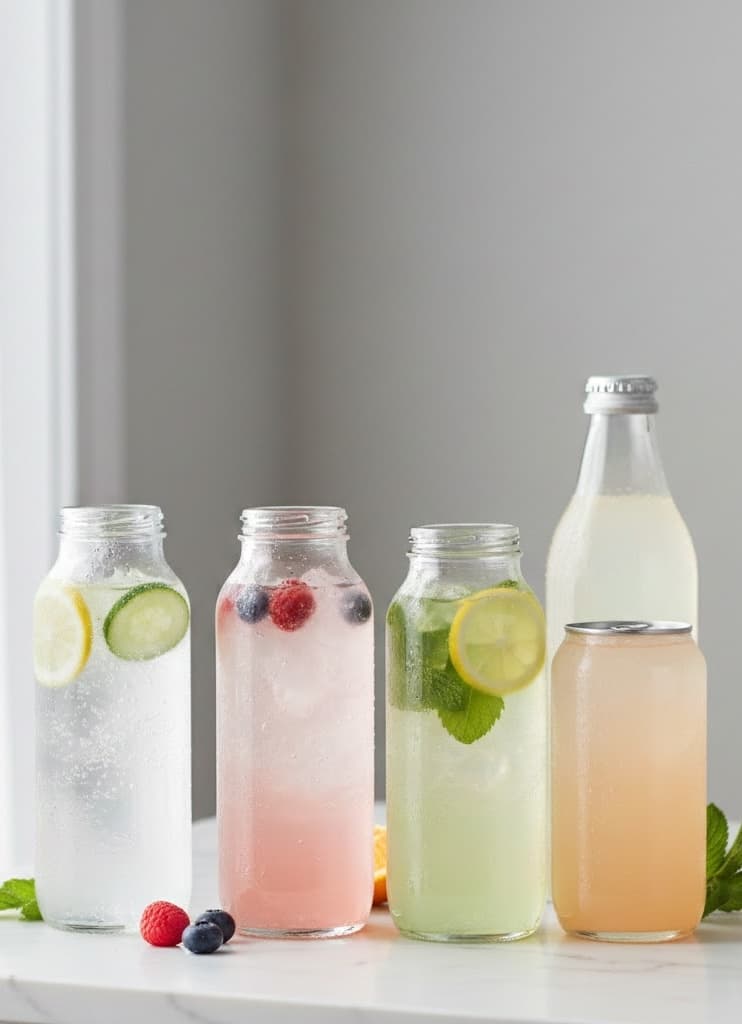
Las personas están cambiando la forma en que seleccionan bebidas. Los consumidores ya no simplemente eligen cualquier cosa dulce. Leen etiquetas, comparan marcas y hablan sobre salud en conversaciones generales. Minoristas y mayoristas se ven afectados por este cambio en lo que termina en la estantería y la rapidez con la que se rota. Esencialmente, la demanda actualmente sigue los valores, en lugar del bombo.
1. Mentalidad de salud primero y problemas de azúcar
Los consumidores están mejor informados sobre el verdadero impacto del exceso de azúcar. Diabetes, problemas de peso, cansancio, todos conocen a alguien que está luchando con estos problemas. Por eso optan por bebidas sin azúcar añadido o sin azúcar. Innova Market Insights cita un aumento constante en alimentos y bebidas con el descriptor "sin, bajo o reducido en azúcar," aumentando aproximadamente un 3% entre 2020–2024. Los compradores buscan etiquetas que destaquen beneficios para la salud, no declaraciones generales.
2. Demanda de etiquetas limpias y transparencia
Compradores de todas las edades, especialmente millennials y la Generación Z, leen etiquetas. Quieren lenguaje claro, edulcorantes naturales y nada de químicos mágicos. Nam Viet Group observa que hoy las personas esperan transparencia, claridad e ingredientes más limpios. Los vendedores con credibilidad en etiquetas limpias ganan la confianza de los consumidores más rápido. No es ciencia de cohetes. Si la bebida tiene menos ingredientes artificiales, se vende más rápido y mantiene negocios recurrentes.
3. El sabor + la experiencia aún importan
Las primeras bebidas dietéticas sabían a almidón. La gente lo recuerda. Hoy, las empresas están introduciendo sabores audaces, dulzura natural y una mejor sensación en boca. Un informe reciente de tendencias de bebidas de Synergy informa que las colas sin azúcar hoy incluyen sabores innovadores, ingredientes funcionales y sistemas de dulzura mejorados. Para los distribuidores, las pruebas de sabor son importantes. Si el producto sabe "dietético," ninguna promoción puede recuperarlo. Si sabe bien, los negocios recurrentes ocurren naturalmente.
4. Ingredientes funcionales y premiumización
Sin azúcar es la nueva norma. La nueva tendencia combina cero azúcar con otras ventajas como prebióticos, adaptógenos, soporte energético y fibra. Food & Wine y Vogue Business informaron sobre el crecimiento de estas bebidas de mayor calidad y orientadas a funciones en 2026. Los consumidores esencialmente están pagando por "cómo la bebida los hace sentir." Los minoristas que llevan estos SKUs de mayor valor se benefician de márgenes mejorados y una lealtad más profunda de los clientes.
Oportunidades y Perspectivas Futuras
El mercado no se está desacelerando. De hecho, parece que las bebidas sin azúcar están abriendo su propio camino. Los compradores y distribuidores que se muevan temprano pueden aprovechar el crecimiento en lugar de quedarse rezagados. ¿El hilo conductor? Los clientes están comprando valor, no azúcar. Entonces, ¿cómo puedes adelantar tu marca o tu estrategia de abastecimiento?
Diversificación de portafolio y segmentos premium
Las bebidas sin azúcar solían consumirse como "sustitutos dietéticos", pero eso ya quedó en el pasado. Hoy en día, las personas eligen productos de alta gama sin azúcar, agua funcional, bebidas de seltzer con sabor, bebidas energéticas más limpias. Las tiendas de conveniencia pueden ampliar su estantería mezclando ofertas de alto margen con productos básicos de bajo costo. Los distribuidores ganan al crear surtidos que parecen pensados, no arbitrarios. Básicamente, ofrece opciones que tengan sentido y la demanda seguirá.
Exportación global y crecimiento regional
Asia-Pacífico está creciendo rápidamente y las economías emergentes están recurriendo a las importaciones sin azúcar. Algunos territorios están restringiendo los impuestos al azúcar, lo que impulsa a los compradores hacia los SKUs sin azúcar. Si abasteces o exportas al extranjero, puedes capitalizar la tendencia. Comienza trazando dónde se intersectan la regulación y la demanda. De alguna manera, la táctica más sencilla funciona: entrega bebidas sin azúcar donde el azúcar se está volviendo costoso o prohibido.
Cadena de valor de etiqueta limpia y edulcorantes naturales
Hoy en día, los clientes preguntan "¿Qué contiene esta bebida?" en lugar de "¿Cuántas calorías tiene?" Ahí es donde los edulcorantes naturales (stevia, fruta del monje) y la etiqueta limpia tienen una gran ventaja. Al asegurar proveedores con abastecimiento abierto y ingredientes rastreables, obtienes estabilidad y confianza. Al parecer, esto también refuerza los precios. Las asociaciones de ingredientes cuentan, especialmente cuando los precios de los edulcorantes varían y la transparencia como ventaja de venta.
Desarrollo de marcas privadas y marcas de minoristas
Las marcas privadas de bebidas sin azúcar están en auge, ya que los minoristas desean controlar el precio, el sabor y los márgenes. Los minoristas que tienen un socio de fabricación pueden lanzar al mercado bebidas sin azúcar que reflejen lo que realmente les gusta a los compradores. Los distribuidores pueden complementar con asistencia integral: formulación, empaque, conformidad. Solo considera que, en lugar de perseguir marcas de moda, tú eres la marca que la gente busca.
Perspectivas futuras
Las bebidas sin azúcar no se desacelerarán. El crecimiento seguirá los mercados de salud con alta conciencia y la regulación más estricta contra el azúcar añadido. Pero la volatilidad de los precios de los ingredientes (especialmente los edulcorantes) y la "fatiga de sabor" podrían poner a prueba a las marcas que se queden atrás en innovación. Busca más formatos directos al consumidor, suscripciones y conveniencia. Los ganadores serán aquellos que establezcan asociaciones confiables con proveedores y prioricen el sabor, la transparencia y el valor, no atajos.
Principales proveedores de bebidas sin azúcar en Torg
1. NEXBA UK & EU – Australia
Nexba produce bebidas sin azúcar que no saben como refrescos dietéticos. Su línea de productos incluye Kombucha, Better Soda y bebidas con nootrópicos. Todo está endulzado de forma natural, sin ingredientes artificiales. A los minoristas les gusta porque los sabores se sienten actuales y el empaque es limpio y fácil de colocar en los estantes. Nexba es ideal para compradores que buscan bebidas sin azúcar que aún sean divertidas y refrescantes.
2. TEEFEE | LA MARCHANTE GMBH – Alemania
TeeFee se centra en bebidas sin azúcar para niños. Parece simple, pero resuelve un problema real: los padres están cansados de las cajas de jugo azucarado. Sus bebidas son orgánicas, de sabor suave y hechas a base de mezclas de té de hierbas y frutas. Para los minoristas, esto abre una categoría que realmente se siente apta para familias, no solo otra etiqueta de "reducido en azúcar". TeeFee hace que las elecciones saludables se sientan naturales.
3. ANTICA RICETTA SICILIANA (Polara) – Italia
Polara lleva décadas elaborando refrescos tradicionales sicilianos. Su gama sin azúcar conserva los sabores originales — Chinotto, Limonata y Aranciata — pero sin el azúcar añadido. Los compradores eligen Polara cuando necesitan opciones premium sin azúcar con auténtica herencia detrás. La marca atrae a personas que aún desean sabor y cultura, no solo otra bebida saludable.
Conclusión
Las bebidas sin azúcar ya no son una categoría secundaria. Son la nueva norma, y los consumidores lo perciben en cada envío de pedido y ciclo de reorden. Los compradores solo quieren que sepan bien y que no les añadan azúcar. No quieren nada demasiado complicado. Para los distribuidores y minoristas, la ventana de oportunidad es grande: seleccionen proveedores que tengan etiquetas limpias, sabor auténtico y fabricación consistente. En esencia, asóciense con marcas que tengan sentido en lugar de ruido. Si alguna vez hay un momento para diversificar y consolidar relaciones con proveedores, es hoy. El mercado está en movimiento, la demanda está aumentando, y quien se mueva primero obtiene el espacio en los estantes y la lealtad.
Solicitar cotización de pedido al por mayor
Pedido simple, precios transparentes, entregado directamente a su puerta