



La creciente industria alimentaria: agricultura sin desperdicios
La comida en sí está siendo reinventada desde cero. La nueva industria alimentaria se centra en sistemas que no generan desperdicio, requieren menos insumos, rediseñan cadenas de suministro y reciclan sobras para convertirlas en insumos. Es eficiente, local y diseñada para la eficiencia a largo plazo. Los productores están utilizando tecnología inteligente, hidroponía y modelos circulares para producir en espacios más pequeños con un control más estricto. Los cultivos crecen en edificios reutilizados. El embalaje es más ligero. Hay menores emisiones. Los desechos no se acumulan. Alimenta el siguiente paso. Esto no es una tendencia. Es una transición hacia sistemas alimentarios que trabajan con la naturaleza, no contra ella, y ya está en marcha.
200+ compradores confían en Torg para el sourcing








¿Qué es la creciente industria alimentaria?
La creciente industria alimentaria trata de cambiar cómo producimos alimentos. En otras palabras, reducir más desperdicios, disminuir las huellas de carbono y usar de manera más inteligente lo que ya tenemos. No se trata de cultivar más tierra o transportar alimentos por todo el mundo. Se trata de crear sistemas inteligentes que conviertan restos en valor y produzcan alimentos más cerca de casa.
Puedes encontrar de todo, desde verduras hidropónicas cultivadas en almacenes urbanos hasta hongos que aprovechan los posos de café usados. No son trucos, son sistemas de circuito cerrado que reciclan insumos y eliminan gastos innecesarios.
Las marcas, particularmente los fabricantes de alimentos de marca privada, están entrando rápidamente. ¿Por qué? Porque los consumidores exigen opciones reales y sostenibles. Y estos sistemas generan beneficios, sin agotar recursos ni inflar la cadena de suministro. Los alimentos se producen de manera limpia, local y con intención.
Este sector no se trata simplemente de plantar cultivos. Se trata de crear empresas más inteligentes y un sistema alimentario operativo que realmente funcione a largo plazo.
Circular, Consciente y Cercano
La producción de alimentos se está tomando muy en serio y se está llevando a cabo más cerca de casa. Desde almacenes en el Reino Unido hasta granjas en azoteas en Berlín, los productores están construyendo sistemas que reducen el desperdicio, acortan las distancias y cultivan de manera más inteligente.
Este nuevo sistema da un giro total al anterior. La basura no se desecha, se recicla. Los desechos de alimentos se convierten en compost o alimento para animales. El agua y la energía se regulan al detalle mediante tecnología inteligente. Y dado que los alimentos se producen cerca de donde se consumen, las emisiones del transporte se reducen drásticamente.
Las empresas de alimentos de marca blanca también están aprovechando este cambio, entregando productos más limpios y frescos sin la logística excesiva. No se trata solo de sostenibilidad; se trata de alimentos mejorados, entregas más rápidas y operaciones más eficientes.
Menos desperdicio. Menos viajes. Más valor. Así se está produciendo la comida de la próxima generación.
Por qué está en auge ahora
Este cambio en el negocio de alimentos no está ocurriendo debido a la tecnología, está ocurriendo debido a la demanda. Los consumidores se preocupan más por el origen de sus alimentos, cómo fueron hechos y quién los hizo. Las etiquetas limpias, la reducción de residuos y la producción ética ya no son lujos, son requisitos.
Hoy en día, los consumidores están seleccionando marcas que se alinean con sus valores, y las empresas de alimentos de marca privada están respondiendo al desafío con productos más inteligentes y transparentes.
Mientras tanto, los gobiernos y los inversores están apoyándolo. El dinero está fluyendo hacia la agricultura regenerativa, los sistemas de cero residuos y la tecnología alimentaria que reduce costos.
A medida que los recursos del mundo disminuyen y las ciudades se expanden, los sistemas alimentarios locales, simplificados y de bajo impacto no son una comodidad, son el futuro.
El futuro de los alimentos se cultiva de manera diferente
Esto no es una mejora de la agricultura, es un reinicio completo. La industria de cultivo de alimentos está transformando la forma en que se cultivan, empaquetan, entregan y reciclan los alimentos. Cada etapa del ciclo está siendo rediseñada para eliminar el desperdicio, reducir los costos y aliviar la presión sobre la tierra y los recursos.
El nombre puede ser sencillo, pero este cambio está lejos de ser elemental. Es una ruptura limpia con sistemas sucios y derrochadores. Ahora los cultivos se cultivan con eficiencia, dentro de las ciudades, con tecnología inteligente y en ciclos que reciclan todo.
Las empresas de alimentos de marca privada ya están en transición. Se están uniendo con fabricantes que diseñan productos para velocidad, escala y sostenibilidad.
Aquí es hacia donde vamos: alimentos diseñados para durar, cultivados con propósito y hechos para trabajar en armonía con el sistema, no en contra de él.
NÃM Hongos
Nombre de la empresa: NÃM Hongos
Sede: Lisboa, Portugal
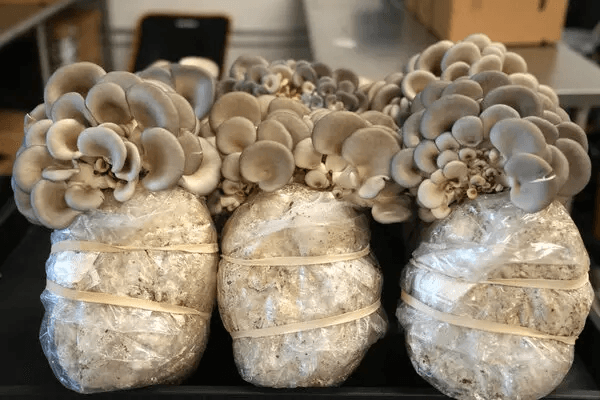
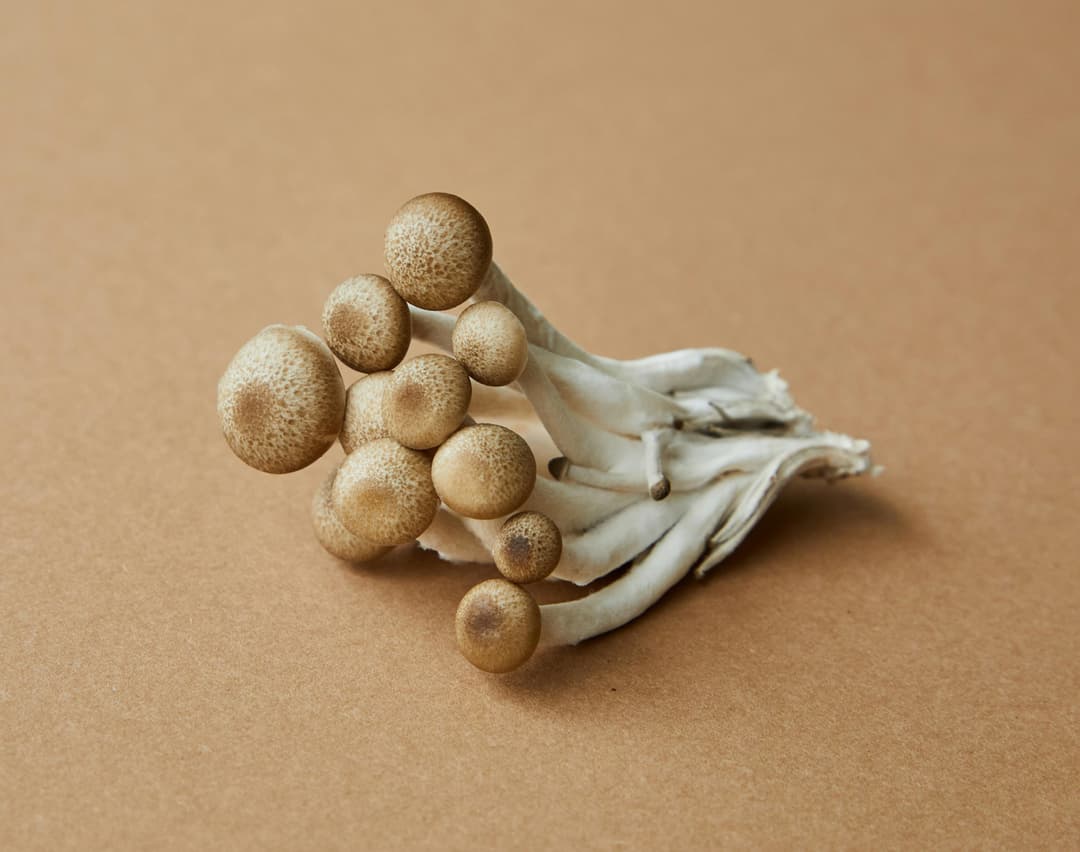
Productos principales: Transformar los posos de café desperdiciados en nuevos hongos ostra utilizando agricultura urbana circular
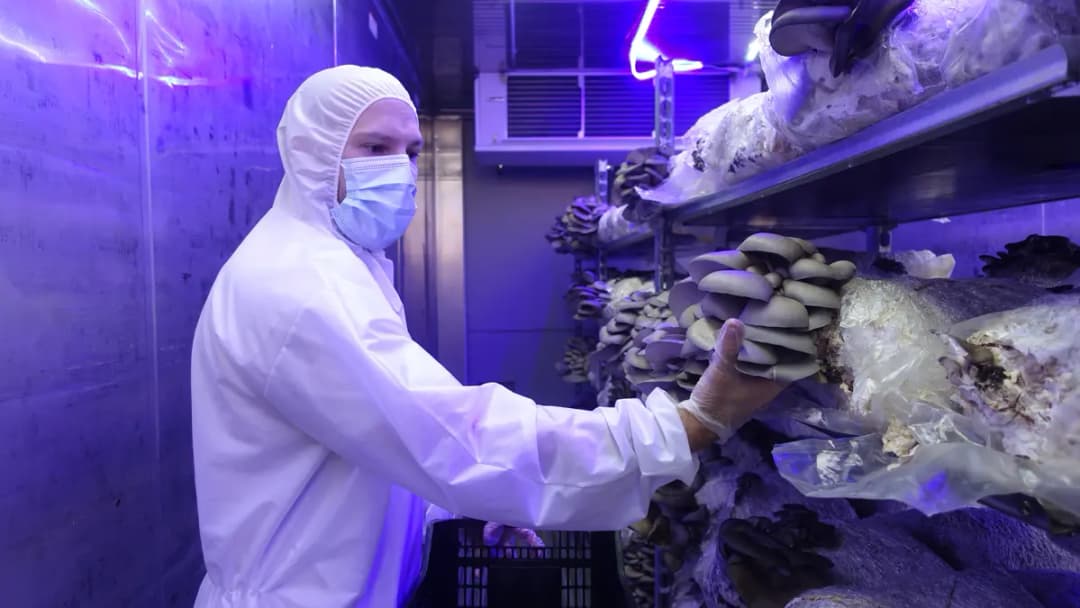
En el barrio de Marvila en Lisboa, NÃM Hongos está dando una segunda oportunidad a los residuos alimenticios. Desde 2018, la empresa fue fundada por Natan Jacquemin. Toma los posos de café sobrantes de los cafés de toda la ciudad y los convierte en nuevos hongos ostra, todo dentro de los límites de la ciudad.
Cada mes, NÃM convierte tres toneladas de posos de café en hongos y compost. Su diseño de granja pequeña y modular mantiene todo local, sin transporte de larga distancia, sin desperdicio, solo alimentos reales cultivados deliberadamente.
Los hongos simplemente van directamente a restaurantes, mercados y hogares. También se venden kits de cultivo DIY y microgreens para aquellos que quieren intentarlo por sí mismos.
NÃM invita al público a visitar su granja para recorridos y talleres, llevando la sostenibilidad de lo abstracto a lo tangible. A través de prácticas educativas y de contratación que abren puertas a grupos subrepresentados, NÃM combina ecología con comunidad. Es agricultura urbana con intención, ciclos cerrados, baja huella de carbono y alimentos que nutren más que el estómago.
Solicitar cotización de pedido al por mayor
Pedido simple, precios transparentes, entregado directamente a su puerta