



What Is Freight Optimization? 7 Best Strategies That Work
Explore what freight optimization is, why it matters, and how proven strategies reduce costs, improve delivery reliability, and strengthen logistics.
200+ compradores confían en Torg para el sourcing







Freight optimization starts when teams stop treating shipping as a fixed cost and start seeing it as a moving part they can help shape. With small choices stacking up through route selection, load planning, carrier mix, and timing, it all affects how money and time slip away. Strong freight optimization strategies focus on reducing friction, not chasing perfection. So when freight flows cleaner, supply chain efficiency improves across planning, warehousing, and delivery. In the end, fewer surprises follow. The real gains often come from visibility, clearer rules, and better coordination between teams that rarely talk.
This guide looks at what optimization looks like on the ground, why some fixes stick while others fade, and how practical decisions made early keep freight working quietly in the background instead of becoming a daily fire drill.
What Is Freight Optimization?
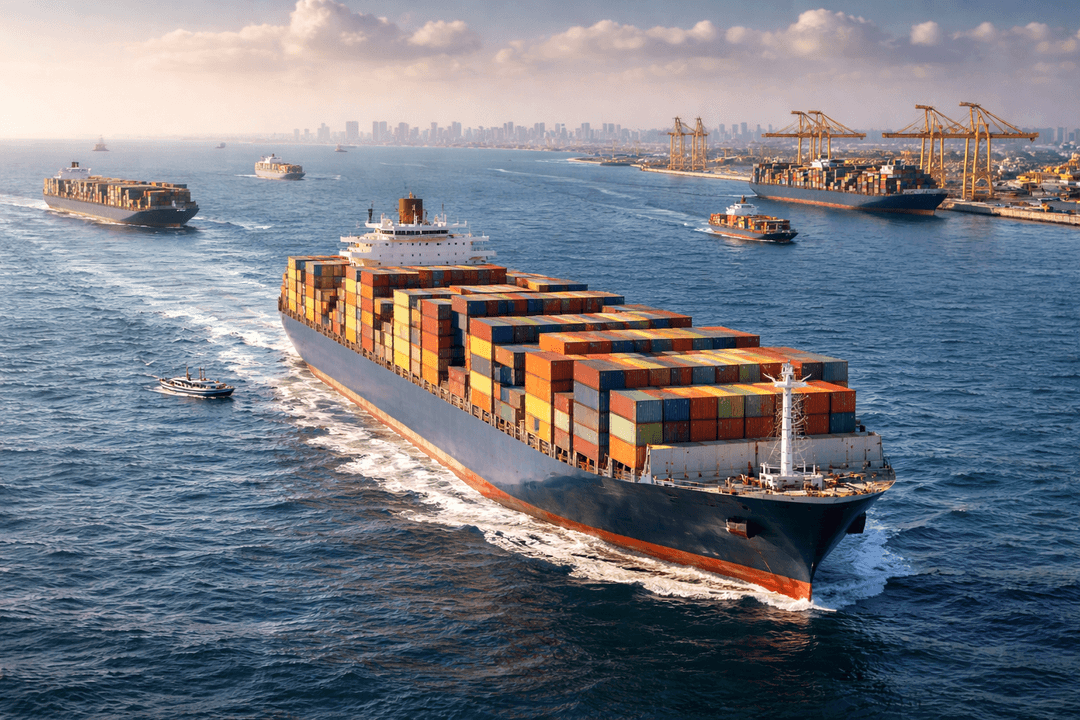
Freight optimization is the strategic process of planning, managing, and executing freight transportation in the most cost-effective, efficient, and reliable way possible. It focuses on reducing shipping costs, improving delivery performance, maximizing asset utilization, and minimizing environmental impact across the supply chain.
At a practical level, freight optimization looks at how goods move from start to finish, and where small decisions quietly add up. A rushed booking. An underfilled trailer. A route chosen out of habit. None of these feel dramatic on their own, yet together they shape supply chain efficiency in ways that are hard to ignore.
So what’s the real aim? It isn’t perfection or pushing partners to the limit. It’s control you can count on that brings fewer surprises, clearer timing, and better visibility. When freight is planned with intent, coordination improves, handoffs smooth out, and teams stop chasing problems. That said, shipping shifts from reactive fixes to a system that works as expected.
Types of Freight Optimization
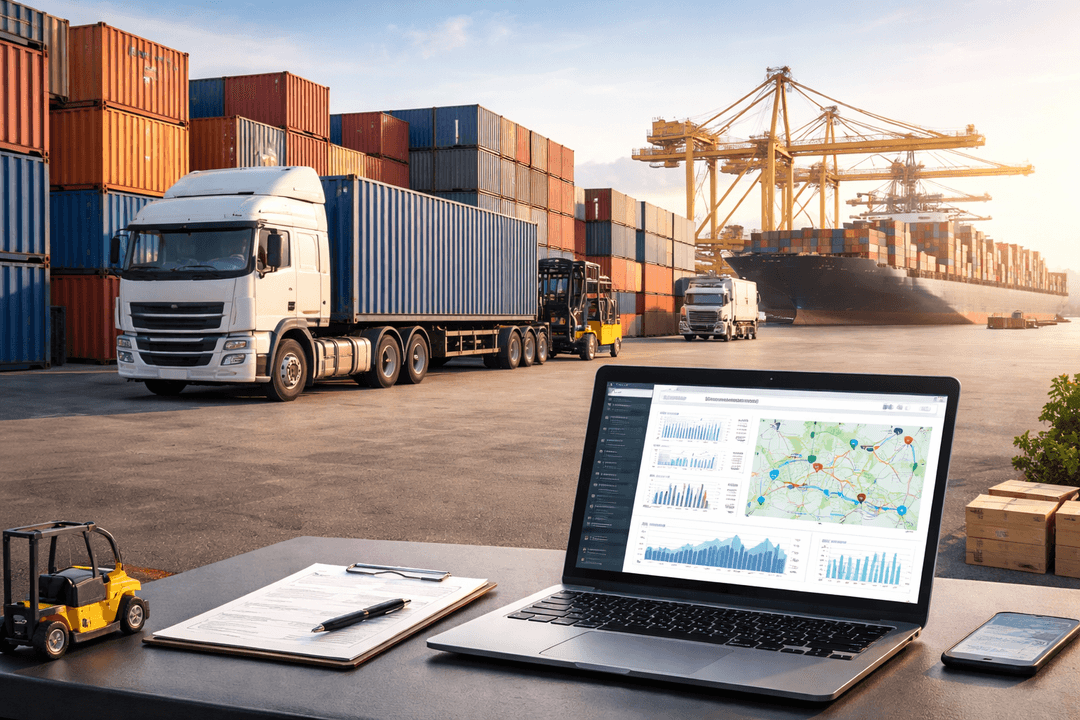
Freight optimization comes in several forms, and each tackles a different pressure point in daily operations. Some focus on space, others on distance, partners, or structure. Together, these types help teams move freight with more control, fewer surprises, and direction.
Load Optimization
Load optimization techniques look at how much space you pay for versus how much you use. Empty air costs money, even if no one flags it. By rethinking pallet layouts, carton sizes, and shipment timing, teams improve load optimization freight results. For example, combining two small supplier shipments into one full trailer on the same pickup day to cut wasted capacity costs.
Route Optimization
Route optimization deals with the path freight takes and the trade-offs along the way. Traffic, delivery windows, tolls, and fuel all matter. Smart route optimization logistics keeps miles reasonable without risking service. For instance, adjusting delivery order to avoid city congestion, even if the distance looks slightly longer on a map during peak hours when delays usually stack up quickly there.
Mode Optimization
Mode optimization asks which transport option fits the shipment, not just the habits. This is where speed, cost, risk, and volume all play roles. Transportation mode optimization avoids paying for urgency you do not need. One situation is moving replenishment freight by rail instead of truck when lead times allow steady, lower-cost transit across long regional lanes without stressing dock schedules or inventory flow at busy plants.
Carrier Optimization
Carrier optimization focuses on who moves your freight, and how they perform over time. Rates matter, yet consistency often matters more. Looking at service history helps avoid repeat problems. That plays out when assigning a high-volume lane to a carrier with fewer late deliveries, even if their rate is slightly higher to protect service levels during seasonal demand swings across key customer regions.
Network Optimization
Network optimization steps back and looks at the entire freight map. Facility locations, service areas, and flow patterns all connect. Also, most decisions made here last years, not just months. One example of this is repositioning a regional warehouse to shorten delivery distances, reduce transfer points, and support supply chain optimization as customer demand shifts over time without adding unnecessary handling or extra fixed costs across multiple markets.
The Importance of Freight Optimization
Freight optimization matters because transportation touches cost, service, and visibility at the same time. When it’s ignored, problems stay hidden until they’re expensive. But when it’s managed well, operations feel steadier, decisions come faster, and fewer issues spill into customer-facing teams.
Cost Control
Freight costs tend to rise when no one is watching closely. Fuel shifts, accessorials, small routing choices, they add up pretty quickly. Freight cost optimization brings structure to spending by standardizing decisions and reviewing patterns. Instead of reacting to invoices, teams plan ahead, spot leaks early, and keep transportation costs tied to real demand, not last-minute pressure or rushed decisions.
Service Reliability
Late trucks ripple through operations, and customers feel it first. Service reliability improves when freight optimization services set clear rules for routing, timing, and carrier selection. Fewer surprises mean steadier docks, calmer teams, and better promises kept. But when deliveries arrive as planned, downstream processes stay intact, and trust builds quietly over time, shipment after shipment, without constant firefighting, and fewer escalations.
Operational Visibility
Visibility turns freight from a black box into something manageable. With clearer data flows, teams see delays forming before they explode. Freight optimization improves operational visibility by connecting plans, execution, and outcomes. Better insight supports quicker decisions, fewer surprises, and smarter adjustments during disruptions, seasonal spikes, or sudden changes in volume, demand, or network conditions across complex logistics environments today.
What Are the Benefits of Freight Optimization?
Freight optimization pays off in more ways than most teams expect. Beyond savings, it shapes how people plan, respond, and grow. When freight runs cleaner, customers feel it, teams breathe easier, and long-term decisions stop feeling like educated bets alone.
Reduced Transportation Spend
Transportation spend often drifts upward without warning. Freight optimization pulls it back into focus by aligning routes, loads, and timing with real demand. Freight cost reduction follows naturally when fewer empty miles slip through. For instance, shifting from scattered LTL shipments to planned freight consolidation on steady lanes lowers per-unit costs without slowing delivery promises during peak weeks and volatile volume swings.
Stronger Planning Discipline
Good freight planning calms operations down. Instead of reacting to daily fires, teams work from shared rules and clear assumptions. Freight optimization builds that discipline over time. Plans become repeatable, conversations get shorter, and surprises shrink. A common situation is locking weekly shipment windows with suppliers reduces last-minute bookings, rushed approvals, and uneven dock workloads across busy facilities during seasonal demand shifts periods.
Improved Sustainability
Sustainability improves when freight decisions slow down and get smarter. Fewer trips, fuller loads, and cleaner routes add up. Sustainable freight transportation optimization fits naturally with optimization, not against it. For example, redesigning delivery routes to cut deadhead miles lowers emissions, fuel use, and costs, while still hitting service windows customers expect, even during growth phases without adding complexity or operational strain.
7 Best Strategies to Optimize Freight
Optimizing freight works best when strategy meets daily habits. The ideas below focus on control, visibility, and consistency. Together, they reflect freight management tips that scale, support best practices in supply chain optimization, and help teams stay steady as volumes shift and pressure builds.
1. Centralize Freight Data
Freight decisions fall apart when information lives everywhere. Centralizing data helps teams see costs, timing, and gaps clearly which then supports better calls. It matters because clean data fuels freight management methods that stick.
The best approach is creating one shared source that's updated daily. So let's say merging shipment, invoice, and warehouse logs to spot repeat delays and guide warehouse logistics optimization across locations. This visibility reduces arguments, shortens meetings, and gives planners confidence to act faster without second guessing during busy weeks too.
2. Use Freight Optimization Software
Software brings structure when choices pile up fast. Freight optimization software helps compare routes, loads, and timing before money moves. It matters because planning improves without slowing teams down.
The best way is using tools people trust and actually open. For instance, running weekly scenarios to choose cheaper lanes, then adjusting plans when volumes spike or suppliers slip unexpectedly. This supports best practices in supply chain optimization for freight while keeping decisions practical and grounded for growing teams everywhere today globally.
3. Focus on Consolidation
Small shipments feel harmless until they multiply. Consolidation helps by grouping freight into fuller moves, lowering cost per unit. This part also matters because wasted space drains margins quietly.
The best approach is aligning pickup schedules and volume forecasts. One case of this is coordinating suppliers to ship twice weekly instead of daily, cutting touches, reducing congestion, and improving dock flow during peak receiving periods. This also supports optimizing supply chain visibility across inbound lanes and smoother planning conversations with partners over time as volumes change.
4. Improve Route Discipline
Freight route planning based on habit often costs more later. Discipline means setting rules for paths, timing, and exceptions. And it matters because consistency reduces surprises.
The best way is standard routes with room to adjust. For example, locking primary lanes for core customers, then reviewing detours monthly to improve reliability and planning confidence. This practice strengthens warehouse logistics optimization by smoothing arrivals, staffing, and yard movement during busy cycles and reducing rushed decisions later when pressure builds unexpectedly across regional networks over time.
5. Measure What Matters
Metrics shape behavior, whether planned or not. Measuring what matters helps teams focus on outcomes, not noise. This is a very important strategy because visibility drives accountability.
The best approach is few, clear measures reviewed often. For instance, tracking cost per shipment alongside on-time delivery to balance savings with service. This avoids chasing vanity numbers and keeps discussions practical during weekly reviews. It also supports optimizing supply chain visibility across finance, operations, and leadership teams without heavy reporting overhead or endless slide decks every month.
6. Automate Repetitive Tasks
Repetition slows teams down when volumes grow. Automation helps by handling routine steps consistently. This is critical because people can focus better on problems, not just clicks.
The best way is automating high-volume tasks first. To give you an idea, auto-rating shipments and sending tenders without emails, freeing planners to manage exceptions calmly. Logistics automation reduces errors, speeds responses, and supports steadier operations during demand swings. It also shortens training time for new hires joining busy teams as networks scale quickly without adding headcount pressure too often.
7. Review Carrier Performance Regularly
Carriers change and lanes evolve. Regular reviews help keep freight aligned with reality. This is another practical strategy because past performance predicts future pain.
The best approach is simple scorecards discussed openly. A common situation of this is doing quarterly reviews comparing rates, reliability, and claims to decide where adjustments protect service. This turns freight management techniques into habits rather than one-off fixes. It also supports best practices in supply chain optimization for freight across long-term partnerships without emotional decisions during disruptions or seasonal volume spikes that test resilience.
AI in Freight Optimization

AI in freight optimization works like a second set of eyes that never gets tired. It studies how freight moves, where delays show up, and which choices quietly cost more than expected. The value isn’t speed alone. It’s the consistency. AI helps teams step back from daily noise and make steadier calls, even when volumes spike or markets shift overnight.
Why does it matter? Global networks are larger, faster, and more connected than before. Human planners can’t track every variable at once. AI supports them by turning complex data into usable directions, without taking control away.
AI helps global industries by:
- Spotting cost patterns that are hard to see across lanes and regions
- Strengthening predictive analytics in logistics to flag risks earlier
- Balancing demand and capacity when conditions change suddenly
- Supporting predictive freight optimization during disruptions
The purpose stays simple. Fewer surprises. Better control. Smarter freight decisions that scale without burning out teams.
Transportation Management Systems (TMS)
When freight volume grows, things get harder to track. A Transportation Management System (TMS) is software that helps teams plan, book, and monitor shipments in one place. So that means instead of juggling emails and spreadsheets, everyone works from the same information. That clarity reduces errors, keeps freight organized, and helps shipments move steadily without constant fixes.
TMS platforms help industries by:
- Coordinating freight logistics optimization works across lanes and regions
- Supporting freight tracking optimization with timely shipment updates
- Driving shipping process improvement through standardized workflows
- Providing real-time freight visibility for planners, partners, and leaders
The result is consistency without rigidity, and flexibility without confusion.
KPIs and Metrics for Freight Optimization
Numbers give freight a voice. Without them, decisions lean on instinct and hindsight. With the right metrics, teams spot drift early, compare lanes, and explain trade-offs clearly. Freight KPIs turn movement into something measurable, discussable, and easier to manage across functions.
Transportation Performance Metrics
Transportation performance metrics show whether freight keeps its promises. They track on-time delivery, transit variance, and carrier consistency. A common calculation is:
On-time rate = on-time shipments ÷ total shipments × 100
These numbers matter because patterns beat anecdotes. For instance, industry benchmarks show freight on-time delivery rates often target around 95 % as a standard, with many shippers and carriers agreeing that 96 % or higher is a strong performance indicator. Noticing a lane with performance below that threshold prompts a carrier review before customers start asking “What happened?” internally.
Logistics Performance Measurement
Logistics performance measurement connects freight choices to the bigger picture. It looks at how transport affects inventory turns, labor, and service scores. Another way to look at it is by watching how stock moves after freight paths are adjusted. Teams often track inventory turnover like this:
Turnover = cost of goods sold ÷ average inventory
Industry benchmarks show retail inventory turnover averages about 8–12x per year, meaning stock cycles through several times before year-end. When routes tighten up and deliveries align with demand, turnover tends to rise toward these benchmarks, releasing cash and easing dock congestion during heavy receiving periods.
Cost-to-Serve Metrics
Cost-to-serve metrics explain who costs what to deliver. They roll freight, handling, and accessorials into one view. A simple method is:
Cost per customer = total transport spend ÷ shipments served
This supports transportation cost reduction by exposing unprofitable patterns. Industry analysis shows that 20 %–40 % of customers may actually be unprofitable once cost-to-serve is calculated, because costs like delivery complexity, returns, and special service levels eat into margins. Identifying these high-cost customer segments helps teams rethink pricing, delivery schedules, or minimum order quantities to improve overall profitability.
Common Freight Optimization Challenges
Freight optimization sounds straightforward until real operations step in. Pressure, speed, and legacy habits create friction fast. Freight management challenges appear quietly, then stack up. Knowing how these issues start, and how to stop them early, keeps freight plans usable, and resilient.
Data Quality Issues
Data issues start when information is rushed, copied twice, or updated late, and that's how small errors spread and weaken planning confidence. Eventually, teams stop trusting numbers. The good thing is that prevention comes from clear ownership, shared definitions, and routine checks. When data is reviewed often, corrected early, and tied to decisions, trust rebuilds, and freight optimization stays grounded instead of drifting off course over time steadily forward.
Organizational Silos
Silos form when teams chase their own targets without shared context. Freight decisions disconnect from inventory, sales, or finance. Next thing you know, problems multiply quietly. Still, prevention starts with common goals, regular cross-team reviews, and shared metrics. When planning conversations include operations, procurement, and finance together, trade-offs surface early, alignment improves, and logistics optimization problems lose room to grow unchecked over time internally aligned.
Limited Visibility
Limited visibility happens when freight data arrives too late to act on as delays often surface after damage is done. This is why prevention relies on timely updates, shared dashboards, and clear alerts. By optimizing supply chain visibility, planners see issues forming, adjust routes sooner, rebalance capacity, and reduce disruption before it spills into customers or operations unexpectedly and repeatedly today.
Resistance to Change
Resistance builds when freight changes feel imposed instead of explained. Teams fall back on old habits, even when results suffer. But avoidance starts with clear reasoning, small pilots, and visible wins. When people understand why changes matter, see benefits quickly, and have room to adapt, adoption improves, and optimization efforts stick instead of stalling midway during long transformation cycles today again.
Freight Optimization Best Practices
Strong freight optimization depends less on flashy moves and more on steady habits. When practices are clear, teams move with confidence, leaders make calmer decisions, and organizations avoid rework. These approaches help freight plans hold up under pressure, growth, and constant change.
Start With Baseline Data
Baseline data gives teams a shared starting line. Without it, progress is hard to prove and trust fades. Knowing current costs, service levels, and constraints helps organizations focus effort where it counts. This clarity supports better planning, reduces internal debates, and allows leadership to track improvement over time without relying on assumptions or fragmented reports across departments.
Align Teams Around Shared Goals
Alignment keeps freight decisions from pulling in different directions. When procurement, operations, and finance share goals, trade-offs become visible early. This reduces conflict, speeds approvals, and strengthens accountability. Teams work as one system, not competing functions, which helps organizations execute freight plans consistently and maintain momentum even during disruptions, volume swings, or budget pressure periods.
Use the Right Tools
Tools don’t need to be loud to matter. The right one simply removes friction from the day. When systems are clear and intuitive, planning stops feeling like extra work and starts fitting into the flow. Freight optimization tools to reduce spend support better choices without slowing teams down. That results in fewer clicks, fewer workarounds, and more confidence to adjust plans and keep things moving without hassle.
Review and Refine Regularly
Freight networks change, and plans age quickly. Regular reviews help organizations stay relevant. By revisiting routes, partners, and assumptions, teams catch drift early. This practice supports continuous improvement, keeps strategies realistic, and helps leaders adjust without shock. Over time, freight optimization stays flexible, trusted, and aligned with how the business truly operates day to day.
Freight Optimization for E-commerce and Retail
Retail and ecommerce rarely slows down and freight has to keep pace. There can be cases that one day, the volume is steady, then the next day, it doubles. Shoppers usually want answers and returns move just as fast as outbound orders. Freight optimization helps by bringing structure to that motion. Clear plans, shared visibility, and cleaner handoffs keep goods moving, so delivery stays quick without pushing costs out of control.
Big retailers did not stumble into reliable delivery by accident. Amazon shaped its promise around tightly coordinated freight flows that can absorb volume spikes without losing pace. Walmart followed a similar path, aligning freight to serve stores and online orders together. In both cases, steady freight movement quietly sets the tone for speed, consistency, and trust.
Freight optimization helps e-commerce and retail by:
- Keeping delivery promises realistic during demand swings
- Cutting down on partial shipments that quietly drive up last-mile expenses
- Keeping inventory moving cleanly between fulfillment centers and retail locations
- Allowing teams to react faster when stock runs thin or delays surface
When freight flows without friction, it fades into the background. Customers do not track the process. They only notice that orders arrive as expected, which is the outcome that counts.
Freight Optimization for Manufacturing
Manufacturing runs best when timing feels almost invisible. Parts show up as lines need them, and finished goods leave before space tightens. Freight optimization supports that balance by lining transport up with real production signals. When movement follows the plant’s pace, pauses shorten, inventory stays in check, and operations avoid the costly stop-and-go patterns that slowly chip away at margins.
Leading manufacturers built their operations around this idea. Toyota aligned freight tightly with just-in-time production, reducing excess inventory while keeping lines moving. Intel depends on carefully planned freight movements to support high-value components and time-sensitive deliveries across global facilities. In both cases, freight planning protects production stability as much as it controls cost.
Freight optimization helps manufacturing by:
- Keeping raw materials aligned with production schedules
- Reducing line stoppages caused by late or early deliveries
- Keeping finished products moving out instead of stacking up on the floor
- Tightening coordination across suppliers, plants, and distribution centers so handoffs stay clean
When freight follows the pace of manufacturing, teams spend less time clearing backlogs and more time keeping output steady.
Freight Optimization for Food and Beverage
Food and beverage operations feel time pressure at every step. Inventory ages quickly, demand shifts overnight, and delays carry real risk. Freight optimization helps by aligning pickup times, protecting temperature windows, and limiting how long products sit idle. When movement is planned with care, freshness lasts longer, waste eases off, and replenishment stays steady without scrambling to recover lost time.
Major food brands didn’t reach scale by leaving freight to chance. Coca-Cola depends on disciplined freight planning to move high volumes quickly while protecting product quality. Nestlé uses optimized freight flows to manage complex distribution across regions, formats, and shelf-life limits. In both cases, freight decisions directly affect freshness, availability, and brand trust.
Freight optimization helps food and beverage by:
- Reducing spoilage through better timing and routing
- Keeping temperature-sensitive goods moving without delays
- Smoothing delivery schedules to retailers and distributors
- Helping teams respond faster to demand spikes or recalls
When freight stays on schedule, food stays fresh. That’s what customers remember.
Freight Optimization for Pharmaceuticals and Healthcare
Pharmaceuticals and healthcare leave no room for loose timing or vague updates. Many products are temperature-sensitive, highly regulated, and often urgent. Freight optimization works here by tightening control around handling, timing, and visibility. When freight is planned carefully, medicines arrive safely, compliance holds, and risks stay contained, even across complex global networks.
In healthcare, freight choices carry real weight. Pfizer plans transport carefully to keep vaccines and treatments moving within tight handling limits. Johnson & Johnson follows a similar path, coordinating logistics so hospitals and pharmacies stay supplied without gaps. When freight runs with discipline, safety holds, availability stays steady, and trust is earned through consistency, not promises.
Freight optimization helps pharmaceuticals and healthcare by:
- Maintaining temperature and handling compliance
- Reducing delays that could impact patient care
- Improving traceability across regulated shipments
- Allowing faster response during shortages or emergencies
When freight performs as planned, care delivery stays uninterrupted.
Freight Optimization vs Third-Party Logistics (3PL)
The real difference shows up in how much ownership a company wants to keep. Freight optimization strengthens internal decision-making, so teams shape routes, timing, and costs themselves over time. A 3PL steps in to handle the day-to-day movement. One builds capability. The other delivers relief. Both work, depending on priorities.
Freight Optimization
This approach centers on learning how freight behaves across lanes, volumes, and seasons. Teams rely on data and clear rules to plan moves before trucks roll. Decisions stay inside the business, which supports visibility, flexibility, and steady improvement. It suits companies that want freight knowledge to grow with operations.
Third-Party Logistics (3PL)
A 3PL takes responsibility for execution. It brings carrier access, systems, and scale without requiring internal buildout. This works well when capacity is tight or growth outpaces resources. Control shifts outward, yet complexity drops, letting teams focus elsewhere while freight keeps moving.
Freight Optimization vs Third-Party Logistics (3PL)
Category | Freight Optimization | Third-Party Logistics (3PL) |
|---|---|---|
Core Purpose | Improve how freight decisions are made across the network | Execute transportation and logistics on behalf of the shipper |
Level of Control | High internal control over routing, carriers, and rules | Control largely sits with the 3PL |
Decision Ownership | Shipper owns planning logic and trade-offs | 3PL makes most execution decisions |
Focus Area | Strategy, analysis, and continuous improvement | Operational delivery and capacity access |
Data Ownership | Data remains with the shipper | Data often shared or partially controlled by 3PL |
Technology Use | Uses internal or licensed systems to guide decisions | Uses 3PL platforms and tools |
Flexibility | High flexibility to change rules and priorities | Flexibility depends on contract and provider |
Speed to Deploy | Slower initial setup, stronger long-term gains | Faster to deploy with immediate execution |
Cost Structure | Investment in systems and people | Service fees and transportation margins |
Best Fit | Companies building long-term freight maturity | Companies needing quick scale or relief |
Trends in Freight Optimization
Freight optimization keeps shifting as markets tighten and expectations rise. New pressures push teams to rethink how freight is planned, tracked, and adjusted. These trends show where attention is moving, and why steady improvement now depends on smarter systems overall.
Digitalization
Digitalization changes freight by replacing scattered updates with connected flows of information. Plans, bookings, and status updates live in one place, so delays surface earlier. This matters because teams stop chasing emails and calls. With shared systems, coordination improves, handoffs feel smoother, decisions speed up, and freight work fits daily routines instead of interrupting them constantly during busy operational cycles.
Sustainability Focus
Sustainability focus grows as freight decisions face more scrutiny from customers and regulators. This trend pushes teams to cut waste, shorten routes, and use capacity better. It helps organizations balance cost and responsibility. When environmental goals align with freight planning, efforts feel practical, not forced, and teams make choices that hold up financially while reducing long-term risk across networks globally.
Predictive Capabilities
Predictive capabilities shift freight planning from reactive to prepared. Instead of waiting for issues, teams anticipate volume swings, delays, and constraints sooner. This matters because early signals buy time. With better forecasts, adjustments happen calmly, resources move where needed, and disruptions shrink before spreading. Freight becomes easier to manage when tomorrow is less of a mystery for planning teams everywhere.
Conclusion
Freight optimization works best when it’s treated as a discipline, not a quick fix. Start by understanding how freight truly moves through your operation, then improve one decision at a time. Focus on visibility first, cost second, and speed last, in that order. Choose tools that support your team, not overwhelm them. Review results often, and adjust without hesitation when conditions change. Whether you manage freight internally or lean on freight partner for optimizing supplier consolidation, clarity should guide every move. When plans are grounded in data and habits stay consistent, freight stops feeling unpredictable. The goal is simple: slow down planning, stay curious about the numbers, and build systems that can adapt before problems force your hand.
Solicitar cotización de pedido al por mayor
Pedido simple, precios transparentes, entregado directamente a su puerta