



Mercado de Açaí: Por qué los alimentos funcionales están impulsando el Açaí
El mercado de açaí está creciendo rápidamente a medida que los alimentos funcionales ganan demanda. Conozca las tendencias de crecimiento, el comportamiento del consumidor, la cadena de suministro y las innovaciones que están moldeando su futuro.
200+ compradores confían en Torg para el sourcing







En esta época, ya es de conocimiento común que los alimentos funcionales están moldeando la demanda. Pero los compradores y minoristas también han notado que el açaí ocupa un lugar central en ese cambio. Y dado que hoy en día la gente quiere ingredientes con beneficios reales, esto lleva a que lo que solía ser una baya de nicho se convierta en un producto comercial serio. ¿La parte interesante? El crecimiento no solo está ocurriendo en los menús de los cafés, sino que también aparece en pedidos a granel, marcas privadas y planificación de la cadena de suministro. Si trabajas en adquisiciones o distribución, esto te ayuda a ver hacia dónde se dirige realmente el mercado, quién está impulsando el impulso y cómo asegurar proveedores confiables antes de que la competencia se intensifique.
Resumen del mercado de açaí

Algunos productos tardan una eternidad en ganar tracción. El açaí no es uno de ellos. Pasó rápidamente de los cafés de nicho a pedidos comerciales de gran volumen porque los compradores se dieron cuenta de que los alimentos funcionales se venden de manera constante. Básicamente, los minoristas y distribuidores ya no están "probando las aguas". Están asegurando proveedores.
En 2026, se anticipa que crecerá alrededor de USD 1.9 mil millones, y en la próxima década se espera que alcance aproximadamente USD 3.9 mil millones, avanzando a una CAGR basada en valor del 7.6%. ¿Qué lo está impulsando? Cambios simples. Las personas se inclinan hacia alimentos ricos en nutrientes, de origen vegetal, que se integran en batidos, bowls, bebidas y suplementos sin mucho esfuerzo. El açaí cumple con esos requisitos, y su reputación como antioxidante hace el resto.
El açaí ya no es un producto secundario. Se está convirtiendo en parte de la planificación de inventarios centrales para mayoristas y distribuidores.
Segmentación del mercado
El açaí no se mueve en un solo estilo. El mercado se divide según formas de producto, aplicaciones y canales de distribución.
Formas de producto:
- pulpa (fresca-congelada o refrigerada)
- bayas secas/polvos
- productos terminados como bowls de batidos y mezclas dietéticas
Según Grand View Research, la pulpa ha sido la forma de producto líder en los últimos años, especialmente porque funciona bien en servicios de alimentos y ventas al por mayor en grandes cantidades.
Uso final / aplicaciones:
- alimentos y bebidas (principal impulsor: bowls de batidos, mezclas, bebidas listas para mezclar)
- nutracéuticos
- cosméticos y cuidado personal
Fortune Business Insights también señala a alimentos y bebidas como el segmento más grande.
Canales de distribución:
- El comercio minorista en línea sigue creciendo rápidamente, y tiene mucho sentido porque los alimentos funcionales premium suelen comenzar en línea antes de llegar a los estantes convencionales. Grand View Research también destaca el comercio minorista en línea como un canal de crecimiento fuerte en la cadena de suministro de açaí.
Perspectivas Regionales – Producción, Comercio y Demanda
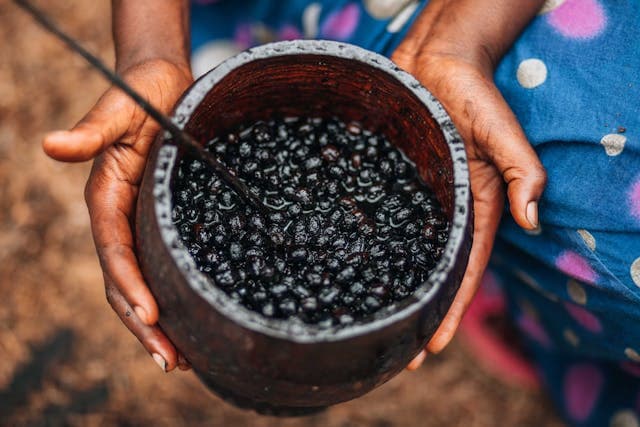
El açaí no crece en todas partes. La fruta es nativa de la región amazónica de Sudamérica y crece en un tipo de clima muy específico, por lo que, lógicamente, la producción está concentrada.
- Eso convierte a Brasil en el mayor centro de producción, con la mayoría del açaí mundial procedente del Estado de Pará. Básicamente, si estás buscando abastecimiento en volumen, Brasil es donde comienza la conversación. Puedes buscar en otros lugares, pero eventualmente regresas a este país porque ahí es donde está construida la cadena de suministro, existe la experiencia y los volúmenes de cosecha son predecibles.
- En el lado de la demanda, América del Norte lidera actualmente el mundo en consumo de açaí, principalmente porque las marcas allí han logrado comercializar el açaí como un "alimento funcional" premium.
- Los distribuidores norteamericanos también se benefician de un entorno de precios que respalda una posición premium en las estanterías. Los consumidores están dispuestos a pagar más por productos asociados con la salud, antioxidantes y bienestar, lo que estabiliza un poco los márgenes.
- Curiosamente, Europa y Asia Pacífico están alcanzando rápidamente. De hecho, se prevé que Asia Pacífico crecerá más rápido que Europa en los próximos años.
- La demanda no es teórica: Estados Unidos importó más de 10,000 toneladas de bayas de açaí en los últimos años, según datos de importación del USDA citados por Fortune Business Insights. Prueba suficiente de que el açaí ha pasado del bombo publicitario al flujo constante del comercio.
Entonces, de alguna manera, pasamos de pequeñas comunidades amazónicas cosechando bayas a mano a redes logísticas globales moviendo miles de toneladas a través de continentes. Ese cambio te dice una cosa: los alimentos funcionales están moldeando los patrones de comercio global.
Perspectivas de la Cadena de Suministro y Comercio 2026
Para compradores y proveedores, la adquisición estratégica de açaí no es tan complicada, pero definitivamente requiere planificación.
- El riesgo climático sigue siendo la variable principal de suministro en 2026. Informes desde la franja de açaí del Amazonas apuntan a condiciones más cálidas y secas que afectan los rendimientos, y esto tiende a reflejarse rápidamente en la disponibilidad de pulpa, los precios puntuales y la utilización de fábricas, especialmente cuando se retrasa el momento de la cosecha.
- La política comercial puede influir en la demanda de EE. UU., y la planificación de 2026 necesita una mentalidad de "con aranceles, sin aranceles". Reuters ha seguido cómo los aranceles de EE. UU. sobre el açaí brasileño amenazaron la transferencia de precios en 2025, por lo que los compradores de 2026 suelen cubrir riesgos alineando tamaños de paquetes alternativos, especificaciones de marcas privadas y canales fuera de EE. UU. en caso de que los aranceles reaparezcan.
- Las perspectivas de exportación de Brasil para 2026 son importantes para los tiempos de entrega, y las negociaciones darán forma al contexto. Brasil proyecta un mayor superávit comercial en 2026, mientras impulsa acuerdos comerciales nuevos y ampliados, lo que puede influir en los volúmenes portuarios, el rendimiento aduanero y la competencia de transporte refrigerado desde Brasil.
- Las expectativas de diligencia debida de la UE siguen endureciéndose, incluso cuando el açaí no es el producto principal. Las reglas de la UE sobre deforestación elevan el estándar de trazabilidad y prueba de origen, y la investigación centrada en Brasil advierte que los costos de cumplimiento, los requisitos de datos y la documentación de los proveedores afectarán cada vez más las cadenas de suministro vinculadas al Amazonas, incluidos los ingredientes adyacentes y los insumos de embalaje utilizados por las marcas de açaí.
- La disciplina en la cadena de frío es el diferenciador silencioso para los ganadores de 2026. A medida que la demanda de açaí se inclina hacia la pulpa congelada, bebidas funcionales y suplementos, la ventaja en la cadena de suministro a menudo proviene del transporte refrigerado estable y el transporte terrestre refrigerado, y las previsiones de fletes para 2026 sugieren que la presión sobre los precios de transporte refrigerado puede persistir, por lo que los contratos, buffers y rutas alternativas son importantes.
Esto significa competencia para los equipos de adquisición. Los días en que solo los grandes importadores podían mover açaí han terminado. Las marcas más pequeñas ahora tienen la capacidad de ir directamente a los proveedores a través de plataformas verificadas y redes de abastecimiento global.
Cómo los consumidores están moldeando el mercado de açaí
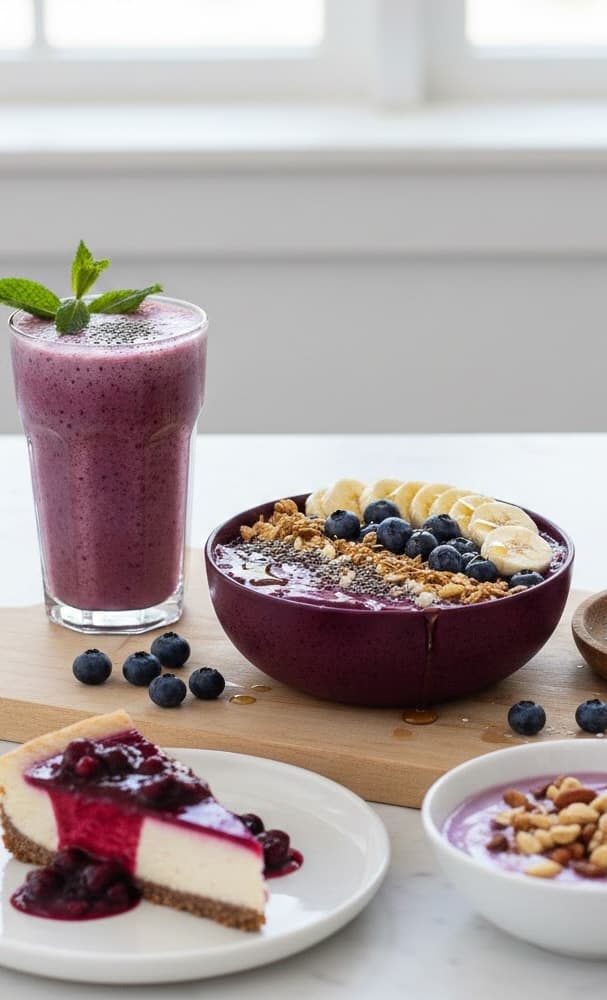
Los compradores de hoy son muy intuitivos con lo que consumen. Y el açaí resulta encajar con esa mentalidad. Se encuentra en la intersección de alimentos funcionales, elecciones de estilo de vida y expectativas de etiquetas limpias. Básicamente, la demanda está siendo moldeada por valores, no solo por el sabor o la conveniencia.
Compradores con enfoque en la salud
Los consumidores están optando por alimentos que merecen estar en la cesta. El açaí es atractivo porque ofrece un verdadero valor con altos contenidos de antioxidantes, fibra y micronutrientes. Los compradores no buscan un truco, sino pruebas. Esto significa que los proveedores y distribuidores deben enfatizar lo que importa: etiquetas limpias, listas de ingredientes sencillas y empaques que muestren el producto detrás de la marca. Combinar el açaí con otros artículos funcionales también puede impulsar la prueba y la compra repetida.
Premiumización y demanda impulsada por la experiencia
El açaí se hizo popular en los cafés y bares de batidos porque las personas podían experimentarlo. La conexión emocional perdura. Luego, cuando los compradores ven el açaí envasado en el comercio minorista, el producto se siente familiar y premium. Los distribuidores deberían aprovechar empaques que muestren estilo de vida con un diseño limpio, origen claro y pruebas de que es auténtico.
Crece el canal online y directo
El açaí se vende con fuerza en línea porque coincide con la forma en que las personas compran productos de salud ahora: búsqueda rápida, pago rápido, pedidos recurrentes. Grand View Research espera que las ventas digitales crezcan aproximadamente un 7.3% CAGR hasta 2030. En lugar de tratar el comercio electrónico como "extra", los mayoristas pueden tratarlo como un canal constante. Los envíos más pequeños, los pedidos recurrentes y el cumplimiento más rápido se convierten en ventajas. Las marcas que simplifican la entrega suelen ganar la fidelidad de los clientes.
Enfoque en etiquetas limpias, sostenibilidad y trazabilidad
Las personas realmente leen las etiquetas ahora. Quieren saber de dónde proviene el açaí, cómo se cosechó y si apoya a los trabajadores en el Amazonas. Las certificaciones, el eco-empaque y las historias de abastecimiento honesto generan confianza. Cuando los minoristas priorizan la trazabilidad, el movimiento en el estante parece ser mejor porque los valores siguen moldeando la cesta.
Innovaciones y oportunidades que están cambiando el panorama del açaí
Una prueba sólida del crecimiento del açaí proviene de Technavio, que estima que el mercado de productos de bayas de açaí crecerá en aproximadamente 1,26 mil millones de USD entre 2025 y 2029, con un CAGR de aproximadamente 7%.
Nuevos formatos de procesamiento, expansión de productos
El formato principal solía ser la pulpa congelada. Ahora, hay más opciones como:
- bowls de açaí listos para comer vendidos en paquetes para llevar
- barras de snacks funcionales mezcladas
- polvos mezclados con otros superalimentos, como colágeno, matcha o chía.
Estos nuevos SKU facilitan a los minoristas y distribuidores llegar a diferentes segmentos como cafeterías, gimnasios, tiendas de batidos o incluso tiendas de conveniencia. En otras palabras, el açaí está saliendo del "pasillo de alimentos saludables" hacia entornos minoristas regulares.
Transformación digital dentro de la cadena de suministro
De hecho, una de estas tendencias es la adopción de herramientas tecnológicas en adquisiciones y ajustes en las cadenas de suministro. Como un análisis reciente de la industria ha señalado, las plataformas digitales se han vuelto aún más comunes para decisiones de abastecimiento, pronósticos de demanda y automatización logística, sin mencionar el uso de IA.
Básicamente, la industria está aprendiendo a evitar cuellos de botella. En lugar de esperar a que ocurran retrasos, las empresas están utilizando datos para predecir escasez y gestionar inventarios con anticipación. Eso significa mucho para los compradores que necesitan tiempos de entrega estables.
La sostenibilidad y el impacto social se vuelven innegociables.
El açaí se origina en el Amazonas, y los consumidores, especialmente los de Europa y América del Norte, buscan garantías de abastecimiento responsable. Según un informe de Reuters, cooperativas lideradas por mujeres en el norte de Brasil están manejando cada vez más la gestión de actividades de cosecha y procesamiento, mejorando las oportunidades de ingreso rural.
De alguna manera, la sostenibilidad se ha convertido en parte de la historia del producto. Por esta razón, los minoristas pueden usar este enfoque en el empaque y la comercialización de marcas privadas porque el consumidor final presta atención a la trazabilidad.
Expansión minorista y crecimiento de franquicias globales
Las cadenas de cafeterías funcionales están impulsando el açaí al ojo público. La marca de bowls de açaí Oakberry ha estado abriendo tiendas agresivamente en todo el mundo y reportó ventas superiores a €200 millones. Cuando una cadena global crece tan rápido, arrastra consigo toda la cadena de suministro. Más demanda = más pedidos de volumen = más necesidad de proveedores confiables.
Selecciones principales de Torg: Proveedores confiables de açaí
NUTRILATINO INDUSTRIA, COM. DE EXPORTACIÓN E IMPORTACIÓN DE PULPAS DE FRUTAS EIRELI – Brasil
Nutrilatino suministra açaí en múltiples formatos: pulpa congelada, mezclas, opciones liofilizadas. También desarrollan proyectos de marca privada, lo cual es útil si deseas tus propios SKUs de marca. Además, lo que hace que Nutrilatino destaque en el mercado es que su línea de productos no se limita al açaí. También se enorgullecen de procesar acerola, camu-camu, agua de coco, guaraná, maqui berry y pitaya.
SAMBAZON DO BRASIL AGROINDUSTRIAL LTDA – Santana, Brasil
Sambazon es conocido globalmente por su sostenibilidad y comercio justo. Ofrecen pulpa congelada, sorbetes y productos de açaí listos para usar, ideales si estás orientado a canales minoristas premium o de servicios de alimentos. Su historia de trazabilidad agrega valor al permitirte señalar el origen y el impacto social al promocionar tu producto.
MISTER FOODS BRASIL – Brasil
Mister Açaí se centra en la frescura y la conveniencia. Ofrecen una gama de bowls, copas y açaí con sabores para adaptarse a todo tipo de cafeterías, gimnasios y puntos de venta de servicio rápido. Su formato de empaque ayuda a los minoristas a reducir el tiempo de preparación: solo abre, coloca los ingredientes y sirve. De alguna manera, esto hace que el açaí sea un producto más fácil de escalar, incluso para pequeños distribuidores.
Conclusión
El açaí ha dejado de ser una fruta exótica. La categoría ahora encaja naturalmente en alimentos funcionales, lanzamientos de marcas privadas y estrategias minoristas premium. Sin mencionar que la demanda sigue aumentando, los formatos se están expandiendo y los proveedores se están volviendo más sofisticados con cadena de frío y preparación para la exportación. Las empresas que están viendo resultados sólidos son las que planifican con intención. Aquellos que están adaptando la forma del producto al canal, eligiendo proveedores confiables, y posicionando el açaí como un ingrediente funcional en lugar de una novedad. Un minorista incluso informó que una pequeña prueba con sobres congelados de açaí silenciosamente se convirtió en un artículo de alta repetición. Evidentemente, el açaí recompensa la consistencia, el abastecimiento inteligente y la comunicación clara de valor.
Solicitar cotización de pedido al por mayor
Pedido simple, precios transparentes, entregado directamente a su puerta