



What’s Making Waves in the Seaweed Market in 2026?
Explore the seaweed market’s rise in 2026 including growth forecasts, consumer trends, innovation in applications, and strategies shaping opportunities.
200+ Käufer vertrauen Torg beim Sourcing







Seaweed has quietly moved from the sidelines to the center of product development. Instead of being treated as a specialty ingredient, it’s now used as a base material in food production, nutraceutical formulas, skincare, agriculture inputs and even new packaging concepts. Demand keeps climbing, and sourcing conversations are getting more serious. If you work with product portfolios, procurement or distribution, this market is worth watching. It moves differently from traditional crops: faster development cycles, shorter lead times and new SKUs popping up every quarter. Basically, seaweed has shifted from “interesting idea” to a realistic business category with real volume. In this report, we’ll break down the growth numbers, the strongest regions, supply chain signals and the opportunities that are, evidently, opening right now.
Global Market Landscape: Scale, Segments, & Supply Dynamics
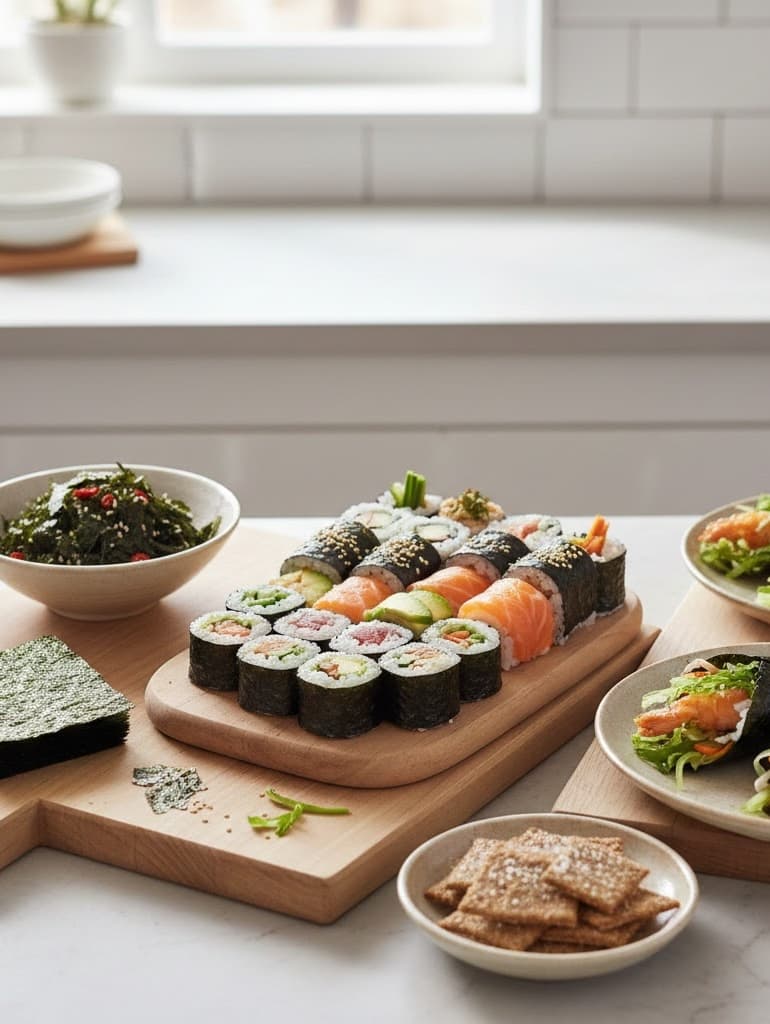
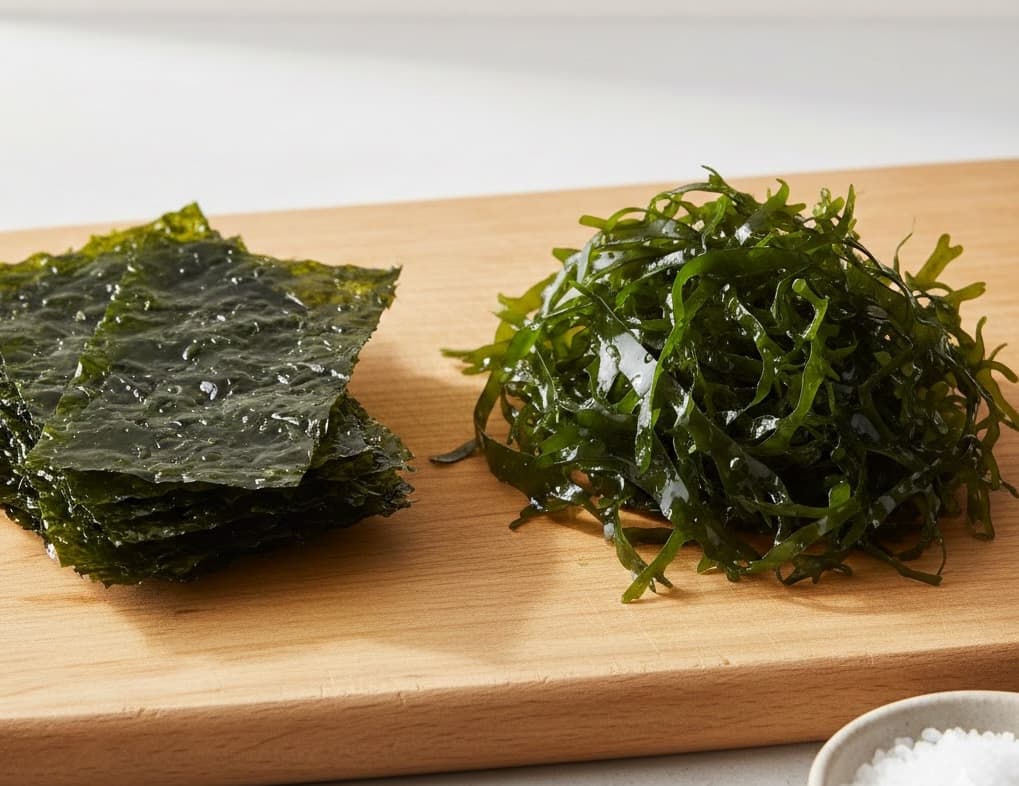
Seaweed isn’t pushing for attention anymore, because now, demand is pulling it in. Manufacturers now treat it as a serious input for product development, not a quirky add-on.
One projection puts the global seaweed cultivation market at USD 30.76 billion in 2025 with the figures expected to grow at USD 81.79 billion between 2026 to 2033.
A separate dataset that counts industrial and agricultural uses places it higher at around USD 78.1 billion market value projection in 2026, reaching USD 142.6 billion in 2035.
The data varies depending on what segments are counted, but the direction is the same: seaweed has moved into “essential input” territory, supplying multiple industries at once.
How the market splits
- Cultivated vs. wild
Cultivated seaweed holds the bigger share as it behaves like a predictable supply chain. Scheduled harvests. Consistent moisture levels. Controlled growing areas. Wild harvesting, though, still depends on tides, storms, and ecosystem rules. Basically: cultivated = scalable, wild = variable. - Product type
Red seaweed takes the lead because it’s used to produce carrageenan, alginate, and hydrocolloids — ingredients that quietly sit behind hundreds of food SKUs. Brown seaweed leans toward extracts and farm applications, while green varieties show up more in snacks and specialty formats. - Application use cases
Food and beverage still dominate (seaweed sheets, dried snacks, seasoning flakes). But cosmetics, nutraceuticals, agriculture, and animal feed are speeding up their adoption — clearly widening the market.
Think of it like this: seaweed isn’t being bought for one use. It’s being pulled into multiple industries at once. That’s where the scale — and opportunity — is coming from.
Regional Insights: Where the Real Volume Comes From
- Asia-Pacific carries the weight of this market. China, Indonesia, and South Korea don’t just farm seaweed — they run full ecosystems around it. Massive aquaculture sites, drying yards, extraction facilities, hydrocolloid processors. These are not small coastal projects; these are industrial supply engines.
- Europe and North America, on the other hand, are on a whole lotta different game. Instead of high-volume farming, they focus on specialty processing, especially seaweed protein and extracts. For instance, the seaweed protein segment was valued at USD 959.83 million in 2025 and is predicted to hit USD 2.81 billion by 2032. (~16.59% CAGR).
So the flow looks like this: APAC grows it. Western markets refine it. Margin sits in the middle — where seaweed gets converted into value-added formats. You can almost see the pattern: origin → processing → premium output. Simple on paper, but the execution is where sourcing teams either win or choke.
Supply-Chain Realities You Need to Know
Supply chains look neat in a slide deck. In real life, they behave differently. And seaweed adds another layer: farms depend on water temperature, seasons, and coastal infrastructure. Somehow, one weather anomaly can shift timelines by weeks.
- Farming capacity is increasing. Better seed stock, structured aquaculture, and improved growing systems reduce volatility. Cultivated seaweed is far more predictable.
- Processing is the bottleneck. Farming can scale fast; drying and extraction can’t. When demand spikes, there’s only so much extraction capacity available.
- Trade direction matters. Most raw seaweed still moves APAC → Western markets. Lead times, shipping windows, and drying capacity affect landed cost.
- Regulation is tightening. Sustainability claims and traceability aren’t optional anymore. Heavy-metal testing and ecosystem impact reviews are being scrutinized. A recent investigation led by the Natural History Museum warned that poor conservation oversight could affect wild-harvested supply in the future.
For sourcing teams, the play is simple on the surface, yet strategic underneath:
- cost per kilo
- distance from farm to processor
- drying/extract timeline
- certification readiness (eco, traceability, heavy-metal testing)
Basically, don’t put all your volume into one geography or one format. Cultivated + processed formats. APAC + emerging secondary origins. A single-origin sourcing strategy works — until weather stalls an entire coastal harvest, and suddenly you’re out of stock.
Flexibility is the real insurance policy.
Innovation Highlights: Where Seaweed Meets Strategy
The pace of change around seaweed isn’t slow anymore. Suppliers are experimenting, processors are upgrading and new categories are forming. Here’s what’s shaping decisions right now:
- Tech-enabled aquaculture is scaling output.
Farms are using monitoring systems and improved seed stock to stabilize yields and reduce waste. Better consistency means fewer surprises for sourcing teams. - Seaweed protein and extract development is accelerating.
Seaweed is moving into functional nutrition and ingredient markets, not just hydrocolloids. The seaweed protein segment is projected to grow ~16.59% CAGR through 2032. - Snack and dried formats are gaining traction.
Demand for dried seaweed, especially convenience packs and Asian-inspired seasonings is rising, with projections reaching USD 44.16 billion by 2034. - Seaweed as material: bioplastics and textiles enter production.
Innovators are converting sargassum into vegan leather and textile alternatives. This gives seaweed a new revenue channel beyond food. - Regulation and quality standards are tightening.
Heavy-metal testing, traceability and certification are becoming mandatory rather than optional. For sourcing teams, documentation is now part of the value. - Regions are consolidating production.
Southeast Asia clusters farming + processing + export to reduce cost, while Africa and Latin America are stepping in with emerging capacity — useful for supplier diversification.
Basically, the market is shifting from raw volume to strategic value. If you’re sourcing, don’t just look at seaweed sheets. Look at formats that unlock new channels — extracts, proteins, biomaterials — and keep a close eye on lead times, cost per kilogram, and supplier flexibility.
Key Drivers Fueling the Seaweed Surge
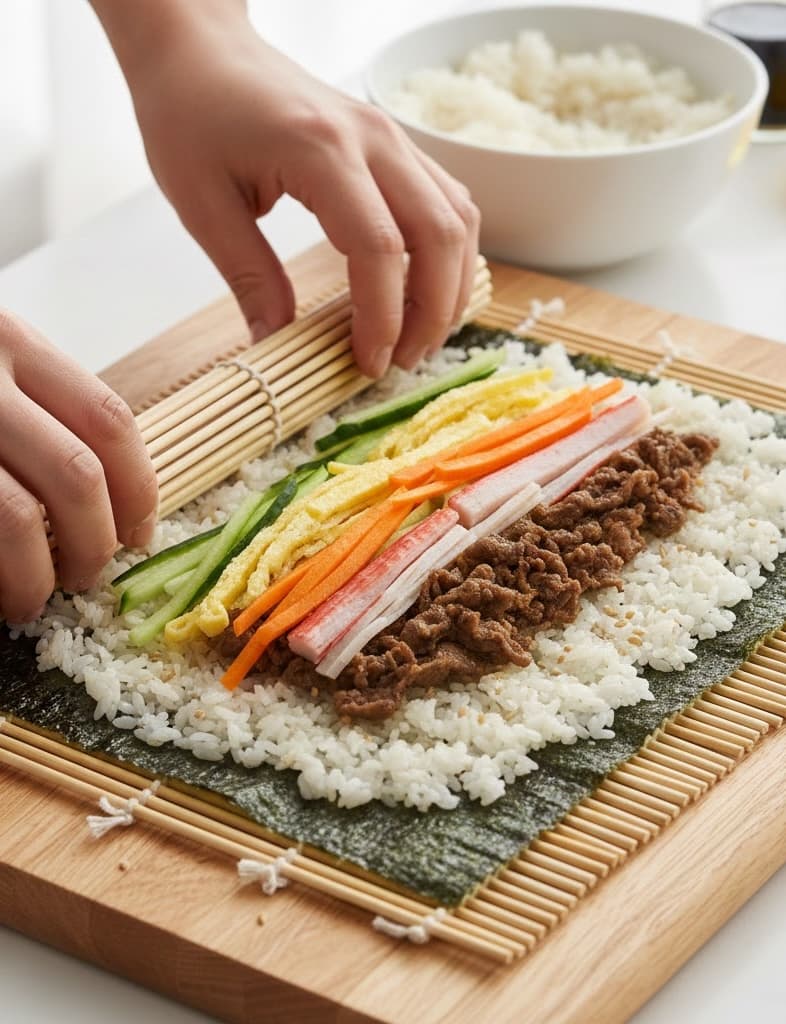
Seaweed demand isn’t rising due to hype. It’s rising because it solves real sourcing problems. Buyers want raw materials that scale, don’t strain land or water resources, and can slot into multiple product categories. Seaweed, somewhat unexpectedly, keeps ticking those boxes.
Health, Plant-Based Nutrition & Clean-Label Demand
Brands need ingredients that sound good on a label and behave well in formulation. Seaweed brings minerals, iodine and functional proteins — and it replaces synthetic stabilizers like agar and carrageenan with something naturally derived. Clean-label and plant-based development isn’t slowing down; seaweed just fits into that shift without forcing reformulation headaches.
Sustainability, Marine Resources & Environmental Advantage
From a sourcing standpoint, seaweed is low maintenance. No freshwater. No fertilizer. No land competition. It grows where crops can’t. But sustainability isn’t automatic — regulators are watching wild harvesting more closely, after studies warned that some ecosystems may be under pressure. Cultivated supply gives better traceability and fewer surprises.
Multi-Application Expansion (Food, Feed, Cosmetics, Materials)
What makes seaweed commercially exciting isn’t just demand. It’s the versatility. The same raw material can enter snacks, animal feed, skincare actives, crop biostimulants, and even biomaterial prototypes. That means one sourcing decision can unlock multiple revenue paths. For distributors, that flexibility is gold.
Strategic Opportunities in the Seaweed Market
Demand is there, but growth comes from how you position your supply. Here are five opportunities that actually move the needle.
Build a balanced SKU mix (core + value-added)
Commodity formats like nori, wakame, and kelp move at a steady volume. But margin often shows up in value-added SKUs: extracts, snack formats, protein concentrates. Carry both. Let your core items pull in predictable orders, then layer premium products to boost profitability. It’s like anchoring your line with basics while testing higher-value options.
Treat packaging and format as growth levers
Pack size affects sell-through. Smaller packs work for e-commerce and vegan stores; bulk formats suit industrial buyers. Single-serve snack sheets and branded ingredient packs are gaining traction. Basically, format isn’t cosmetic, though it shifts where and how a product moves. Test different pack sizes based on channel behavior, not personal preference.
Prioritize supplier flexibility and origin diversification
Seaweed depends on coastal conditions. One storm, and timelines shift. Having suppliers from multiple regions — cultivated and wild — gives you breathing room. Ask about lead time, drying capacity, and minimum orders. Suppliers who can pivot flavor, cut size, or extract type give you room to adapt without restarting negotiations.
Enter emerging farming regions early
APAC owns scale, but Africa and Latin America are quietly growing farming capacity. Sourcing here isn’t just about cost. It’s early positioning. Smaller farms are more open to private label and customized specs. Somehow, the edge goes to whoever builds relationships before everyone else notices the market.
Make traceability and sustainability non-negotiable
Premium buyers increasingly ask for documentation: eco-certification, heavy-metal testing, supply-chain traceability. These aren’t just a preference anymore. Clean documentation wins contracts, especially with nutraceutical, skincare and food-tech buyers. Sustainable claims open doors to higher-margin segments, while vague sourcing tends to stall negotiations.
Torg’s Top Picks of Seaweed Suppliers
SUNIL PRODUCTS CO., LTD. — South Korea
Sunil Products focuses on quality and consistency. Their lineup ranges from roasted and seasoned seaweed sheets to dried formats used in manufacturing. They keep processing tight — controlled drying, stable flavor, predictable specs — which makes sourcing a lot easier. If you need dependable premium seaweed from a mature farming ecosystem, this name usually comes up.
RECHY FOOD TECHNOLOGY LTD. (Shanghai Pudong Branch) — China
Rechy dives deep into seaweed cultivation and marine agronomy. They work not only with food-grade seaweed but also with applications linked to biomaterials, feed and renewable uses. They’re tech-forward, flexible with formats and open to R&D discussions. Basically, if you’re exploring functional or industrial seaweed uses, this supplier is worth shortlisting.
PT. BUANATAMA FAJAR ABADI — Indonesia
This supplier focuses on tropical seaweed processing with an emphasis on sustainability. They produce agar and carrageenan which are key hydrocolloids used across food, biotech and industrial blends. Indonesia is a volume powerhouse, so lead times and availability are strong here. Good fit when you need scale, competitive pricing and stable raw material supply.
Conclusion
Seaweed is no longer something companies experiment with on the side. It is becoming part of real sourcing conversations and long term planning. What makes it valuable is not only demand, but its flexibility. One raw material can feed multiple product lines, from snacks to biostimulants to actives for skincare. For procurement teams, the smart approach is simple: secure stable volume for your baseline needs, then add higher value formats such as extracts or proteins where the margins are stronger. Keep an eye on lead times, quality documents and origin diversity. In a market that moves this quickly, the ability to pivot is what protects your supply and grows your category.
Anfrage für Großbestellung
Einfache Bestellung, transparente Preise, direkt an Ihre Tür geliefert