



Markt für Fruchtmarmeladen 2025: Clean Labels treiben das Wachstum voran
Erkunden Sie tiefgehende Einblicke in den Markt für Fruchtmarmeladen – Größe, Trends, Lieferkette, neue Chancen. Nützlich für Einkäufer, Einzelhändler, Großhändler, Distributoren.
200+ Käufer vertrauen Torg beim Sourcing







Auf den ersten Blick wirken Fruchtmarmeladen unscheinbar. Es ist einfach etwas, das man gedankenlos auf Toast streicht. Doch hinter diesem kleinen Glas steckt eine ganze Industrie. Spanische Bauern, französische Verarbeiter, indische Verpackungsanbieter und britische Händler sind alle durch Handel, Logistik und Timing miteinander verbunden. Jede Preisänderung, jeder saisonale Engpass, jede Laune des Käufers – nichts davon geschieht isoliert. Die Wellenbewegung geht durch das gesamte Netz. Man spürt es, egal ob man handelt, verkauft oder die Waren bewegt. Möchten Sie in diesem Geschäft erfolgreich bleiben? Dann achten Sie darauf. Timing ist hier entscheidend. Wissen (wirklich wissen) ist, was Sie davor bewahrt, zurückzufallen.
Überblick über den globalen Fruchtmarmeladenmarkt
Noch immer steigend, summt der Fruchtmarmeladenhandel stetig unter dem Lärm. Bis 2025 wird prognostiziert, dass er 8,1 Milliarden USD erreicht und fünf Jahre später näher bei 10,2 Milliarden USD liegt. Ein 4,7 % CAGR – nichts Außergewöhnliches, aber ausreichend, um die Lagerbestände voll und die Investoren beruhigt zu halten. Einige schätzen ihn noch höher, nahe bei 12,4 Milliarden USD bis 2033. Andere sind vorsichtiger und flüstern kleinere Zahlen. Ein langsamer Anstieg von 1–2 %, der sich geduldig bis 2035 erstreckt. Zahlen schwanken, aber eines ist sicher: Der Markt wächst, jedoch nicht gleichmäßig über alle Sektoren oder Regionen hinweg.
Aber warum das unausgewogene Wachstum? Weil das, was in Frankreich oder Japan verkauft wird, nicht unbedingt in Indien oder Brasilien verkauft wird. Lokaler Geschmack, Einzelhandelsformate und die Verfügbarkeit von Früchten bestimmen die Nachfrage unterschiedlich. Einkäufer verstehen das bereits. In Madrid leeren sich die Regale schnell, wobei die Bio-Beerenmarmeladen vor Mittag ausverkauft sind. Auf der anderen Seite der Welt, in Manila, sind es die zuckerarmen tropischen Mischungen, die von den Regalen fliegen. Unterschiedliche Städte, gleiche Sehnsucht. Nur geprägt durch Klima, Kultur und das, was die Menschen jetzt „bessere Entscheidungen“ nennen.
Hier ist, was hinter diesen Zahlen steckt, einfach erklärt:
- Spezial- und hochwertige Marmeladen (bio, handwerklich, zuckerarm) gewinnen Marktanteile.
- Massenmarkt- oder traditionelle Marmeladen wachsen langsamer, angetrieben durch Kostenwettbewerb und gesundheitsbewusste Verbraucher.
- Die zunehmende Urbanisierung und der verbesserte Zugang zum Einzelhandel in Asien-Pazifik und Lateinamerika treiben die Verkäufe in den Schwellenmärkten voran.
- Eigenmarken-Marmeladen werden zu Kraftzentren, insbesondere in Supermarktketten in Europa und Nordamerika.
- E-Commerce-Plattformen umgehen die Zwischenhändler und lockern den Griff der altmodischen Distributoren. Was früher Jahre an Einzelhandelsverträgen benötigte, geschieht jetzt mit wenigen digitalen Klicks.
Kurz gesagt, der Fruchtmarmeladenmarkt bewegt sich weg von vorhersehbaren Regalen hin zu dynamischen, sich schnell ändernden Verbrauchertrends. Von Exporteuren bis hin zu Kleinserienherstellern passen sich alle an das an, was neue Käufer wirklich wünschen: Authentizität, Geschmacksvielfalt und gesündere Varianten.
Wichtige Produktions-, Import- und Exportnationen
Das Netzwerk der Fruchtmarmeladenversorgung ist über Kontinente hinweg eng verknüpft. Produktion, Export und Importhandel gestalten sich ungefähr so:
Produktionsführer:
- Die Europäische Union (insbesondere Spanien, Frankreich und Italien) bleibt eine treibende Kraft. Diese Länder verbinden starken Obstanbau mit fortschrittlichen Verarbeitungsanlagen.
- Türkei und Polen haben sich als zuverlässige Anbieter von beerenbasierten Marmeladen und Fruchtpürees etabliert.
Exportunternehmen:
- Spanien und Frankreich führen den Export von Spezialmarmeladen und Premium-Pürees an, insbesondere Erdbeere, Aprikose und gemischte Beeren.
- Chile und Mexiko haben sich als führende Exporteure nach Asien und Nordamerika etabliert, da sie kosteneffektiv sind und gute klimatische Bedingungen haben.
Importeure:
- Asiatische und Nahostländer sind stark abhängig von importierten Premium-Marmeladen oder konzentrierten Fruchtbasen.
- Südostasiatische Nachfrage nach importierten gemischten Fruchtmarmeladen bleibt stark, insbesondere bei städtischen Mittelklasse-Verbrauchern.
Regionale Gleichgewichte:
- Asien ist für etwa 13,6 % des weltweiten Marmeladenverkaufs nach Volumen verantwortlich, und Lateinamerika hat etwa 12,2 %.
- Europa ist weiterhin der größte Verbraucher und Exporteur zusammen, teilweise aufgrund seiner ausgereiften Einzelhandels- und Gastronomiemärkte.
Interessanterweise springen zahlreiche aufstrebende Märkte direkt in zeitgemäße Produktlinien, zuckerarme Aufstriche, Quetschbeutel oder reine Fruchtmarmeladen, ohne die jahrzehntelange Massenmarktphase zu durchlaufen, die Europa erlebt hat.
Kernproduktkategorien im globalen Handel
Der grenzüberschreitende Export von Fruchtmarmeladen ist vielfältig, doch einige Kategorien stechen konsequent hervor:
- Traditionelle Fruchtmarmeladen: Ein-Frucht-Varianten wie Erdbeere, Himbeere oder Heidelbeere bilden weiterhin den Großteil des internationalen Handels.
- Konfitüren: Diese enthalten größere Fruchtstücke und werden als "hausgemachter Stil" beworben.
- Zuckerarme oder ohne Zuckerzusatz Aufstriche: Der Konsum hat zugenommen, da Verbraucher nach gesünderen Optionen suchen, ohne den Geschmack zu beeinträchtigen.
- Exotische Mischungen: Exotische, gemischte Fruchtmarmeladen – Ananas-Ingwer, Mango-Maracuja – entwickeln sich zu Bestsellern, insbesondere aus Asien und Südamerika.
- Konzentrate und Fruchtpürees: Diese werden in großen Mengen verkauft, um industrielle Lebensmittelhersteller zu beliefern, die Marmelade als Zutat in Joghurts, Gebäck oder Snackriegeln verwenden.
Ein Großteil der weltweiten Exporte wird weiterhin in fertig für den Einzelhandel bestimmten Gläsern oder PET-Flaschen verschickt, aber es gibt eine zunehmende Bewegung hin zu Massensendungen zur Weiterverarbeitung. Dies ist besonders im B2B-Handel zwischen Lebensmittelriesen und Fruchtverarbeitern üblich.
Neueste Ereignisse und Entwicklungen
Das ist neu im Bereich der Fruchtmarmeladen:
- Ernteveränderungen bei Beeren
In einigen Regionen Europas haben starke Regenfälle und anschließend Hitzewellen große Mengen an Beeren zerstört. Ein Blaubeerenbauer in Norddeutschland berichtete, dass sie die Ernte drei Wochen früher beenden mussten, da die meisten Beeren verdorben oder überreif waren. Einfach ausgedrückt beeinflussen Veränderungen der Erntezeiten die Verarbeitungsqualität, den Geschmack, die Säure und die flüchtigen Verbindungen in Fruchtkulturen. Die Folge ist bedauerlich. Das Angebot sank und die Preise für Rohfrüchte stiegen rapide.
- Steigende Inputpreise in allen Bereichen
Zucker, Glasgefäße, PET-Deckel, Energie — alles wird teurer. Einige Marmeladenhersteller reagierten, indem sie ihre Rezepte anpassten (weniger Fruchtgehalt, reduzierter Zucker) oder Preiserhöhungen weitergaben, um ihre Margen zu halten.
Zum Beispiel vermarkten in Nordamerika Traditionsmarken jetzt „Clean-Label“-Versionen, um Premiumpreise zu ermöglichen.
- Änderungen in Handelsrichtlinien führen zu größeren Reibungen
Mehrere Länder haben strengere Lebensmittelkontrollen eingeführt oder Importzölle auf verarbeitete Fruchtprodukte verhängt. Diese Änderungen haben günstige Marmeladenimporte insbesondere in Südostasien und einigen afrikanischen Regionen gestoppt.
In den Vereinigten Staaten haben umfassende Zölle und die Abschaffung des „de minimis“ E-Commerce-Importe erschwert.
Lieferkette und Handel im Fruchtmarmeladenmarkt
Mit weniger Ressourcen als es scheint, ist die Lieferkette für Fruchtmarmeladen stärker vernetzt. Eine marginale Veränderung des Wetters, der Verpackungskosten oder der Versandkosten kann die globalen Preise innerhalb weniger Wochen beeinflussen. Jedes Glas im Geschäft hat bereits mehrere Kontrollpunkte durchlaufen — Bauernhöfe, Verarbeiter, Verpacker und Exporteure — bevor es einen Käufer erreicht.
Aus handelstechnischer Sicht operiert der Markt sowohl schnell als auch präzise. So läuft es normalerweise:
- Beschaffung von Früchten und Ernte: Wetterfluktuationen beeinflussen die Erträge, insbesondere bei Beeren. Eine nicht erntefähige Ernte in Spanien oder Polen kann die Preise um 10–15 % steigen lassen. Schneller Transport zu Verarbeitern ist entscheidend, um Verderb zu vermeiden.
- Verarbeitung und Konzentration: Die meisten Hersteller verlassen sich derzeit auf vorverarbeitete Fruchtpürees, um Zeit und Kosten zu sparen. Stromrechnungen bleiben während dieses Schrittes ein zentraler Druckpunkt.
- Verpackung und Etikettierung: Die globale Nachfrage nach Verpackungen erreichte 2024 295 Millionen USD und wird voraussichtlich 432 Millionen USD bis 2032 erreichen.
Die Handelsvolumina sind robust. Der kombinierte Markt für Marmeladen, Gelees und Pürees wird voraussichtlich bis 2035 14 Millionen Tonnen erreichen, im Wert von 32 Milliarden USD. Europäische Blaubeerpreise im Einzelhandel liegen zwischen 12 und 32 € pro Kilo, während Premium-Marmeladen im Glas zwischen 4–8 USD pro 8 oz Glas, abhängig von Herkunft und Fruchtsorte.
Effektive Logistik, stabile Fruchtversorgung und konsistente Kühlketten unterscheiden nun wettbewerbsfähige Exporteure von denen, die unaufhörlich nach Stabilität streben.
Was treibt das Wachstum des Fruchtmarmeladenmarktes voran?
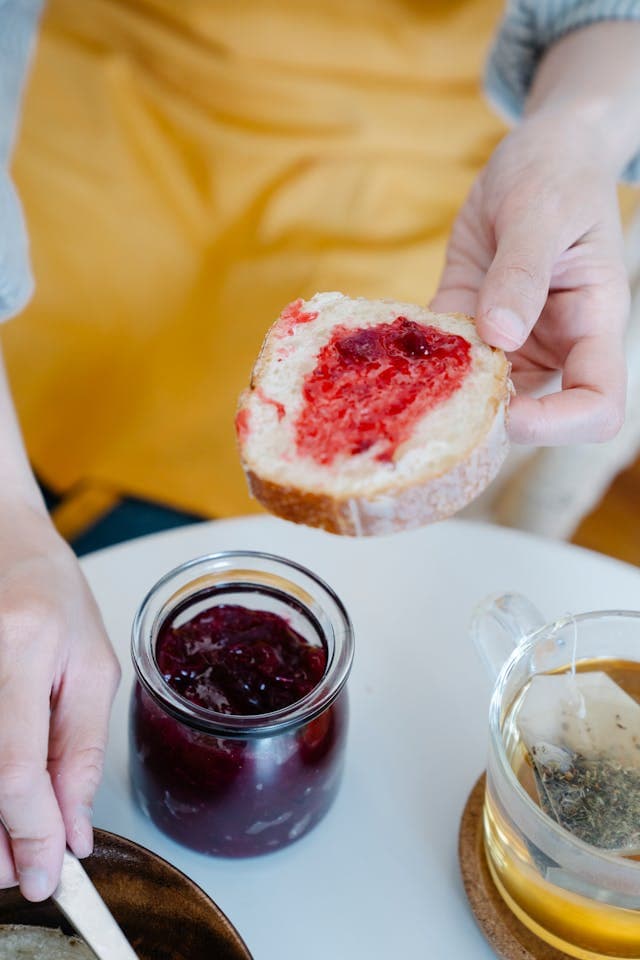
Die Veränderungen auf dem Markt für Fruchtmarmeladen werden durch sich wandelnde Geschmäcker, intelligentere Verpackungen und effizientere Wege, Gläser schneller in die Hände zu bekommen, geprägt. Diese sind jedoch nicht zufällig. Sie sind kalkuliert, marktorientiert und verbrauchergesteuert. Was treibt also derzeit die Nachfrage nach Marmeladen wirklich an?
1. Gesundheit, weniger Zucker & klare Etiketten
Die Menschen sind es leid, zu rätseln, was im Glas steckt. Sie wollen saubere, einfache und ehrliche Zutaten – solche, die sie tatsächlich aussprechen können. Weniger Zucker. Keine Zusatzstoffe. Nichts Künstliches. Etiketten mit der Aufschrift „ohne Zuckerzusatz“ oder „100 % Frucht" verschwinden zuerst aus den Regalen, besonders in Europa und Asien, wo Klarheit inzwischen schneller verkauft als Süße.
2. Geschmacksinnovation & exotische Mischungen
Geschmacksüberdruss existiert. Deshalb werden Mango-Ananas- oder Passionsfrucht- und Blaubeere-Brombeere-Mashups zu Hits. Begrenzte oder lokal kreierte Rezepte sprechen auch Verbraucher an, die sich Neuheiten auf dem Frühstücksteller wünschen. Wie Apicius zitiert: "Wir essen zuerst mit den Augen!"
3. Funktionale oder „besser-für-dich“-Zutaten
Gesundheit ist nicht mehr nur ein Etikett, sondern eine Forderung. Die Menschen wollen mehr von dem, was sie auf ihr Toast streichen. Daher fügen Hersteller Chiasamen, Ballaststoffe und sogar Probiotika hinzu, wodurch Marmelade mehr zu einer Wellness-Gewohnheit als zu einer schuldigen Leckerei wird. Es ist eine seltsame, aber clevere Mischung, wie Genuss mit Zweck. Und sowohl für große Marken als auch für Kleinserienhersteller eröffnet diese „besser-für-dich“-Welle Türen, die sie zuvor nicht kannten.
4. Verpackung & praktische Formate
Design und Funktionalität zählen. Leichte PET-Gläser, einfach zu drückende Verpackungen und wiederverwendbare Verschlüsse sparen Geld und Abfall. Verpackungen für Einzelportionen fördern das Wachstum im Gastgewerbe- und Reisebereich. Einzelhändler geben an, dass die Verpackung häufig bestimmt, welches Produkt im Einkaufswagen landet, nicht immer der Preis.
5. E-Commerce & Direktvertriebskanäle
Immer häufiger kaufen Verbraucher Fruchtmarmeladen online, von Lebensmittel-Websites bis hin zu direkt von Marken betriebenen Seiten. Abonnementbasierte Modelle entstehen, die kleinen Herstellern Zugang zu globalen Kunden ohne Zwischenhändler ermöglichen. Für Distributoren ergeben sich neue Möglichkeiten, aber auch ein verstärkter Wettbewerb bei Preis und Lieferbedingungen.
Häufig verwendete Früchte in Fruchtmarmeladen
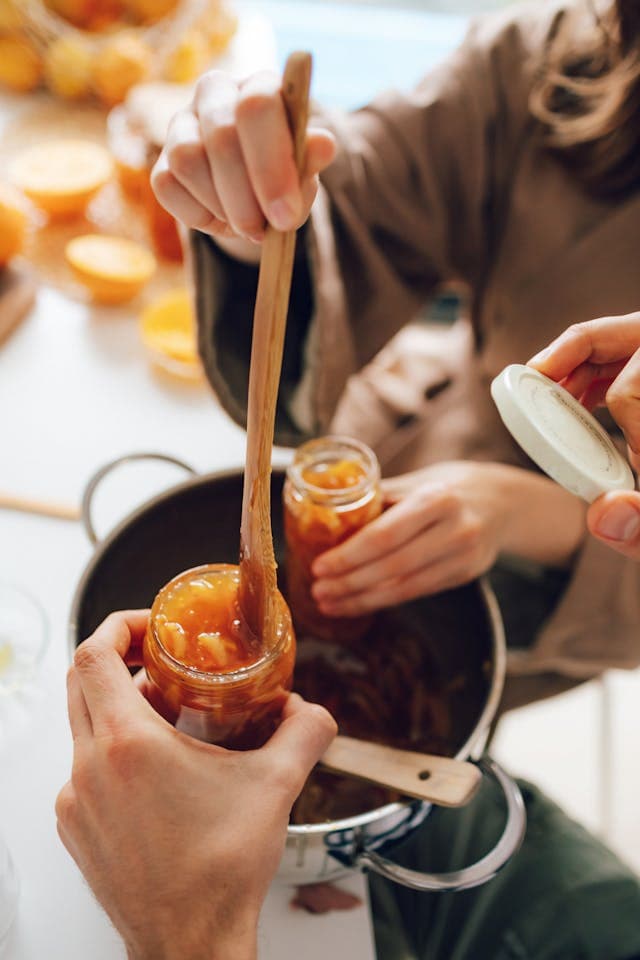
Verschiedene Früchte haben unterschiedliche Geschichten in der Fruchtmarmeladenindustrie zu erzählen – jede beeinflusst Geschmack, Textur und Preis. So vergleichen sich die Top-Sorten heute:
Erdbeere
Und dennoch die weltweit meistverkaufte Marmeladensorte. Ihre lebendige Farbe, Süße und absolute Beliebtheit sorgen dafür, dass sie dies bleibt. Erdbeeren sind jedoch empfindlich und haben nur eine kurze Erntezeit, was die Lieferplanung für Verarbeiter und Exporteure schwierig macht.
Himbeere / Brombeere / Gemischte Beeren
Solche Beeren werden häufig gemischt, um hochwertige und duftende Aufstriche herzustellen. Ihr säuerlicher Charakter sorgt für natürliche Balance zur Süße, aber sie sind teuer in Anbau und Verarbeitung. Aufgrund der geringen Produktion müssen die meisten Hersteller importierte Pürees aus Osteuropa oder Südamerika oder gefrorene Beeren verwenden, um die Kosten zu halten.
Blaubeere
Blaubeermarmeladen sind ein „Superfruit“ und profitieren vom Antioxidantien-Label. Die führenden Produzenten sind die USA, Kanada, Polen und Chile. Blaubeeren sind transportfreundlich, müssen jedoch genau gekocht werden – zu viel Hitze matscht sie und verfärbt ihr Aussehen. Premium-Marken verwenden typischerweise wilde Blaubeeren für einen intensiveren Geschmack.
Aprikose / Pfirsich / Pflaume
Diese Steinfrüchte haben einen reichen, milden Geschmack und eignen sich hervorragend für Frühstücksmarmeladen oder Dessertfüllungen. Sie passen auch gut zu Beeren oder Zitrusfrüchten, um Tiefe hinzuzufügen. Ihr größtes Problem ist jedoch die kurze Erntezeit. Empfindliche Schalen. Ihre Schönheit wartet nicht. Bei Steinfrüchten zählt das Timing.
Zitrusfrüchte (Orange, Zitrone, Limette, Grapefruit)
Zitrusfrüchte sind die vorherrschenden Marmeladen und Zitrusmarmeladen. Sie verleihen Biss und Geschmack und ergänzen süßere Fruchtsorten in Kombinationen. Spanien, Italien und Mexiko bleiben wichtige Quellen. Schale oder Zeste wird von Herstellern verwendet, um Textur und zusätzlichen Geschmack hinzuzufügen, obwohl gut kontrollierter Zuckergehalt vermieden werden muss, um Bitterkeit zu vermeiden.
Mango / Ananas / Tropische Früchte
Was früher „exotisch“ war – Mango, Guave, Ananas – steht jetzt bequem in den Regalen des Alltags. In Asien-Pazifik und Lateinamerika sind sie von der Seitenlinie ins Rampenlicht gerückt. Besonders Mango-Maracuja-Kombinationen verzeichnen ein schnelles Exportwachstum. Diese Früchte bieten gute Farbe und Duft, sind jedoch auf eine gute Kühlkettenlogistik angewiesen, um frisch zu bleiben.
Gemischte Früchte / Multi-Frucht-Mischungen
Dieses Segment hilft Herstellern, die Kosten auszugleichen und innovative Rezepte zu entwickeln. Die Mischung von Einfachen mit Premium – Äpfel oder Birnen mit Beeren oder Mango – verändert stillschweigend das Preisgefüge. Es hält die Kosten im Gleichgewicht, während der Geschmack aufregend bleibt. Mehr Optionen für Käufer. Höhere Margen für Einzelhändler. Und für Produzenten? Reine Gelegenheit. Diese Mischungen sind eine stille Art von Genialität – flexibel, vertraut und endlos anpassbar.
Chancen und Ideen für Innovation
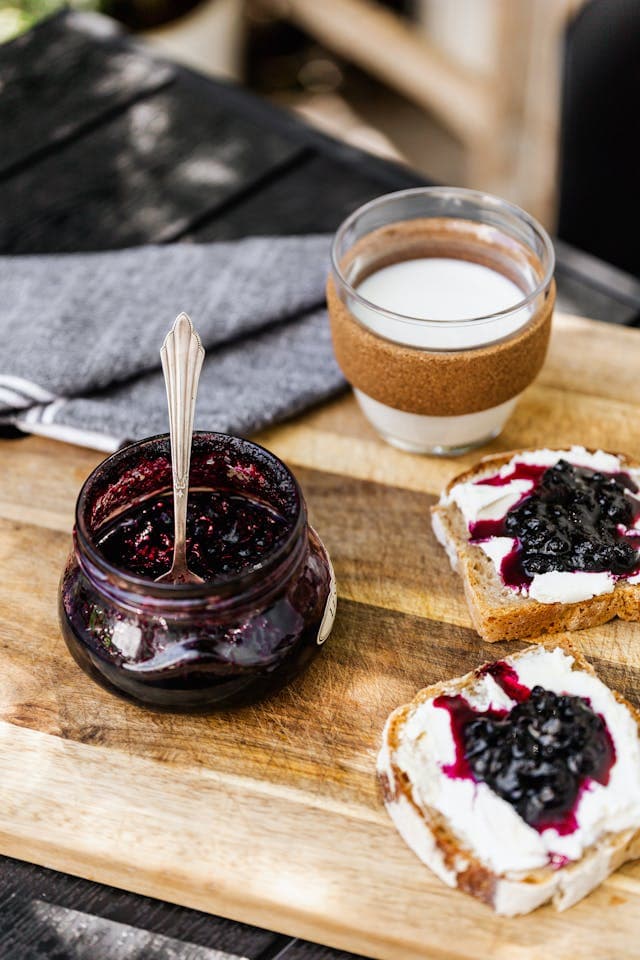
Der Markt für Fruchtkonfitüren verändert sich leise, aber sicher. Neue Verbrauchertendenzen, Verpackungsarten und Zutatenkonzepte bieten Herstellern reichlich Möglichkeiten. Die folgenden vier Entwicklungen geben derzeit die Richtung vor:
1. Mikro-Batch und handwerkliche Linien
Käufer achten zunehmend darauf, woher ihre Lebensmittel stammen. Fruchtbasierte, kleine Chargen, saisonale Konfitüren mit höherem Fruchtgehalt gewinnen Regalplatz im Premium-Segment. Etiketten, die den Obstgarten, den Produzenten oder die Region angeben, schaffen Mehrwert. Verbraucher möchten die Geschichte hinter dem Glas sehen.
2. Funktionale oder angereicherte Konfitüren
Gesundheitsbewusste Verbraucher erwarten mehr vom Frühstück. Hersteller fügen Probiotika, Vitamin C oder Chia für Nährstoffe und Textur hinzu. Andere bezeichnen diese als "aktive Konfitüren", die für Wellness-Kunden entwickelt wurden. Sie sind teurer in der Produktion, verkaufen sich jedoch schneller in Gesundheitsgeschäften und Online-Shops, die auf natürliches Leben spezialisiert sind.
3. Zuckerfreie oder zuckerarme & reine Frucht-Varianten
Die Nachfrage nach zuckerarmen Aufstrichen steigt weiter. Hersteller setzen jetzt auf natürliche Fruchtzucker oder verwenden Stevia und Mönchsfrucht, um die Süße auszugleichen. Konfitüren, die vollständig aus Fruchtfleisch hergestellt werden, insbesondere Produkte auf Mango- oder Bananenbasis, ziehen Verbraucher an, die raffinierten Zucker meiden. Einzelhändler verzeichnen in diesem Segment ein stetiges Wachstum über das ganze Jahr hinweg.
4. Nachhaltige und intelligente Verpackungen
Verpackungsoptionen werden zunehmend zu einem Marktfaktor. Hersteller wechseln zu Glasgläsern mit recycelten Deckeln, leichtem PET-Verpackungen oder kompostierbaren Beuteln. Einige enthalten QR-Codes, um Informationen zur Herkunft oder Rezepte anzuzeigen. Verbraucher schätzen die Transparenz, und Händler bevorzugen den Verkauf dieser Artikel in umweltfreundlichen Einzelhandelsketten.
Die besten Fruchtmarmeladenlieferanten von Torg
1. MEMBRILLO EL QUIJOTE S.A. — Spanien
El Quijote ist ein sehr alter spanischer Hersteller von Fruchtmarmeladen und Quittenpaste, gegründet im Jahr 1840. Das Unternehmen produziert in einer 26.000 m² großen Anlage mit einer jährlichen Produktion von etwa 10.000 Tonnen. Es kombiniert moderne Technologie mit traditionellen Techniken, um handgefertigte Fruchtmarmeladen, zuckerfreie Süßwaren und handgemachte Quittenpasten herzustellen, die in europäische Einzelhandelsmärkte exportiert werden.
2. BIOLO'KLOCK — Frankreich
Gegründet in Frankreich, spezialisiert sich Biolo'Klock auf biologische, lokal produzierte Fruchtprodukte — von Marmeladen und Pürees bis hin zu Sirups, Säften und Honig. Abfallfreie Verarbeitung und nachhaltige Landwirtschaft bilden die Grundlage ihres Geschäftsmodells. Jedes Glas ist eine Hommage an die lokale Landwirtschaft und den Umweltschutz. Ihre Bio-Marmeladen werden zum Liebling von Naturkosthändlern und gesundheitsorientierten Distributoren in Europa.
3. NESIL GIDA IMALAT SAN. TIC. LTD. STI — Türkei
Mit mehr als 45 Jahren Produktion hat Nesil Gıda die traditionelle Marmeladenherstellung perfektioniert und erfüllt gleichzeitig die heutigen Standards. Ihre Produktlinie umfasst Hagebutten-, Cranberry-, Weißdorn- und gemischte Fruchtmarmeladen, die alle aus 100% natürlichen Produkten hergestellt werden. Sie sind bekannt dafür, gleichbleibend aromatische, haltbare Marmeladen zu liefern, die sowohl den Massenmarkt als auch den Gourmetmarkt bedienen können.
Abschluss
Der Markt für Fruchtmarmeladen ist bekannt, aber verändert sich auf bedeutsame Weise. Hinter jedem Glas stehen sich wandelnde Handelswege, volatile Ernten und eine zunehmend starke Nachfrage nach saubereren, besseren Produkten. Käufer streben nach Transparenz, und Hersteller versuchen herauszufinden, wie sie sich anpassen können – schrittweise durch kleine Reformulierungen oder Verpackungsanpassungen.
Was einst ein zuverlässiges, saisonales Geschäft war, ist heute eine Arena für Innovation und Markenstorytelling. Käufer achten jetzt nicht nur auf Preisschilder, sondern fragen sich: „Wer hat das hergestellt?“ und „Was ist darin enthalten?“ Diese Neugier prägt die Entwicklung des Geschäfts. Silage mag auf dem Papier klein erscheinen, aber der wahre Fortschritt liegt in Innovation, in Mikrochargen, rein fruchtbasierten Rezepturen und nachhaltiger Verpackung. Diejenigen, die wirklich hören, was Kunden wünschen – und nicht, was ihnen gesagt wird, dass sie wünschen sollten – sind diejenigen, die das nächste Kapitel dieses Marktes schreiben.
Anfrage für Großbestellung
Einfache Bestellung, transparente Preise, direkt an Ihre Tür geliefert