



Premium Pastries: The New Retail Growth Driver
Premium pastries are becoming the next growth engine for retailers. Discover market data, consumer behaviour, and innovation trends tailored for B2B success.
200+ acheteurs font confiance à Torg pour l'approvisionnement







Premium pastries are getting in-demand, and retailers are taking notice. Not because it sounds sexy on paper, but because numbers from the bakery category indicate actual demand and repeat sale. Buyers and distributors notice a trend: customers crave quality that they can take on the go quickly, but still feel they're getting something worth it. In short, pastries are shifting from "nice to have" to the category that quietly propels higher margins. Some are playing it as a test, others have already opened up shelf space. If you are responsible for sourcing or product decisions and desire something with a clean growth trajectory, this category is, clearly, worth taking a closer look.
Sizing the Pastry Market
Jumping into product choices or sourcing plans without putting some context around how large the pastry category really is doesn't make much sense. Numbers tend to bring things back down to earth. And yes, the pastry segment is growing. Not madly quickly, but sufficiently so that retailers and distributors are increasing shelf space. Essentially, the category is successful because pastries fall between impulse and daily snacking that are convenient to sell for the stores and convenient to grab for the consumers without having to think too much.
The pastries market continues to grow, and the growth trend seems to be normal. As per Mordor Intelligence, the pastries market globally was approximately valued at USD 42.12 billion in 2025 and is estimated to be around USD 51.13 billion in 2030 with the CAGR of around 3.95%.
Taking a step back, the overall "pastry and cakes" segment is worth USD 123.3 billion in 2024, set to grow to USD 171.6 billion in 2034, with CAGR of about 3.4%, according to Global Market Insights Inc.
And if we consider the entire bakery market comprising breads, pastries, cakes, etc., then the figures are even bigger. Global bakery products are forecasted to increase from USD 504.78 billion in 2025 to USD 731.69 billion in 2032 at a CAGR of approximately 5.45%, as per Fortune Business Insights.
When you stack these figures up against one another, it makes sense: pastries aren't just add-ons any longer. They're clearly a moneymaking sub-segment within bakery, particularly when marketed as premium pastries, improved ingredients, improved packaging, improved margins.
Market segmentation
Wholesalers and buyers only care about one thing: what pastry formats sell through quickly and at higher margins. The trends are illustrated in the data.
- By product type: Packaged pastries rule with ~62.3% market share in 2024, but unpackaged pastries (such as fresh counter items) maintain higher growth, approximately 6.23% CAGR to 2030.
- By packaging / format: Multipacks have approximately 57.2% market share in 2024, but single-serve pastry is the most rapidly growing category, around 7.89% CAGR. Single-serve is convenience store, café display counter, and travel retail-friendly.
- By distribution channel: The retail channels like supermarkets, hypermarkets, convenience stores, and e-commerce handle approximately 69.7% of total pastry sales. Foodservice (hotel, café chains, catering, airline catering) comes second.
- By region: Europe dominates both consumption and production. Asia-Pacific demonstrates the most rapid expansion due to urbanization and western snacking. North America continues to be robust, especially for premium & artisanal segments.
For your business, whether distributing to convenience channels, serving foodservice chains, or servicing private-label pastry SKUs, knowing these segments enables you to select SKUs that actually sell and warrant shelf space. Relatively easy, but frequently forgotten.
Regional Insights – Who Produces, Who Buys, Who Drives the Volume
- Europe effectively owns the pastry category. Not an exaggeration. Europe is responsible for approximately 39.6% of total pastry sales in 2024, as per Mordor Intelligence, which positions it as the largest regional market by percentage.
- Asia-Pacific, however, is the one that has everyone's eye. APAC demonstrates the most rapid expansion, estimated at approximately 8.56% CAGR through 2030, powered by city lifestyles, western snacking culture, and increased available income.
- If you’re handling sourcing, you’ll notice something: many premium pastry SKUs (like frozen butter croissants or ambient shelf pastries) are designed for cross-border trade. Europe exports heavily into the Middle East, Asia, and emerging markets because of its established production and quality standards. That’s why EU suppliers often lead in premium pastries, not just volume.
- On the other side, manufacturing capacity in the Asia-Pacific is becoming more robust, particularly in competitively priced labor countries and more convenient access to imported ingredients. ASEAN buyers are some of those who are moving towards regional production centers to reduce lead times and lower freight expenses.
In simpler terms:
- Europe = high-end quality + export scale
- Asia-Pacific = most rapid growth + cost-efficient manufacturing
- Middle East & ASEAN = much import dependency + margin potential
If you are sourcing convenience store chains or hypermarkets for APAC or GCC markets, collaborating with EU-based producers or strategically positioned Asian co-packers may end up securing both supply stability and better prices.
Supply-Chain and Trade Insights
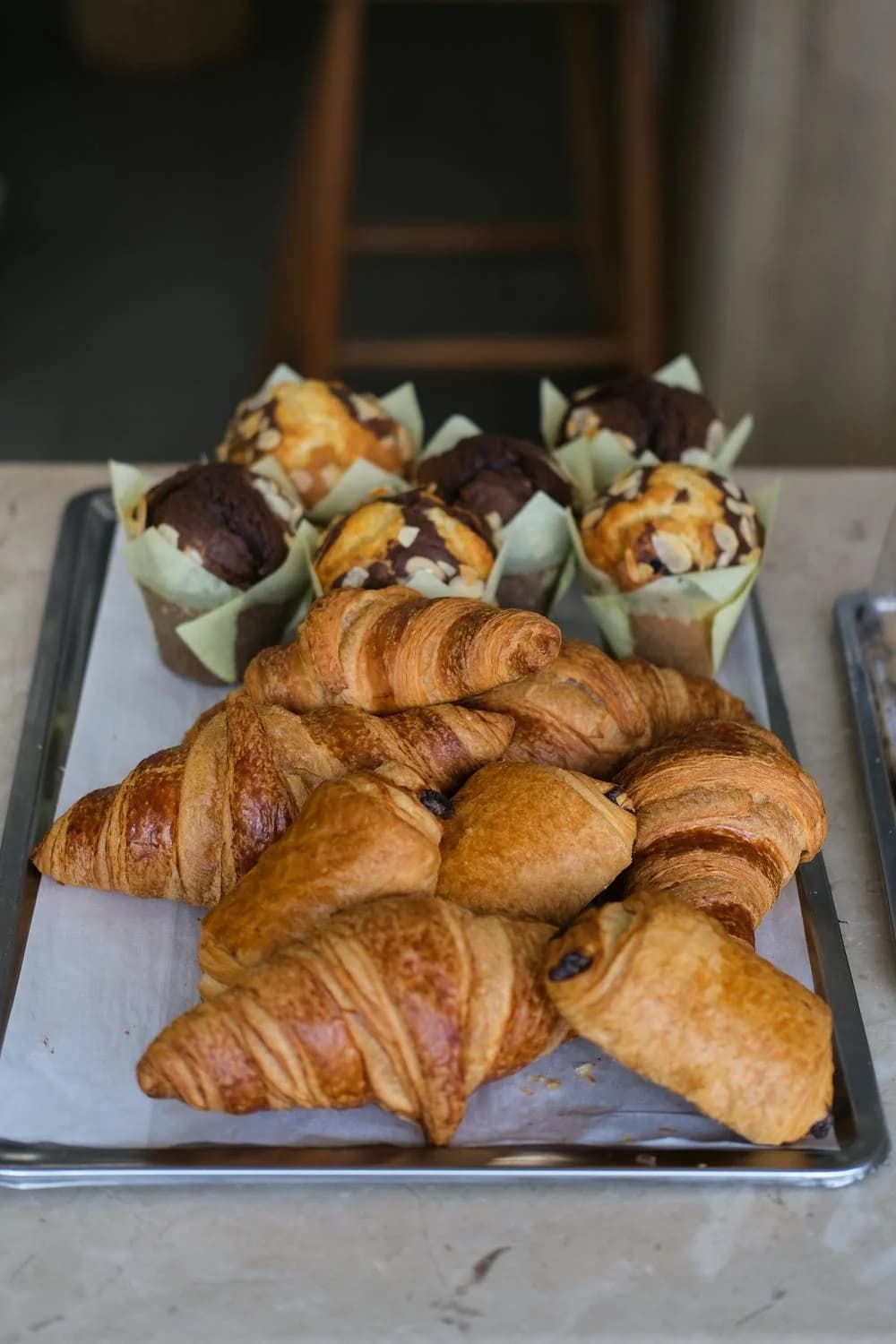
The pastry category might appear smooth and fluffy on the shelves, but supply chains are not. Prices fluctuate. Ingredients change. Freight surges. So procurement teams require clarity.
Ingredient volatility and pricing
- Raw materials such as butter, eggs, wheat flour, and cocoa continue to be volatile.
- The Food and Agriculture Organization (FAO) establishes consistent price volatility in global foodstuffs, including wheat and dairy.
- Cocoa prices have better supply prospects as 2025 Q4 hits.
- Upscale pastries contain more butter and more luxurious fillings. Of course, greater exposure to cost fluctuations. Somehow those costs creep up on margins quicker than anticipated.
Logistics and cold-chain reality
- Upscale pastries tend to need frozen or chilled delivery. Which translates to higher logistics expenses, particularly cross-border.
- Shipping and Freight Source observes that cold chain logistics expenses keep on increasing due to energy and transport demand.
- Frozen formats remain selected for the reason that they preserve quality and waste less, essentially fewer expired products.
Shelf-ready & convenience formats
- Retail formats desire pastries that are ready to put on shelf. No lengthy prep. No backroom baking.
- And due to e-commerce, packaging now requires durability, not only attractiveness. Supply Legends insights point out that packaging for online fulfillment must be more resilient to handling.
E-commerce and direct fulfillment
- E-commerce is not a passing trend. B2B buying platforms rely significantly on ready-to-ship SKUs.
- McKinsey states that online food and ready-to-eat baked products keep gaining steam after 2024.
Pressure to be sustainable
Shoppers today demand:
- transparency of origin
- cleaner labels
- less food waste
- recyclable or lighter packaging
- EU packaging rules in 2025 make sustainability standards for imported foods stricter.
Clearly, this impacts suppliers who continue to use heavy or non-recyclable pastry trays.
The Most Widely Known Pastries in the World
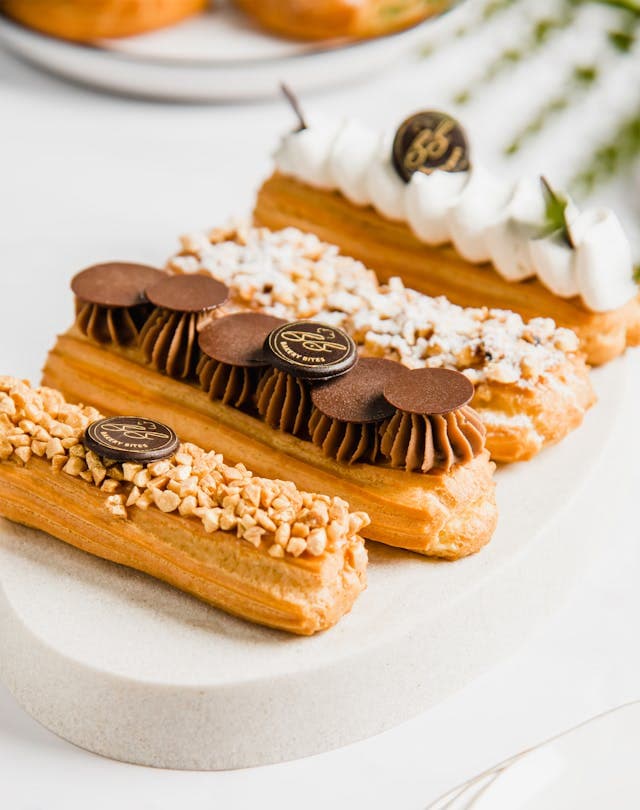
Buyers and distributors are looking for something familiar. Something that sells. Below are pastry categories that, for whatever reason, cross over from region to region. Basically, these are "guaranteed winners" in retail, wholesale, and foodservice.
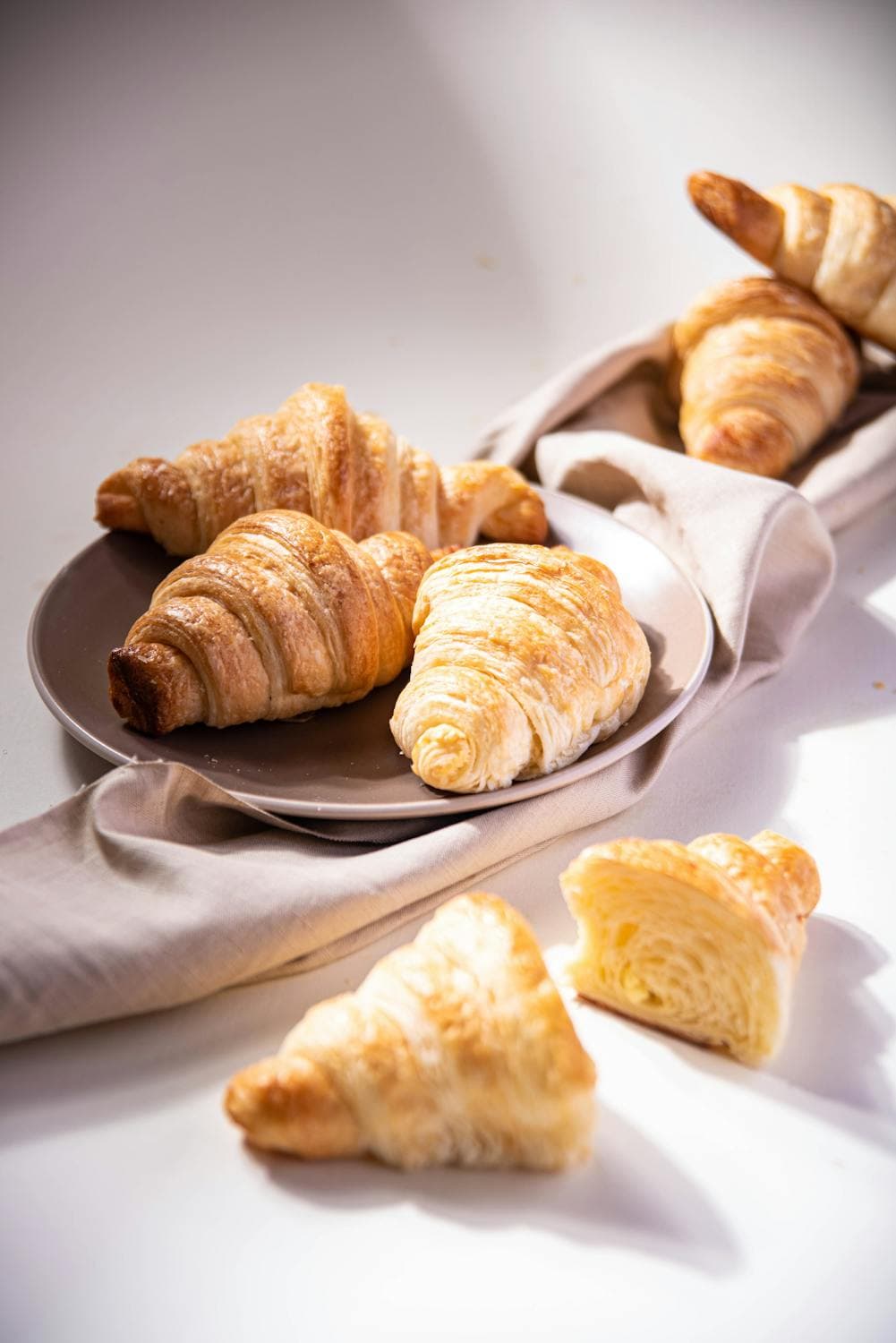
- Croissants – Originally French, but everywhere. Distributors such as frozen, ready-to-bake croissants, as they simplify operations. They are utilized in restaurants, convenience stores, and airline meals. Size and filling range (such as chocolate or almond) provide additional margin options.
- Danish Pastries – Light and flaky layers. Rich butter flavor. Simple to eat on-the-go. Many wholesalers prefer this SKU because it's both premium and recognizable. And it can be single-serve or multipack—versatile for various retail formats.
- Baklava – Extremely rich. Yet, somehow simple and complicated. Wholesalers sell baklava as an "upscale premium pastry" during holiday advertising or gift-giving periods. It's portable and accommodates specialty, gourmet or food-service channels without in-store baking.
- Portuguese Pastéis de Nata – Flaky pastry filled with creamy egg custard and caramelized topping. These will be popular in specialty bakeries and cafés. Customers prefer it since the size is small, impulse-friendly and typically sold in lots.
- Puff Pastry Snacks / Savory Pastries – Take cheese pastry, sausage rolls, or spinach pastry. Apparently, savory pastries fly off the shelves in convenience retail because they offer something that isn't sweet. Works for breakfast or as a snack.
- Choux pastries – Éclairs, cream puffs, profiteroles. Retailers stock these in refrigerated dessert sections. It's a bit of a premium play—good for upselling in supermarkets or hotel buffets.
- Strudel – Apple strudel in particular. Excellent margin product when frozen. Simply thaw and bake. Export-friendly. Flexible in bakery counter retail without any complex prep.
- Puff pastry sticks / Palmiers – These are long-life shelf and no cold chain. Shoppers appreciate the ease. Somehow always shifts in multipack retail shelves.
- Tarts & Mini Tarts – Versatile base category. Fill SKUs with seasonal fillings such as lemon curd, berry jam, chocolate ganache. Good for cafés, catering, hotel banquets.
- Cheesecake pastries – Soft, decadent texture. Cheesecake pastries are used by some retailers as a high-end substitute for regular cake slices. Suitable for coffee chains.
What’s Fueling the Premium Pastry Wave
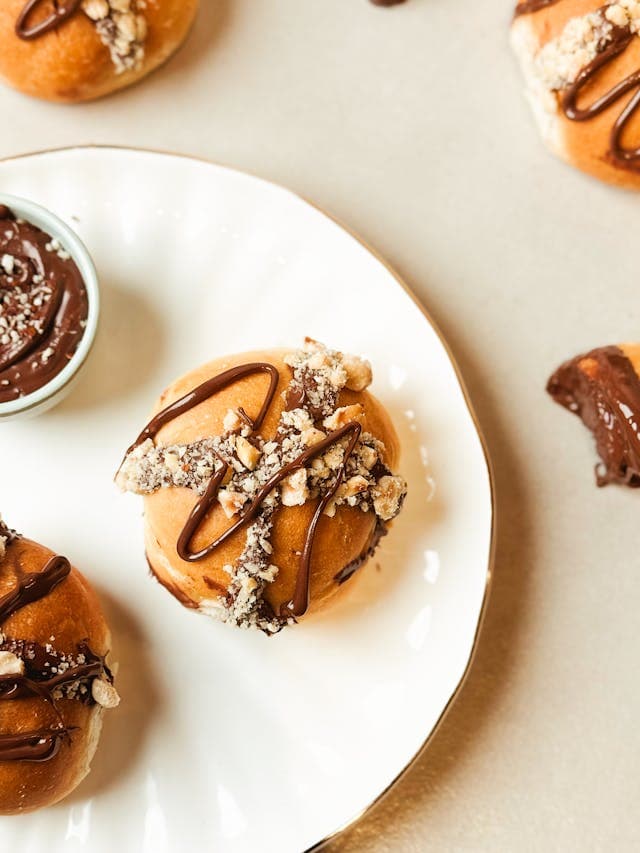
Shoppers who purchase pastries today are not like they used to be. They are selective, but spontaneous. They desire "quick," but also something that is premium. Essentially, premium pastries address both needs simultaneously, and store owners notice the change.
Increased indulgence intersects with convenience
Shoppers demand pastries that taste luxurious without taking their time. Flaky structure, more butter, improved fillings, and also portable packaging. Individual-serve pastries are expanding rapidly, with ~7.89% CAGR through 2030 through Mordor Intelligence. For distributors and retailers, artisanal-appearing pastries in convenient packages become increased margins and improved shelf turns.
Health, wellness and clean-label dominance
Individuals read labels these days. They desire delicious pastries but consistent with wellness routines: plant-based, gluten-free, fewer sugars. Innova Market Insights states 2025 bakery trends such as "Ingredients and Beyond" and "Rethinking Plants." Ethical food products command +16% price premium, according to one study on arXiv. Transparency and clean ingredients are important for sourcing.
Experience, aesthetic appeal and social media driven formats
Some pastries pretty much sell themselves because they are aesthetically pleasing. Limited flavor, unique shape, glazing, color, anything visually appealing compels trial. Social media boosts discovery, so wholesalers carrying visually different SKUs enjoy a competitive advantage. New launches emphasize texture and "premium feel," which supports products in dense retail bakery environments.
Channel shift and multi-format access
Pastries have now traversed more channels: convenience stores, supermarkets, cafes, hotels, even online subscription. Retail channels account for ~69.7% of world pastry sales per Mordor Intelligence. For wholesalers, knowing which clients have which sales channel assists in deciding packaging, shelf-life, and logistics. Premium pastries can grow, but formats need to be appropriate where they will be sold.
Pricing and premiumisation uplift
Customers are happy to pay more for pastries that are special: more butter, heritage recipes, seasonal flavors. Premiumisation provides space for margin, particularly for boutiques and specialty foods stores. For wholesalers, stocking higher SKUs equates to higher ROI per pallet. Pastries are migrating from commodity bakery products into premium impulse purchases, particularly in more affluent retail formats.
Where the Premium Pastry Market Heads Next
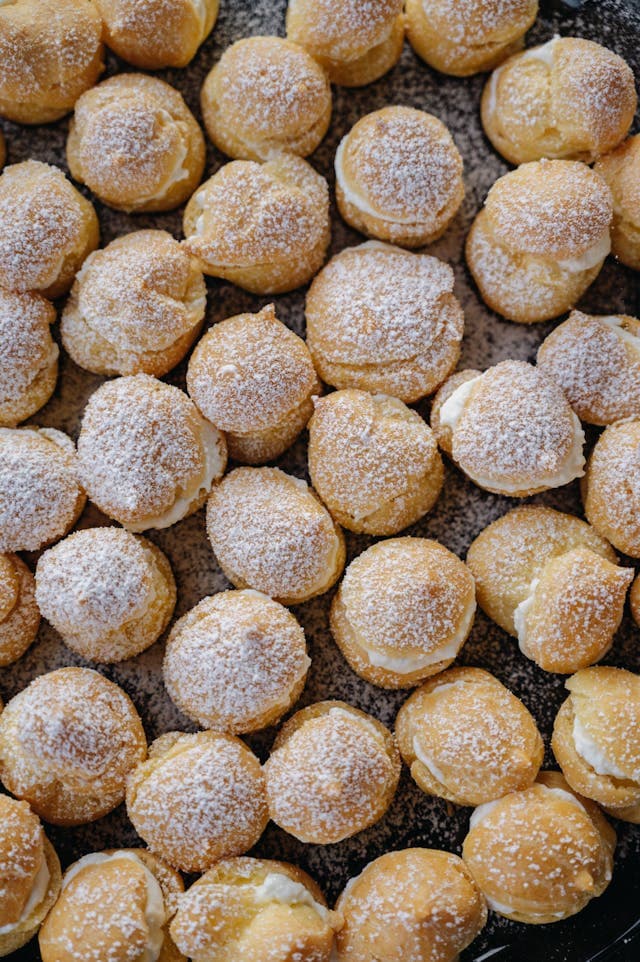
Let's keep this simple. The next wave of growth isn't arbitrary. It's emerging based on shifts in demand, new avenues, and improved logistics. Consumers, distributors, wholesalers, this segment assists you in identifying where the margin resides.
Emerging markets
Asia-Pacific remains to gain momentum, driven by urbanization, disposable incomes, and western-style snacks. Clearly, consumers are ready to embrace premium pastries, especially frozen, ready-to-bake format. The region boasts the highest forecasted CAGR, Mordor Intelligence says. In essence, handling distribution into ASEAN or Gulf states, sourcing from EU or strategically placed Asian factories enables you to negotiate better freight costs and quicker replenishment.
Premium impulse formats
Single-serve premium pastries perform well where consumers make speedy decisions: convenience stores, coffee shops, hotel minibars, and even airline meals. Those placements accommodate higher margins since consumers do not overanalyze the value of "small indulgence." It's shelf-ready, speedy, and a little bit addictive to consumers. To distributors, it simply means easier SKUs that sell fast, without heavy marketing.
Health-premium hybrid products
There is increased demand for indulgent pastries that are a little healthier with less sugar, plant-based butter, protein-enhanced dough, gluten-free. This makes products feel premium without taking the enjoyment away. Consumers prefer this category because it puts pastries in three aisles: wellness, specialty, and premium bakery. In essence, one SKU is addressing two needs, and clearly, that translates to better margins.
Private-label premium
A retailer these days seeks premium pastry lines as a private-label, not imported branded SKUs. Private-label provides them with greater margin, flavor, and packaging control. Consumers will pay more if the product appears to be artisan (strong visual story, good layering, plenty of rich filling). For wholesalers, it is obtaining long-term supply contracts rather than transactional orders, always a better deal.
E-commerce & direct fulfillment
Pastries travel surprisingly well if frozen or vacuum-packed. That opens up the potential for online bakery stores, pastry-of-the-month clubs, and direct-shipping from central bakeries. Essentially, SKU only requires toughness and a clever packaging structure. Merchants supporting cold-chain shipping open themselves to higher-margin sales since high-end pastries purchased online don't often battle on price.
Sustainability story & traceability
Consumers are inquiring about where ingredients are sourced such as butter origin, flour type, recyclability of packaging. A good sustainability story can be used to cover a premium without altering the recipe. Traceability also facilitates export compliance. Apparently, the supplier with cleaner labels and transparent sourcing wins tenders quicker because procurement teams require documents to meet corporate sustainability reporting.
Top-Rated Pastry Suppliers on Torg
1. THE BREAD FACTORY – St Albans, United Kingdom
Bread Factory excels at artisanal bakery production using high-quality ingredients and stable output. Their pastries are reminiscent of handmade items but are translatable to retail or foodservice. They have sourdough, viennoiserie, morning goods, and savory pastry snacks. Customers choose them due to repeated lead times, premium flavor, and flexible formats. Essentially, a solid choice if you require consistency and bulk.
2. DELIDESS SAS – France
Delidess is a manufacturer of upscale French pastries with an emphasis on presentation and taste. Delidess excels at tartlets, mousses, and fancy pastry packaging that is suited to high-end retail and hotel catering. Their niche is balancing old recipes with new packaging solutions to make them export-ready. If you require pastries that have a high-end feel without hassle, Delidess is, in short, an assured supplier of European-standard products.
3. THEOBROMA – India
Theobroma sells brownies, pastries, breads, and café-style desserts through genuine recipes. They know scale, which comes in handy when distributors require volume without compromising on product quality. Their pastries are suitable for café chains, airline catering, and convenience retail. The brand has good consumer recognition in Southeast Asia already, which partly eases the marketing effort in new market entry.
Conclusion
Premium pastries are showing that smaller products can sell big volumes. When retailers and distributors select the correct SKUs or formats that are convenient to handle, ship, and sell through, the category is a solid margin driver. Buyers do not have to think too hard. They simply need suppliers who get volume, shelf life, and packaging that's suitable for multiple channels. Demand exists; consumers are already grasping for "something better." Clearly, the category pays off for the early bird. Manage pastries as a strategic product line, not an experiment. Because once the shelves begin turning premium pastries regularly, the category quietly is a profit engine.
Demander un devis de commande en vrac
Commande simple, tarification transparente, livrée directement à votre porte